Pevita Pearce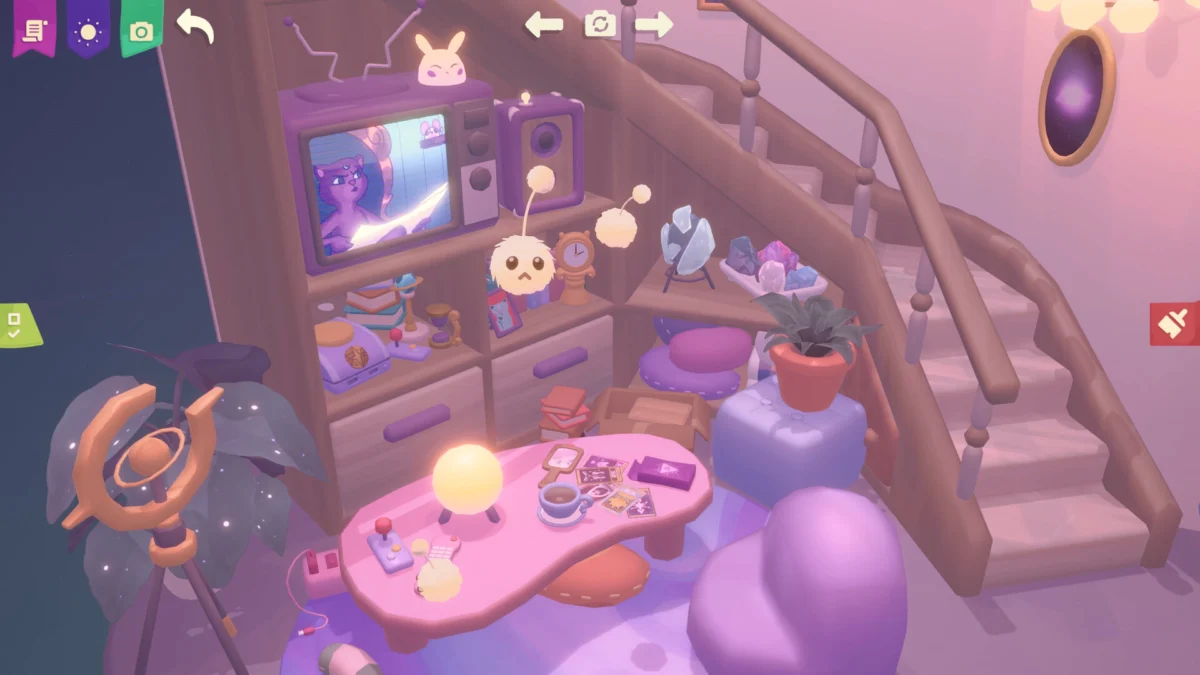
In the ever-expanding landscape of the "cozy game" genre, few titles manage to capture the serene satisfaction of organization quite like Design and Conjure. Developed as a light puzzle experience, the game places players in the shoes of a newly graduated witch embarking on the next chapter of her life. While the premise is simple—unpacking boxes and arranging furniture—the execution offers a uniquely meditative experience that balances creative expression with gentle, low-stakes problem-solving.
Main Facts: A New Chapter in Sorcery
Design and Conjure is an upcoming indie title that shifts the focus of the "magical academy" trope away from grand battles or world-saving quests. Instead, it leans into the quiet, domestic reality of post-graduate life. The player arrives at a new living space, surrounded by cardboard boxes, and is tasked with transforming a blank, cluttered slate into a personalized sanctuary.
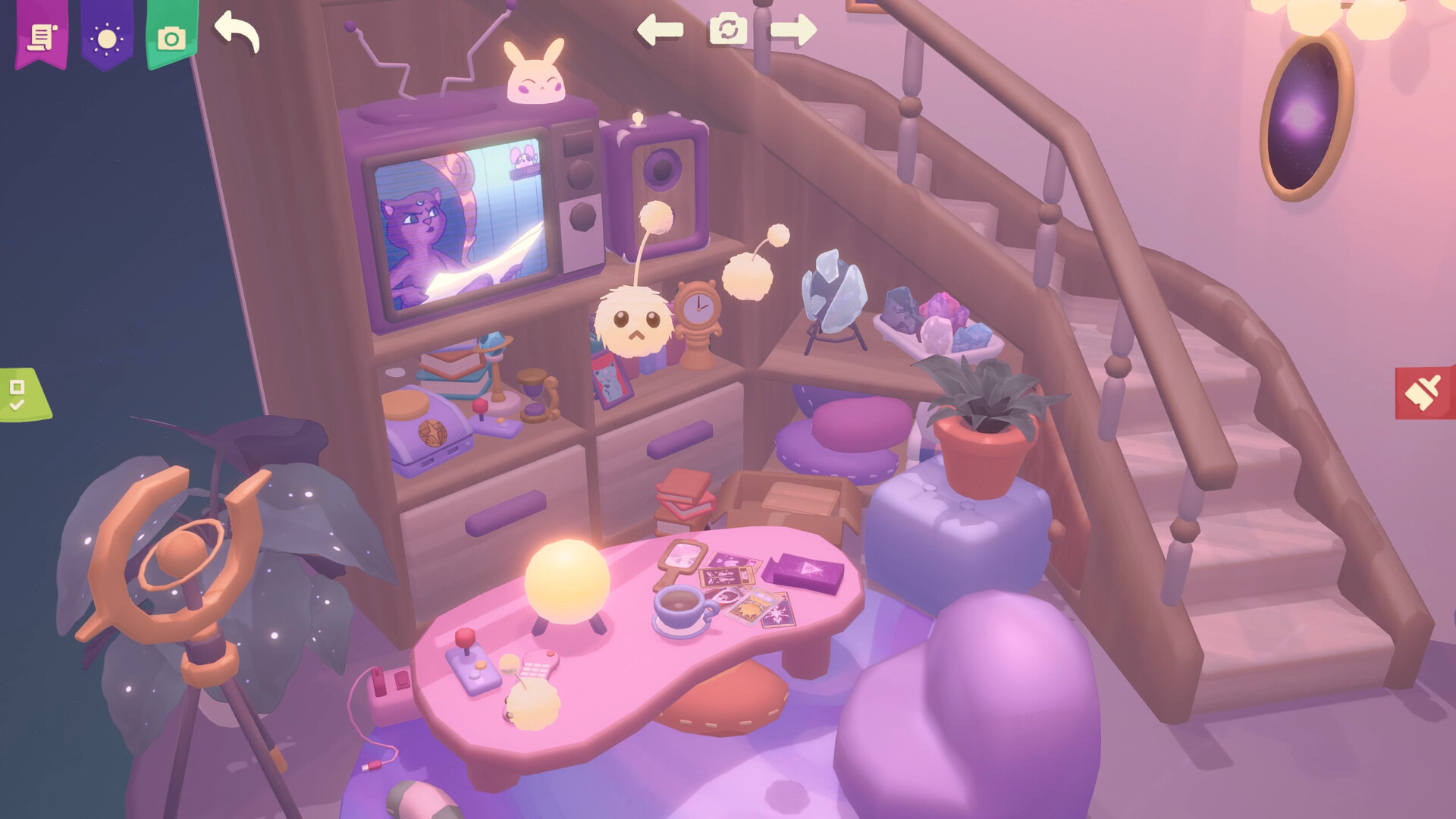
The core gameplay loop centers on interior design and spatial awareness. Players must rotate, place, and organize a variety of magical and mundane items to meet specific room requirements. Unlike its peers, the game introduces a sophisticated color-customization system, allowing players to tint items to match their personal aesthetic. Whether it is a bookshelf, a cauldron, or a simple rug, the ability to curate the environment down to the hue makes the space feel truly lived-in.
Chronology: From Graduation to Home-Making
The narrative arc of the game is intentionally understated, mirroring the transition from the structured, high-pressure environment of "higher sorcerous education" to the autonomy of adulthood.
- The Graduation: The player begins the game immediately following the completion of their formal magical education. The transition from student to practitioner is marked not by a grand ceremony, but by the physical act of moving house.
- The Unpacking Phase: Players are introduced to the primary mechanics: selecting items from boxes, rotating them to fit within the provided floor space, and fulfilling specific room-based requests.
- The Design Iteration: As the game progresses, the player moves beyond simple organization. They are encouraged to utilize the color-palette tools, shifting from merely "fitting things in" to intentionally designing a home that reflects the character’s personality.
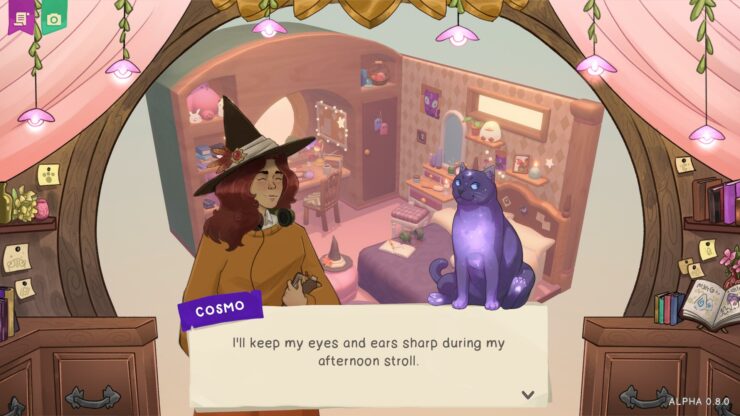
- The Interaction Loop: Between major design milestones, players interact with Cosmo, a familiar in the form of a cat. These moments provide narrative breathing room, grounding the magical elements in the mundane, relatable experience of owning a pet.
Supporting Data: Why "Cozy" Games Succeed
The popularity of Design and Conjure fits within a larger market trend. Data from platforms like Steam consistently show that "cozy" or "low-stakes" games—titles that remove timers, health bars, and failure states—are among the most wishlisted and played by casual audiences.
- Stress Reduction: Psychologists suggest that the "triage" aspect of organizing physical space in a digital format mimics the satisfaction of real-world cleaning without the physical labor, providing a sense of control that is often missing in modern life.
- Creative Expression: The inclusion of color-customization software within the game increases player retention. By giving the user agency over the visual output, the game ceases to be a static puzzle and becomes a platform for self-expression.
- Audio-Visual Synergy: The decision to include a cassette-based music player at the bottom of the UI allows players to curate their own "vibe," further enhancing the immersion.
The Role of Cosmo: Narrative and Mechanics
No witch’s journey is complete without a familiar, and in Design and Conjure, that role is filled by Cosmo. More than just a companion, Cosmo serves as the emotional anchor for the player. While the gameplay is primarily focused on the architecture of the room, the dialogue sequences with Cosmo offer a much-needed reprieve from the spatial puzzles.
The developers have paid careful attention to the character design of the familiar, ensuring that he behaves like a real cat—silly, occasionally distracting, and inherently comforting. This juxtaposition between the complex, high-level sorcery of the protagonist’s education and the simple, feline antics of her pet creates a compelling, humanizing narrative structure.
Official Perspectives and Development Status
As of mid-2026, the development team behind Design and Conjure has been transparent about their goals for the final release. The project is currently in an active development phase, with the demo available on Steam serving as a "vertical slice" of the final experience.
The developers have emphasized that they want to maintain a "no-rush" policy throughout the game. There are no timers, no "game over" screens, and no penalties for taking time to perfect the layout of a room. This is a design philosophy rooted in player accessibility and mental well-being. By removing the pressure to succeed, the developers have ensured that the primary goal is the joy of the process itself, rather than the efficiency of the outcome.
Implications for the Indie Genre
The release of Design and Conjure in August 2026 is poised to be a significant moment for the "unpacking" sub-genre. It raises the bar for what players expect from organizational games, moving beyond simple grid-placement into the realm of full-scale interior design.
- Increased Personalization: The success of this title may lead other developers to include more granular customization options, such as color palettes and texture changes, in their own puzzle games.
- Emphasis on "Quality of Life": The game’s UI, including the music-control cassette, suggests a shift toward more tactile, "diegetic" interfaces—menus that exist within the game world rather than floating on top of it.
- The Rise of "Cozy" Simulation: As players increasingly seek games that function as a "digital sanctuary," we can expect to see more titles that focus on the mundane, quiet moments of life, rather than the high-stakes drama that has dominated the industry for decades.
A Final Note on the Experience
For those who have not yet sampled the demo, the appeal of Design and Conjure is immediate. It captures that specific, lingering feeling of moving into a new home—the excitement of possibility, the challenge of fitting one’s life into new dimensions, and the quiet magic of making a space one’s own.
While some players may find the lack of a "hard" challenge to be a departure from traditional gaming, the target audience will find exactly what they are looking for: a beautiful, well-designed, and relaxing experience. It is a testament to the fact that not every game needs to be a test of reflexes or strategy. Sometimes, the most rewarding task is simply finding the perfect spot for a magical book, listening to a lofi beat, and watching your cat nap in the corner of a room you’ve built yourself.
About the Author
Jupiter Hadley is a veteran indie game journalist and content creator. With years of experience covering the global indie scene, Jupiter has contributed to major outlets including Metro UK, Big Boss Battle, and AlphaBetaGamer. She is the founder of indiegamejams.com and maintains a dedicated YouTube channel focused on bringing visibility to small-scale developers. Her work is driven by a commitment to highlighting the diversity, creativity, and passion found within the indie gaming community.


 Asro
Asro
 Nana Wu