

The alien ocean of Planet 4546B continues to challenge and enthrall explorers in Subnautica 2, the highly anticipated sequel from Unknown Worlds and Krafton. As players dive deeper into its enigmatic biomes, the hunt for vital resources becomes paramount to survival and progression. Among these, Lithium stands out as a singularly indispensable mineral, serving as the cornerstone for critical upgrades that unlock further exploration and mitigate the world’s inherent dangers. This in-depth report delves into the strategic importance of Lithium, charting its perilous acquisition, identifying prime locations, and examining the broader implications for players navigating this unforgiving yet beautiful aquatic realm.
Main Facts: The Indispensable Mineral
Lithium in Subnautica 2 is not merely another crafting material; it is a gateway to overcoming some of the game’s earliest and most significant environmental hurdles. Its primary use is in the creation of Plasteel Ingots, a composite material vital for constructing larger, more efficient air tanks. These improved tanks are fundamental for extending dive times, enabling players to reach previously inaccessible depths and explore hazardous regions without succumbing to oxygen deprivation. Beyond initial air tank upgrades, Lithium is also anticipated to be a key component in more advanced crafting projects, including reinforced vehicle modules and sophisticated base structures, further solidifying its status as a high-value resource.
However, the acquisition of Lithium is deliberately gated by the game’s progressive design. Historically, significant deposits of this mineral have been found predominantly in areas characterized by extreme heat—waters too warm for unequipped survival. This necessitates the acquisition of specific mutations, such as the Angel Comb, to endure these harsh conditions, along with specialized tools like the Sonic Resonator to extract the beefy mineral chunks. The developers, through iterative updates, have acknowledged the early-game challenges, notably introducing a crucial early access point for Lithium on May 15, allowing players to secure essential upgrades before facing the most severe environmental threats. This guide aims to provide a comprehensive overview of all known Lithium locations and the strategies required to harvest them efficiently and safely.
Navigating the Perilous Waters: A Chronological Resource Hunt
The journey to consistently acquire Lithium in Subnautica 2 mirrors the player’s overall progression through the game, moving from cautious early-game expeditions to more elaborate, tool-dependent ventures into hazardous biomes. Understanding this chronological access is key to optimizing resource gathering and minimizing risk.
Early Game Acquisition: The "Clam-Thing" Anomaly
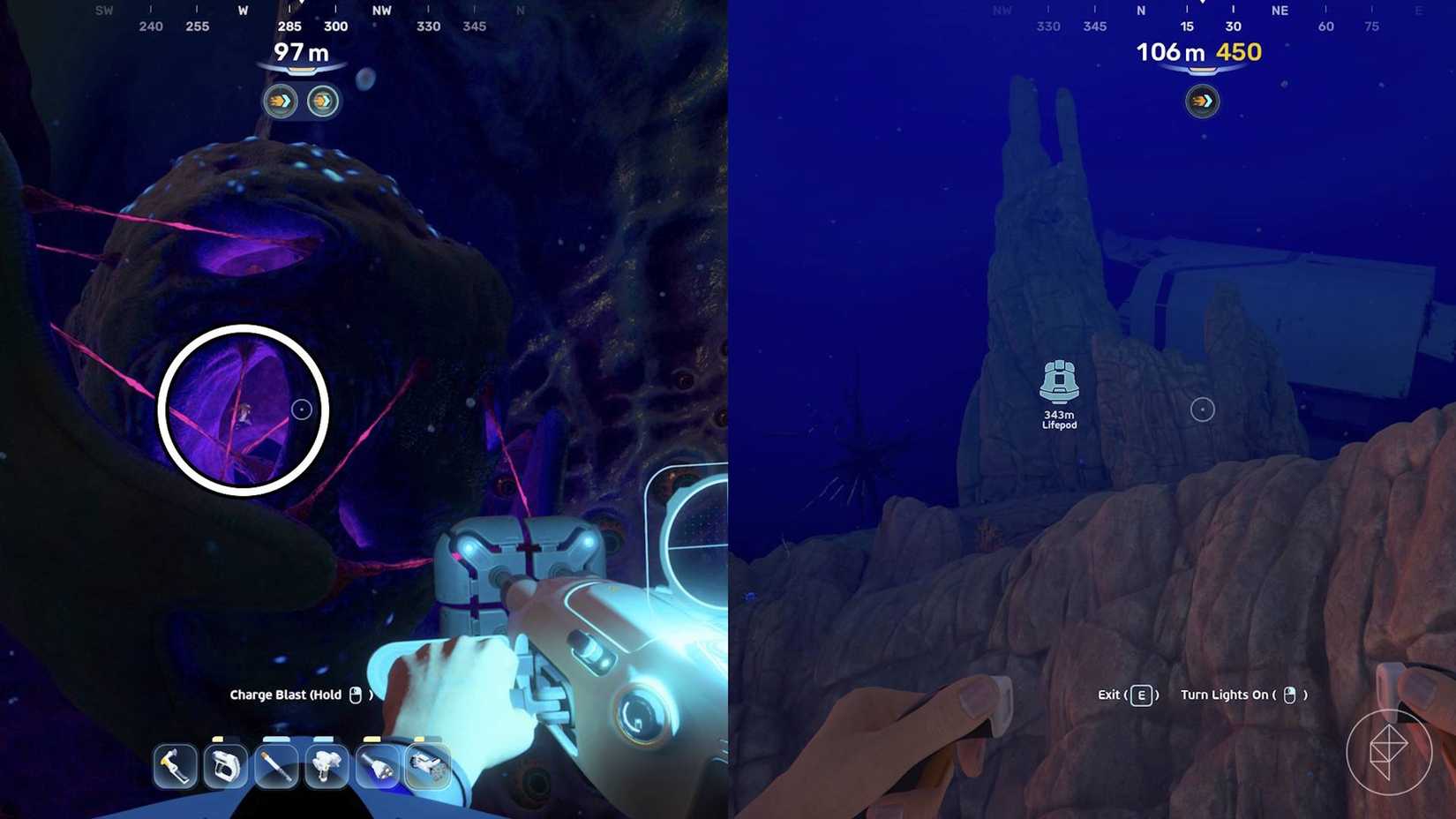
For players just beginning their Subnautica 2 adventure, the prospect of venturing into superheated zones for Lithium can seem daunting. Thankfully, the May 15 update introduced a unique, albeit perilous, early-game opportunity that bypasses the need for heat-resistant mutations and the Sonic Resonator. This anomalous location is situated approximately 350 meters south-southwest of the Lifepod, near a substantial piece of wreckage where players might also discover a fragment of the repair tool blueprint.
Beyond this wreck lies a peculiar, massive organism resembling a giant clam. At its center, a hollow node protrudes on a stem, adorned with vibrant purple tendons. Within this node, a scattering of smaller Lithium deposits can be found. What makes this spot particularly unique for early-game access is that these deposits can be harvested without the Sonic Resonator, allowing players to acquire a few pieces necessary for their initial air tank upgrade.
However, this opportunity comes with a significant catch. The "clam-thing" is a predatory organism; its massive sides will begin to close rapidly once any of its purple tendons are touched. If the creature fully closes before the player can escape, it results in instant death. Therefore, extreme caution and strategic planning are essential. Players are strongly advised to save their game before attempting to collect Lithium from this location. The recommended tactic involves swimming in, grabbing one or two pieces of Lithium quickly, and immediately exiting the node. The creature’s sides will eventually reopen after a brief period, allowing for subsequent, careful harvesting runs. This method, while nerve-wracking, provides a vital early-game boost, enabling players to upgrade their air tank and extend their underwater exploration capabilities significantly before tackling the more formidable challenges presented by the warmer zones.
Mid-Game Expeditions: Venturing into Warmer Zones
As players progress and acquire more advanced tools and mutations, the primary source of Lithium shifts to the thermally active regions of Planet 4546B. The general vicinity around the Tadpole Pens, located roughly 300 meters east of the Lifepod, becomes the focal point for mid-game Lithium acquisition. This area is intrinsically linked to the main story, as players will visit it during their investigation of the region, specifically when pursuing the "Investigate the Tadpole Pens" mission.
The defining characteristic of these Lithium-rich zones is their proximity to sources of extreme heat. Surviving in these environments is impossible without the necessary biological adaptations. This is where the Angel Comb mutation becomes absolutely critical. Acquired from the area near Wander’s Blackbox, the Angel Comb mutation grants the player resistance to high temperatures, allowing safe passage through these otherwise lethal waters. Without it, any attempt to harvest Lithium in these areas will be met with swift and certain demise due to environmental damage.
Furthermore, the Lithium deposits in these warmer zones are typically found in large, robust chunks that cannot be harvested by hand or with standard tools. The Sonic Resonator is an indispensable tool for extracting these "beefy" minerals. Players must ensure they have acquired the blueprint and crafted this device before venturing into these areas for serious Lithium farming.
Exploration in these deeper, hotter regions also often necessitates the use of a Tadpole vehicle or similar submersible. While offering enhanced mobility and protection, players must remain vigilant about their vehicle’s depth limitations. An unmodified Tadpole vehicle, for instance, can only venture down to 250 meters before it begins to suffer structural integrity damage and implode. Therefore, investing in depth module upgrades for the Tadpole becomes crucial for reaching some of the deeper Lithium deposits. Before embarking on any expedition, it is also highly recommended to open the character menu and enable all landmark signals. This simple but effective preparation will significantly aid in navigation and help players locate specific points of interest mentioned in this guide, including the critical Tadpole Pens area.
Advanced Farming: The Zip’s Blackbox Cave
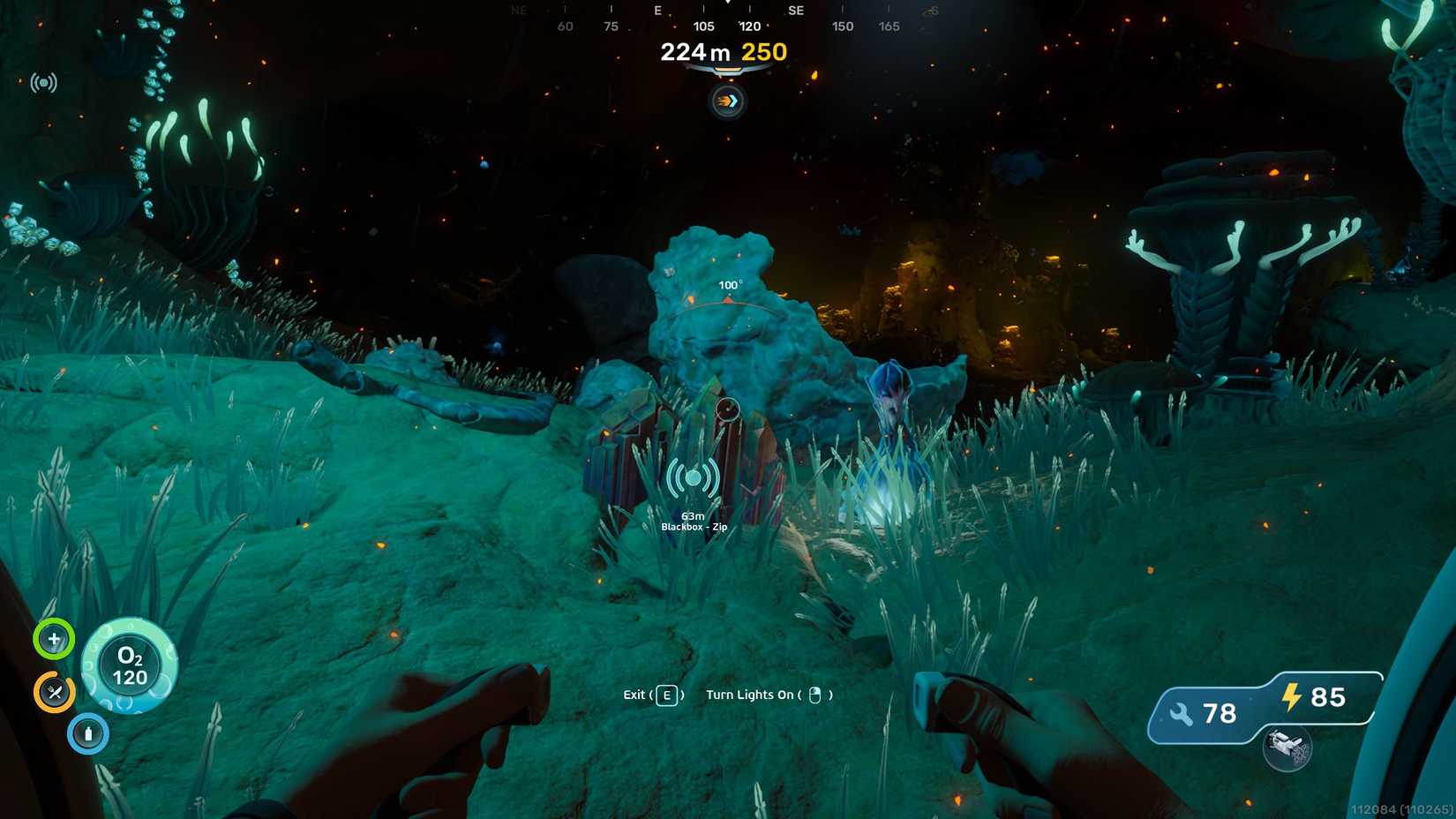
For sustained Lithium farming, particularly in the later stages of the mid-game and beyond, one specific location stands out for its abundance and relative ease of access once the prerequisites are met. This prime farming spot is found in a large cave system, situated approximately 550 meters southeast of the Lifepod and 600 meters southeast of Ruby’s Blackbox. This cave serves as the entrance to a network of tunnels and chambers, and it plays a role in the main story arc as players search for Zip’s Blackbox.
Upon entering this cave, players will immediately notice several large Lithium deposits scattered near the entrance. Venturing further inside, more deposits can be found at the base of various rock formations, often embedded in the cave walls or lying on the seabed. The sheer concentration of Lithium in this single location makes it an ideal spot for players looking to stock up on the mineral for multiple crafting projects.
A point of logistical importance for returning players: once the "Investigate the Tadpole Pen" mission is cleared and Zip’s Blackbox has been located, the associated signals will often disappear from the player’s log. This means that subsequent visits to this highly productive Lithium cave will require manual navigation, relying on the Lifepod and Ruby’s first Blackbox as primary reference points. Familiarity with the general topography of the area, combined with the use of the player’s compass and depth readings, will be essential for efficient return trips. Regular mining excursions to this cave, equipped with the Angel Comb mutation and Sonic Resonator, can quickly yield a substantial reserve of Lithium, ensuring players are well-prepared for any advanced crafting needs that arise.
Decoding the Deep: Supporting Data and Identification
Effective resource gathering in Subnautica 2 hinges not only on knowing where to look but also on recognizing what you’re looking for amidst the often dim and chaotic underwater environments. Lithium, while distinctive, can be confused with other minerals under certain conditions, making accurate identification a critical skill.
Visual Cues for Lithium Identification
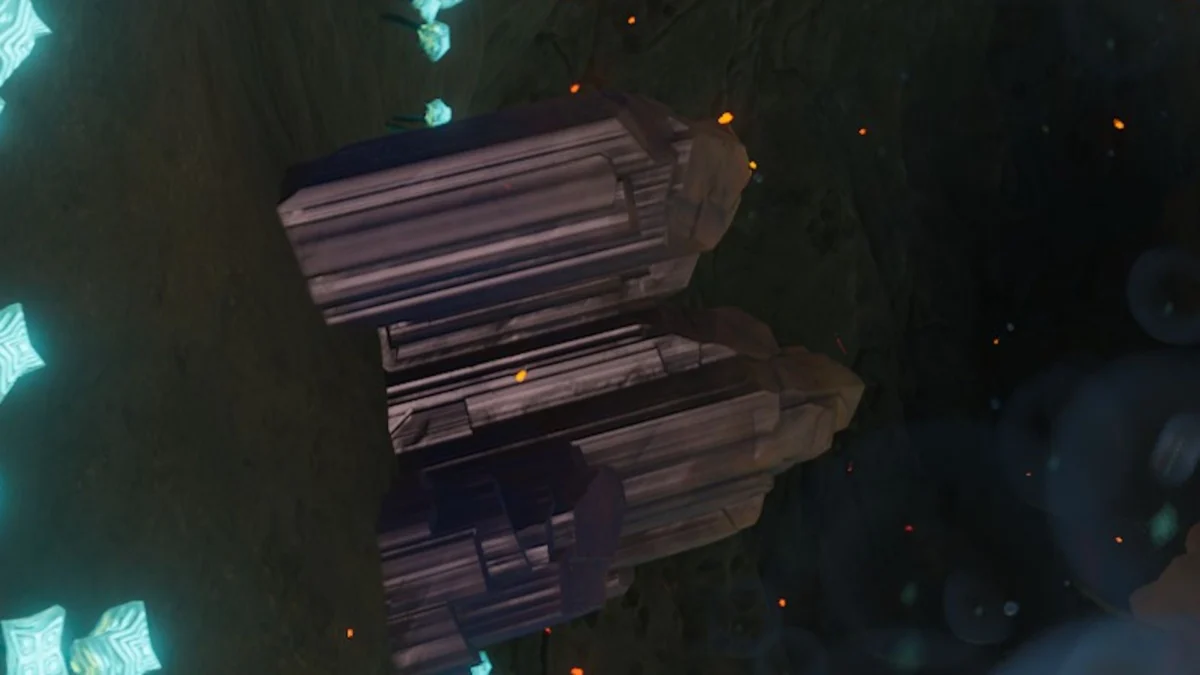
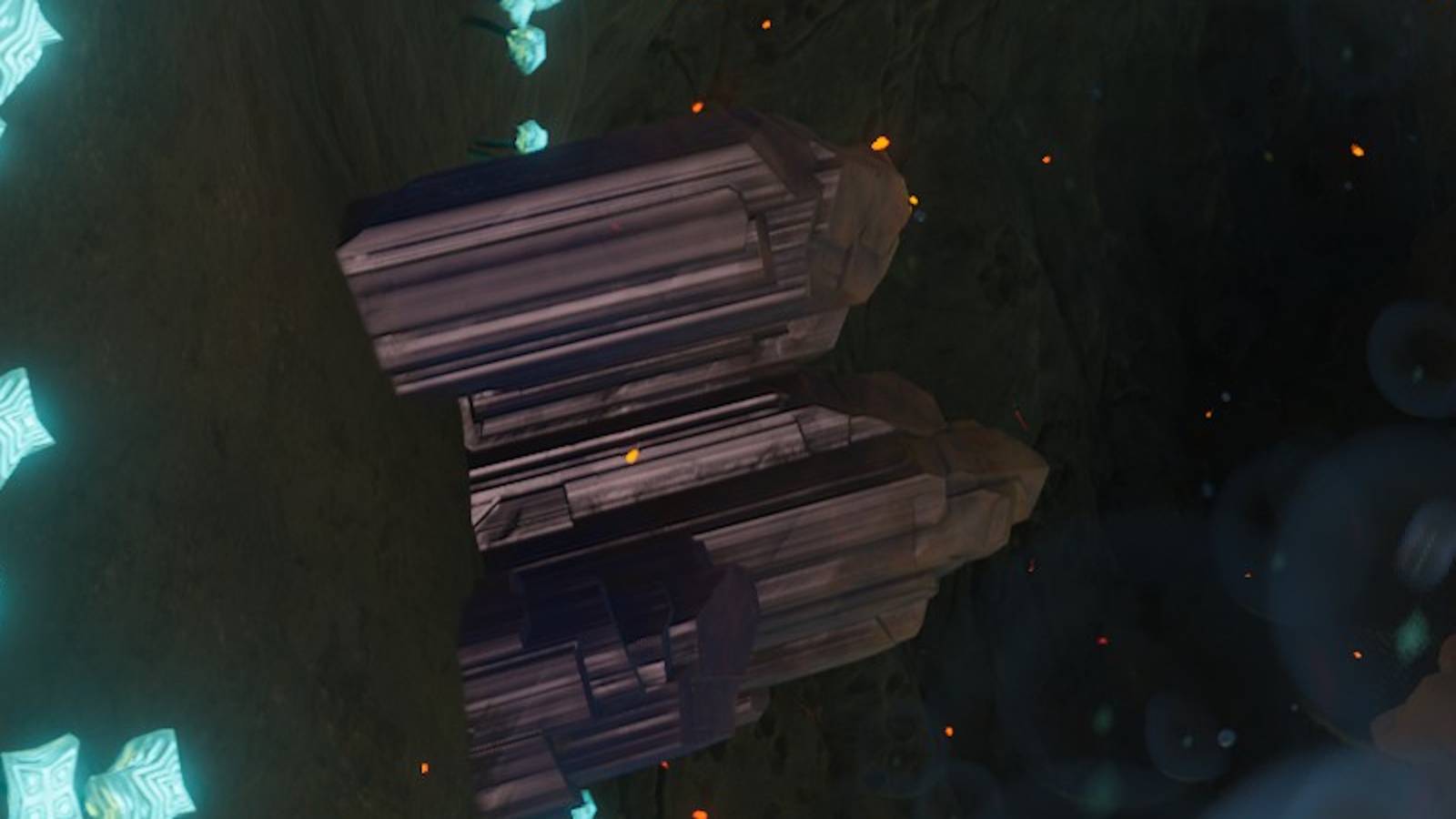
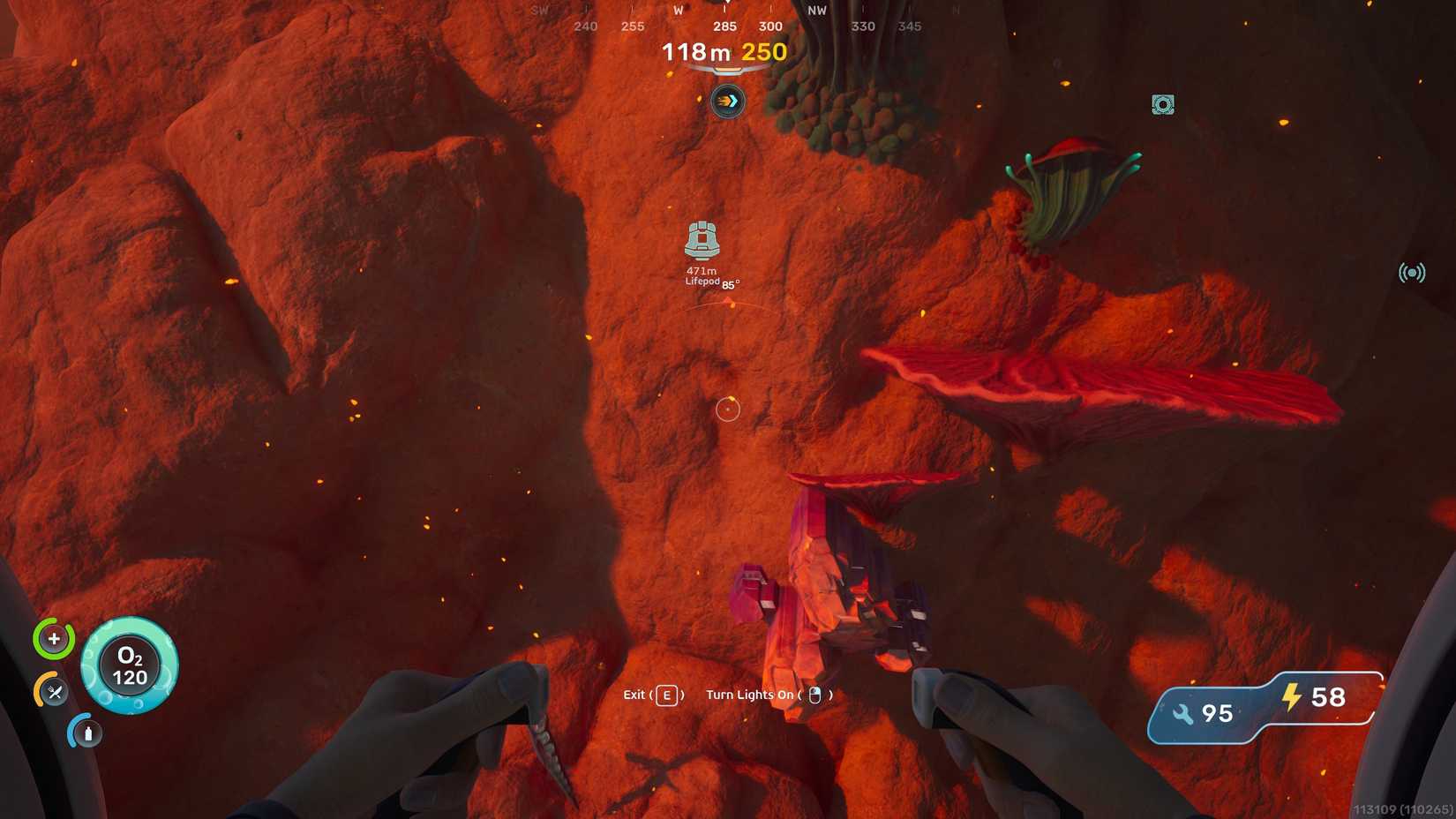
At first glance, particularly in the murky lighting of deeper caves, Lithium can bear a superficial resemblance to Lead. Both minerals often appear as greyish, irregularly shaped nodes clinging to rock formations. However, crucial visual differences allow for accurate identification. Lead typically presents with more pronounced square or blocky protrusions, giving it a somewhat angular, crystalline appearance. In contrast, Lithium is characterized by a cluster of long, rectangular shapes clumped together, resembling stacked bars or elongated bricks. This difference in texture and form is the primary identifier in low-light conditions.
In daylight or well-lit areas, Lithium’s unique coloration makes it far less likely to be mistaken for other minerals. It typically displays a burnt red hue at its apex, gradually tapering into a lighter shade of orange at its base. This vibrant, fiery gradient is unmistakable against the blues and greens of the ocean environment. By committing these visual cues to memory—the rectangular clumps in dim light and the distinctive red-to-orange gradient in bright light—players can significantly improve their efficiency in spotting and harvesting Lithium, saving valuable time and oxygen during their expeditions.
Crafting Applications and Resource Management
The immediate utility of Lithium is evident in the crafting of Plasteel Ingots. This process is straightforward, requiring one piece of Lithium combined with one piece of Titanium at a Fabricator. The resulting Plasteel Ingot is the fundamental component for upgrading the standard air tank to a high-capacity variant, dramatically increasing the player’s breathable air supply and, by extension, their effective dive time. This upgrade alone is transformative, opening up new possibilities for exploration and reducing the stress of constant oxygen monitoring.
Beyond this initial upgrade, Lithium’s properties (lightweight yet strong) suggest its continued importance in later-game crafting. While Subnautica 2 is still evolving in Early Access, historical precedents from the Subnautica universe indicate that Lithium will likely be used for:
- Vehicle Reinforcements: Upgrading the hull integrity of submersibles like the Tadpole or potentially future vehicles, allowing them to withstand deeper pressures or more aggressive creature encounters.
- Advanced Base Modules: Constructing reinforced compartments or specialized modules for deeper base expansion, ensuring structural stability in high-pressure environments.
- High-Tier Tools: Potentially contributing to the fabrication of more durable or powerful tools beyond the Sonic Resonator.
Given these diverse applications, effective resource management for Lithium is crucial. Players should aim to collect more than just the immediate amount needed for an air tank, especially when visiting high-yield farming spots like the Zip’s Blackbox cave. Establishing a storage locker dedicated to valuable minerals at a primary base can prevent unnecessary return trips and ensure a steady supply for future crafting endeavors.
Essential Preparations: Tools and Mutations
Success in gathering Lithium, particularly from its primary sources, hinges on meticulous preparation. Overlooking any of these essential components can lead to wasted effort or, worse, premature death.
- Angel Comb Mutation: This is non-negotiable for exploring the warm, Lithium-rich zones around the Tadpole Pens and beyond. Without it, the extreme temperatures will rapidly drain health, making survival impossible. Players must prioritize acquiring this mutation from the Wander’s Blackbox area before attempting any serious Lithium expeditions in heated biomes.
- Sonic Resonator: Required for harvesting the large, intractable Lithium deposits found in the warmer waters and deep caves. Attempting to mine these without the Resonator will be futile. Ensure the blueprint is acquired and the tool is crafted.
- Tadpole Vehicle (and Depth Modules): While the early-game "clam-thing" spot can be accessed by swimming, the main Lithium farming locations often require deeper dives. The Tadpole vehicle offers mobility, protection, and crucial oxygen supply. Upgrading its depth modules is vital for reaching the deepest deposits without risking vehicle implosion.
- Oxygen Tanks & Fins: Even with a Tadpole, players will often need to exit their vehicle to access tight spaces or specific deposits. Extra high-capacity oxygen tanks and efficient fins are crucial for maximizing time outside the submersible.
- Scanner: Essential for identifying new resources, scanning fauna/flora for database entries, and locating specific fragments. While not directly for Lithium harvesting, it aids in overall exploration efficiency.
- Repair Tool: Accidents happen, especially in dangerous environments. A repair tool is vital for patching up vehicle damage, ensuring a safe return to base.
- Medkits & Survival Supplies: Hazardous environments mean potential creature encounters or environmental damage. Always carry a few medkits, and ensure food and water supplies are topped off before extended dives.
By thoroughly preparing with the right tools, mutations, and survival gear, players can transform the challenging hunt for Lithium into a manageable and rewarding aspect of their Subnautica 2 experience.
Developer Insights and Community Engagement: Official Responses
While direct "official responses" concerning the granular placement of every resource are rare, the design philosophy of Unknown Worlds and Krafton, particularly evident in Early Access titles, offers insight into the rationale behind Lithium’s scarcity and location.
The Rationale Behind Resource Placement
The strategic gating of Lithium behind environmental hazards and tool requirements is a hallmark of the Subnautica series’ design. This approach encourages progressive exploration and skill mastery. Instead of making vital resources immediately available, the developers craft a layered progression system:
- Environmental Barriers: Extreme heat serves as a natural gatekeeper, forcing players to adapt (via mutations) before accessing certain areas. This creates a sense of accomplishment and reinforces the alien, dangerous nature of Planet 4546B.
- Tool Dependencies: Requiring tools like the Sonic Resonator for high-yield deposits encourages players to explore, find blueprints, and invest in their crafting capabilities. This adds depth to the gameplay loop beyond simple collection.
- Narrative Integration: Linking resource-rich areas (like the Zip’s Blackbox cave) to main story missions provides a natural narrative justification for exploration and ensures players organically encounter these crucial materials as they advance the plot.
The May 15 update, which introduced the early-game "clam-thing" Lithium spot, is particularly telling. It suggests an active developer response to player feedback or internal testing, recognizing a potential bottleneck in early-game progression. By offering a dangerous but accessible early source, Unknown Worlds likely aimed to smooth out the initial difficulty curve, allowing players to upgrade their air tanks sooner and experience more freedom in their early exploration without completely trivializing the challenge of later Lithium acquisition. This iterative design process is common in Early Access, where player experience heavily influences ongoing development and balancing.
Community Strategies and Player Feedback
The Subnautica community is known for its passionate engagement and collaborative spirit, especially during Early Access periods. The challenges associated with finding Lithium inevitably spark discussions on forums, Reddit, and various gaming communities. Players share:
- Optimal Routes: Detailed maps and coordinate-based guides for efficient farming runs.
- Survival Tactics: Tips for navigating the "clam-thing" or dealing with aggressive fauna near Lithium deposits.
- Blueprint Locations: Collaborating to pinpoint where to find the Sonic Resonator and Angel Comb mutation.
- Balancing Discussions: Feedback on resource scarcity, tool requirements, and the overall difficulty curve, which directly influences developer updates like the May 15 change.
This dynamic interaction between developers and players ensures that the game evolves in a way that is both challenging and enjoyable, making the quest for Lithium a shared experience within the Subnautica 2 community.
The Broader Implications: Mastering Subnautica 2’s Ecosystem
The hunt for Lithium, while focused on a single mineral, encapsulates the broader themes of survival, adaptation, and exploration that define Subnautica 2. Mastering its acquisition has far-reaching implications for a player’s journey through Planet 4546B.
Impact on Game Progression and Player Empowerment
The ability to craft advanced air tanks with Plasteel Ingots, made possible by Lithium, is a significant milestone in game progression. It directly translates into:
- Extended Exploration: Players can venture into deeper biomes, discover new alien lifeforms, and uncover hidden lore without the constant anxiety of oxygen depletion.
- Reduced Stress: Less time spent frantically returning to the surface or a vehicle for air allows for more deliberate and enjoyable exploration.
- Access to New Areas: Many areas crucial for story progression or unlocking further technologies are at depths only comfortably reachable with upgraded oxygen capacity.
- Enhanced Combat Readiness: Longer dive times mean more opportunities to scout and prepare for encounters with aggressive fauna, or to simply evade them more effectively.
The successful acquisition of Lithium, especially from hazardous zones, provides a tangible sense of player empowerment. It’s a clear indicator that the player is adapting to the alien environment, overcoming its challenges, and growing more capable as a deep-sea explorer.
Beyond Lithium: A Holistic Survival Approach
While Lithium is undeniably critical, it is but one cog in the intricate machinery of Subnautica 2‘s resource ecosystem. The lessons learned in acquiring Lithium—preparation, strategic exploration, tool utilization, and environmental awareness—are directly transferable to the hunt for other vital materials. The game masterfully interweaves resource dependencies, meaning that a holistic approach to survival is always necessary.
- Copper for electronics.
- Lead for radiation shielding and advanced vehicle components.
- Sulfur for explosives and specialized crafting.
- Quartz for glass and advanced base structures.
- Gold for high-end electronics.
Each of these resources presents its own unique challenges and locations, reinforcing the idea that mastery of Subnautica 2 is not about finding one magical mineral, but about understanding the interconnectedness of all elements within its vibrant, dangerous world. Players who can efficiently gather Lithium are likely those who have also mastered the art of sustainable resource management, ensuring a steady supply of food and water, building effective bases, and continuously upgrading their tools and vehicles.
In conclusion, the quest for Lithium in Subnautica 2 is a microcosm of the entire game experience. It teaches patience, strategy, and adaptation, ultimately rewarding the persistent explorer with the means to delve deeper, survive longer, and unravel the captivating mysteries that lie beneath the icy surface of Planet 4546B. So, enable those landmark signals, prepare your gear, and dive deep—the secrets, and the Lithium, await.












No comments yet. Be the first to join the conversation!