Azzam Bilal Chamdy
Valve Corporation has long occupied a unique space in the gaming industry. Unlike traditional hardware manufacturers that prioritize yearly iterations, Valve’s approach—often characterized by long periods of silence followed by disruptive, experimental hardware—continues to challenge the status quo. With the imminent launch of the "Steam Frame," the company is once again attempting to redefine how players interact with their Steam libraries.
Ahead of the official retail launch, Tom’s Hardware had the opportunity to sit down with Valve software engineers Jeff Leinbaugh and Pierre-Loup Griffais. The discussion provided an unprecedented look into the development cycle, the technical hurdles of hybrid streaming, and the strategic pricing model behind this ambitious new device.
The Main Facts: What is the Steam Frame?
The Steam Frame is not merely a console or a peripheral; it is designed to be a versatile bridge between local compute power and the burgeoning potential of cloud-based gaming. Positioned as a hardware solution for both the enthusiast who demands native performance and the casual user who prefers the convenience of streaming, the Steam Frame represents the culmination of years of iterative R&D.
At its core, the device supports two distinct operational modes:
- Standalone Mode: For users who want high-fidelity local performance without reliance on network latency.
- Streaming Mode: A low-latency bridge that taps into a user’s existing high-end gaming PC or Valve’s cloud infrastructure to deliver high-frame-rate experiences to a secondary display or dedicated VR setup.
The design philosophy prioritizes a compact, thermal-efficient form factor, moving away from the bulky aesthetics of previous "Steam Machine" iterations toward a sleek, living-room-friendly aesthetic.
A Chronology of Valve’s Hardware Evolution
To understand the significance of the Steam Frame, one must look at the path Valve has traveled over the last decade. The company’s hardware history is marked by bold gambles that eventually paved the way for current success.
The Steam Machine Era (2013–2015)
The original Steam Machine project was Valve’s first serious attempt to infiltrate the living room. By creating a standardized PC platform running SteamOS, Valve hoped to break the Windows monopoly on gaming. While the hardware failed to gain significant market share due to component shortages and the nascent state of Linux gaming at the time, it laid the foundation for the software infrastructure that would eventually power the Steam Deck.
The Steam Controller & Link (2015)
The Steam Controller introduced haptic trackpads and a design philosophy focused on bringing PC-level precision to controller users. While polarizing, it proved that Valve was willing to innovate on input methods. Concurrently, the Steam Link allowed users to stream games from their desktop to any TV in the house, serving as the spiritual ancestor to the streaming capabilities embedded within the Steam Frame.
The Steam Deck and VR Pivot (2021–Present)
The massive success of the Steam Deck validated Valve’s commitment to portable, accessible PC gaming. With the Steam Frame, the company is attempting to synthesize these lessons: the portability of the Deck, the connectivity of the Steam Link, and the raw power of a dedicated workstation.
Supporting Data and Technical Architecture
During our conversation with Leinbaugh and Griffais, the technical nuances of the Steam Frame became clear. A primary concern for any streaming-capable device is input lag—the "death knell" of competitive gaming.
Networking Strategy
Valve has implemented a proprietary low-latency protocol designed to minimize the round-trip time between the Steam Frame and the host machine. By optimizing the handshake process and prioritizing game-packet traffic over general network congestion, the developers claim they have achieved sub-millisecond latency under ideal conditions.
Thermal Management and Component Selection
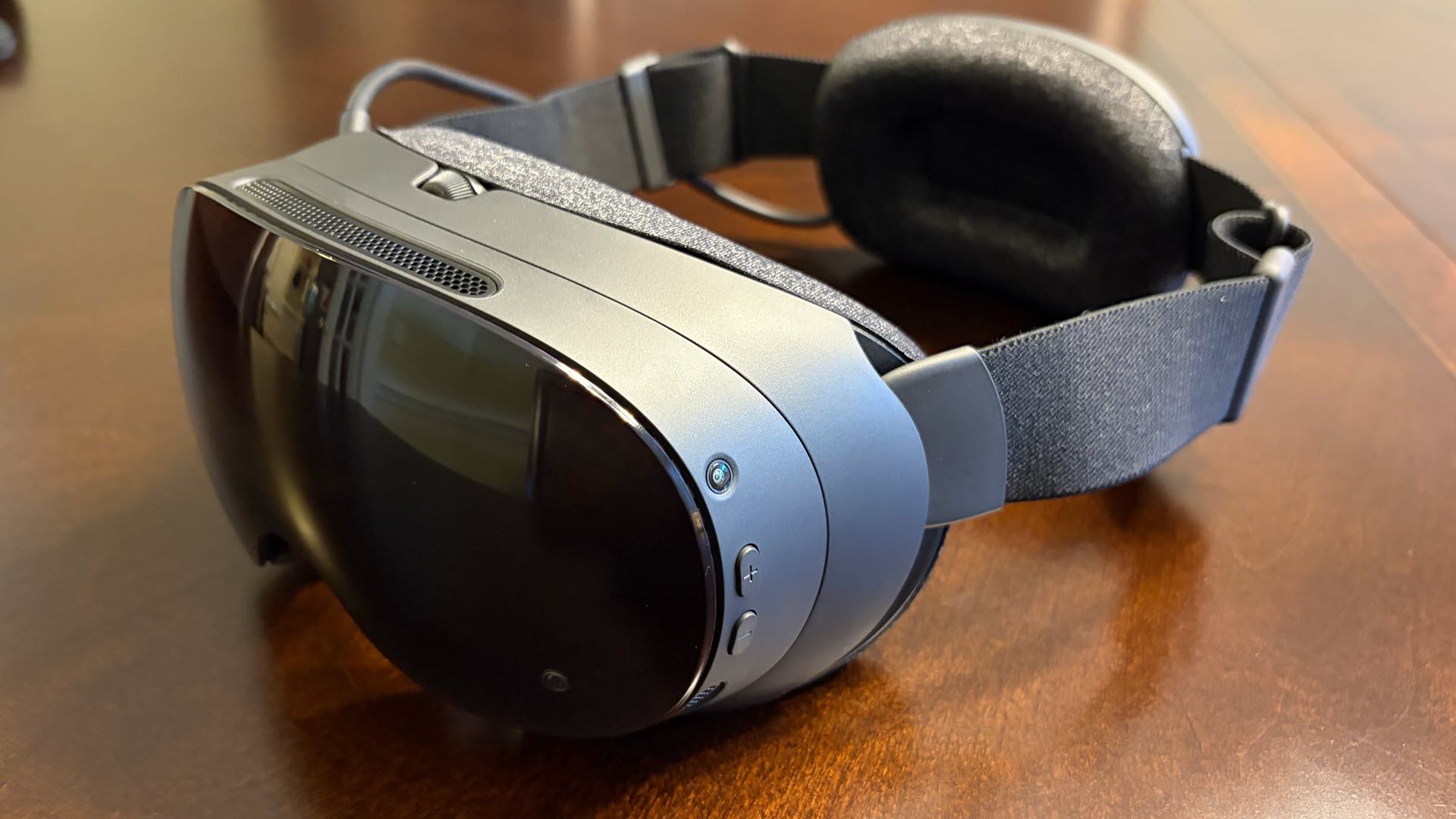
One of the most significant hurdles in modern hardware design is managing the power-to-heat ratio. The Steam Frame utilizes a custom cooling solution that adapts its curve based on whether the device is in standalone or streaming mode. In streaming mode, the CPU/GPU workload is significantly reduced, allowing the device to run nearly silently. In standalone mode, the device ramps up its fans to sustain high clock speeds during graphically intensive titles.
Official Responses: Insights from Valve’s Engineers
In our exclusive interview, Leinbaugh and Griffais addressed the elephant in the room: the price tag. At $1,049, the Steam Frame is positioned as a premium device, a departure from the "budget-friendly" expectations some consumers have developed following the Steam Deck’s release.
On Pricing:
"We aren’t building a commodity box," Griffais noted. "The Steam Frame incorporates high-grade components that ensure longevity and performance parity with mid-to-high-tier gaming PCs. We chose to price it according to the hardware’s capability rather than subsidizing it through future software sales, which gives us the freedom to iterate without the pressure of a race to the bottom."
On Windows vs. Linux:
While Valve has made massive strides in making Windows games compatible with Linux via Proton, the Steam Frame is built to handle both environments. Valve developers confirmed that the device will offer a "dual-boot friendly" architecture, acknowledging that for many, Windows remains a necessity for certain anti-cheat software and productivity tools.
Implications: The Future of PC Gaming
The release of the Steam Frame has profound implications for the gaming ecosystem.
Breaking the Tether
By perfecting the streaming-to-standalone hybrid model, Valve is effectively "untethering" the gamer. Users are no longer forced to choose between the convenience of a console and the power of a PC. The Steam Frame suggests a future where your "Gaming PC" is simply a server in your home, and the Steam Frame is the universal terminal that delivers that power to any screen in the house.
The Competitive Landscape
The Steam Frame puts pressure on both Sony and Microsoft. While those companies are locked into closed ecosystems, Valve is providing a "hardware-agnostic" approach. By supporting the entire Steam library, Valve is leveraging the largest software catalog in the world to entice users who are tired of being locked into specific console generations.
The Risks Ahead
Despite the optimism, challenges remain. The $1,049 price point creates a high barrier to entry. Furthermore, the reliance on high-quality home networking means that the Steam Frame’s streaming performance is only as good as the user’s router. If Valve cannot provide a seamless "out of the box" experience for the average consumer, the device risks being relegated to a niche enthusiast product.
Conclusion
The Steam Frame is a testament to Valve’s "long game." By refusing to succumb to the pressures of quarterly earnings cycles and short-term trends, Valve continues to build hardware that solves specific, albeit complex, user problems.
Whether the Steam Frame will become a household staple or remain a curiosity for the dedicated PC gamer remains to be seen. However, as we look back at the history of the Steam Controller and the Steam Machine, it is clear that even when Valve’s hardware doesn’t capture the mass market immediately, it almost always shifts the industry’s trajectory.
For those interested in the full technical breakdown, the official transcript of our discussion with the Valve team, covering everything from component supply chain management to the intricacies of the new firmware, is available in our full report. As the launch date approaches, all eyes will be on how the market receives this ambitious evolution of the PC gaming experience.

 Sagoh
Sagoh
 Lina Hope