Evan Lee Salim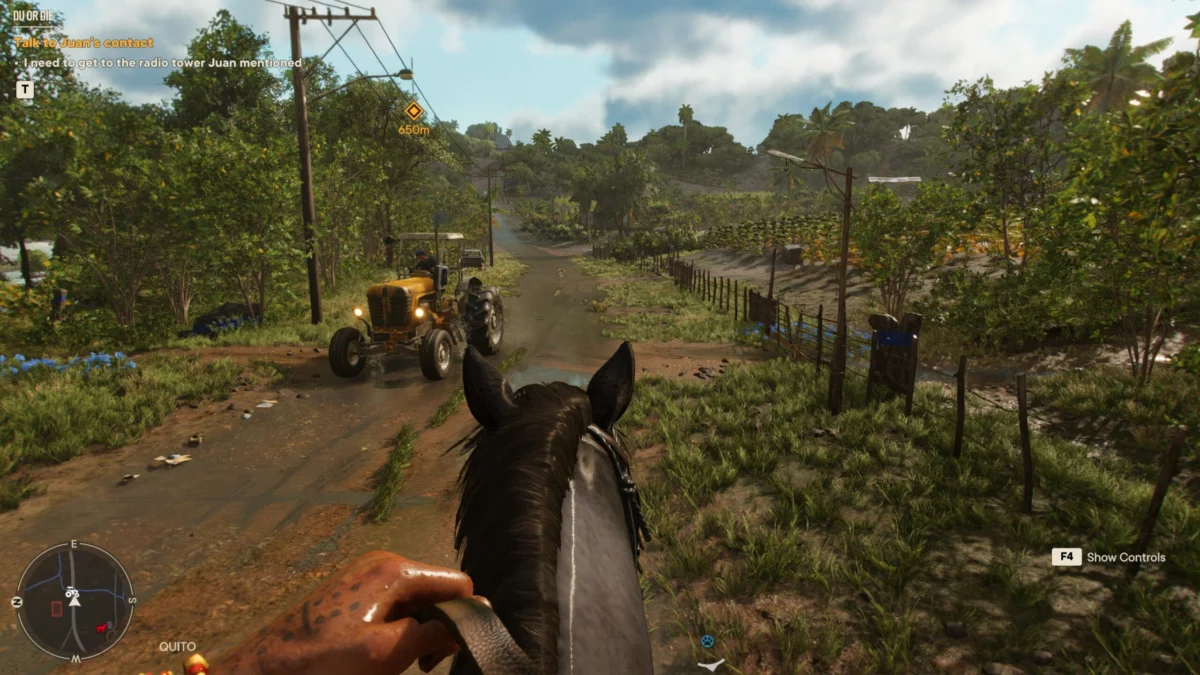
Ubisoft’s Far Cry series has long operated under a familiar, if somewhat predictable, formula: a charismatic villain, a sprawling map littered with checklists, and a sandbox environment designed to facilitate chaotic, emergent gameplay. With the release of Far Cry 6, the franchise returns to this well-worn path. Set on the fictional, sun-drenched Caribbean island of Yara, the game attempts to marry the gritty, revolutionary fervor of a liberation struggle with the series’ hallmark over-the-top, slapstick violence. The result is a title that feels paradoxically better than its predecessor, Far Cry 5, while simultaneously highlighting the growing stagnation of the Ubisoft open-world design philosophy.
The Narrative Framework: Dictatorship and Duty
At the center of Far Cry 6 is Anton Castillo, portrayed with chilling, quiet intensity by veteran actor Giancarlo Esposito. Castillo, the dictator of Yara, serves as the game’s primary antagonist—a man who believes he is "curing" his country through a brutal, totalitarian vision centered around the production of a miraculous, cancer-curing tobacco leaf.
Players step into the boots of Dani Rojas, a former military conscript turned reluctant guerrilla revolutionary. Over the course of a 30-to-50-hour campaign, Rojas must dismantle Castillo’s regime by systematically destabilizing his three provincial lieutenants. The narrative stakes are meant to be high, framing a serious tale of civil uprising, yet the script frequently loses its footing. It fluctuates wildly between somber reflections on the cost of war and nonsensical action tropes that feel disjointed from the game’s more grounded themes. While Esposito delivers a performance that commands every frame he occupies, the surrounding plot is, frankly, a series of forgettable beats that prioritize spectacle over substance.
A Chronology of Guerrilla Warfare
The progression of Far Cry 6 follows a familiar cadence. Players arrive on the shores of Yara with little more than grit and a desire to survive, eventually rising through the ranks of various guerrilla factions. The game’s structure is divided into distinct regional arcs, each culminating in the neutralization of a key Castillo loyalist.
- The Infiltration Phase: Players are introduced to the vastness of Yara. The early hours are defined by learning the "guerrilla" lifestyle—navigating hidden paths, establishing safe houses, and learning the geography of the island.
- The Sabotage Phase: As players move deeper into the provinces, the focus shifts to undermining military infrastructure. This involves the classic Far Cry checklist: capturing road checkpoints, disabling anti-aircraft emplacements to clear the skies for air travel, and hijacking military supply lines.
- The Insurrection Phase: By the final act, the player has united the disparate factions of Yara. The gameplay shifts from minor skirmishes to full-scale assaults on government strongholds, culminating in a final confrontation with the Castillo regime.
Supporting Data: The Mechanics of Chaos
While the mission structure remains largely iterative, Far Cry 6 introduces several new systems that fundamentally alter the player’s relationship with the sandbox.
The Resolver and Supremo Systems
Ubisoft has introduced two experimental combat mechanics: ‘Resolver’ weapons and ‘Supremo’ backpacks. Resolver gear represents the "DIY" spirit of the revolution—improvised weaponry crafted from scrap. While a flamethrower or a nailgun feels at home in the guerrilla aesthetic, the inclusion of CD-firing launchers and spiked metal throwers pushes the game into a realm of cartoonish absurdity that clashes with the island’s otherwise authentic, lived-in environmental design.
Even more controversial is the ‘Supremo’ system. These weaponized backpacks provide "ultimate" abilities, ranging from automated rocket barrages to explosive rings of fire. These tools essentially act as "I-win" buttons, stripping away the tension of tactical decision-making and replacing it with arcade-like power fantasies. For many, these additions feel more aligned with the high-octane loot shooters of the Destiny variety than the grounded, survival-based roots of the Far Cry brand.
Stealth vs. Open Exploration
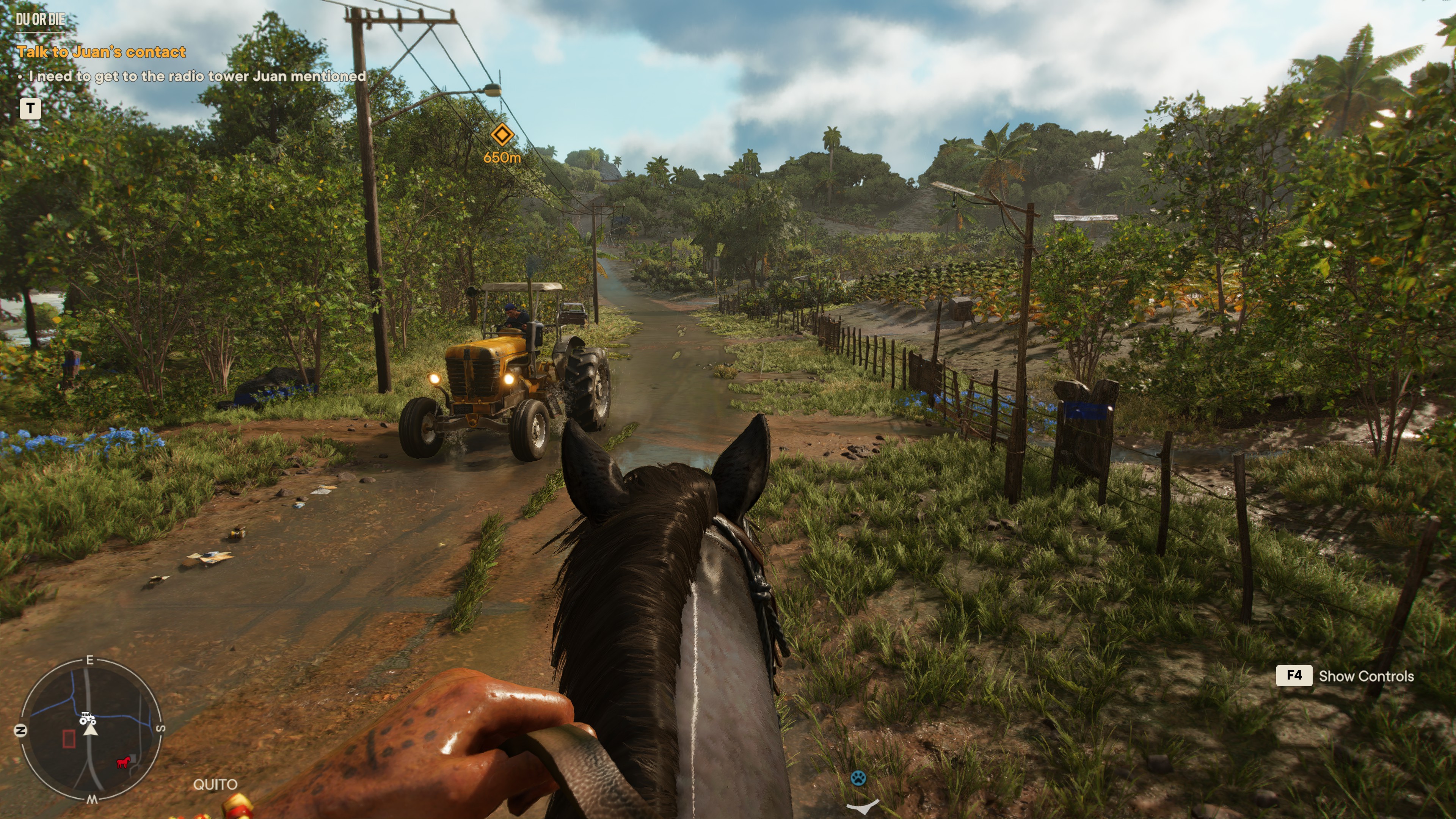
A significant addition to the traversal system is the ability to holster weapons. In previous titles, any armed presence in a controlled zone triggered immediate combat. In Far Cry 6, walking through towns with a holstered sidearm allows players to move freely among enemy guards, provided they don’t draw suspicion. While this creates new tactical opportunities—such as walking right up to a high-ranking target for a point-blank assassination—it also fundamentally breaks the immersion of being a hunted guerrilla fighter hiding in the shadows.
Emergent Systems: The "Magic" of the Sandbox
Despite the criticisms of its design, Far Cry 6 shines when its dynamic systems collide. The game’s AI and environmental physics are sophisticated enough to produce "watercooler moments" that are genuinely memorable. For instance, a simple attempt to sabotage an airstrip can quickly spiral into an aerial dogfight, forcing the player to hijack a fleeing plane and use it as a kinetic projectile against the remaining ground forces.
The animal companion system, particularly the alligator Guapo, adds another layer of unpredictable chaos. In one documented instance, a planned ambush involving Guapo was derailed when wild dogs interfered, causing a guard to panic and run into the road, only to be struck by a passing vehicle. These unscripted, emergent scenarios serve as a reminder of what the series is capable of when the game stops forcing the player through icons and allows the world to breathe.
Official Responses and Industry Context
Ubisoft’s development philosophy for Far Cry 6 appears to be a defensive evolution. In various promotional materials and interviews, the development team has emphasized the "freedom of choice" and the "breadth of the island." By offering an overwhelming number of map icons and crafting resources, the studio has sought to maximize engagement time. However, this has led to a noticeable decline in the series’ focus. The industry trend toward "live-service" elements and endless content bloat is clearly visible here, as the game prioritizes the sheer volume of tasks over the depth of any single mission.
Implications for the Future of the Franchise
The existence of Far Cry 6 raises a critical question: what does the future hold for the series? The game is undoubtedly a technical achievement, featuring a stunning, meticulously detailed map and high-fidelity gunplay that feels better than ever. Yet, it feels increasingly like a product of a checklist.
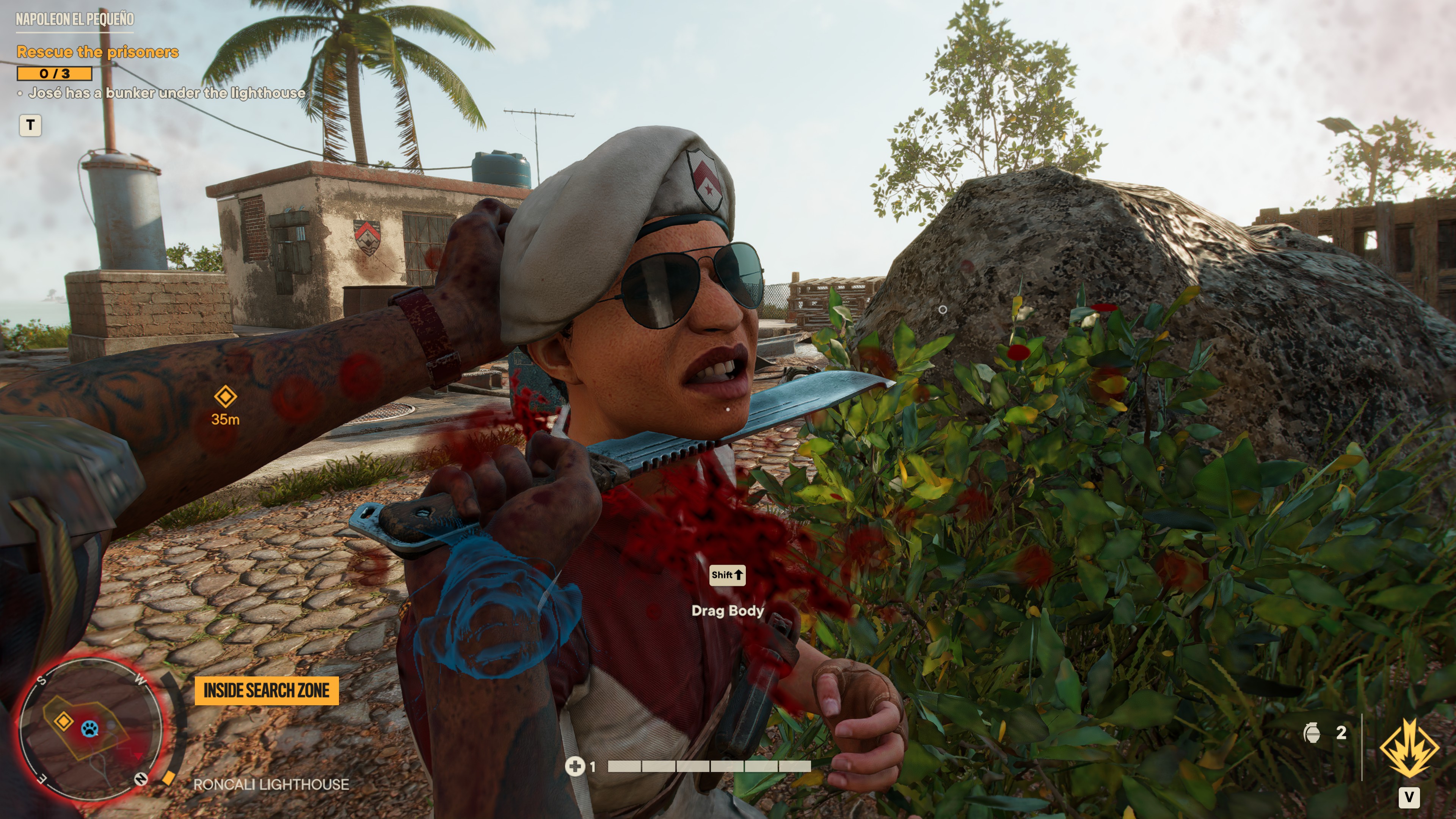
If Far Cry 6 is to be remembered as a high point, it will be due to its performance, not its innovation. The reliance on map icons and a repetitive mission loop suggests that the franchise is caught in a cycle of diminishing returns. Players are becoming fatigued by the "Ubisoft formula," where every game feels like a variation on the same theme.
For the series to evolve, it must move beyond the constraints of its own success. It needs to strip away the clutter, refine the narrative focus, and perhaps abandon the "absurdly large" map concept in favor of a more condensed, high-stakes experience. Far Cry 6 is a competent, often fun game that proves the formula still has legs, but it also signals that those legs are getting tired.
Final Assessment
If one were to choose between Far Cry 5 and Far Cry 6, the latter stands as the more polished, cohesive, and enjoyable experience. It captures the essence of the "guerrilla" struggle well enough to keep players hooked, even when the writing falters or the systems become too silly. It is a game of highs and lows—a beautiful, massive, and occasionally brilliant sandbox that is unfortunately held back by its own commitment to the status quo. Whether or not it will satisfy those looking for a revolution in the series’ design remains to be seen; for now, it remains a high-budget, safe, and undeniably addictive iteration of a familiar legend.


 Reynand Wu
 Siti Muinah