Asep Darmawan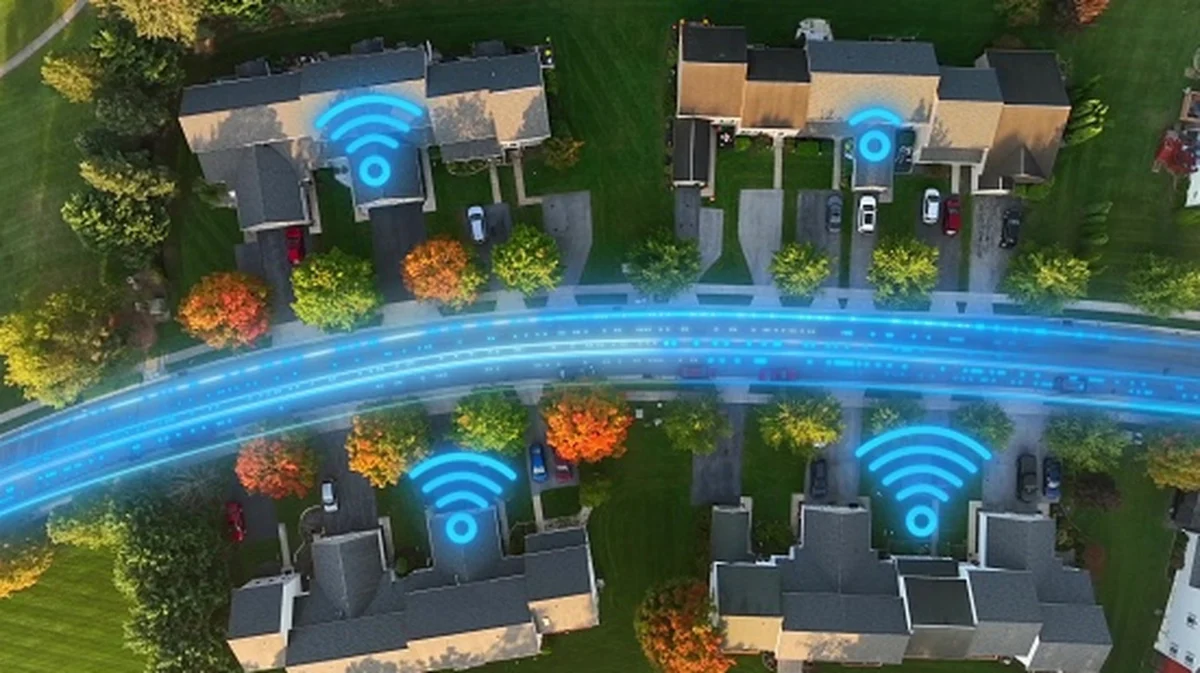
In an era where remote work, 4K streaming, and cloud-based gaming have become cornerstones of daily life, the choice of home internet provider has shifted from a mundane utility decision to a critical infrastructure investment. As consumers face an expanding array of options, the debate between "wired" and "wireless" home internet has intensified. While both technologies aim to deliver high-speed connectivity to your devices, they operate on fundamentally different architectures. Understanding these differences is no longer just for IT professionals; it is essential for any household looking to balance performance, reliability, and cost.
The Core Distinction: Understanding the Delivery Mechanism
It is a common misconception to equate "wireless" internet with Wi-Fi. In the context of home broadband, the distinction lies in the "last mile"—the final leg of the connection that brings the internet from the service provider’s network to your residence.
Wired Internet: The Physical Backbone
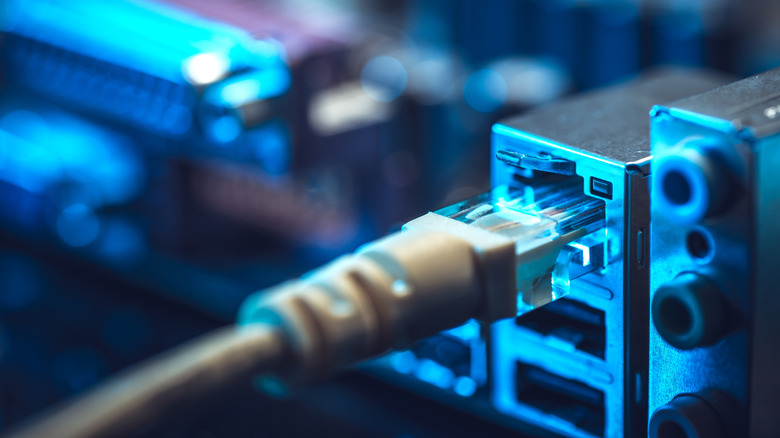
Wired internet relies on a physical medium—a copper wire, a coaxial cable, or a fiber-optic glass strand—that runs directly into your home.
- Fiber-Optic: Currently the gold standard, fiber transmits data via light pulses, offering near-symmetrical speeds and extremely low latency.
- Coaxial Cable: The industry workhorse, utilizing the same lines as cable television to provide high-speed broadband.
- DSL: An aging technology that leverages traditional telephone lines, often serving as a fallback in areas where newer infrastructure has yet to reach.
Fixed Wireless: The Cellular Approach
Fixed wireless home internet, often marketed as 5G or 4G LTE home internet, bypasses the physical line entirely. A gateway device placed inside your home acts like a high-powered smartphone, capturing cellular signals from a nearby tower and converting them into a Wi-Fi or Ethernet signal for your home network. This technology has surged in popularity because it requires no professional installation or drilling into walls, making it a disruptive force in the telecommunications market.
Chronology of Connectivity: From DSL to 5G
The evolution of residential internet has been a decades-long pursuit of bandwidth. In the late 1990s and early 2000s, dial-up gave way to DSL, which provided an "always-on" connection. As demand for media-rich content exploded, coaxial cable providers upgraded their networks to DOCSIS standards, allowing for "broadband" speeds that made streaming possible.
The mid-2010s saw a massive investment in Fiber-to-the-Home (FTTH) infrastructure, led by major carriers aiming to future-proof their offerings. However, the geographic limitations of burying cables proved costly and slow.
By 2020, the rollout of 5G technology changed the narrative. Carriers realized that the massive spectral capacity of 5G towers could be leveraged to offer "fixed wireless" service to homes. This allowed providers like T-Mobile, Verizon, and AT&T to enter the home broadband market without the astronomical expense of digging trenches or laying thousands of miles of fiber, creating the competitive landscape we see today.
Performance Metrics and Supporting Data
According to the latest industry insights, including data from Opensignal’s April 2026 US analysis, the performance gap between wired and wireless is narrowing, though it remains present.
Raw Speed vs. Consistent Quality
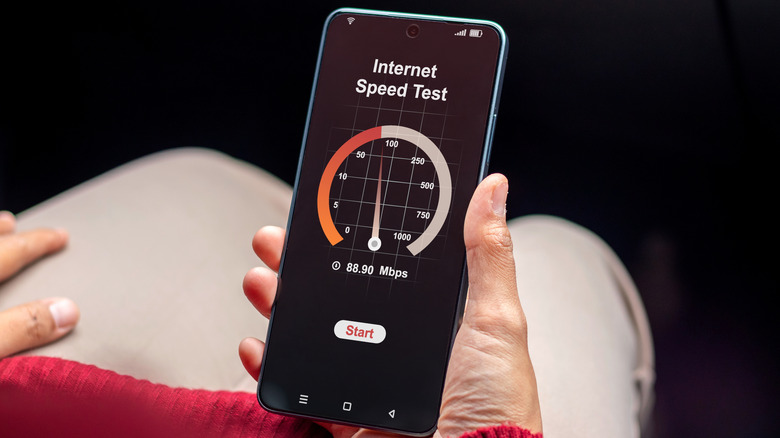
While wired connections—particularly fiber—consistently win in "peak speed" tests, the gap in "consistent quality" is smaller than one might expect. Fixed wireless providers like T-Mobile report typical download speeds between 170 and 354 Mbps, which is more than sufficient for high-definition streaming and video conferencing.
However, the variability of wireless is a significant factor. Because fixed wireless relies on radio waves, performance can be impacted by physical obstructions, distance from the cell tower, and network congestion during peak hours. In contrast, wired connections offer a more "deterministic" experience. Fiber, in particular, maintains its performance regardless of how many neighbors are streaming at once, making it the preferred choice for power users, competitive gamers, and households with multiple heavy-duty users.
The "Speed Ceiling"
Wired broadband has a much higher theoretical ceiling. With the advent of multi-gigabit fiber plans (some reaching 5Gbps or higher), wired technology is prepared for the next generation of internet consumption. Fixed wireless, while fast, is currently constrained by the limitations of the cellular spectrum available in a given area.
Implications for the Modern Consumer
Choosing between these technologies involves weighing several practical factors beyond just the download speed.
Installation and Ease of Use
One of the most compelling arguments for 5G home internet is the "plug-and-play" nature of the service. For renters or those living in buildings where landlords prohibit drilling, fixed wireless is a game-changer. There is no waiting for a technician; you simply receive the gateway, find the optimal window for signal reception, and connect.
Pricing and Contractual Flexibility
Fixed wireless providers have aggressively courted customers by offering no-contract plans, unlimited data, and transparent, "all-in" monthly pricing. This has forced traditional wired providers to rethink their bundling and contract strategies, often leading to better deals for consumers. However, when evaluating a plan, consumers must look beyond the promotional rate and inquire about potential "throttling" during high-traffic periods, a practice that is sometimes more prevalent in wireless plans than in wired ones.
The Role of Internal Networking
Regardless of the delivery method, your home’s internal network remains the final hurdle. A common frustration is blaming the ISP for "slow internet" when the issue is actually a poor Wi-Fi environment. Whether you have 1Gbps fiber or 200Mbps 5G, the performance at the device level is dependent on the router. Investing in a modern mesh Wi-Fi system can mitigate dead zones, effectively "neutralizing" the delivery method difference for average users who rarely saturate their full connection speeds.
Official Guidance and Decision-Making
The FCC National Broadband Map remains the most authoritative resource for determining what is available at a specific address. However, it is important to note that the map reflects reported availability rather than guaranteed performance.
When choosing, consider these three steps:
- Map Your Needs: Do you work from home with massive file uploads? Do you have four people gaming simultaneously? If so, prioritize the reliability of fiber or high-speed cable.
- Verify Local Coverage: If you are leaning toward fixed wireless, ask the provider for a "trial period." Because cellular performance is hyper-local—often changing from one street to the next—a trial is the only way to ensure the signal is robust at your specific location.
- Evaluate Long-term Costs: Check the fine print. Does the price increase after 12 months? Are there hidden equipment fees? Wired providers often offer lower prices when bundled with TV or mobile, while wireless providers typically focus on simplicity and low entry costs.
Conclusion: The "Best" Choice is Context-Dependent
There is no longer a "one-size-fits-all" answer to the internet dilemma. For households in dense urban areas with access to competitive fiber networks, wired remains the superior choice for stability and raw throughput. However, for those in suburban or rural environments where fiber is absent, or for those who prioritize ease of setup and contract-free flexibility, 5G home internet has matured into a powerful, viable alternative.
As technology continues to advance, the distinction between the two will likely continue to blur. Until then, the discerning consumer should treat their internet provider like any other utility: verify the infrastructure available at their address, test the stability of the signal, and choose the service that aligns with the digital demands of their household. Whether the data arrives via a glass thread in the ground or a beam from a nearby tower, the goal remains the same: a seamless, uninterrupted digital life.

 Nana Muazin
 Siti Muinah