


The professional wrestling industry has long existed in a state of perpetual paradox—a world where scripted narratives often bleed into authentic, high-stakes reality. For six seasons, Vice TV’s Dark Side of the Ring has acted as the medium’s most unflinching investigative lens, peeling back the layers of a subculture defined by its tragic icons, internal volatility, and surreal showmanship. As the series approaches the summer of 2026, it is preparing for its most expansive project to date: a seventh season that promises to reshape the historical narrative of one of the sport’s most polarizing organizations, Total Nonstop Action (TNA) Wrestling.
Main Facts: A Three-Part Deep Dive into TNA
The cornerstone of the upcoming season is an unprecedented three-hour, three-part documentary arc dedicated to the chaotic rise, tumultuous fall, and improbable survival of TNA. Launched in the wake of the World Championship Wrestling (WCW) collapse, TNA was envisioned by its co-founders, Jeff and Jerry Jarrett, as a legitimate alternative to the monolithic WWE machine.
Vice TV has confirmed that the premiere event, scheduled for July 7, 2026, will kick off with a two-hour block covering the first two parts of this trilogy. The final installment is slated to air on July 14, setting the stage for a season that pivots from a singular focus to the broader exploration of wrestling’s most enigmatic figures. Unlike previous seasons, which often utilized a "case-of-the-week" format, this year’s structure signals a shift toward serialized, long-form journalism, allowing the producers to map the complex genealogy of a company that defied bankruptcy repeatedly.
Chronology: From the Asylum to the Global Stage
To understand the gravity of this upcoming retrospective, one must look at the timeline of TNA, an organization that effectively served as the "wild west" of early 2000s wrestling.
The Asylum Years (2002–2004)
The series is expected to heavily document the "Asylum" era, where TNA operated out of the Tennessee State Fairgrounds. It was a time defined by desperation, innovation, and a DIY ethos. It was here that Jeff Jarrett, struggling to find his footing after the demise of his WCW tenure, sought to prove that a mid-tier promotion could thrive on pure, athletic creativity.

The Panda Energy Era (2004–2010)
The narrative arc will then transition into the massive financial injection provided by Panda Energy. This period marked a shift from a scrappy underdog to a corporate-backed entity with genuine aspirations of challenging the status quo. It was an era characterized by the arrival of industry giants like Hulk Hogan and Eric Bischoff, whose influence—and perceived interference—remains a subject of intense debate among wrestling purists.
The Russo Conflict and Creative Flux (2010–2015)
A central pillar of the documentary will be the tenure of Vince Russo as the head of creative. For many fans and critics, Russo represents the "dark side" of TNA’s creative direction, often cited as the catalyst for the company’s tonal inconsistency. The documentary promises to pull no punches regarding how these booking decisions impacted the morale of the locker room and the eventual decline of the product’s mainstream relevance.
Supporting Data: Voices from the Inner Circle
A documentary is only as strong as its subjects, and Dark Side of the Ring has secured a formidable lineup of witnesses to testify to the TNA experience.
- Jeff Jarrett: The co-founder remains the focal point, with producers promising a narrative that explores his personal journey toward "redemption and rebuilding." This suggests the show will not merely focus on the business failures but on the toll that the promotion’s survival took on the Jarrett family.
- Vince Russo: Often painted as the antagonist of the TNA story, Russo’s inclusion provides the necessary friction to balance the narrative. His participation is expected to offer a defense of his controversial "crash TV" booking philosophy.
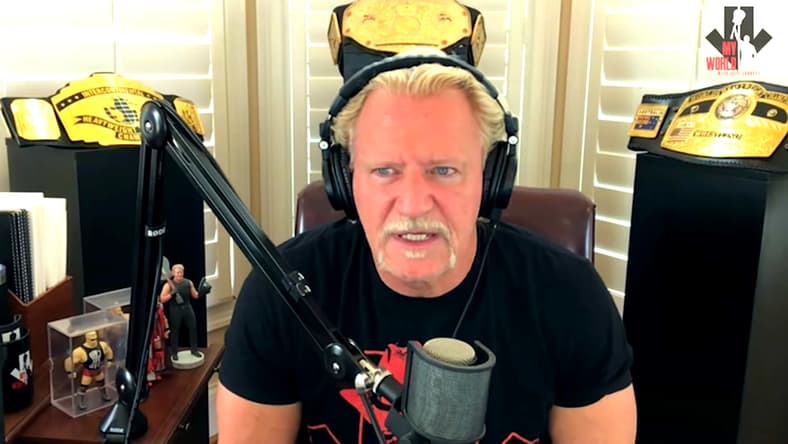
- Jim Cornette: As a long-standing critic of the modern wrestling landscape and a historical purist, Cornette’s insights into the tactical errors of the TNA front office will likely provide the documentary with its most scathing analytical moments.
- Matt and Jeff Hardy: Representing the talent perspective, the Hardys—who had multiple stints with the promotion—are expected to recount the logistical and emotional instability that defined working for the company during its peaks and valleys.
Notably absent from the roster of interviewees is former TNA President Dixie Carter. Reports indicate that despite multiple invitations from the production team, Carter has declined to participate, leaving a significant void in the narrative. Her absence adds a layer of mystery to the production, as her tenure remains one of the most debated chapters in the history of the promotion.
Official Responses and Production Intent
Vice TV has framed this season as a "visceral reminder" of the complexities inherent in the wrestling business. By dedicating three hours to a single entity, the producers are signaling a departure from the "tabloid" style of early episodes toward a more academic, historical approach.
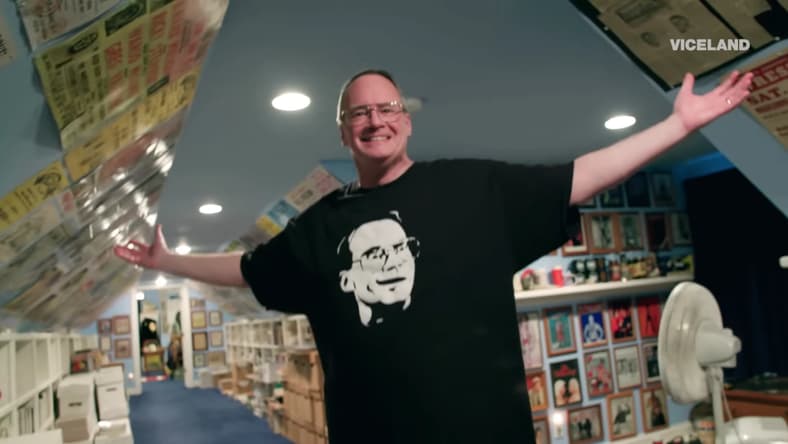
In a recent press statement, the show’s creators emphasized that the goal is to provide a "granular" look at the machinery behind the curtain. The inclusion of archival footage—specifically referencing material found in collections like those of Jim Cornette—suggests that the visual storytelling will be as robust as the interview content. This is not just a retelling of old feuds; it is an autopsy of a business model that lived on the edge of collapse for over a decade.
Implications: Why the TNA Story Still Matters
The decision to dedicate so much time to TNA is not merely for the sake of nostalgia. It serves as a case study in the difficulties of sustaining a wrestling promotion in a landscape dominated by a singular giant.
The Legacy of the "Alternative"
For many viewers, TNA represented the last true hope for a viable alternative to the WWE before the rise of modern competitors like AEW. By analyzing why TNA succeeded in creating a loyal fan base but failed to cement its long-term financial viability, the documentary will likely touch on broader industry issues: the power of corporate investment versus creative autonomy, the dangers of celebrity management, and the fragility of the talent-management contract.
Shifting the Narrative
The "redemption" narrative surrounding Jeff Jarrett is particularly compelling. By focusing on the personal stakes for the man who co-founded the company, the series moves away from purely objective, historical reporting into the subjective, human-interest territory that Dark Side of the Ring has mastered. This humanization of the executives is a notable shift, suggesting that the audience will be invited to view TNA not just as a failing brand, but as a project born of passion that simply lost its way.
The Future of the Docuseries
With the seventh season, Dark Side of the Ring is cementing its status as the definitive chronicler of professional wrestling’s history. By taking on a subject as sprawling and controversial as TNA, the show is proving that it has no intention of slowing down. As the landscape of wrestling continues to evolve, the demand for this kind of rigorous, unfiltered historical examination only grows.
Conclusion: Looking Ahead
As the premiere date of July 7 approaches, the wrestling community is braced for a summer of reflection. The three-part TNA trilogy is poised to be the most significant piece of media regarding the promotion to date. For those who grew up watching the "Asylum" days, or for the newer generation of fans who only know TNA through its modern incarnation, this season offers a chance to reconcile the legend with the reality.
Ultimately, Dark Side of the Ring reminds us that the squared circle is more than a stage; it is a repository of human ambition, hubris, and history. Whether the documentary succeeds in "clearing the air" for the figures involved remains to be seen, but one thing is certain: the industry will be watching closely, ready to confront the ghosts of its own past.










No comments yet. Be the first to join the conversation!