

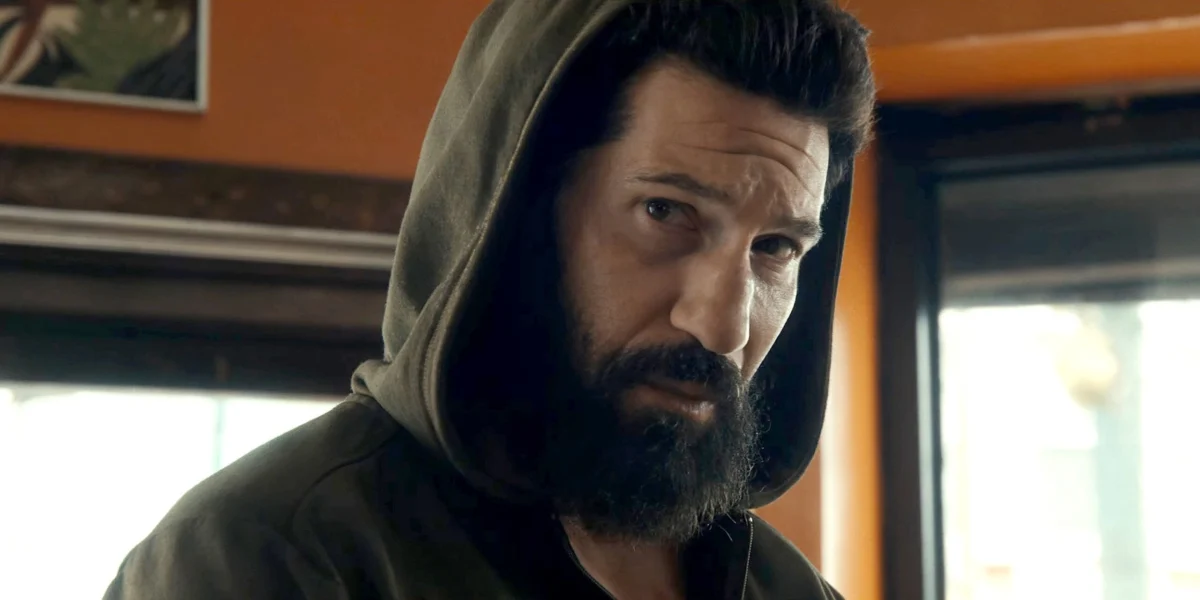
In the expansive landscape of the Marvel Cinematic Universe (MCU), fans have long sought to identify which legendary figure mirrors their own personal moral compass, tactical instincts, and emotional resilience. Whether it is the unwavering integrity of Captain America or the technological brilliance of Iron Man, these icons represent more than just cinematic spectacles—they represent distinct archetypes of heroism.
This deep-dive analysis serves as both a psychological breakdown of the MCU’s core defenders and a comprehensive exploration of the values that define their paths. By examining the fundamental motivations behind heroes like Spider-Man, Daredevil, Iron Man, The Punisher, Thor, and Captain America, we can better understand the "fighting spirit" that resonates with audiences globally.
The Philosophy of the Modern Hero: Main Facts
At the heart of the MCU lies a complex spectrum of heroism. Unlike traditional archetypes where morality is black and white, the MCU heroes are defined by their flaws and the specific, often tragic, circumstances that force them into action.
The core of this analysis rests on a ten-question psychological evaluation that strips away the capes and the armor to reveal the human (or Asgardian) core. The primary thesis of this assessment is that heroism is not defined by power, but by the resolution of inner conflict.
For instance, Peter Parker’s journey is defined by the tension between adolescence and the heavy mantle of "great power, great responsibility." Conversely, Frank Castle (The Punisher) represents the antithesis of the traditional superhero, operating in the gray areas of vengeance where the legal system has failed. Understanding these distinctions allows fans to map their own decision-making processes onto these fictional counterparts.
Chronology of Character Evolution: How the Heroes Were Forged
The development of these icons did not happen in a vacuum. Their current states are the result of years of narrative progression:
- Captain America (Steve Rogers): Born in the era of World War II, his foundation is built on absolute decency and a refusal to back down from bullies. His journey represents the struggle of an individual holding onto objective moral truths in a shifting, subjective world.
- Iron Man (Tony Stark): Beginning as an ego-driven industrialist, his arc is one of the most significant in cinema. Through the trauma of his capture and the burden of his legacy, he transitioned from a man obsessed with his own survival to one willing to sacrifice everything to protect the future.
- Thor (Odinson): Thor’s arc moves from entitled prince to humble warrior. His journey is one of "worthiness"—learning that power is useless without the wisdom and empathy to wield it correctly.
- Spider-Man (Peter Parker): Representing the "everyman," his story is a perpetual balancing act. He is the bridge between the extraordinary world of the Avengers and the mundane struggles of a teenager working to keep his neighborhood safe.
- Daredevil (Matt Murdock): Operating in the gritty streets of Hell’s Kitchen, Murdock represents the intersection of faith and law. His struggle is constant: how to balance the rigid rules of the courtroom with the necessary, violent intervention required to protect the innocent.
- The Punisher (Frank Castle): A cautionary tale of loss. Castle is the endpoint of a hero who has lost their support system. He serves as a mirror, showing what happens when a sense of duty is stripped of all hope and replaced by a cold, singular focus on retribution.
Supporting Data: The Pillars of Personality
When analyzing these characters, we find six distinct pillars of motivation. These traits are what users identify with when they undergo a personality assessment:
1. The Burden of Responsibility (Spider-Man)
This archetype thrives on the belief that one’s gifts are not for personal gain. It is characterized by high empathy and a self-sacrificing nature. People who align here often feel the weight of their social circles and are the "glue" that holds their community together.
2. The Moral Compass (Daredevil)
This archetype is defined by a rigid, often painful, commitment to justice. These individuals are often introspective, quiet, and observant. They are willing to stand in the dark to ensure that others can live in the light.
3. The Innovator’s Ego (Iron Man)
Those who align with Iron Man are often visionary, tech-forward, and deeply pragmatic. They are the "fixers" who prefer to solve problems through intellect and resources rather than force, though they carry a deep, often hidden, sense of guilt regarding their impact on the world.
4. The Vengeful Guardian (The Punisher)
This is for the individual who has faced immense personal loss and come out the other side changed. It is not necessarily a "dark" archetype, but a "hardened" one. It prioritizes results over process and believes that sometimes, the system requires a catalyst to achieve true justice.
5. The Warrior of Honor (Thor)
Alignment with Thor suggests a focus on legacy, tradition, and the pursuit of excellence. It is the archetype of the leader who leads by example, valuing strength and bravery, but constantly questioning if they are "worthy" of the path they have chosen.
6. The Stalwart Defender (Captain America)
This is the archetype of the unwavering optimist. Even when the world feels broken, the Captain America personality type believes in the possibility of redemption and the importance of standing one’s ground. They are the backbone of any team.
Official Responses and Narrative Implications
Marvel Studios executives and creators have often noted that the enduring success of the MCU is rooted in the "humanity" of these characters. Kevin Feige and his team of writers intentionally built these heroes to be flawed, ensuring that audiences wouldn’t just admire them, but relate to them.
The implication for the viewer is significant. By identifying with a specific hero, fans are effectively identifying their own core coping mechanisms.
- If you chose Iron Man: You likely prioritize solutions and intellectual autonomy.
- If you chose Captain America: You likely value community and long-term principles over short-term gain.
- If you chose The Punisher: You likely have a low tolerance for bureaucratic incompetence and prefer direct action.
The data suggests that these preferences shift over time. A viewer might identify with the reckless, ego-driven Iron Man in their youth, only to find themselves resonating with the stoic, duty-bound Captain America as they mature and take on more responsibilities in their professional and personal lives.
The Strategic Importance of the Mask
A critical component of this personality study is the concept of the "Secret Identity." The quiz highlights that how a hero handles their public vs. private persona is a major indicator of their psychological makeup.
For the Iron Man type, transparency is a weapon—a way to control the narrative. For the Spider-Man or Daredevil type, the mask is a sanctuary, a necessary barrier between their public responsibilities and the private toll their heroism takes on their loved ones. Those who choose these characters often value privacy, boundaries, and the protection of their inner circle.
Final Assessment: What Your Choice Reveals
In the final analysis, the hero you resonate with is a reflection of how you view the "lost battle."
When everything is at its worst—outnumbered, outgunned, and exhausted—what do you do?
- Do you look for the clever solution (Iron Man)?
- Do you rely on your physical and spiritual endurance (Thor)?
- Do you simply refuse to quit, standing until the very end (Captain America)?
- Do you find a way to make the best of a bad situation with humor and adaptability (Spider-Man)?
The answers to these questions define your "fighting spirit." As the MCU continues to evolve and introduce new faces, the core archetypes remain constant. These characters serve as a mirror, helping us navigate our own challenges, whether we are facing a cosmic threat or simply the pressures of modern life.
Ultimately, identifying your hero isn’t just about finding a favorite character—it is about recognizing the values that drive you to wake up, stand up, and fight for what you believe is right, day after day.









No comments yet. Be the first to join the conversation!