

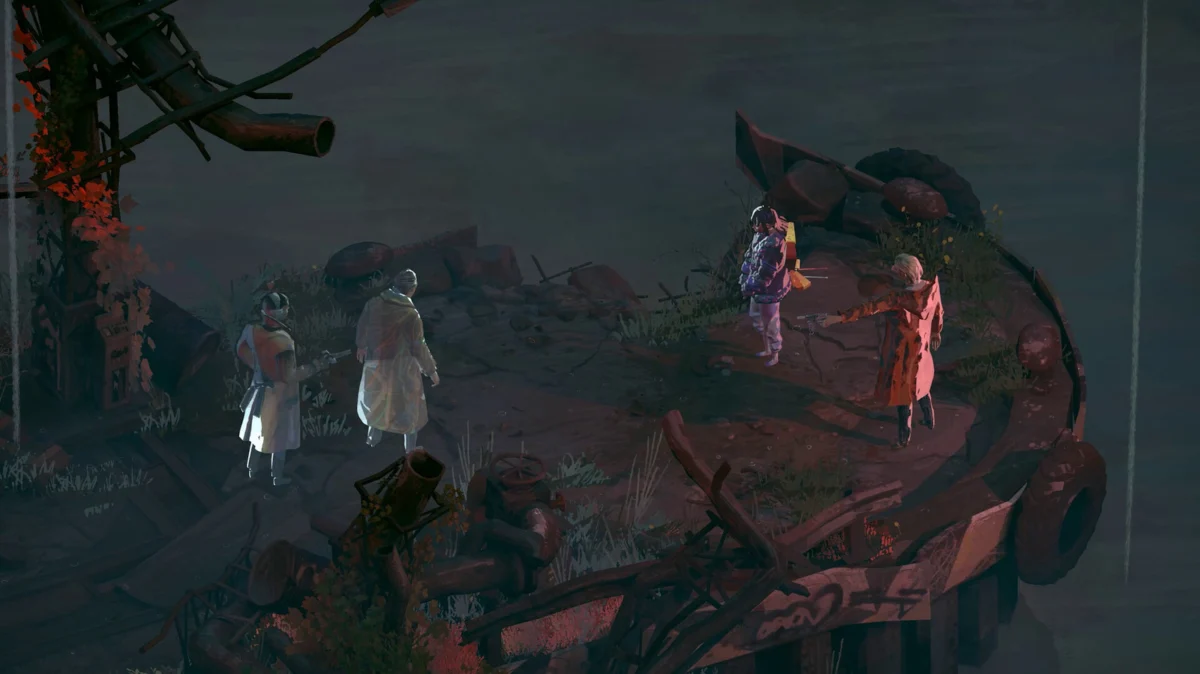
The landscape of the contemporary video game industry remains in a state of volatile contraction, with yet another prominent studio falling victim to the ongoing wave of workforce reductions. ZA/UM Studio, the developer and publisher behind the critically acclaimed cult phenomenon Disco Elysium, has officially announced a significant reduction in its workforce. In a statement released via social media, the studio confirmed that it has issued redundancy or "at-risk" notices impacting up to 32 employees across all departments.
This latest development marks a somber chapter for a company that was once heralded as the vanguard of narrative-driven role-playing games. The decision follows the underwhelming commercial performance of the studio’s most recent title, Zero Parades: For Dead Spies, which failed to meet the revenue benchmarks required to maintain the studio’s current operational scale.
The Anatomy of the Announcement: Current Facts
The announcement, posted on the decentralized social platform Bluesky, was direct yet heavy with the implications of systemic failure. ZA/UM confirmed that the layoffs would affect approximately 32 staff members, a figure that represents a substantial portion of their total workforce. The studio stated: "We have served redundancy or at-risk notices impacting up to 32 of our colleagues across all departments at ZA/UM Studio."
The primary catalyst for this decision, according to the studio’s leadership, is the economic reality of the modern gaming market. Zero Parades: For Dead Spies, which was released in May of this year, did not achieve the commercial penetration necessary to sustain the studio’s headcount. While the game initially garnered interest within niche circles, it failed to capture the broader, sustained audience necessary to generate long-term financial stability.
Chronology of a Studio in Flux
To understand the current state of ZA/UM, one must examine the tumultuous history that has defined the studio since the release of Disco Elysium in 2019.
The Peak and the Pivot (2019–2021)
Following the release of Disco Elysium, ZA/UM was widely regarded as one of the most exciting new voices in the industry. The game’s dense, philosophical, and politically charged narrative set a new watermark for RPGs. However, behind the scenes, the studio was reportedly plagued by internal strife.
The Great Exodus (2022–2023)
The studio’s public image began to fracture in 2022. Reports emerged detailing the departure of several key members of the Disco Elysium core creative team, including lead designer Robert Kurvitz and art director Aleksander Rostov. These departures were not amicable; they were framed by lawsuits, accusations of intellectual property theft, and claims of a hostile work environment. These events signaled a profound shift in the studio’s identity, as the original visionaries were effectively purged from the entity that owned their creation.
The Aftermath and New Beginnings (2024)
As the original team splintered, many of those veterans eventually migrated to a new studio called Longdue. This splinter group has already begun development on a "narrative-first" RPG, effectively positioning themselves as the spiritual successors to the Disco Elysium lineage. Meanwhile, ZA/UM attempted to pivot toward its next project, Zero Parades: For Dead Spies, which ultimately failed to replicate the prestige or profitability of its predecessor.
Supporting Data: The Commercial Struggle
The metrics surrounding Zero Parades: For Dead Spies provide a clear picture of why the studio’s financial outlook deteriorated so rapidly. According to data provided by SteamDB, the game struggled to find a foothold in an oversaturated market.
At its peak shortly after its May launch, the espionage-themed RPG reached a concurrent player count of just 3,177. While such figures might be considered a success for a small indie team, they are insufficient to support a studio of ZA/UM’s size and overhead. Following the initial release window, the player count experienced a consistent and precipitous decline.
In the modern gaming industry, games are often expected to provide long-tail revenue through live-service elements or consistent player engagement. When a single-player, narrative-heavy title fails to maintain momentum, the financial pressure on the publisher becomes immediate. The "commercial performance" mentioned by ZA/UM is a symptom of a broader industry trend where mid-tier studios are finding it increasingly difficult to survive on the "prestige" of a previous hit without the backing of massive publishing budgets or a consistent, scalable revenue model.
Official Responses and Internal Consultations
In the wake of the layoff announcement, ZA/UM has emphasized that it is not acting in a vacuum regarding its remaining workforce. The studio confirmed that it is "continuing to consult and work with representatives of the ZA/UM Workers’ Alliance."
This acknowledgment of the labor union is significant. In recent years, the video game industry has seen a massive surge in collective bargaining efforts as developers push back against the "crunch" culture and sudden, mass layoffs that have defined the post-pandemic era. By involving the Workers’ Alliance in the redundancy process, ZA/UM appears to be attempting to navigate the legal and ethical minefields of these layoffs with a higher degree of transparency than many of its competitors, who often execute layoffs with little warning or negotiation.
However, for the 32 employees facing redundancy, the inclusion of union representatives offers little comfort regarding the loss of their livelihoods. The mood among the community and former employees remains largely critical of the studio’s management, citing the aforementioned loss of the original creative team as the true "death knell" for the studio’s cultural relevance.
Implications for the Future of the Industry
The crisis at ZA/UM is a microcosm of the "Great Correction" occurring across the entire gaming sector.
1. The Death of the "Prestige" Mid-Tier Studio
The industry is becoming increasingly bifurcated. At one end are the massive AAA titles with budgets exceeding hundreds of millions of dollars; at the other are the micro-indie developers working on tiny, low-risk projects. The "prestige" studio—the middle ground where developers had enough resources to take creative risks but were still subject to corporate oversight—is becoming an endangered species.
2. The Legacy of Intellectual Property
The situation at ZA/UM raises profound questions about intellectual property. When the creators of a work are forced out of the company they built, and the company subsequently fails to replicate their creative success, the industry is forced to reckon with the value of human talent versus brand equity. The success of Longdue will be an important test case to see if fans will follow the creators rather than the corporate banner.
3. Sustainability and Scale
ZA/UM’s admission that its size was no longer sustainable reflects a wider trend of "right-sizing." Many studios expanded rapidly during the 2020–2022 period, assuming that the gaming boom would continue indefinitely. Now, with the market cooling and consumer spending tightening, studios are being forced to prune their staff to avoid total bankruptcy.
4. The Erosion of Corporate Culture
Perhaps the most damaging aspect of the ZA/UM saga is the erosion of trust. The lawsuits, the internal power struggles, and the subsequent layoffs have left the studio in a position where it is difficult to attract the same level of top-tier talent that created Disco Elysium. A studio is only as strong as its creative vision, and when that vision is compromised by litigation and administrative turnover, the market inevitably reacts.
Conclusion
The announcement from ZA/UM Studio is a sobering reminder that even the most celebrated names in gaming are not immune to the harsh realities of the market. As the studio enters a period of intense restructuring, the focus will inevitably shift toward how they plan to support their remaining staff and whether they can ever regain the creative zenith they occupied in 2019.
For the 32 employees impacted, the industry offers little immediate solace. Yet, their experience is reflective of a wider, systemic shift in how games are developed, funded, and valued. As the dust settles, the story of ZA/UM will likely be studied as a cautionary tale: a study in how intellectual property, corporate governance, and commercial pressure can conspire to dismantle even the most promising of creative endeavors. The future of narrative-driven gaming remains bright, but the path to sustaining the teams that build these worlds has never been more perilous.











