In a move that signals a significant realignment of its North American operations, Samsung Electronics America (SEA) has initiated a substantial reduction in its workforce as part of a broader corporate migration. The tech giant is currently transitioning its U.S. consumer electronics headquarters from the long-standing hub in Englewood Cliffs, New Jersey, to Texas. This organizational shift, while framed by the company as an effort to foster operational synergy, has resulted in the loss of hundreds of jobs and created an atmosphere of uncertainty among the remaining staff.
The Scope of the Reduction: By the Numbers
The scale of the restructuring is starkly illustrated by recent Worker Adjustment and Retraining Notification (WARN) filings. According to reports, Samsung has filed notices indicating the termination of 739 roles at its Englewood Cliffs campus. Simultaneously, reports from the company’s Plano, Texas, site—which already serves as a mobile division hub—suggest that approximately 100 additional employees have been let go.
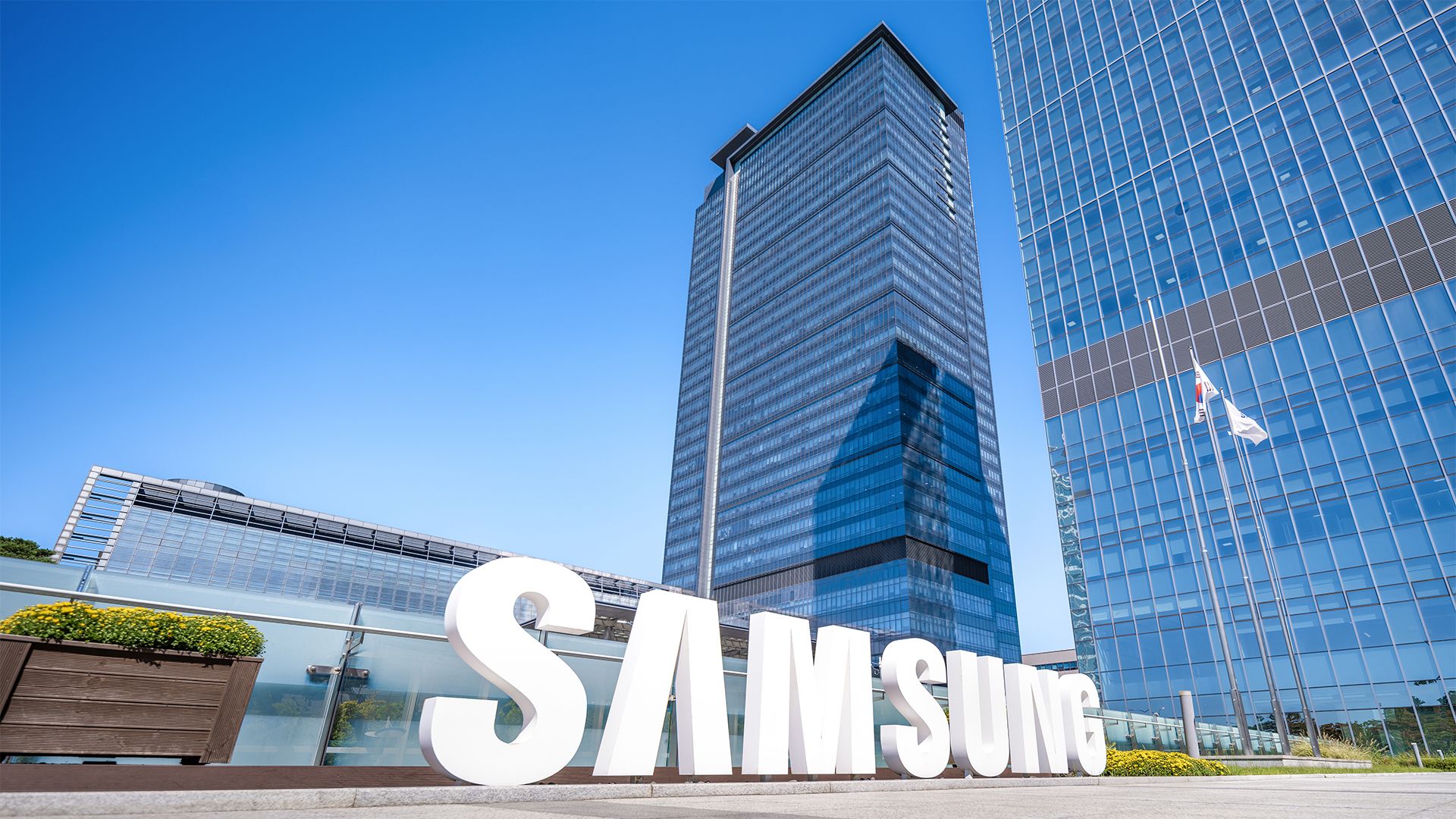
The Englewood Cliffs facility, which only opened its doors in September 2025 to replace the company’s former Ridgefield Park headquarters, is now the primary site of this downsizing. With approximately 1,200 employees stationed at the New Jersey location, the WARN notice covers more than 60% of the workforce. This sudden contraction, occurring less than a year after the opening of a new, modernized campus, highlights the volatile nature of the current economic environment for consumer-facing tech giants.
A Chronology of the Transition
To understand the gravity of the current situation, one must look at the timeline of Samsung’s shifting U.S. footprint:
- 1992 – 2025: Samsung maintained its North American presence primarily through its Ridgefield Park, New Jersey headquarters, serving as the nerve center for its U.S. sales and marketing efforts.
- September 2025: Samsung officially inaugurated the new Englewood Cliffs campus, signaling a commitment to the region.
- June 30, 2026: Internal documents reveal that employees were notified of an "enterprise-wide reduction in force," marking the beginning of the current layoffs.
- July 2026: Official WARN filings confirm the termination of 739 employees in New Jersey, while reports emerge regarding additional layoffs in Texas.
- End of 2026 (Projected): The company expects to complete the transition of its core consumer electronics administrative functions to Texas, aligning them with their established semiconductor and manufacturing operations.
The Diverging Fortunes of Samsung’s Divisions
The restructuring is not happening in a vacuum. It reflects a widening chasm between the performance of Samsung’s semiconductor division and its consumer products unit.
The Semiconductor Boom
Samsung’s chip division has been nothing short of a financial powerhouse. In the second quarter of 2026, the division recorded a staggering $58.5 billion in operating profit—a 19-fold increase compared to the previous year. This performance has effectively allowed the chip business to outperform Nvidia’s most recent quarterly results, positioning Samsung to potentially exceed its entire 40-year semiconductor earnings history within the 2026 calendar year.
The Consumer Electronics Struggle
Conversely, the mobile and consumer electronics divisions are facing an uphill battle. The division is currently projected to report its first-ever quarterly loss. This is largely attributed to a "double squeeze": intense competition from Apple in the premium smartphone market and the internal cost of memory components. Because Samsung’s own chip division has raised DRAM contract prices by as much as 63% in the second quarter, the mobile unit is facing drastically higher bill-of-materials costs. To compensate, the company has been forced to raise handset prices, which in turn risks cooling consumer demand as users hit their own affordability limits.
Official Corporate Response
Samsung has maintained that the relocation to Texas is a strategic necessity rather than a sign of a global decline. In a formal statement released on Sunday, the company noted that the consolidation is intended to "foster stronger collaboration and optimize the organization."
Management has explicitly stated that there is no broad global restructuring currently underway within the consumer products business. By moving the consumer electronics headquarters to Texas, Samsung aims to bring its sales and marketing teams into closer proximity with its massive manufacturing and R&D footprint, which already includes two operational fabs in Austin and a major facility under construction in Taylor, Texas.
Employee Sentiment and Internal Uncertainty
Despite the official narrative of "optimization," morale within the organization remains fragile. Current employees, speaking on condition of anonymity, have expressed concerns that these layoffs may only be the beginning. There is a prevailing fear that further consolidation is imminent, specifically regarding the potential merging of the appliance, home entertainment, and mobile divisions.
For the employees in New Jersey, the situation has been particularly taxing. While Samsung has stated that a majority of the affected staff were offered relocation packages to Texas, the reality of uprooting families to a new state—often with little notice—has meant that many have opted for severance instead. The loss of institutional knowledge, especially following the recent move to the new Englewood Cliffs campus, could pose long-term challenges for the company’s North American operations.
Broader Economic and Industry Implications
The ripples of this decision extend beyond the immediate layoffs. Samsung’s shift is emblematic of a broader trend in the tech industry: the prioritization of high-margin infrastructure and hardware components over volatile consumer-facing sales.
The "Texas Hub" Strategy
By concentrating its U.S. presence in Texas, Samsung is creating a "super-campus" environment. This allows for tighter integration between chip design, component manufacturing, and final device assembly. As AI demand continues to drive the necessity for localized, high-performance computing, having all arms of the business in the same region may offer long-term logistical advantages.
The IT Services Fallout
The consumer electronics layoffs are also occurring alongside reductions in other arms of the company. Samsung SDS America, the company’s IT services affiliate, issued a separate notice in June warning that 179 roles could be cut at its own New Jersey site. This suggests that the cost-cutting measures are indeed broad, affecting administrative and service-oriented roles as the company attempts to lean out its North American workforce.
Market Stability and Future Outlook
The question remains whether this restructuring will be sufficient to stabilize the mobile division. With memory prices expected to remain high through the third quarter of 2026 due to AI-driven demand, the pressure on consumer product margins will not vanish overnight. If the mobile division fails to return to profitability by the end of the year, industry analysts suggest that Samsung may face pressure from investors to initiate further, more aggressive structural changes.
Conclusion: A New Era for Samsung U.S.
Samsung’s decision to move its headquarters and significantly reduce its headcount in New Jersey represents a definitive end to an era. As the company pivots toward a future dominated by the astronomical growth of its semiconductor business, the consumer electronics arm is being forced to adapt to a leaner, more centralized reality.
For the 739 employees in Englewood Cliffs and those affected in Plano, this transition represents a personal and professional crossroads. For the company, it is a high-stakes gamble on efficiency. Whether this move toward "stronger collaboration" will pay off in a competitive and increasingly expensive market remains to be seen. As the 2026 fiscal year progresses, all eyes will be on how effectively Samsung can manage its domestic operations while navigating the complex, often contradictory, pressures of the global semiconductor market.