Nila Kartika Wati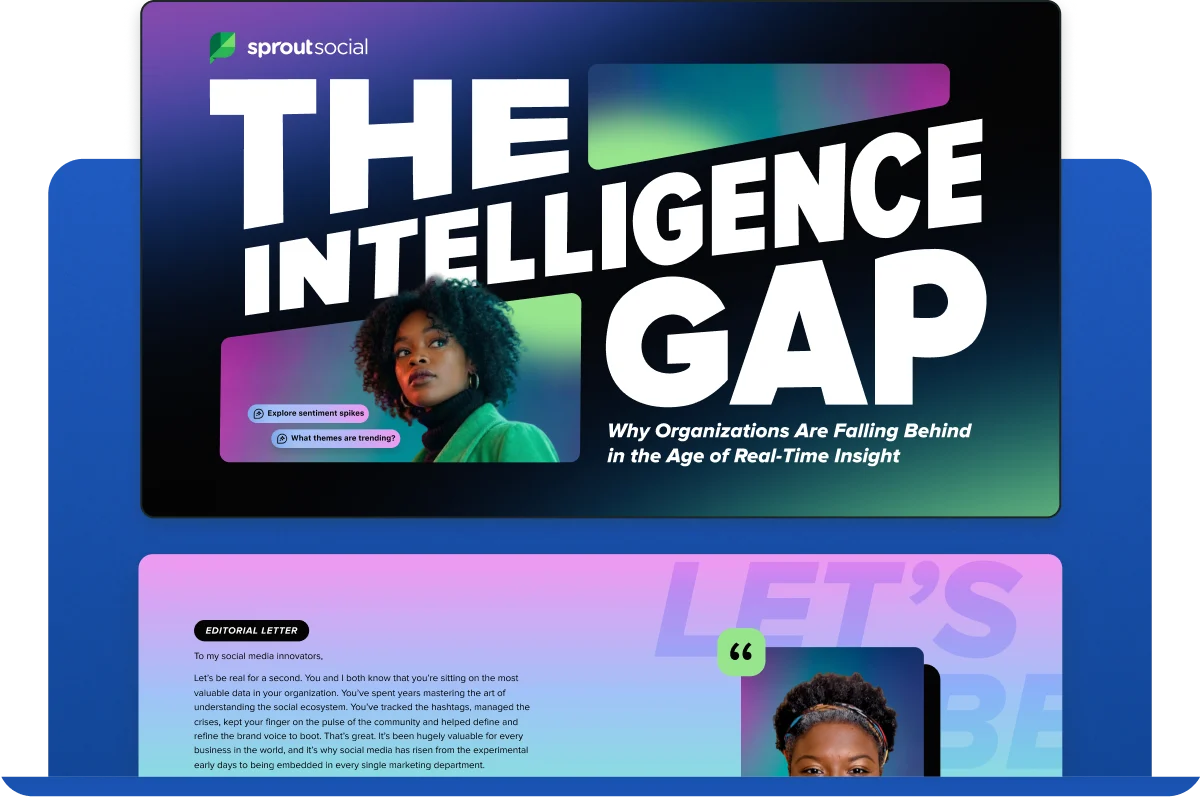
Social media was once a simple, linear channel: brands pushed content, and consumers consumed it. If a customer had a grievance, it was whispered over dinner or handled via a private email thread. That era of predictable, contained brand management is officially over. Today, the digital landscape is a volatile, high-stakes ecosystem where a single viral post can spike demand by thousands of percent overnight or trigger a catastrophic stock price drop before the morning coffee is finished.
In this new reality, what is said in Reddit threads, TikTok comment sections, and influencer reviews carries more weight than any high-budget billboard or polished website copy. This is the era of Social Media Intelligence (SOCMINT), and for the modern enterprise, it is no longer an optional marketing function—it is a survival mechanism.
The State of the Industry: A Growing Intelligence Gap
The shift toward social-first business strategy has exposed a glaring vulnerability in the corporate world. According to the Social Media Intelligence Report, only 10% of businesses possess the operational agility to translate real-time social insights into business action within a matter of hours. This structural lag creates a dangerous disconnect: while consumers increasingly use social platforms as their primary touchpoint for discovery and support, only 31% of consumers feel that companies are actually listening and responding effectively, as noted in Sprout Social’s Q4 2025 Pulse Survey.
The gap between customer expectations and brand responsiveness is widening. Companies that view social media merely as a "siloed marketing channel" are failing to recognize that social is now a company-wide engine for decision-making.
Chronology of a Paradigm Shift: From Monitoring to Intelligence
To understand the urgency, one must look at how the role of social data has evolved over the last decade:
- 2010–2015 (The Monitoring Phase): Brands focused on "social listening"—primarily tracking mentions, follower counts, and vanity metrics. The goal was sentiment tracking for the sake of reputation management.
- 2016–2020 (The Engagement Phase): Social media became a customer service portal. Brands moved toward rapid response, establishing dedicated social support teams to handle complaints in public forums.
- 2021–2024 (The Integration Phase): The realization dawned that social data was a goldmine for product development and market research. Companies began connecting social dashboards to their CRMs.
- 2025–Present (The Intelligence Era): We have entered the era of SOCMINT. Social media intelligence is now treated as "business intelligence." It is no longer about observing the conversation; it is about predicting market shifts, mitigating systemic risk, and fueling product innovation using AI-driven insights that inform the C-suite.
Supporting Data: The ROI of Being "In the Know"
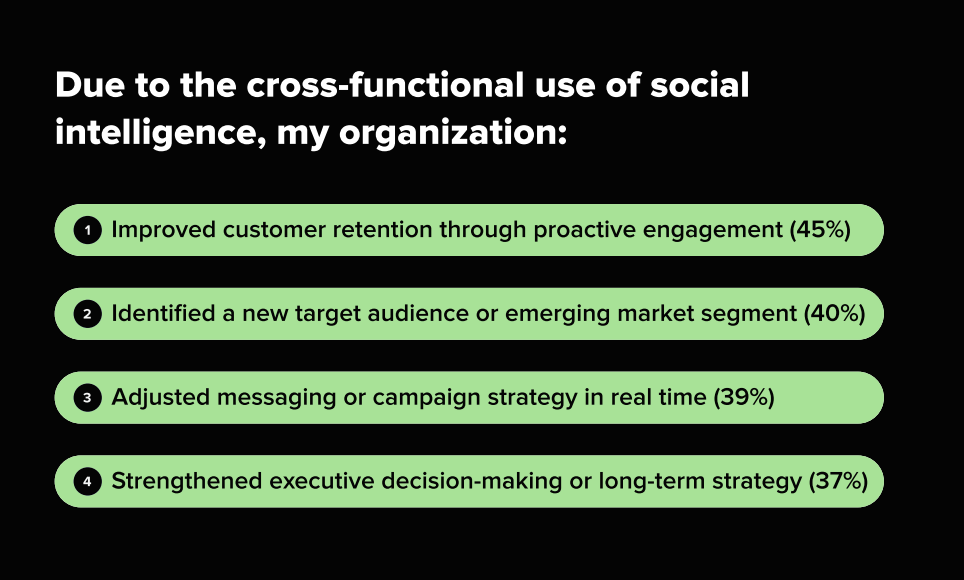
The transition from reactive to proactive social strategy is backed by compelling data. An overwhelming 98% of professionals now agree that social intelligence drives measurable cross-functional business outcomes. Furthermore, 67% of organizational leaders categorize social intelligence as "mission-critical" for future growth.

The primary drivers of this ROI include:
- Customer Retention (45%): Using social signals to preemptively solve friction points.
- Market Expansion (40%): Identifying underserved niches or emerging consumer segments through organic social chatter.
- Strategic Agility (39%): The ability to pivot marketing strategies in real-time based on cultural sentiment shifts.
- Executive Decision-Making (37%): Using social data to validate capital-intensive product or marketing pivots.
Understanding SOCMINT: What it is and What it Isn’t
Social media intelligence is the rigorous analysis of unstructured social conversations to generate actionable insights. It is the art of finding the "signal" in the "noise."

Critically, SOCMINT is not just social media monitoring. Monitoring tells you what happened; intelligence tells you why it happened, who is driving it, and what you should do next. Without the infrastructure to connect this data to other business systems, organizations are left with "blind spots." These blind spots lead to compromised decision-making, unmanaged reputation risk, and, ultimately, the loss of market share to more agile competitors.
Implications for Modern Enterprise: Four Pillars of Growth
The practical application of social media intelligence spans every department, from R&D to the sales floor.

1. Dominating the "Social Search" Landscape
Traditional SEO is increasingly supplemented by "social search." Consumers are bypassing Google to search for recommendations on TikTok and Instagram. Intelligence allows brands to identify rising hashtags, creator behaviors, and search intent. By optimizing content for these social-first behaviors, brands can capture high-intent traffic before it ever hits their website.
2. Campaign Precision and ROI
Gone are the days of "spray and pray" marketing. With SOCMINT, teams can vet influencers based on their actual impact on current cultural conversations, rather than just follower counts. By aligning creative assets with the specific vernacular and pain points of the target audience, brands ensure that every marketing dollar spent is rooted in validated consumer demand.

3. Early Warning Systems for Reputation Management
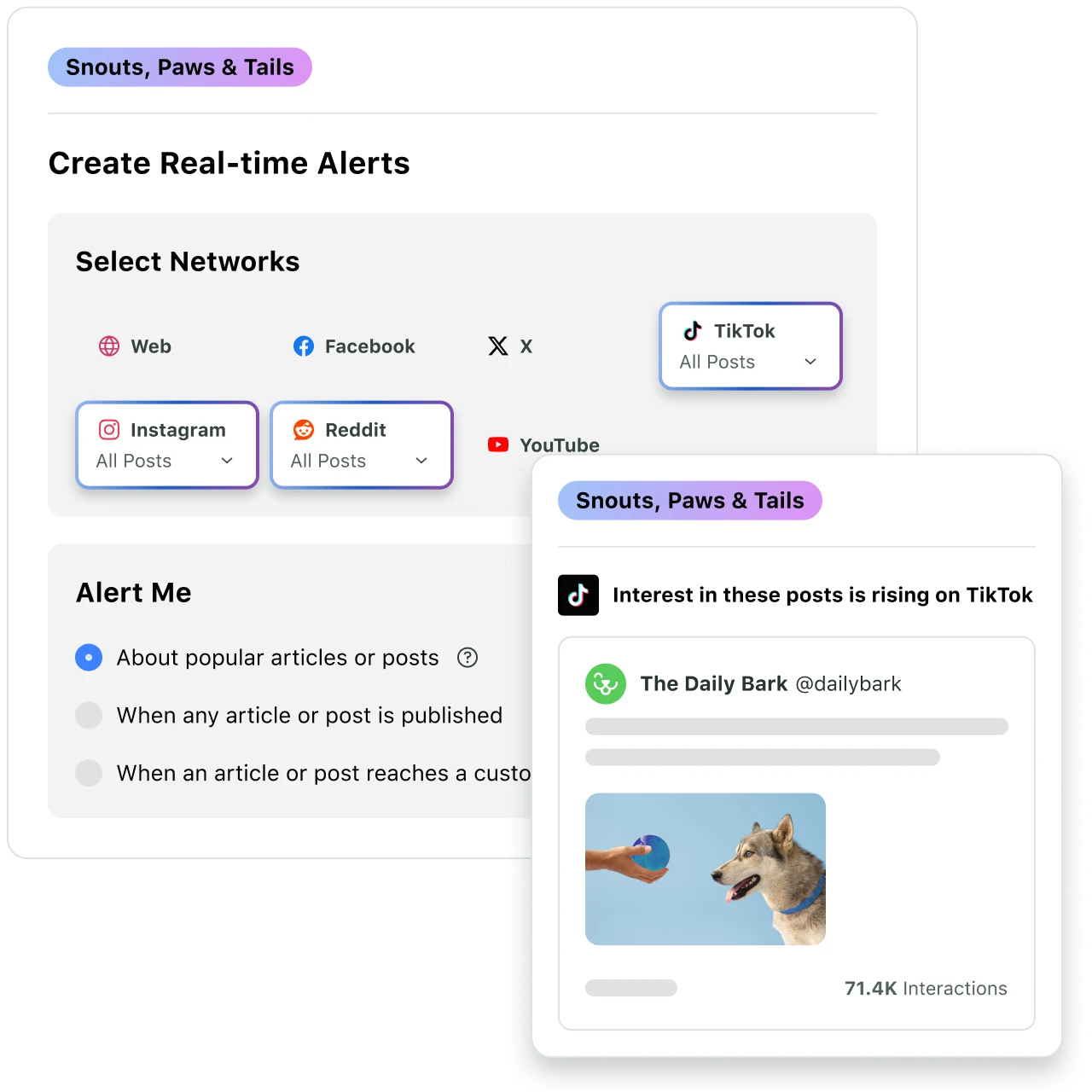
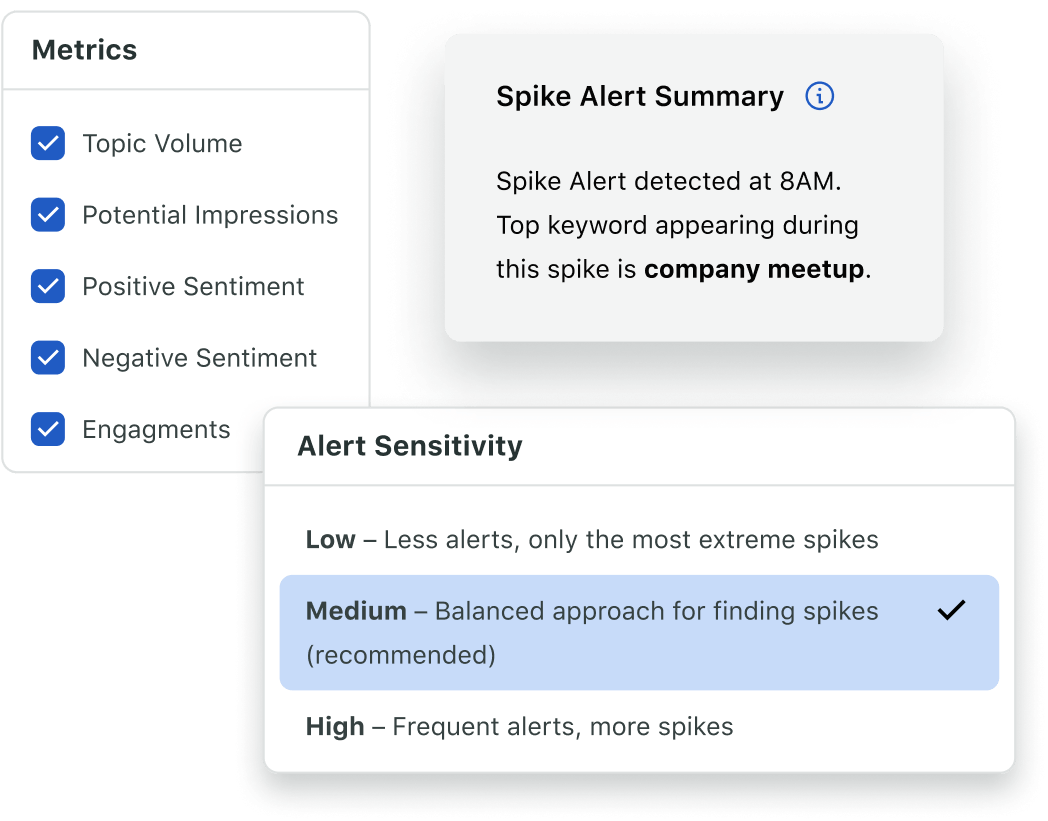
A PR crisis is rarely an isolated event; it usually begins as a low-level murmur in niche communities. Social intelligence acts as an early warning system, using predictive analytics to detect spikes in negative sentiment. This allows organizations to mitigate risk, address legitimate concerns, and control the narrative before a story gains mainstream media traction.
4. Customer-Centric Product Development
Perhaps the most transformative application of social intelligence is in product innovation. When brands actively listen, they find that customers are already providing the roadmap for the next big feature or product iteration. Whether it’s an e.l.f. cosmetics DIY kit inspired by a viral hack or a feature update prompted by a Reddit thread, the most successful brands allow their customers to co-create their product roadmap.
The Infrastructure of Intelligence: AI and Integration
To achieve this level of sophistication, disjointed tools are insufficient. The modern organization requires a unified, AI-driven backbone.
The Role of AI Agents
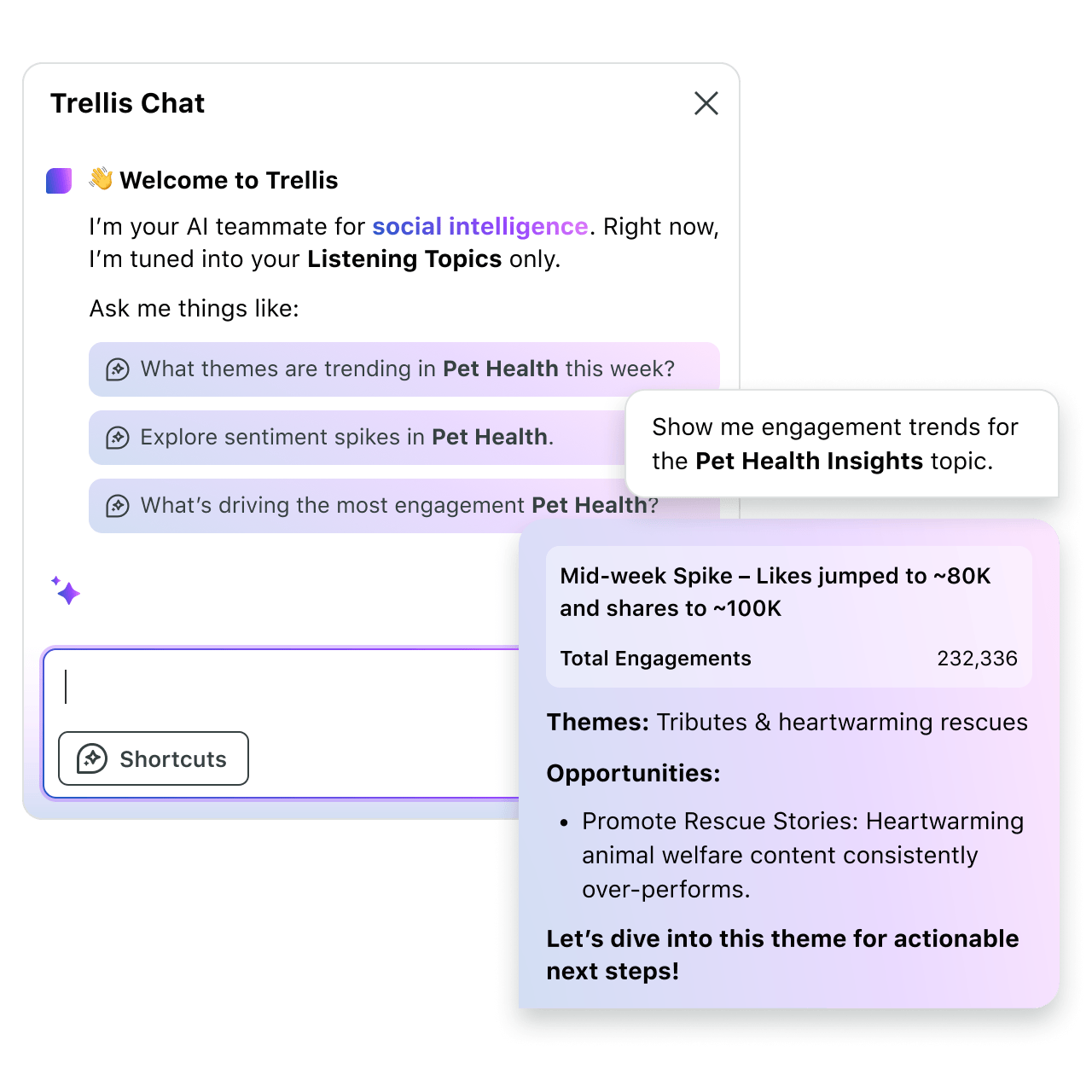
Manual data analysis is the primary bottleneck for 90% of firms. AI agents—such as the "Trellis" agent within the Sprout Social platform—are changing the game. These agents automate tedious reporting, allowing team members to engage in high-level strategic thinking. By enabling natural language queries, leadership teams can now ask their data complex questions ("Which product features are currently driving the most negative sentiment in the UK market?") and receive immediate, synthesized answers.
Tech Stack Integration
Social data is too valuable to exist in a vacuum. It must flow directly into the tools the enterprise already uses.
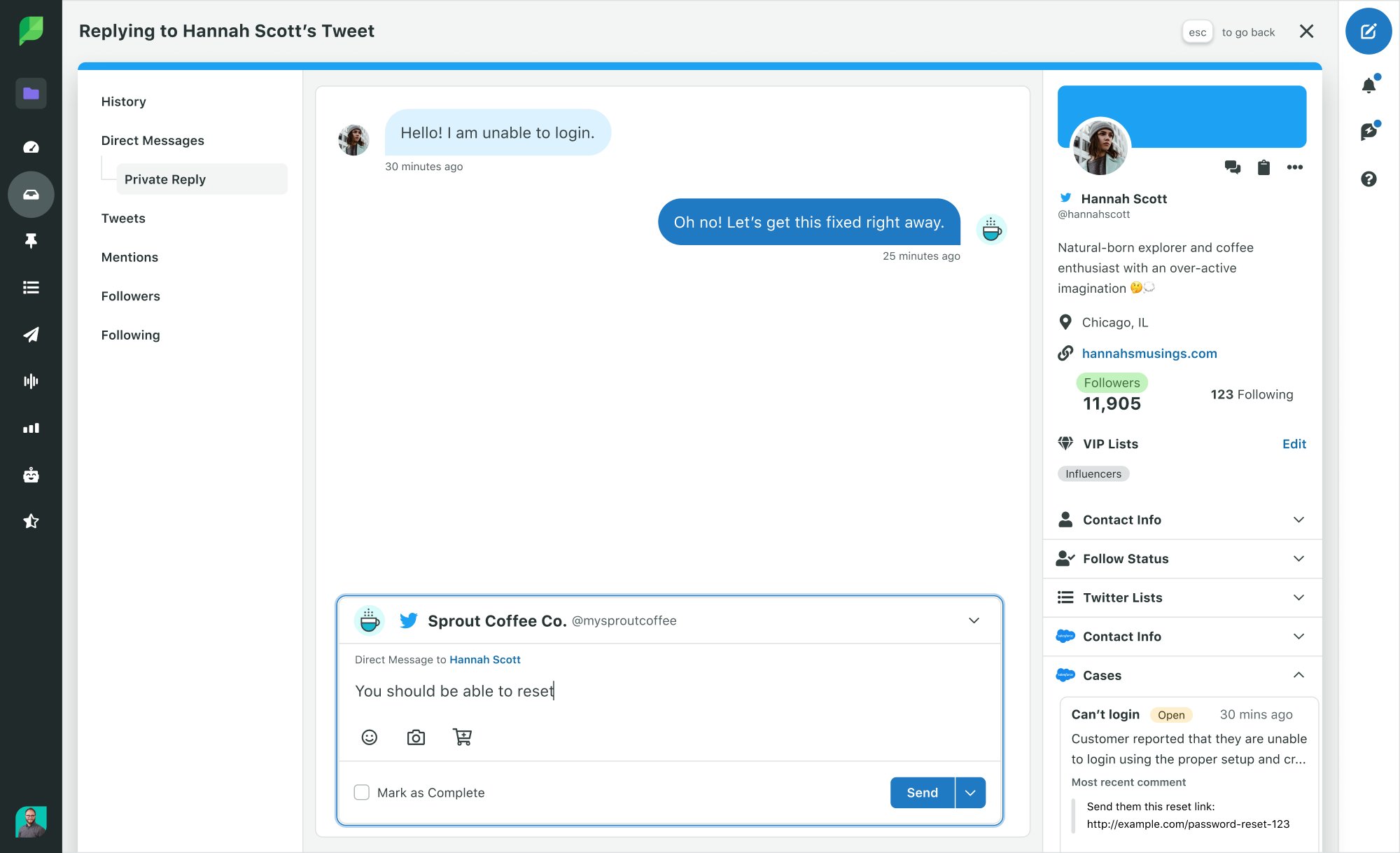
- Salesforce Integration: Enriches customer cases with social context, enabling agents to provide more empathetic and informed support.
- Tableau/BI Pipelines: Pipes sentiment data into broader business intelligence dashboards, allowing leadership to see the "why" behind the numbers.
- Workflow Orchestration: Connecting social insights to project management tools like Asana ensures that when a trend is identified, the creative team is briefed and executing within minutes, not days.
Official Perspective: The Future of Business
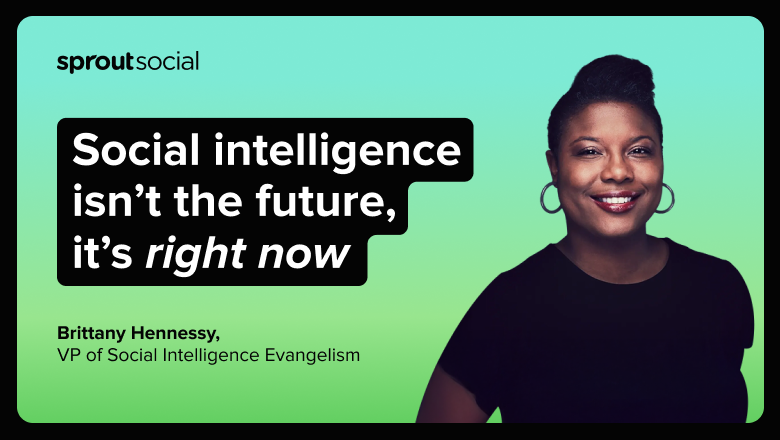
Industry experts and the latest reports consistently point to the same conclusion: we have moved beyond the "experimental" phase of social intelligence. It is now a foundational pillar of modern business operations.
"The brands that win aren’t just posting great content," notes the latest industry analysis. "They’re paying attention to what everyone else is saying and making decisions accordingly."
As we look toward the remainder of the decade, the divide between companies that treat social as a megaphone and those that treat it as a nervous system will grow. Those that embed social intelligence into their culture, strategy, and technology will define the next era of their industry. For the laggards, the cost of inaction is not just missed growth—it is the erosion of relevance in a conversation they are no longer part of.
Conclusion: The Path Forward
The era of Social Media Intelligence is not coming; it is already here. The tools to decode the voice of the customer exist, and the ability to act on that intelligence at scale is the defining characteristic of high-performing, resilient organizations.
To remain competitive, organizations must stop viewing social as an external platform to be managed and start viewing it as an internal resource to be mined. By integrating AI-driven insights into the core of the business, companies can move from the anxiety of the "unknown" to the confidence of a data-backed strategy. The question for leadership is no longer whether they can afford to invest in social media intelligence, but whether they can afford to operate without it.


 Ammar Sabilarrohman
 Raul Delapena Setiawan