

Introduction: A New Paradigm for Japanese Hospitality
In the vibrant, neon-drenched heart of Tokyo, where the cutting-edge fashion of Harajuku meets the timeless serenity of Japanese history, a unique hospitality experiment is redefining the tourist experience. The "MOSHI MOSHI ROOMS" project, spearheaded by Asobi System, has emerged as a landmark initiative designed to export the "kawaii" (cute) pop culture of Harajuku to a global audience. Among their most ambitious endeavors is the "ORIGAMI" room—a meticulously curated penthouse apartment that serves as a living, breathing synthesis of ancient Japanese craftsmanship and modern, whimsical interior design.
As travelers increasingly move away from sterile, cookie-cutter hotel rooms in favor of authentic, "Instagrammable," and culturally immersive stays, MOSHI MOSHI ROOMS has positioned itself at the vanguard of this trend. By blending the delicate art of paper folding with the high-energy aesthetic of Tokyo’s most famous youth district, the project offers more than just a place to sleep; it offers a curated cultural narrative.
The Genesis of a Kawaii Landmark
The journey of the MOSHI MOSHI ROOMS project began with a singular mission: to act as a bridge between the niche, energetic culture of Harajuku and the international visitor. Asobi System, a prominent agency known for managing pop culture icons and promoting Japanese youth culture globally, recognized a gap in the market. While tourists flocked to Harajuku for its street food and fashion, there were few accommodation options that allowed visitors to live within that aesthetic.
The Sakura Success Story
A few years ago, the organization debuted its inaugural project: a sakura-themed penthouse. Drawing inspiration from Japan’s most iconic floral symbol, the apartment was a masterclass in atmospheric design. It became an immediate success, frequently booked by travelers seeking a quintessential Japanese experience infused with a modern, design-forward sensibility. The success of the Sakura room served as the "proof of concept" for Asobi System. It demonstrated that visitors were not just willing to pay a premium for thematic lodging—they were actively seeking it.
Expanding the Vision: The Origami Concept
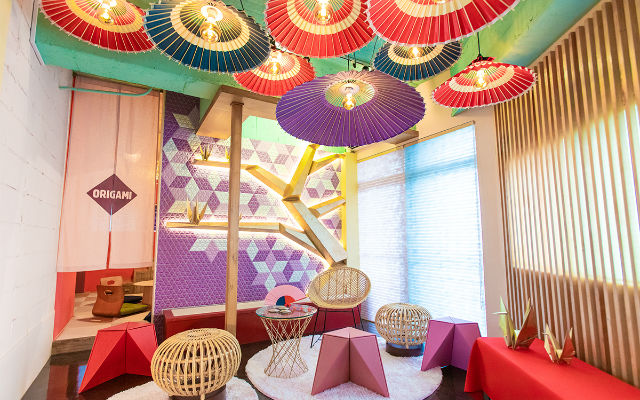
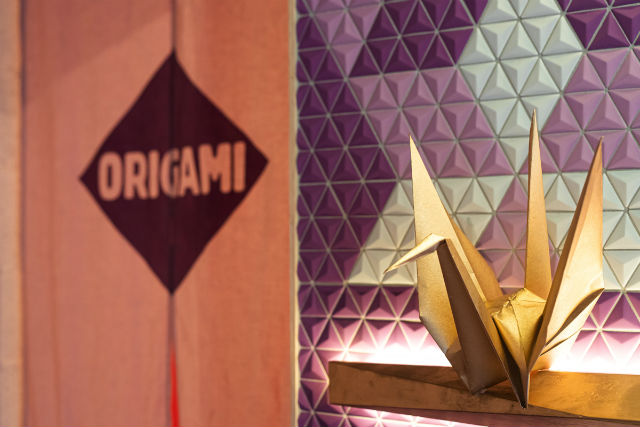
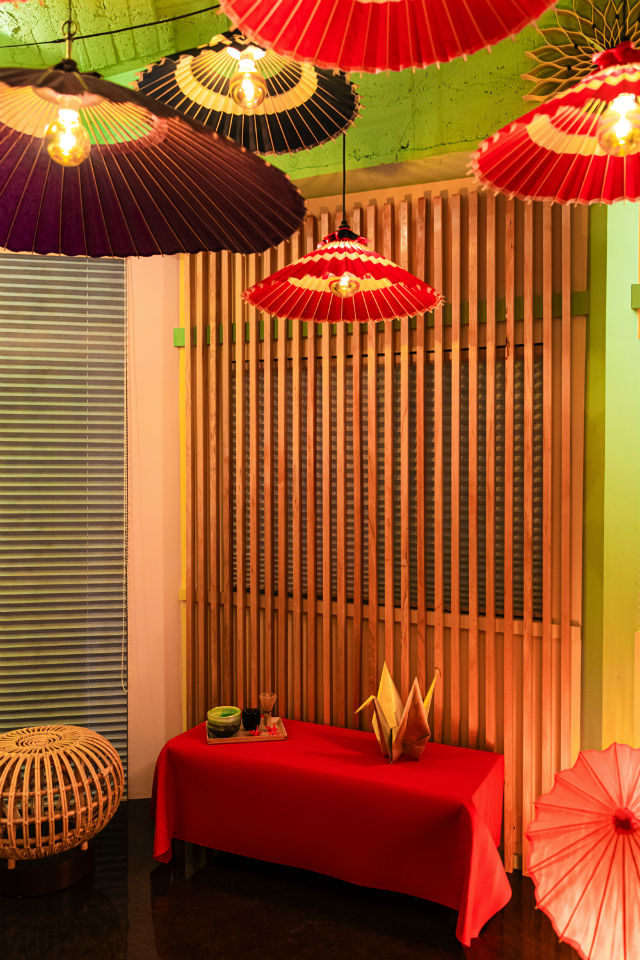
Building on the momentum of the sakura penthouse, the organization sought a second motif that was equally recognizable yet offered a different textural and visual experience. They landed on "Origami." By selecting one of Japan’s most recognizable traditional crafts, they provided a stark, geometric, and artistic contrast to the organic, flowing nature of the Sakura room. The ORIGAMI room was designed to be an immersive gallery, where every wall, corner, and functional space pays homage to the ancient art of paper folding.
Anatomy of the Origami Room: A Deep Dive
The ORIGAMI room is not merely a collection of decorative items; it is a holistic environment. The design philosophy is rooted in "functional playfulness," ensuring that while the room is a visual spectacle, it remains a comfortable, practical living space.
The Living Area: A Modern Tea House
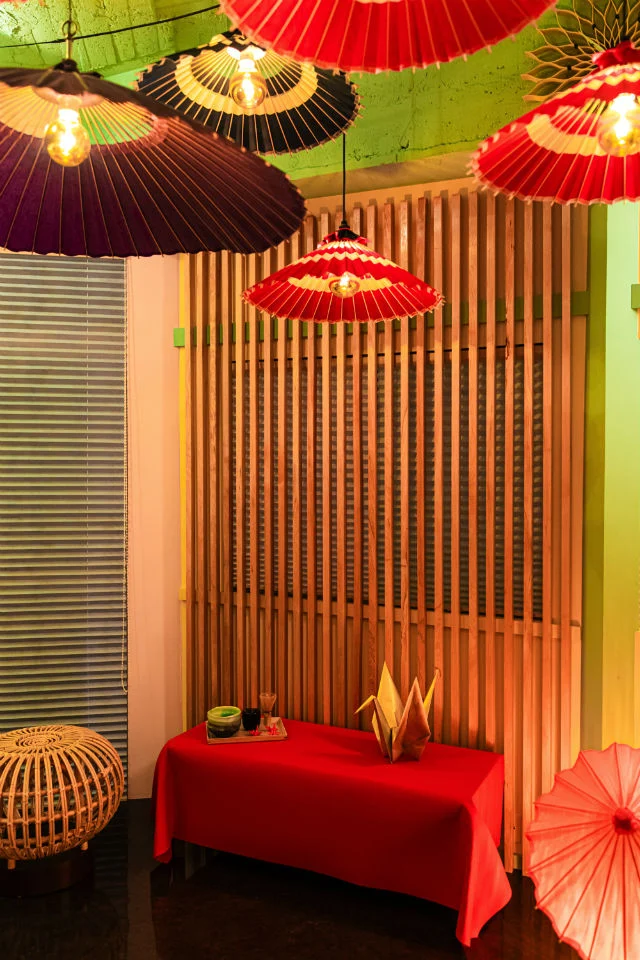
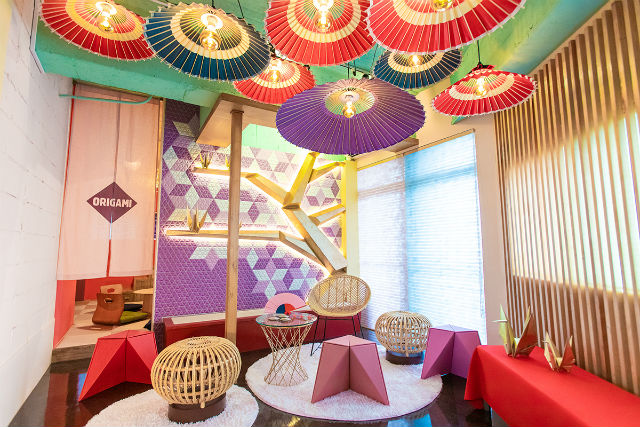
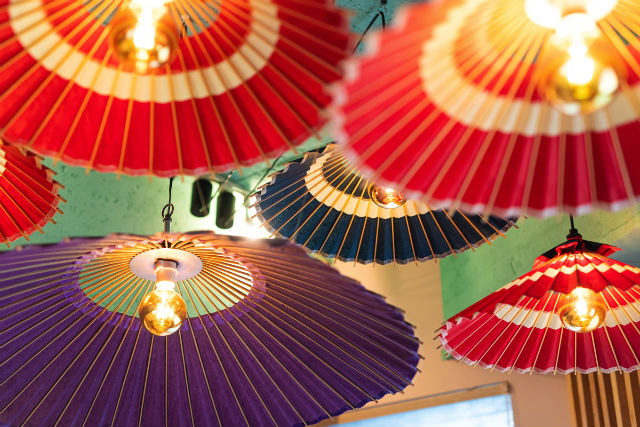
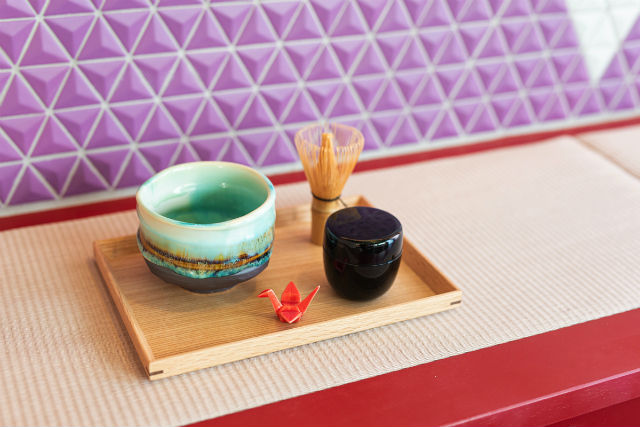
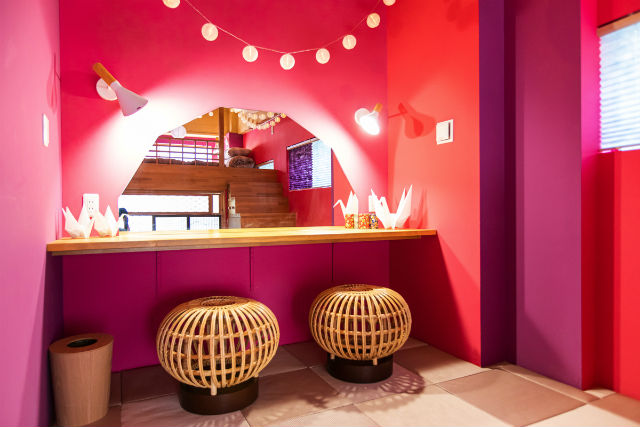
Upon entering the living area, guests are immediately struck by the deliberate use of space. The furniture—benches and stools—is arranged to evoke the intimacy of a traditional Japanese tea house. Overhead, traditional Japanese umbrellas, or wagasa, hang from the ceiling, creating a dramatic, geometric canopy that diffuses light beautifully. The room is punctuated by oversized, sculptural origami cranes and fans, which anchor the theme and provide a sense of scale. The interplay between the bold, sharp lines of the paper-themed decor and the soft, ambient lighting creates a space that feels both grounded and ethereal.
The Bedroom: A Sanctuary of Sunlight
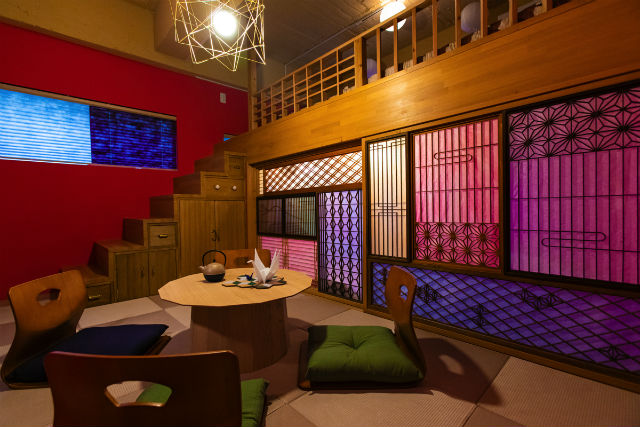
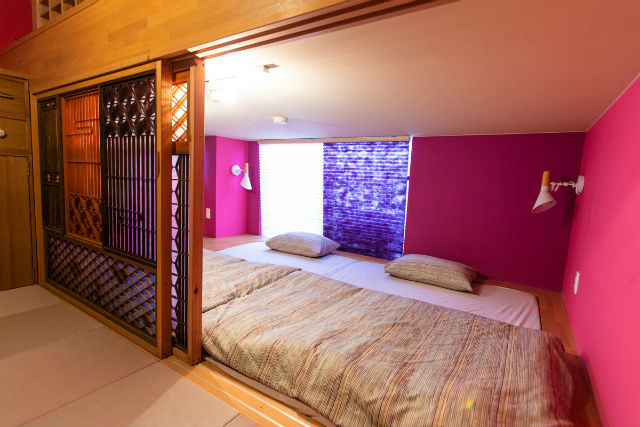
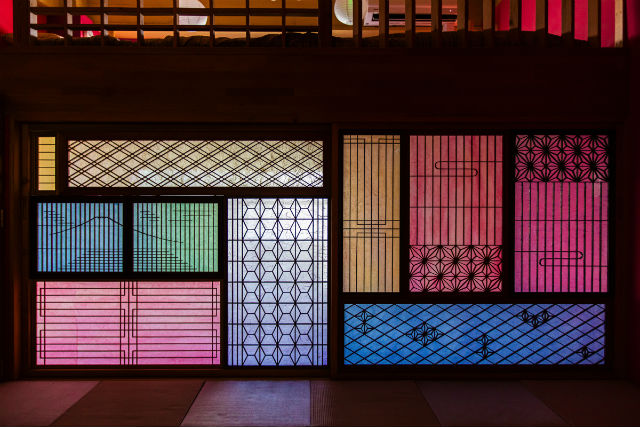
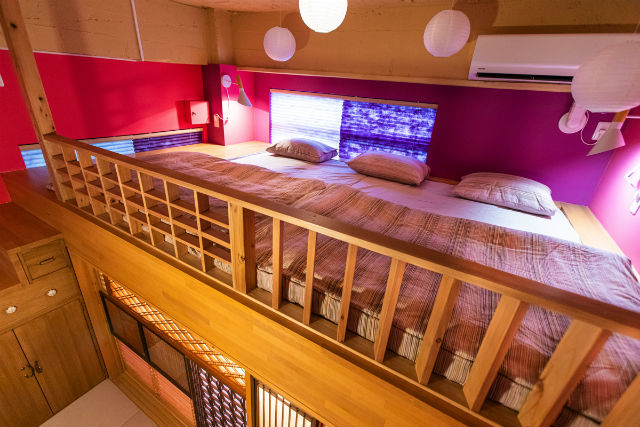
The bedroom is where the "traditional inn" (ryokan) experience is most acutely felt. The room features sliding doors that allow for a seamless transition between the living and sleeping quarters. During the day, these doors catch the shifting Tokyo sunlight, creating a soft, warm glow that enhances the intricate patterns and colors of the room. The futons provided are of high quality, designed to offer the authentic sensation of a countryside inn while situated in the center of the world’s most bustling metropolis.
Functional Integration: From Shower to Stairway
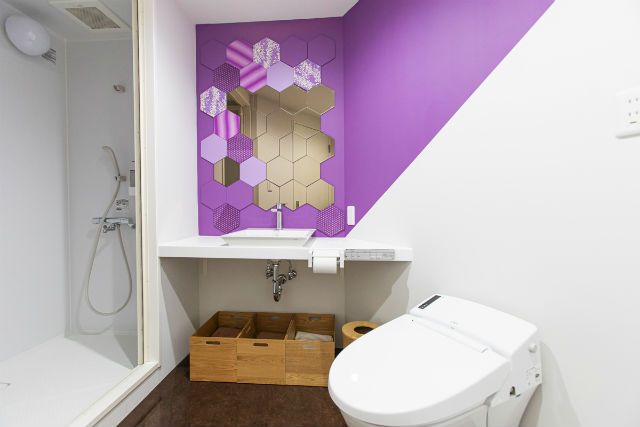
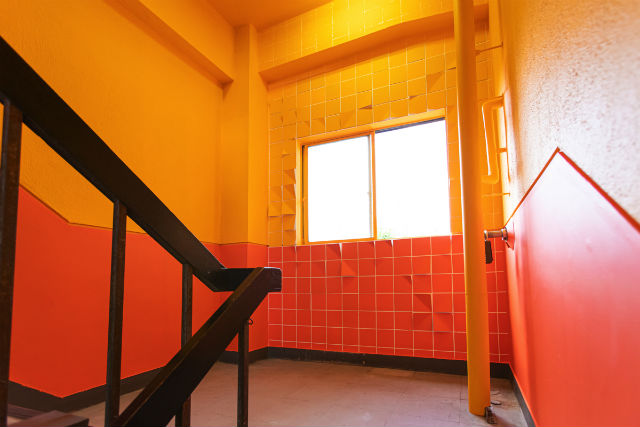
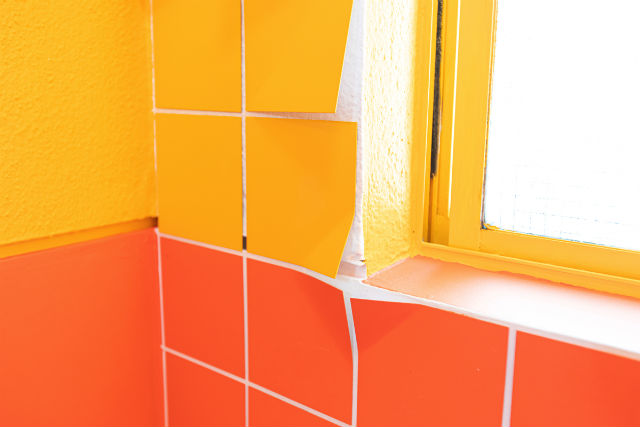
What distinguishes this project from a standard themed room is its commitment to detail. The origami motif is not confined to the living area; it bleeds into the powder and shower rooms, where the tiling and fixtures are carefully selected to match the overall aesthetic. Even the staircase leading to the penthouse has been treated as a canvas, incorporating origami designs that guide the guest as they ascend into the private space.
Supporting Data and Guest Experience
The project is designed to cater to small groups, with a maximum occupancy of six guests. This makes the ORIGAMI room a popular choice for families, small groups of friends, and design enthusiasts traveling together.
Pricing and Value Proposition
At a price point typically starting around 40,000 yen per night (excluding service fees), the room sits at the higher end of the Airbnb market in Tokyo. Critics might point to the cost, but for the target demographic, the value proposition is clear. A standard hotel room in Shibuya or Harajuku may offer convenience, but it rarely offers an identity. The MOSHI MOSHI ROOMS provide a "staycation" experience—the room is an attraction in its own right, functioning as a studio for content creation and a sanctuary for those looking to disconnect from the frantic pace of the city streets below.
The Rooftop Experience
One of the crowning features of the building is the open-air roof space. This area offers a rare vantage point over the Jingumae neighborhood. In a city where private outdoor space is a luxury, the roof provides a quiet, airy reprieve. Whether guests are enjoying a morning coffee or watching the city lights flicker to life at dusk, the rooftop acts as the "final chapter" of the origami experience, offering a panoramic view of the fashion capital.
Official Stance and Implications
Asobi System has been clear about their broader implications for the project. By fostering these spaces, they are promoting a "cultural soft power" that goes beyond traditional tourism.
Why Harajuku?
Harajuku is often misunderstood by casual observers as merely a center for fast fashion. Asobi System aims to shift this narrative by highlighting the craftsmanship and history embedded within the district. By placing an "Origami" room in the center of Harajuku, they are effectively telling their guests: "Yes, this is a place of modern pop culture, but it is also a place that deeply respects its roots."
The Future of Themed Hospitality
The success of these rooms suggests a shifting trend in the hospitality industry. Travelers are increasingly prioritizing "experience-first" lodging. The implications for the Japanese tourism sector are significant; as the country looks to attract high-value tourists, properties that offer deep, authentic, and curated cultural experiences will likely outperform traditional, generic hotel chains.
Practical Information for Future Guests
For those planning to visit, the following details are essential:
- Location: The penthouse is located at 2-18-7 Jingumae, Shibuya, Tokyo.
- Accessibility: The room is conveniently situated, being an 8-minute walk from the Meiji-Jingumae (Harajuku) Station, served by the Chiyoda and Fukutoshin subway lines.
- Capacity: The unit is designed to comfortably house 1 to 6 individuals.
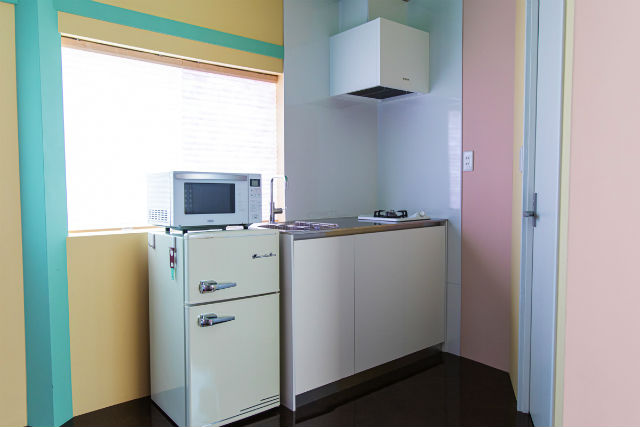
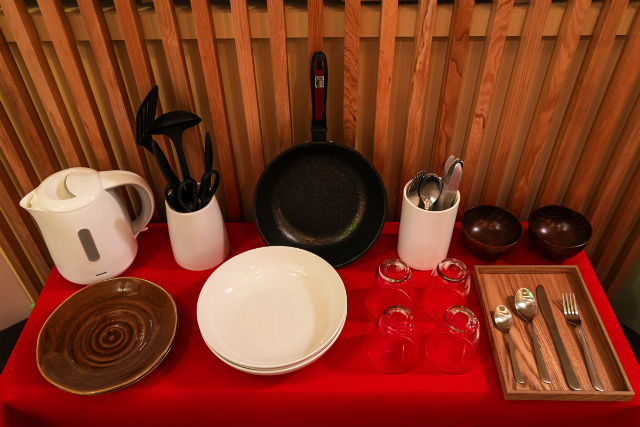
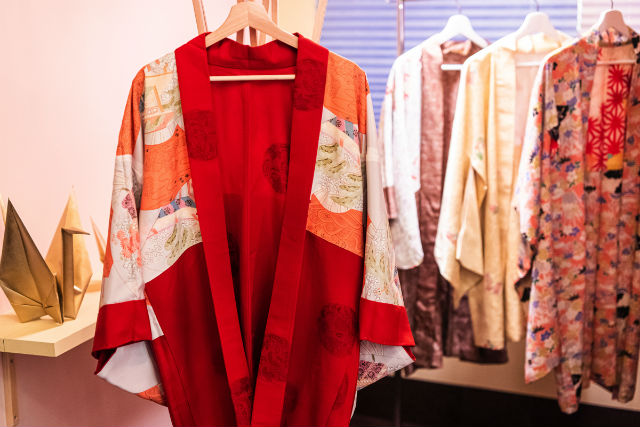
- Amenities: The room includes a fully functional kitchen, providing guests the freedom to prepare meals, as well as complimentary kimonos, adding a tactile, immersive element to the stay.
- Booking: Interested parties are encouraged to visit the official MOSHI MOSHI ROOMS website to view real-time availability and explore other thematic options within the network.
Conclusion: A Living Legacy
The MOSHI MOSHI ROOMS project, and specifically the ORIGAMI room, represents a sophisticated evolution of the short-term rental market. It is a testament to the idea that hospitality can be an art form. By successfully weaving together the delicate geometry of origami with the vibrant, bold energy of Harajuku, Asobi System has created a space that honors the past while embracing the future of Japanese pop culture.
For the traveler who wants to wake up in the heart of the world’s most dynamic city without sacrificing the serene beauty of traditional Japan, the ORIGAMI room is not just a room—it is an invitation to inhabit a piece of art. As Tokyo continues to evolve as a global destination, it is these unique, thought-out spaces that will define the next generation of travel.












No comments yet. Be the first to join the conversation!