Asro
Asro
After a four-year hiatus that left a noticeable void in the city’s gastronomic calendar, one of Tokyo’s most anticipated food events is making a triumphant return. The 4th annual Sakana & Japan Festival 2023 is scheduled to transform Yoyogi Park in Shibuya Ward into a bustling epicenter of maritime excellence from February 23rd to February 26th. For seafood enthusiasts, local residents, and international visitors alike, the event represents more than just a festival—it signifies the revitalization of Japan’s vibrant street food culture after the long shadow of the COVID-19 pandemic.
The Main Event: A Celebration of Japanese Seafood
The Sakana & Japan Festival is the sister event to the illustrious Japan Fisherman’s Festival, which holds the title of Japan’s largest seafood-centric culinary gathering, typically hosted annually in November at Hibiya Park. By bringing the spirit of the Fisherman’s Festival to the expansive grounds of Yoyogi Park, the organizers aim to provide a comprehensive tour of the Japanese archipelago’s diverse coastal offerings.
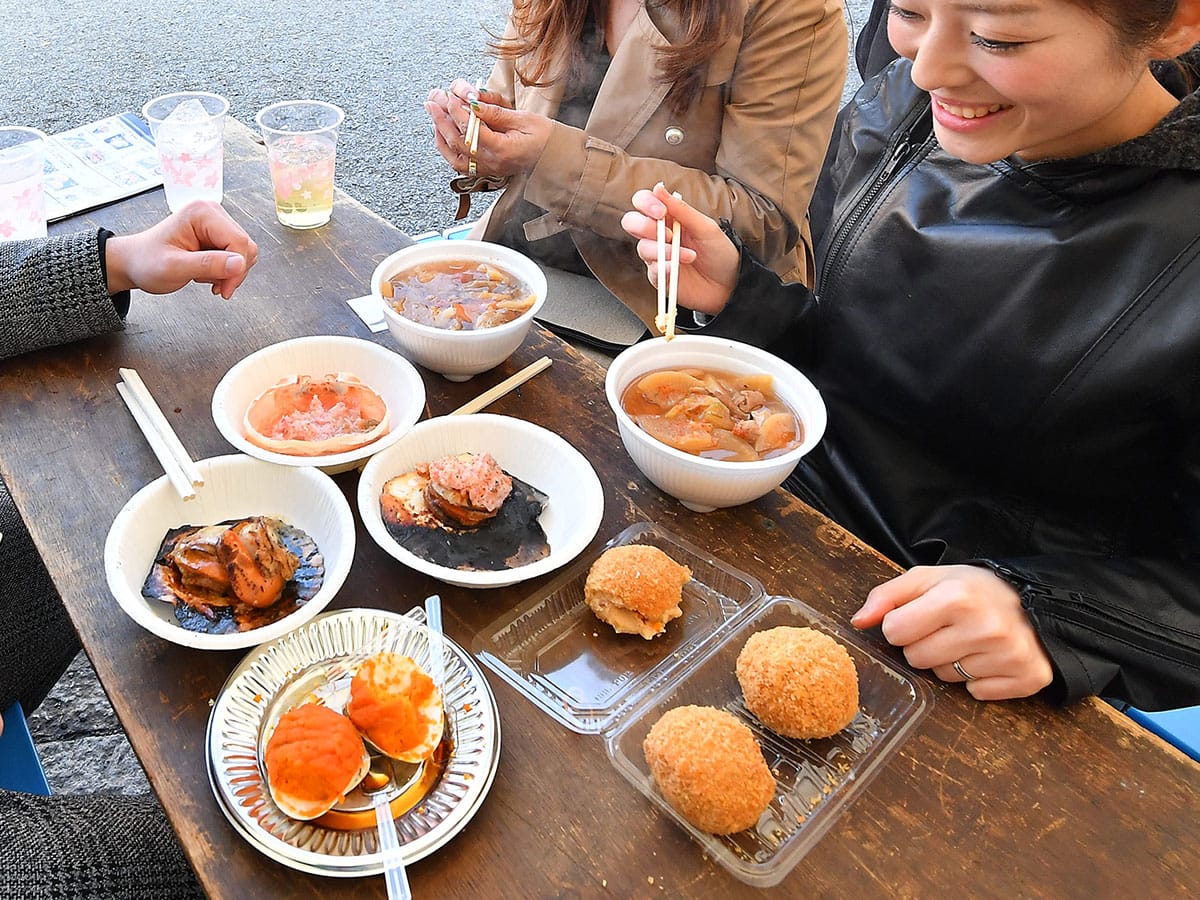
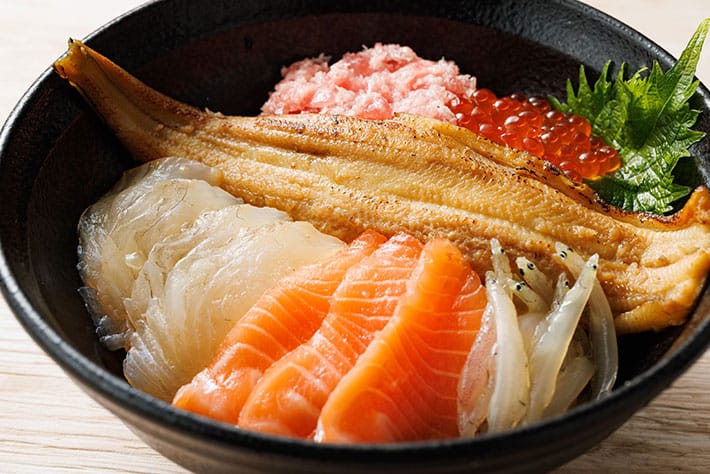
Spanning four days, the festival will feature approximately 70 specialized booths, each dedicated to highlighting the unique flavors of various regions. The selection is set to be exhaustive, featuring staples such as fatty tuna, succulent salmon, glistening ikura (salmon roe), creamy sea urchin, and sweet, tender crab. The culinary scope goes beyond raw sashimi; attendees can expect an array of prepared delights, including artisanal seafood bowls (kaisen-don), robust fisherman’s stews, gourmet seafood ramen, and even creative takes on seafood paella.
A Chronology of Resilience: Navigating the Pandemic
The return of the Sakana & Japan Festival is a milestone that reflects the broader trajectory of public events in Japan since early 2020.
- 2019: The Pre-Pandemic Success: The 3rd Sakana & Japan Festival concluded in early 2019 as a resounding success, setting a high bar for attendance and vendor participation. It established the event as a premier destination for food tourism in the heart of Tokyo.
- 2020–2022: The Silence: As the novel coronavirus pandemic took hold, large-scale public gatherings were subjected to strict limitations. For three consecutive years, the organizers were forced to cancel the festival, citing concerns over public health and safety. These cancellations mirrored the broader "shutdown" of Japan’s tourism and event sectors, causing significant economic ripples for the fisheries and artisanal food producers who rely on the festival to connect with urban consumers.
- 2023: The Rebirth: With the gradual easing of COVID-19 restrictions and a renewed push to stimulate domestic tourism, the 2023 iteration marks the official comeback. The decision to resume the festival in Yoyogi Park serves as a symbol of resilience for the Japanese food industry, providing a platform for producers to reconnect with the public after years of restricted market access.
Supporting Data: Must-Try Culinary Highlights
While the full roster of vendors and specific menus is slated for final release via the official event portal, early reports and press materials have identified several "must-try" items that encapsulate the diversity of Japanese aquaculture and wild-catch traditions.
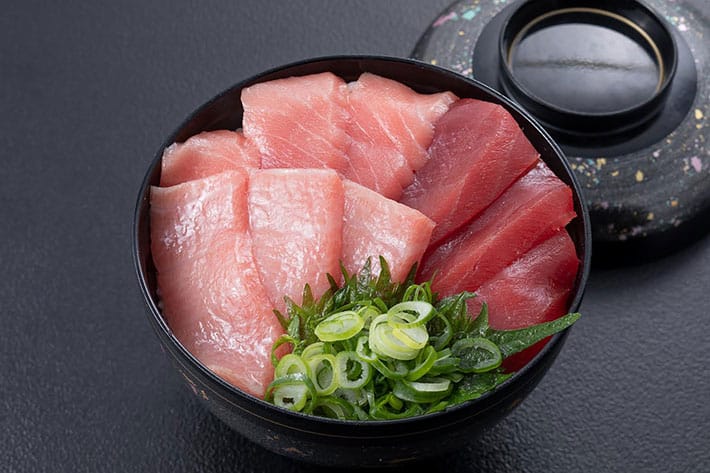
The Kuroshio Market’s Tuna Trilogy
A centerpiece of the event is expected to be the "Bowl of Three Types of Tuna" from the Kuroshio Market. This dish is designed to showcase the varying textures and fat contents of different tuna cuts—ranging from the lean, deep red akami to the melt-in-the-mouth otoro (fatty belly). It serves as a masterclass in tuna preparation for the uninitiated.
The Maple Salmon Revolution
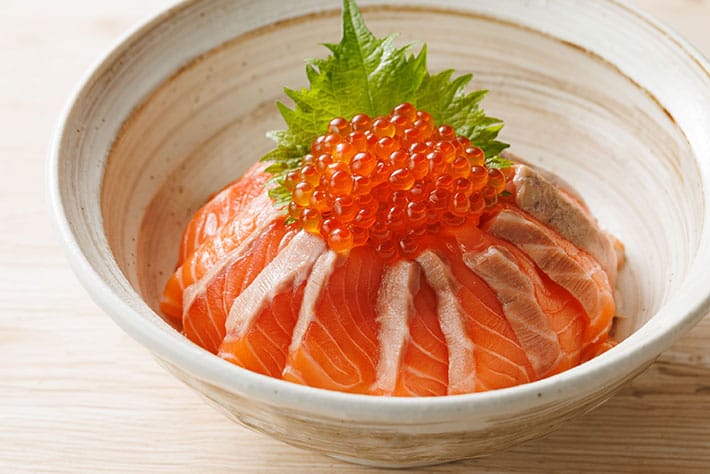
One of the most innovative offerings is the "Maple Salmon" bowl. This is not merely a regional dish but a testament to modern Japanese agricultural science. Maple Salmon is a brand of salmon trout developed in Fukushima Prefecture. Its origin story is a fascinating example of cross-cultural collaboration: the breed was created using rainbow trout roe imported from Canada, which was then hatched and selectively bred over several generations to suit the delicate palate of Japanese consumers. The name "Maple" pays homage to its Canadian roots, while the flavor profile is uniquely adapted to local tastes.
Regional Specialties and Artisanal Bowls
Other highlights include:
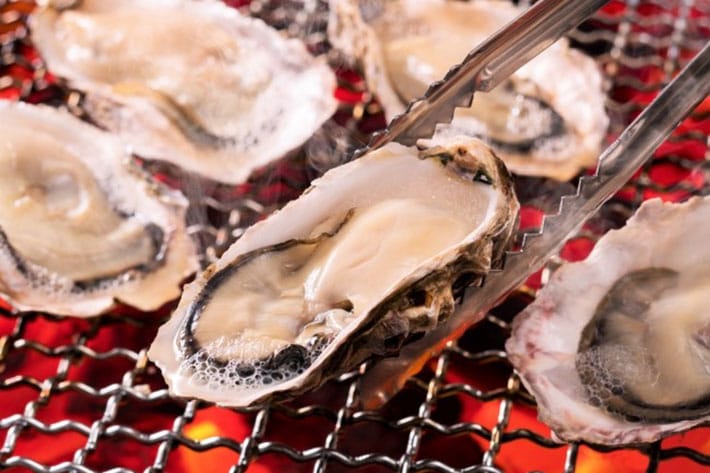
- Fresh Grilled Oysters: A festival staple, these will be served steaming hot, offering a briny, creamy taste of the ocean that has become synonymous with Japanese winter markets.
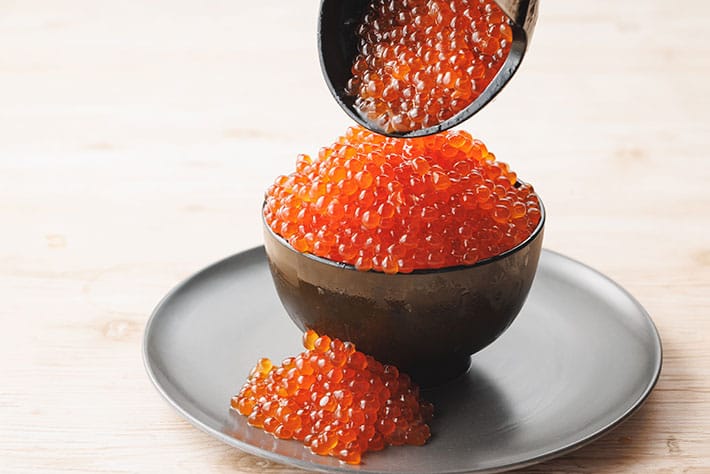
- The "New Improved" Salmon Roe Bowl: An elevated take on the classic ikura-don, focusing on the quality and seasoning of the roe to ensure a "pop" that is both fresh and savory.
- Fukushima Seafood Bowls: These bowls are intended to spotlight the recovery and high standards of seafood coming out of the Fukushima region, emphasizing the rigorous safety testing and quality control measures implemented since the 2011 disaster.
Official Perspectives and Economic Implications
The Sakana & Japan Festival is not merely an entertainment event; it acts as a critical economic bridge between remote fishing villages and the metropolitan consumer base of Tokyo. By providing a direct-to-consumer sales channel, the festival helps smaller, regional producers bypass intermediaries, thereby increasing their profit margins and brand visibility.
For the Japanese fisheries industry, which has faced mounting challenges—including declining domestic consumption of fish, an aging workforce, and the long-term impacts of the pandemic—this festival is a vital marketing platform. It allows producers to educate the public on the sustainability of their practices and the health benefits of a seafood-rich diet.
From the perspective of urban planning and tourism, the festival’s location in Yoyogi Park is strategic. Shibuya Ward is a transit hub that attracts millions of residents and international tourists annually. By hosting the event in such a high-traffic area, the organizers ensure that local food culture remains at the forefront of the Tokyo experience, preventing the disconnect between modern city life and the traditional industries that support it.
Attending the Festival: Practical Information
The festival operates on an open-access model, meaning admission to the grounds at Yoyogi Park is entirely free. This "barrier-free" approach is intended to encourage high foot traffic and accessibility for families and casual passersby. However, visitors should note that all food and beverage purchases are handled on a per-item basis, with prices varying depending on the rarity and source of the ingredients.
- Venue: Yoyogi Park, Shibuya Ward, Tokyo.
- Dates: February 23rd–26th.
- Recommendation: Given the anticipated crowds and the popularity of specific booths, it is highly recommended that visitors arrive early in the day. Many of the most sought-after items, such as fresh oysters and specialty salmon bowls, often sell out before the evening hours.
For international visitors, the festival offers a low-stakes, high-reward environment to experience the breadth of Japanese food culture. It is an ideal setting to sample regional delicacies that might otherwise require expensive travel to distant prefectures.
Looking Forward: A Sustainable Annual Tradition
The organizers have emphasized that the return of the festival is intended to be a permanent restoration of the annual calendar. Assuming that public health conditions remain stable, the Sakana & Japan Festival is expected to continue its tradition of winter gatherings in February.
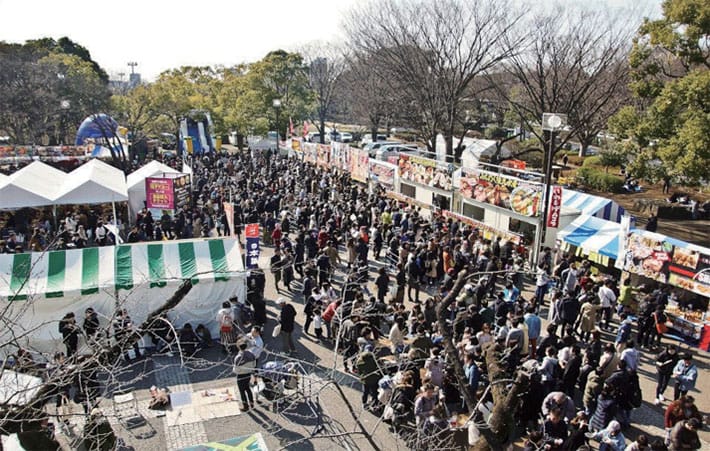
As the event approaches, attendees are encouraged to monitor the official festival website. As the date nears, the organizers will release detailed maps of the vendor layout, a schedule of stage performances (which often include traditional music or fishery-related demonstrations), and specific updates on seasonal catch availability.
The 4th annual Sakana & Japan Festival is more than a simple food fair; it is a celebration of endurance, a showcase of regional innovation, and a reminder of the vital role that the sea plays in the identity of the Japanese people. Whether you are a lifelong seafood connoisseur or a curious visitor looking to taste the best of Japan, this four-day festival in Yoyogi Park promises an unforgettable culinary journey.


 Neng Nana