Sagoh
Sagoh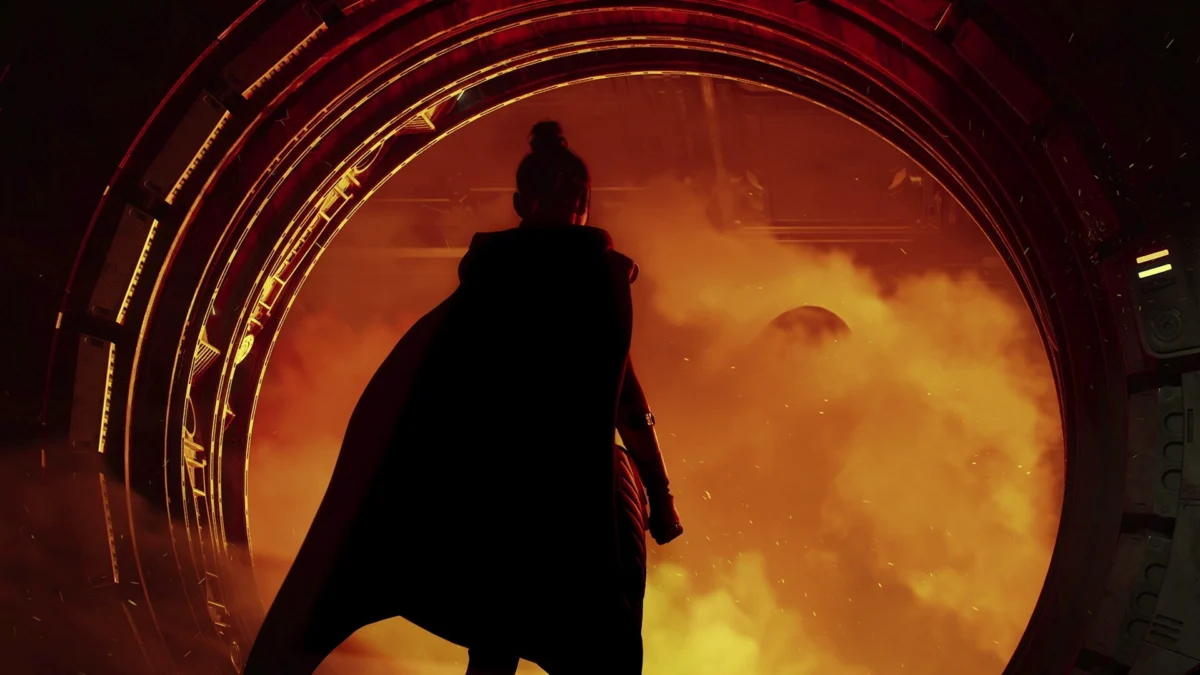
Former NetEase Executive Simon Zhu Unveils New Holding Company Focused on Empowering Creative Autonomy and Crafting Legacy Titles
LOS ANGELES, CA – [Date of publication, e.g., May 13, 2026] – In a significant development poised to reshape the landscape of independent game development, Simon Zhu, the former president of global investments and partnerships at NetEase, has officially launched GreaterThan Group (GTG). The new holding company has successfully secured an initial $40 million in funding, augmented by approximately $60 million in additional commitments, bringing its total financial backing to a formidable $100 million. This substantial war chest is earmarked to foster creative freedom and provide comprehensive support to a curated portfolio of game studios, with three high-profile investments already announced.
GTG’s inaugural ventures include backing Arcanaut Studios in Edmonton, led by industry titan Casey Hudson, known for his directorial work on Star Wars: Knights of the Old Republic and the critically acclaimed Mass Effect trilogy. Also joining the GTG family is BulletFarm in Los Angeles, helmed by David Vonderhaar, the revered former studio design director at Treyarch, famous for his contributions to the Call of Duty franchise. The third pillar of GTG’s initial strategy is MAGship in Tokyo, under the leadership of Masato Saki, a former Konami executive instrumental in the global expansion of Yu-Gi-Oh!. This strategic trifecta signals GTG’s ambition to cultivate diverse and impactful intellectual properties across gaming and broader entertainment mediums.
The Genesis of GreaterThan Group: A Vision for Empowered Creation
Simon Zhu’s journey to founding GreaterThan Group is rooted in a deep understanding of the intricacies and challenges facing modern game development. After a distinguished tenure at NetEase, where he oversaw crucial global investments and partnerships, Zhu observed a growing disconnect between creative ambition and operational realities within the industry. His departure from NetEase last year, which followed a period where the firm adjusted its investment strategy and reduced backing for several studios—including BulletFarm, ironically now under the GTG umbrella—appears to have galvanized his resolve to forge a new path.
The inception of GTG is a direct response to what Zhu identifies as an industry need for a more creator-centric model. With $100 million in capital, GTG aims to provide studios with "full funding, end-to-end support, and autonomy." This philosophy is designed to liberate developers from extraneous pressures, allowing them to channel their energies entirely into the creative process. Zhu’s vision is to foster environments where studios can concentrate on delivering games that not only captivate audiences but also "leave a legacy."
The investment model of GTG is particularly innovative, emphasizing shared ownership and aligned incentives. The founding teams of each studio co-own GTG, granting leadership both individual studio ownership and shared equity in the overarching holding company. This structure is designed to cultivate a sense of collective responsibility and shared success, moving beyond traditional publisher-developer dynamics that often prioritize short-term returns over long-term creative health.
While the specific investors behind GTG remain undisclosed due to privacy considerations, Zhu has indicated to Bloomberg that they comprise prominent gaming and tech entrepreneurs. This suggests a backing that not only brings financial muscle but also a wealth of industry experience and strategic insight, further solidifying GTG’s foundation. Beyond its initial studio investments, GTG is also actively collaborating with other creators, incubating "innovative projects" that promise to expand its diverse portfolio.
A Trio of Visionary Studios: Crafting Future Classics
GTG’s initial investments strategically target studios led by developers with proven track records of innovation and commercial success. Each studio brings a distinct focus and a wealth of experience to the GreaterThan Group ecosystem.
Arcanaut Studios: A Return to the Old Republic
Perhaps the most attention-grabbing announcement from GTG’s initial lineup is Arcanaut Studios, spearheaded by Casey Hudson. Hudson is a name synonymous with some of the most beloved and influential RPGs of the last two decades. As game director for BioWare’s Star Wars: Knights of the Old Republic, he played a pivotal role in crafting one of the most critically acclaimed Star Wars titles, redefining narrative choice and character development within the franchise. His subsequent work on the Mass Effect trilogy cemented his reputation for leading ambitious, story-driven sci-fi epics that blended cinematic presentation with deep gameplay mechanics.
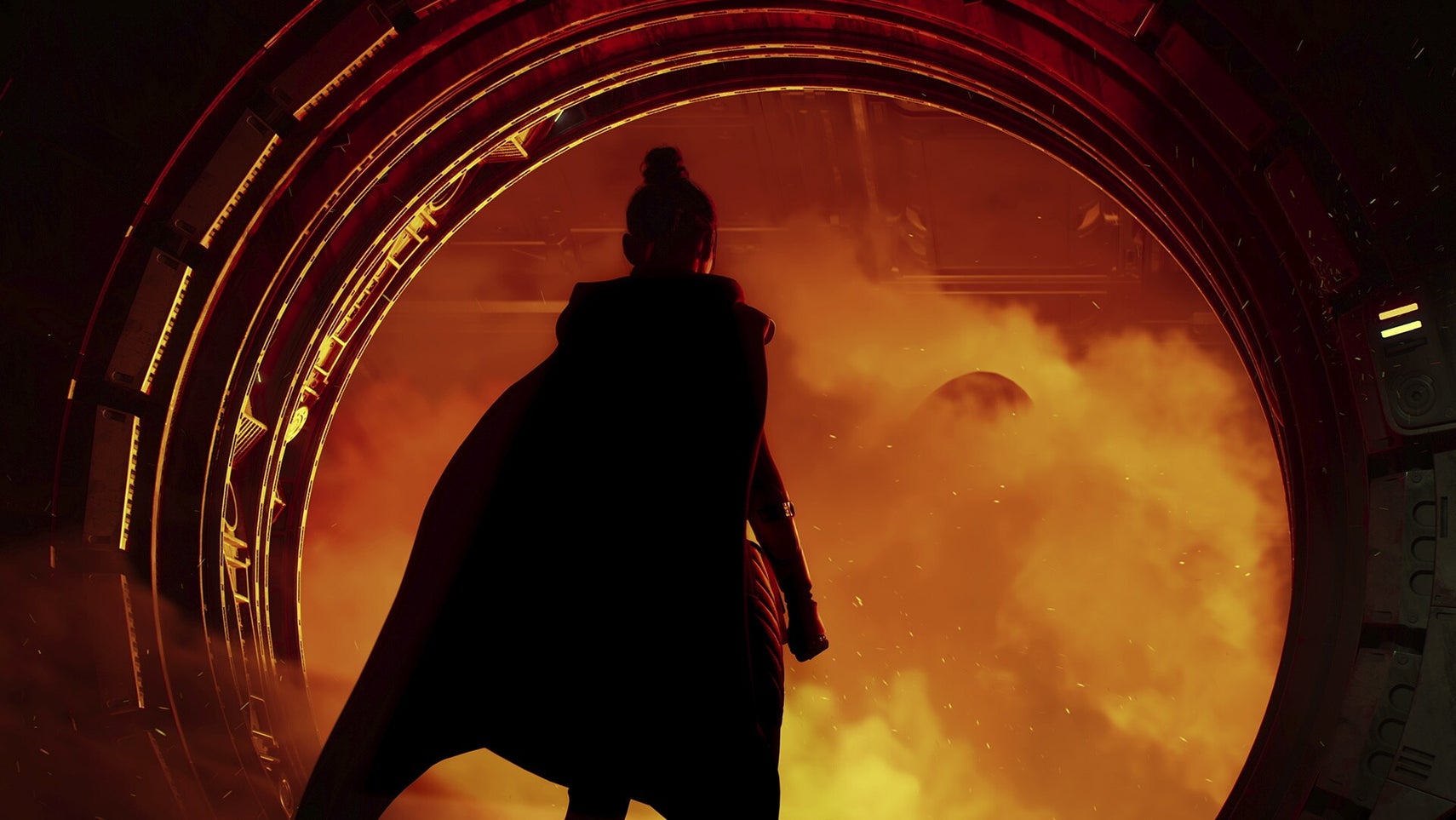
Arcanaut Studios’ debut title, Star Wars: Fate of the Old Republic, was unveiled at The Game Awards 2025, sending ripples of excitement through the gaming community. The announcement signifies a triumphant return for Hudson to a galaxy far, far away, and specifically to a revered era of the Star Wars universe that fans have long yearned to revisit. With Hudson at the helm, expectations are understandably sky-high for Arcanaut to deliver a game that not only honors the legacy of its predecessor but also pushes the boundaries of modern RPG design, capitalizing on the creative freedom and robust support offered by GTG.
BulletFarm: David Vonderhaar’s Next Battlefield
The second cornerstone of GTG’s portfolio is BulletFarm, led by David Vonderhaar. For years, Vonderhaar was a central figure at Treyarch, the studio behind some of the most successful iterations of Activision’s colossal Call of Duty franchise, particularly the Black Ops series. His expertise lies in crafting tight, responsive first-person shooter mechanics, compelling multiplayer experiences, and engaging co-operative modes that have captivated millions of players worldwide. His design philosophy has consistently prioritized gameplay feel, strategic depth, and the relentless pursuit of player engagement.
BulletFarm is currently in the nascent stages of developing a new first-person multiplayer/co-operative title. This project is poised to leverage Vonderhaar’s unparalleled experience in the genre, promising an innovative take on competitive and collaborative gameplay. The investment in BulletFarm also carries a subtle narrative resonance, given that NetEase, under Zhu’s previous leadership, had reduced its investments in the studio. Now, under the GTG banner, Vonderhaar and his team have found renewed and comprehensive backing, signaling a fresh start and the opportunity to fully realize their vision without the constraints that may have existed previously.
MAGship: Forging IP Across Media
Completing the initial triumvirate is MAGship in Tokyo, headed by Masato Saki. Saki’s background as a former Konami executive, particularly during the international expansion of the Yu-Gi-Oh! franchise, highlights a keen understanding of intellectual property development and cross-media strategy. Yu-Gi-Oh! transcended its origins as a manga to become a global phenomenon encompassing trading card games, video games, anime, and various merchandise, showcasing the power of a well-managed IP ecosystem.
MAGship’s focus will be on investing in Japanese anime projects, which GTG identifies as a "core pillar of [its] overall IP strategy." This move demonstrates GTG’s ambition to extend beyond traditional game development, recognizing the synergistic potential of integrating gaming IP with other forms of entertainment. By nurturing anime projects, MAGship will not only tap into a vibrant and globally popular cultural medium but also lay the groundwork for developing new, multi-faceted IPs that can be translated into games, or conversely, create anime adaptations of games developed by Arcanaut or BulletFarm. This holistic approach to IP management could provide GTG with a significant competitive advantage in a market increasingly valuing interconnected entertainment universes.
A New Model for Creative Freedom: Addressing Industry Challenges
Simon Zhu’s articulation of GTG’s mission is particularly insightful, touching upon widely acknowledged pain points within the modern game development industry. "GTG is bringing common sense back to the games industry," Zhu stated, emphasizing a refocus on fundamental principles. "We’re refocusing on the fundamentals: gaming is first and foremost entertainment. Our job is to give players what they truly want. Great games have always come from the authentic self-expression of their talented creators."
This statement directly challenges the prevailing trends of corporate oversight, aggressive monetization strategies, and the pressures of rapid release cycles that can stifle creativity and lead to developer burnout. Zhu’s philosophy champions a return to core values, where the intrinsic joy of creating and playing games takes precedence.
He elaborated on the increasing difficulty of game development: "Making good games has become increasingly challenging in the modern era of game development. Our role is to create the right conditions for creators to work on their dream projects, so they can devote the vast majority of their time and energy building their game, free from unnecessary distractions. That’s the proven formula behind most of the greatest games ever made."
This echoes a sentiment shared by many veteran developers who often lament the bureaucratic hurdles, financial anxieties, and external pressures that can derail even the most promising projects. By offering "full funding, end-to-end support, and autonomy," GTG aims to dismantle these barriers. The "end-to-end support" likely encompasses areas such as marketing, legal, HR, and other operational necessities, allowing creative leads like Hudson and Vonderhaar to focus on design and development without being bogged down by administrative tasks. The emphasis on "autonomy" is crucial, promising a departure from the micro-management that often characterizes traditional publisher-developer relationships.
The unique co-ownership model further reinforces this commitment to empowerment. By granting studio leadership shared equity in GTG itself, Zhu is creating a vested interest in the collective success of the entire group, fostering a collaborative ecosystem rather than a purely transactional one. This alignment of incentives is designed to attract top-tier talent and ensure long-term stability and creative output.
The Architect’s Vision: Simon Zhu’s Journey and Influence
Simon Zhu’s professional trajectory provides critical context for understanding the ambition and strategic direction of GreaterThan Group. Before establishing GTG, Zhu served as president of global investments and partnerships at NetEase, one of the world’s largest internet and game companies. In this capacity, he was instrumental in some of NetEase’s most successful ventures, showcasing a keen eye for identifying promising talent and impactful projects.
His tenure at NetEase saw him lead investments in a diverse array of successful titles, including the critically acclaimed Sky: Children of the Light by Thatgamecompany, the innovative digital card game Marvel Snap, and the widely popular battle royale title Fall Guys. Beyond direct investments, Zhu also played a crucial role in facilitating Minecraft‘s successful entry into the highly competitive Chinese market, a testament to his strategic prowess in navigating complex international landscapes and establishing significant partnerships.
These experiences equipped Zhu with a comprehensive understanding of global gaming markets, investment strategies, and the nuances of working with diverse development teams. His decision to step down from NetEase last year, particularly after the company scaled back investments in certain studios (including one that he now backs with GTG), can be seen not as a setback, but as a catalyst for pursuing a model he believes is more sustainable and beneficial for creators. It suggests a desire to implement a more hands-on, creator-first approach that perhaps wasn’t fully realizable within the larger corporate structure of NetEase. GTG, therefore, represents the culmination of his insights and aspirations, embodying a philosophy that prioritizes creative integrity and long-term vision.
Implications for the Industry: A New Horizon?
The launch of GreaterThan Group, backed by $100 million and fronted by Simon Zhu alongside an impressive roster of creative directors, carries significant implications for the global gaming industry. In an era marked by increasing consolidation, soaring development costs for AAA titles, and intense competition for player attention, GTG presents an alternative model that could prove highly disruptive.
Firstly, the substantial funding provides a lifeline for veteran developers seeking to escape the often-restrictive environments of large publishers. The promise of full funding combined with creative autonomy is a powerful lure, potentially attracting more established talent to the independent space. This could lead to a revitalization of innovative, high-budget, single-player or niche multiplayer experiences that might struggle to secure funding under more risk-averse traditional publishing models.
Secondly, GTG’s emphasis on "legacy" games and "authentic self-expression" signals a potential counter-movement against the prevalent live-service, free-to-play, and monetization-heavy trends that have dominated the industry for years. While these models have their place, many players and developers yearn for games built purely on artistic merit and deep gameplay experiences. GTG’s commitment to these values could resonate strongly with a segment of the market hungry for more creatively driven titles.
Finally, the strategic inclusion of MAGship and its focus on Japanese anime projects highlights a broader vision for intellectual property. By cultivating IPs that can thrive across multiple media, GTG is positioning itself for long-term growth and diversification, recognizing that the future of entertainment often lies in interconnected universes rather than isolated products. This cross-media strategy could unlock new revenue streams and expand the reach of GTG’s creative endeavors far beyond the gaming sphere.
Looking Ahead
GreaterThan Group’s emergence is a compelling narrative of veteran expertise meeting a refreshed vision for game development. With Simon Zhu’s leadership and the combined creative power of Casey Hudson, David Vonderhaar, and Masato Saki, GTG is not just another investment firm; it’s a statement of intent. The gaming world will be watching closely as Arcanaut Studios, BulletFarm, and MAGship begin to unveil the fruits of this ambitious new venture, anticipating whether GTG can indeed bring "common sense back to the games industry" and usher in a new era of creator-driven, legacy-defining entertainment. The stage is set for a fascinating chapter in gaming history, one that promises to prioritize the creators and, ultimately, the players who cherish great games.


 Lina Irawan