Neng Nana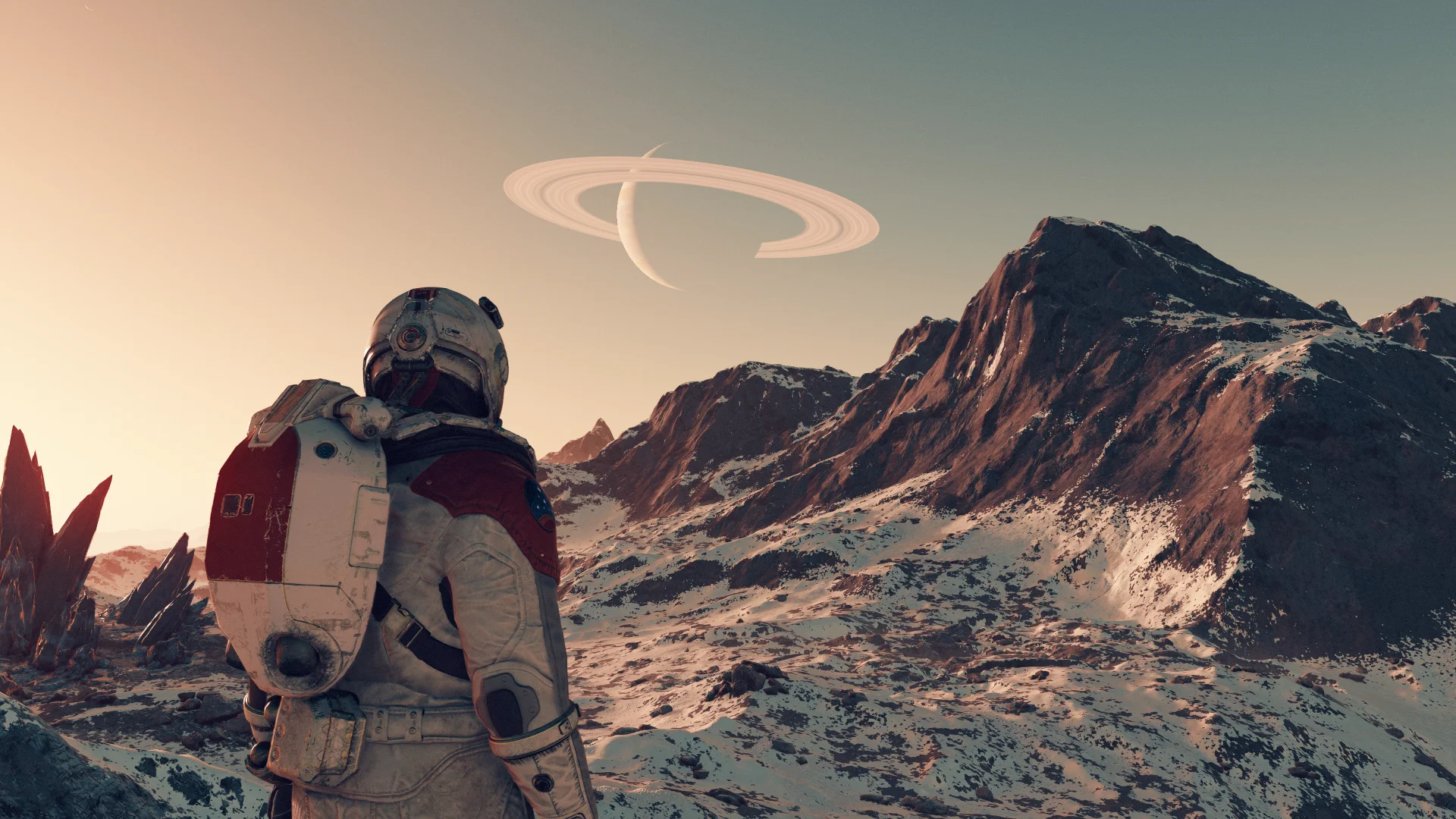
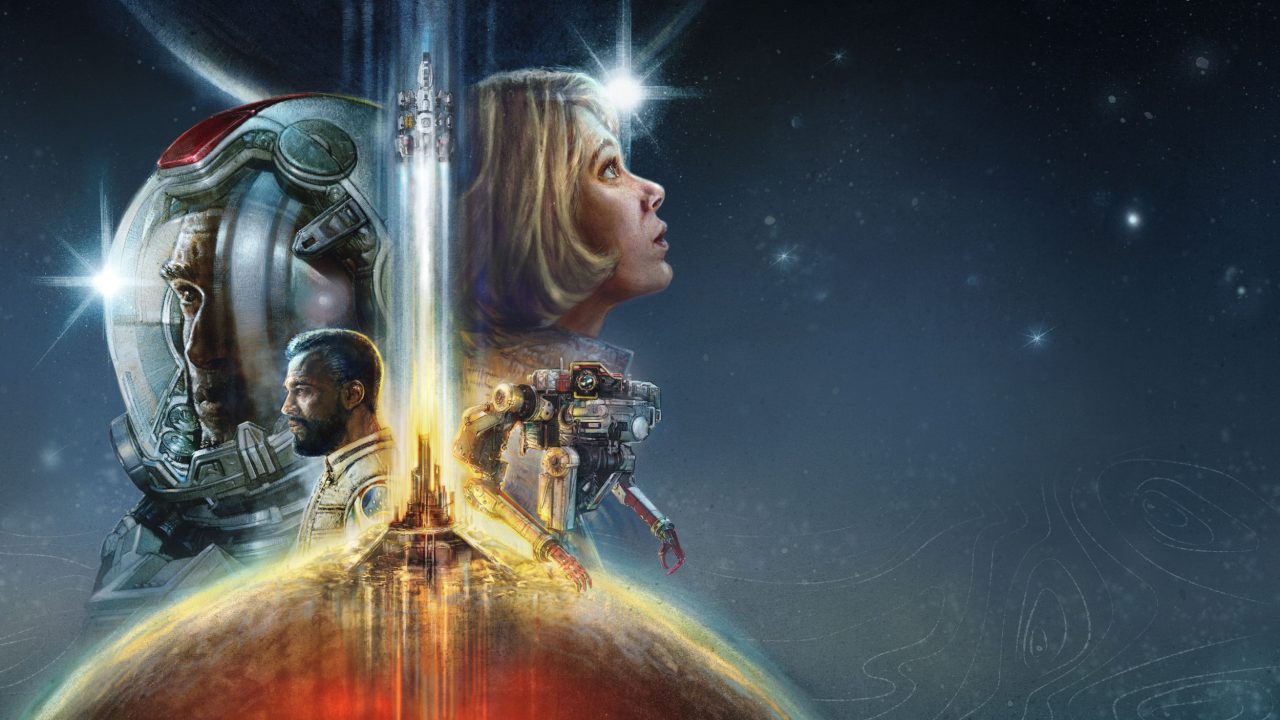
The arrival of Bethesda Game Studios’ Starfield on the PlayStation 5 is a landmark event in the gaming industry, marking the end of a long-standing period of platform exclusivity and bringing one of the most polarizing RPGs of the decade to a new audience. For those who spent the last few years observing the cacophony of discourse surrounding its initial launch, the arrival on Sony’s console serves as an invitation to finally experience the "Bethesda-in-space" experiment firsthand. However, the transition to PlayStation 5 is not the triumph some hoped for; instead, it is a complex, often frustrating journey that highlights the inherent friction between the developer’s aging design philosophy and the grand, interstellar ambitions of their latest title.
The Core Experience: A Familiar Loop in an Unfamiliar Void
At its heart, Starfield is a quintessential Bethesda RPG, draped in the aesthetic of high-concept science fiction. Players who have traversed the wastes of Fallout or the provinces of The Elder Scrolls will recognize the foundational gameplay loop immediately. It is a structure defined by the "infinite" distraction: you pick a path, find a quest, and are inevitably pulled into a web of three more tasks. You loot every desk, upgrade your gear until the inventory limit screams in protest, and promise yourself you’ll log off—only to dive into another hour of gameplay.
Yet, there is a fundamental disconnect here. Starfield markets itself as an exploration game, but the reality is much more terrestrial. It is a traditional Bethesda game that simply happens to be set in space. This distinction is critical. The fantasy of charting your own course, seamlessly transitioning from the cockpit of your ship to the surface of a mystery planet, remains largely an internal construct—a dream that the game’s reality is consistently unable to fulfill.
Chronology of the Experience: From Launch to Limbo
The progression of a typical Starfield session follows a predictable, if occasionally sluggish, rhythm:
- The Expositional Opening: The initial hours are weighed down by heavy world-building and an overwhelming number of overlapping systems that struggle to coalesce into a cohesive whole.
- The Constellation Disconnect: The central narrative, centered on the Constellation group’s search for ancient artifacts, fails to provide the narrative gravity required for a game of this magnitude.
- The "Off-the-Beaten-Path" Phase: As with previous Bethesda titles, the most engaging moments are found in the margins. Faction questlines provide a veneer of purpose, though they ultimately lack the reactive weight that defines modern role-playing excellence.
- The Procedural Plateau: As players venture deeper into the thousand-planet roster, the mask of exploration slips. The realization sets in that the game is less a vast, handcrafted universe and more a series of interconnected, repetitive hubs.
The Illusion of Choice and the Reality of Boundaries
One of the most persistent criticisms leveled at Starfield is the perceived lack of reactivity. While the game provides an abundance of dialogue choices and quest paths, these rarely lead to diverging outcomes. Characters are often protected by "narrative armor," and the world remains stubbornly static despite the player’s actions. This creates a psychological ceiling; the player feels they are shaping the story, right up until the point where the game draws a line in the sand and says, "no further."
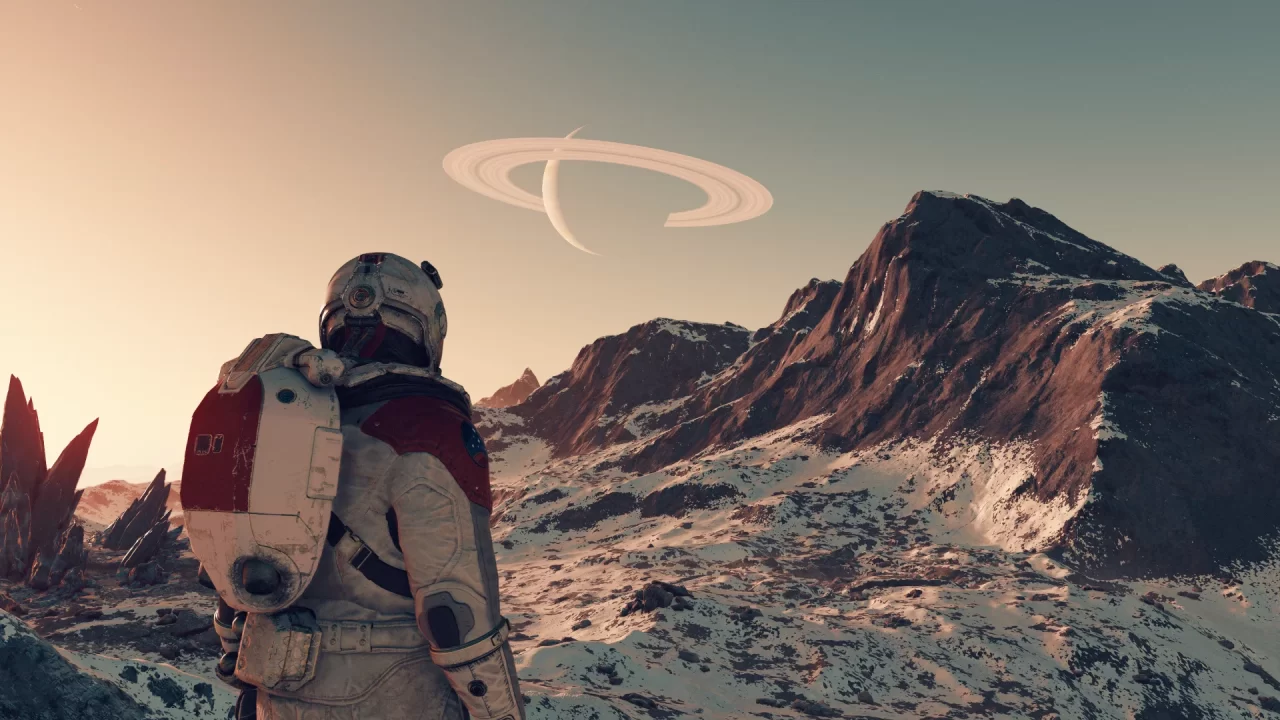
This boundary-setting is most apparent in the exploration of the cosmos itself. The procedural generation, while technically impressive in its scale, often results in worlds that feel sterile and recycled. Players quickly learn to distinguish between the hand-crafted "jewels" of the galaxy and the procedurally generated "filler" planets. Once that pattern is recognized, the sense of discovery—the very engine that should drive a space exploration game—evaporates.
Supporting Data: Customization and the "Menu-Driven" Universe
Despite the systemic flaws, the ship-building mechanics stand as a beacon of high-quality design. It is arguably the most successful system in the game, striking a near-perfect balance between deep, granular customization and accessibility. Players can spend hours tinkering with their vessel, imbuing their ship with a sense of identity that is rarely matched by the narrative content.
However, this joy is frequently interrupted by the game’s reliance on menus. To traverse the galaxy is to battle a user interface. Traveling between systems involves a series of loading screens and menu prompts that strip away the "space traveler" immersion. You are not flying through the stars; you are navigating a spreadsheet of hubs.
The "Free Lanes" Update and Its Limitations
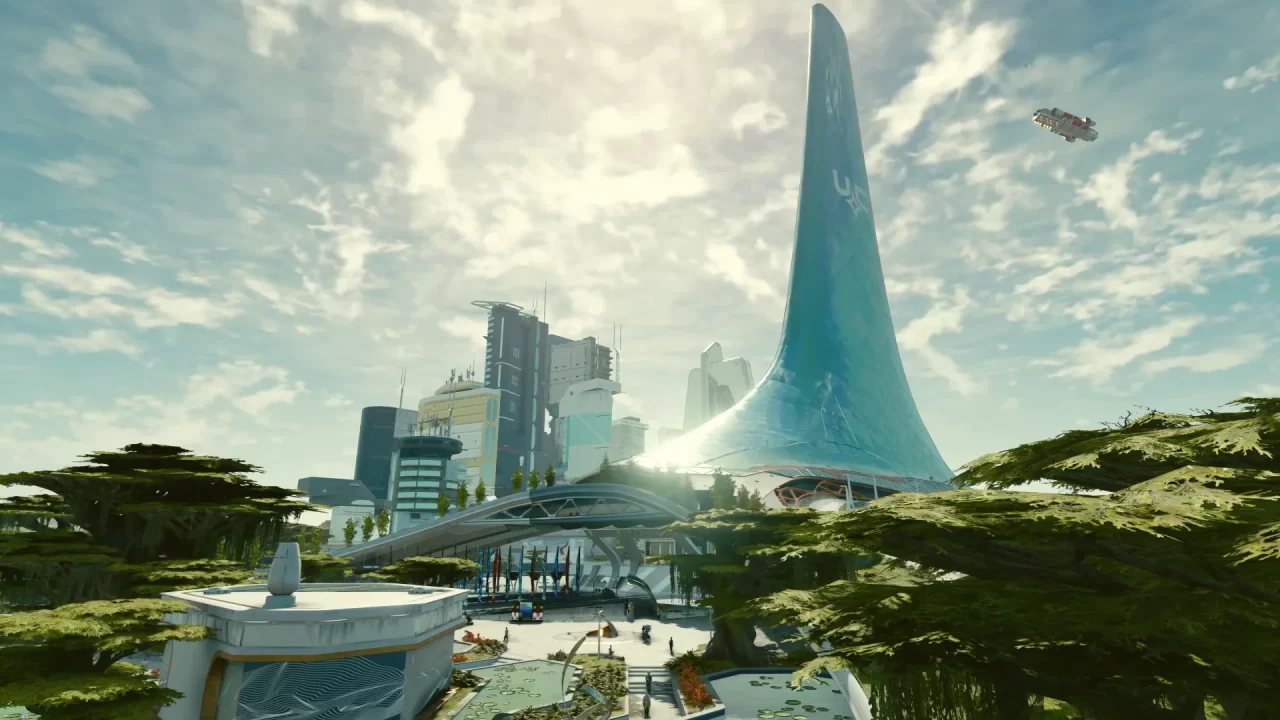
The PlayStation 5 version features the "Free Lanes" update, designed to mitigate these travel complaints with a new "Cruise Mode." This allows for activities like workbench usage and companion dialogue while on autopilot. While a welcome quality-of-life improvement, it does not address the fundamental issue: space in Starfield is a void you pass through rather than a space you inhabit. It remains a transitional space, a hurdle to jump over to get to the next objective, rather than a living, breathing environment.
Technical Instability: The Elephant in the Room
The most damning aspect of the PlayStation 5 port is its technical performance. In a market where players expect a high degree of stability, Starfield falls short. Throughout the review process, the game was plagued by recurring crashes. These were not mere graphical stutters; they were total system-level failures that forced players to revert to significantly older save files, effectively erasing hours of progress.
Loading into a new area, particularly in dense urban environments like New Atlantis, often felt like a gamble. When a game’s core loop requires constant travel and scene-switching, such instability is not merely an inconvenience—it is a catastrophic failure of the user experience.
Official Responses and Industry Context
Bethesda Game Studios has acknowledged the instability, with public statements indicating that internal teams are working on patches to resolve the memory leaks and crash triggers affecting the PlayStation 5 build. However, for the consumer, the damage is already done. The reputation of the title, already bruised by its initial reception on other platforms, has not been rehabilitated by this port.
The musical score by Inon Zur provides a professional, albeit forgettable, backdrop. While the orchestral swells capture the "wonder of space," the music rarely lingers in the mind, echoing the game’s broader issue: it is a product that hits all the right notes on a technical checklist but lacks the soul and cohesion to make the experience truly memorable.
Implications: A Crossroads for Bethesda
The state of Starfield on PlayStation 5 invites a broader conversation about the future of the "Bethesda Formula." For years, the studio has relied on the promise of "emergent gameplay" and "infinite exploration" to carry their titles. Yet, as modern audiences become more accustomed to the high reactivity of titles like Baldur’s Gate 3 or the seamless traversal of contemporary space simulators, the cracks in the Bethesda foundation are becoming impossible to ignore.
The game sits in a state of permanent tension. It is a massive project that constantly gets in its own way, filtering the wonder of the cosmos through a lens of outdated menus, repetitive encounters, and persistent technical instability.
Conclusion: Who is this for?
Ultimately, Starfield on PS5 is a mirror for the player’s own expectations. If you are a fan of the traditional Bethesda loop—the obsessive inventory management, the endless side-quests, and the slow, deliberate pace of upgrading gear—you may find enough here to pass the time. However, if you are looking for a seamless, immersive space exploration fantasy that respects your time and agency, Starfield remains a cautionary tale. It is a game that almost works, and then it crashes, leaving the player in the cold, silent dark of the void.


 Asro
Asro
 Muslim