Evan Lee Salim
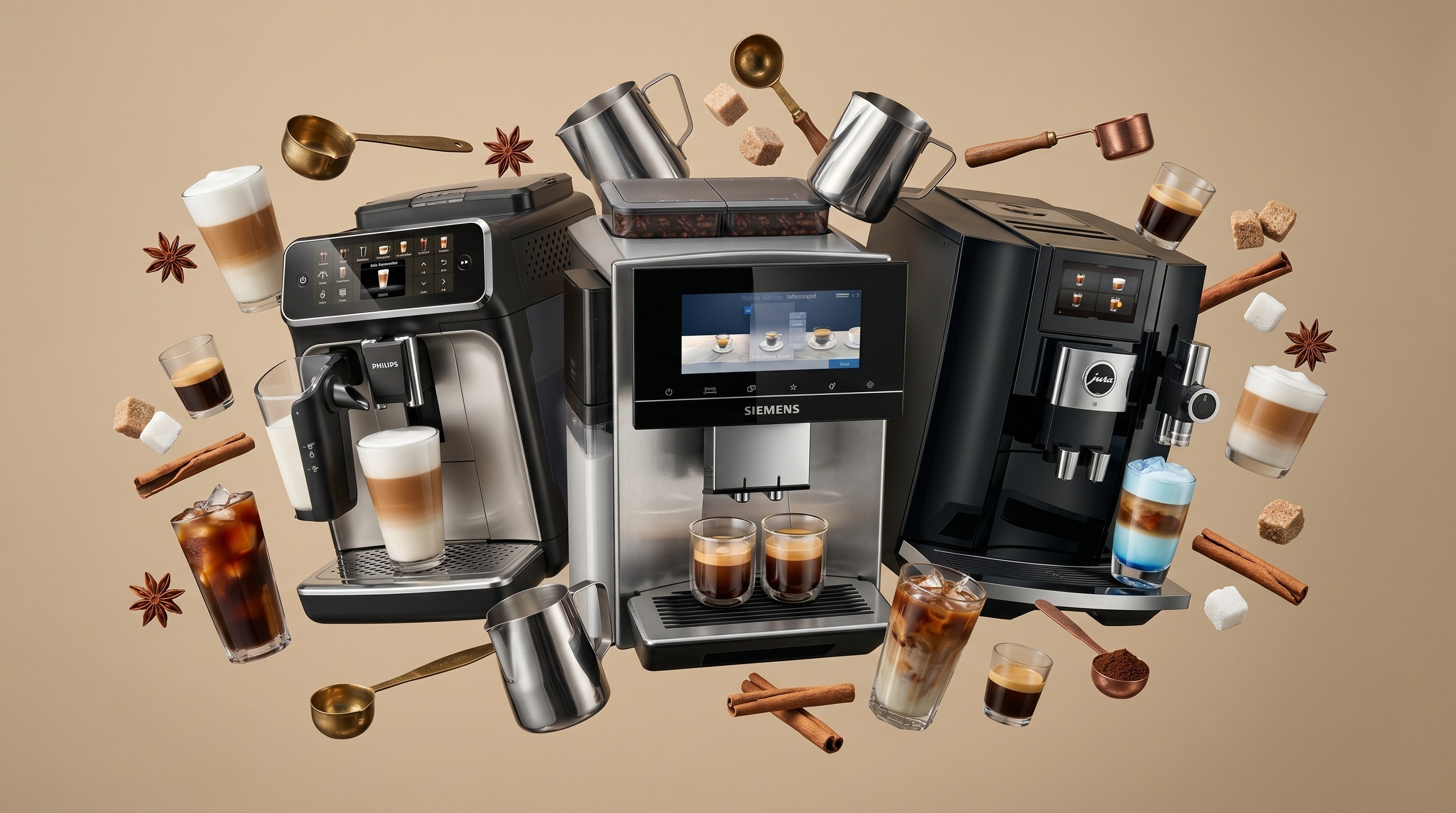
If your daily visit to the local coffee shop is beginning to strain your finances, you are certainly not alone. With the average cost of a premium latte continuing to climb, the appeal of "home-brewing" has transitioned from a niche hobby for aficionados to a mainstream financial and lifestyle strategy. By investing in a high-quality automatic coffee machine, you can replicate cafe-grade espresso and micro-foam textures with the simple touch of a button, all while avoiding the morning queues.
As the Homes Editor at TechRadar and a certified barista through the Specialty Coffee Association (SCA), I spend my year rigorously testing over a dozen high-end coffee makers. After extensive evaluation of extraction quality, thermal stability, milk-texturing capabilities, and maintenance protocols, I have narrowed down the field to three standout machines that cater to different needs—from the space-conscious urbanite to the luxury-seeking enthusiast.
The Financial and Culinary Case for Home Brewing
The primary driver for the current surge in home coffee machine sales is a combination of inflation and the desire for personalization. A standard latte purchased at a high-street chain can cost upwards of $5.00 to $7.00. Over the course of a work year, that habit can total well over $1,500. While the initial outlay for a professional-grade automatic machine is significant, the "cost per cup" drops dramatically within the first 12 to 18 months, essentially paying for the hardware through long-term savings on retail markups.
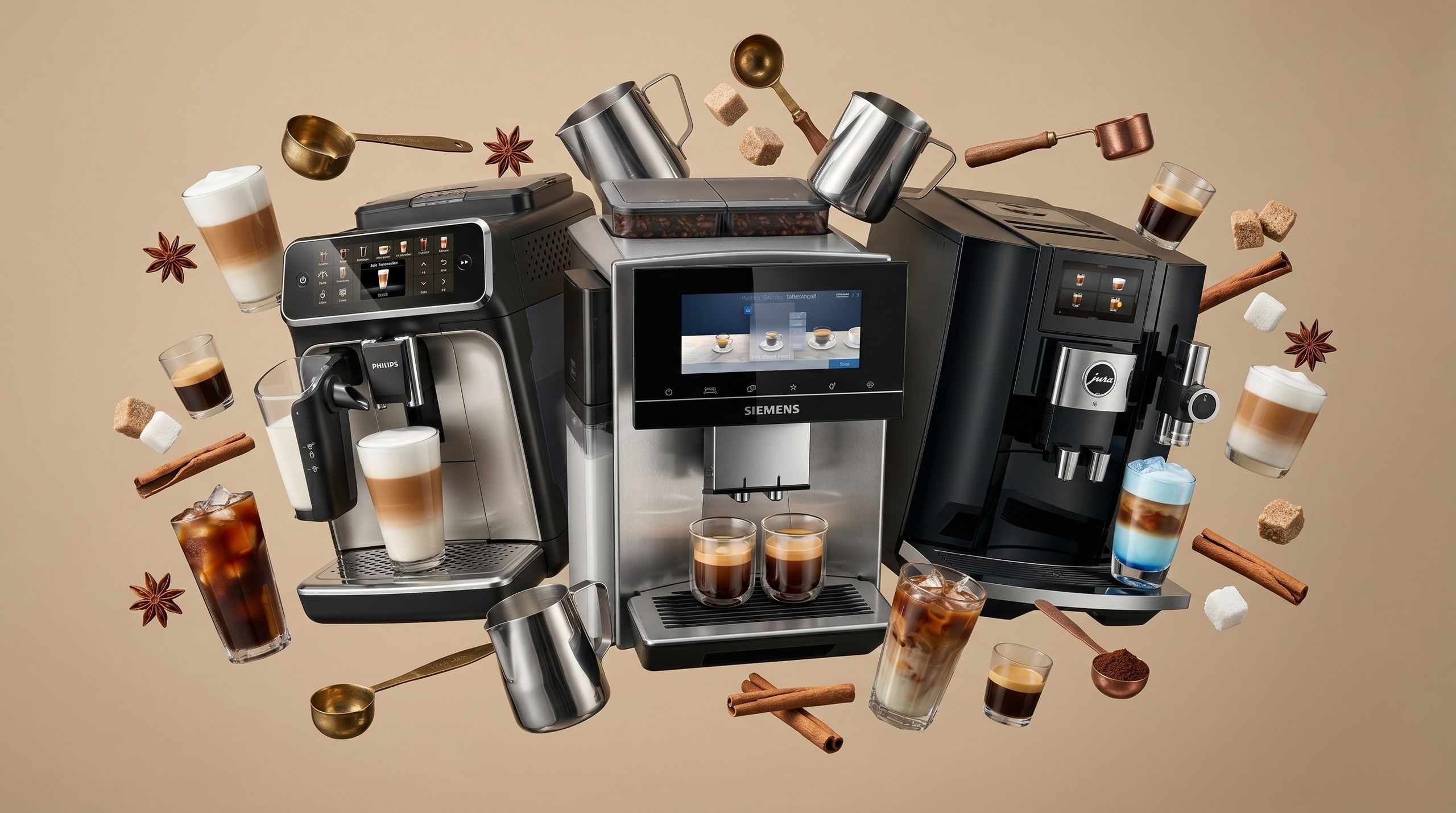
Beyond the balance sheet, there is the matter of quality. Many automated bean-to-cup machines now feature precision ceramic or steel grinders, PID temperature controllers, and sophisticated milk-frothing systems that rival the equipment found in commercial cafes.
Essential Entry Points for Aspiring Baristas
If you aren’t quite ready for a fully automatic bean-to-cup system, the market offers several high-performance, semi-automatic alternatives. Machines like the De’Longhi Dedica Duo or the Breville Bambino provide a more tactile, "hands-on" experience. These models are compact and equipped with commercial-style steam wands, allowing users to develop the manual skills required to create latte art. For those who prioritize simplicity, standalone milk frothers such as the Dreo Baristamaker or the Smeg Mini Milk Frother offer a bridge between basic home brewing and professional results without the complexities of a full machine setup.
1. Philips LatteGo 5500 Series: The Compact Efficiency King
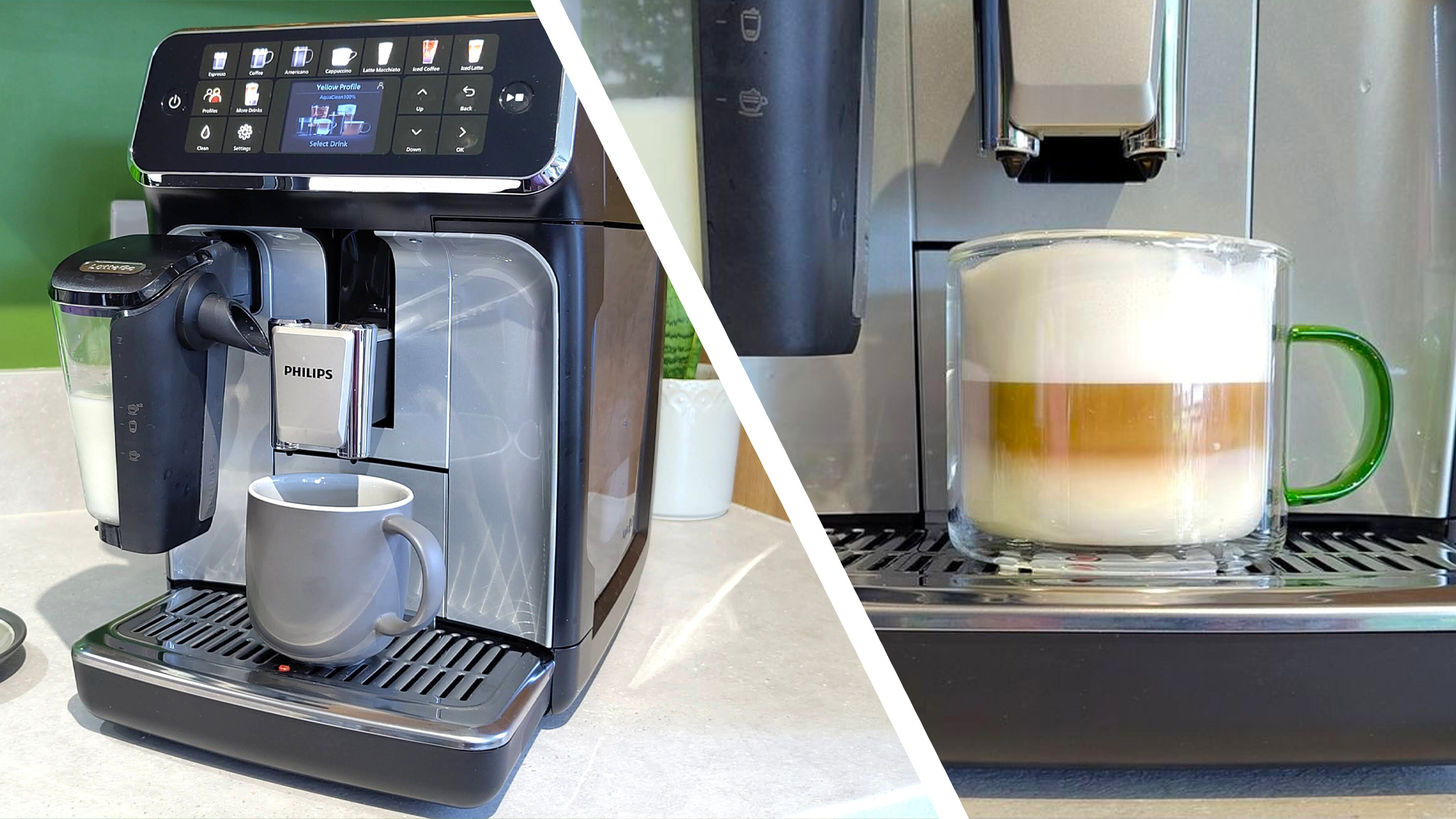
For the individual who values counter space as much as flavor profile, the Philips LatteGo 5500 Series is an industry-leading contender. Its design philosophy centers on a "less is more" approach, making it an ideal candidate for smaller kitchens where footprint is at a premium.
Performance and Engineering
The LatteGo system is a masterclass in clever, low-maintenance design. Unlike traditional automatic machines that rely on complex internal milk tubing—which can be notoriously difficult to sanitize—the LatteGo utilizes a modular, two-piece carafe. Milk never enters the machine’s internal plumbing, significantly reducing the risk of bacterial buildup and the chore of deep-cleaning.
The ceramic grinder is the machine’s secret weapon. It is remarkably consistent, offering a fine-tuning range that allows users to dial in their espresso to the precise grind size required for specific roasts. During my testing, I found the espresso extraction to be remarkably balanced, avoiding the sourness often found in entry-level machines.
- Pros: Minimal cleaning required; compact footprint; highly intuitive user interface.
- Cons: The milk dispenser is fixed in height, necessitating precise cup placement to avoid splattering.
2. Siemens EQ900 Plus: The Connoisseur’s Choice
When performance meets high-end aesthetics, the Siemens EQ900 Plus emerges as the gold standard. While it carries a premium price, the user experience is arguably the most sophisticated currently available on the consumer market.
Dual-Hopper Versatility
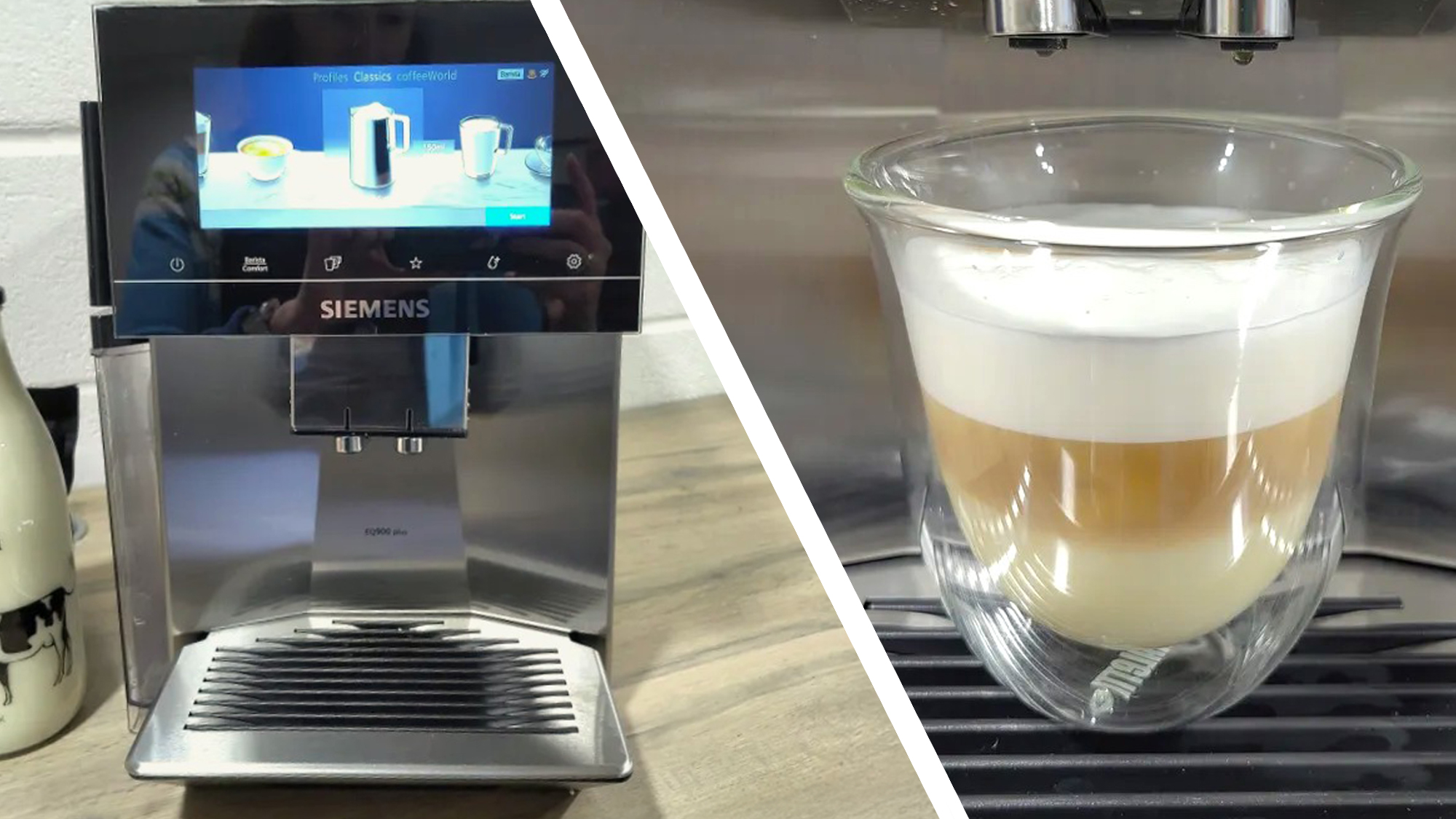
The standout feature of the EQ900 Plus is its dual-hopper system. Most home machines force you to commit to one bag of beans at a time, making it frustrating to switch between a morning caffeinated blend and an evening decaf roast. Siemens has solved this by incorporating two separate bean containers, each with its own dedicated grinder. This means you can switch coffee profiles instantly without purging the system or compromising the grind settings.
Professional-Grade Milk Texturing
The Siemens excels at creating a "latte macchiato" with distinct layers of espresso and foam. The 6.8-inch color touchscreen provides granular control over strength, temperature, and milk-to-coffee ratios. Furthermore, the machine’s maintenance program is proactive; the EQ900 Plus includes a specialized chamber for cleaning tablets, ensuring the internal brewing unit remains in peak condition without requiring constant manual intervention.
3. Jura J10: Innovation and the "Sweetfoam" Experience
For those who find standard lattes a bit pedestrian, the Jura J10 represents the bleeding edge of home coffee technology. It is a machine designed for the experimentalist who wants café-level customization without the mess of manual syrup handling.
The "Sweetfoam" Breakthrough
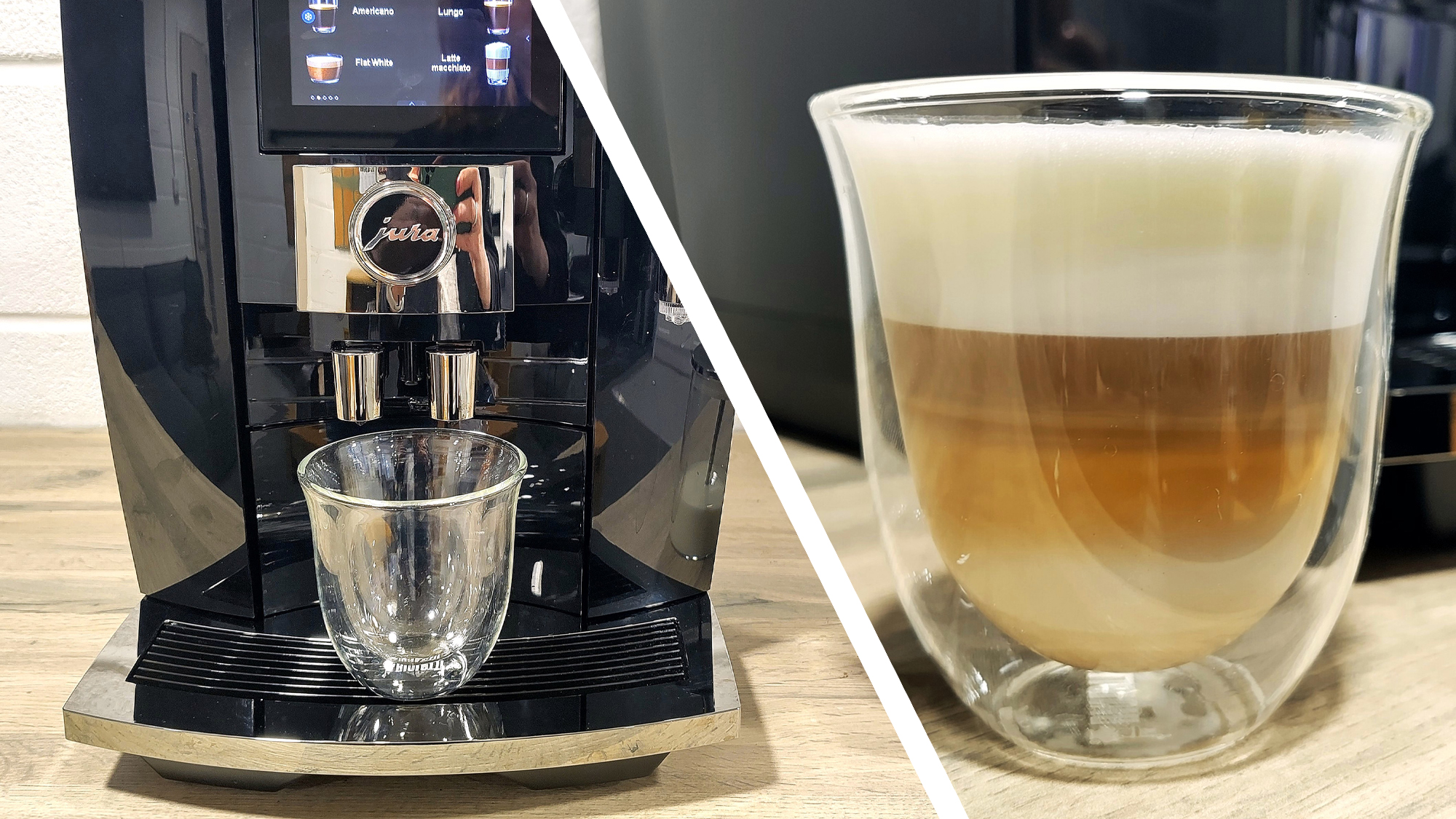
One of the most common complaints among home users is that syrup added to a finished drink sinks to the bottom, resulting in an uneven flavor profile. The Jura J10’s "Sweetfoam" system integrates syrup directly into the milk-frothing process. As the milk is heated and foamed, the machine draws in the syrup, infusing it into the micro-foam itself. The result is a stabilized, sweet foam that maintains its structural integrity and flavor consistency until the very last sip.
Technological Intelligence: Coffee Eye
The J10 also features "Coffee Eye," an intelligent sensor array that detects the position of your cup under the dual dispensers. If you place your mug under the coffee-only spout, the menu adjusts accordingly; if you place it under the milk-capable spout, the machine prompts you for milk-based drink options. It is a highly polished, user-friendly interface that removes the guesswork from complex drink preparation.
Technical Comparison and Maintenance Considerations
| Feature | Philips LatteGo 5500 | Siemens EQ900 Plus | Jura J10 |
|---|---|---|---|
| Grinder Type | Ceramic | Dual Ceramic | AromaG3 (High-Speed) |
| Best For | Space-saving/Simplicity | Customization/Versatility | Advanced Features/Syrups |
| Maintenance | Low (Dishwasher safe) | Automated Cleaning | Automated/Self-Cleaning |
| Unique Selling Point | Easy-clean milk carafe | Dual bean hoppers | Sweetfoam infusion |
The Role of Maintenance
Regardless of the model, the longevity of a high-end coffee machine is entirely dependent on routine care. Bean-to-cup machines rely on a brewing unit that must be kept free of old coffee oils. All three models mentioned here include automated descaling and cleaning cycles, which are vital for maintaining the thermal stability of the water heater and the pressure of the pump.
As a certified barista, I recommend utilizing filtered water in all these machines. Hard water is the primary cause of premature failure in high-pressure espresso pumps. Using a quality water filter not only protects your investment but also significantly improves the clarity of the espresso’s flavor notes.
Final Implications: Is Now the Time to Buy?
The shift toward at-home coffee preparation is not merely a passing trend; it is a structural change in how consumers interact with their daily beverages. By automating the technical aspects of espresso extraction and milk texturing, these manufacturers have successfully democratized the role of the barista.
Whether you choose the compact efficiency of the Philips LatteGo, the dual-hopper convenience of the Siemens EQ900, or the innovative syrup-infusion capabilities of the Jura J10, the end result is a significant upgrade to your home environment. You are no longer just making coffee; you are crafting an experience that saves money, reduces waste, and—most importantly—delivers a superior cup, every single morning.


 Nana
Nana
 Basiran