

As of May 15, 2026, Japan finds itself at a unique crossroads of technological innovation, public health challenges, and cultural evolution. From the whimsical transformation of the Noto Peninsula’s infrastructure to the sober realities of international health crises and supply chain disruptions, this week’s developments offer a comprehensive snapshot of a nation adapting to an ever-changing global landscape.
1. Noto Peninsula’s Pokémon-Themed Revival
In an imaginative effort to revitalize the Noto Peninsula following the catastrophic earthquake on New Year’s Day 2024, the Ishikawa Prefectural Government has unveiled plans for the world’s first official Pokémon-themed airport.
The Launch and Vision
Starting July 7, Noto Satoyama Airport will be rebranded as the “Noto Satoyama Pokémon With You Airport.” This initiative is a core component of the "Pokémon With You" charity campaign, a long-term commitment to providing emotional and structural support to communities across Japan. The collaboration is slated to run through September 2029, serving as a cornerstone of the regional recovery strategy.
Cultural and Economic Impact
The project is more than just a tourist attraction; it is a symbol of resilience. The rebranding, proposed in April 2025, integrates 111 distinct Pokémon characters throughout the facility, alongside exclusive merchandise designed to draw visitors back to the area. Beyond the airport, the prefecture has been rolling out a suite of Pokémon-themed infrastructure, including specialized manhole covers and the recently inaugurated Pokémon-themed hot spring footbath in Wakura Onsen, effectively turning the region into a destination for fans and families alike.

2. Supply Chain Strains: Calbee’s Monochromatic Shift
In a stark illustration of how geopolitical tensions ripple through the global economy, snack giant Calbee has announced a significant shift in its aesthetic branding.
The Conflict-Driven Shortage
On Tuesday, the company revealed that 14 of its flagship products—including the iconic Potato Chips, Kappa Ebisen, and Frugra cereal—will transition to black-and-white packaging. The catalyst for this move is a critical shortage of printing ink, which the company links directly to the ongoing conflict in the Middle East. The disruption has specifically impacted the supply of naphtha, a petroleum-based raw material essential for high-quality pigment production.
Official Discrepancies
While Calbee attributes the shift to external supply chain failures, the Japanese government has maintained a contradictory stance, asserting that there are no widespread domestic supply issues. Regardless of the macro-economic cause, the visual change is set to hit retail shelves on May 25, marking a rare moment where a major consumer brand must prioritize production capacity over traditional marketing flair. Calbee is not alone; industry peers such as Mizkan, the world’s leading producer of rice vinegar, and Mire Biscuits are also navigating similar logistics hurdles.
3. The "Super Monster Wolf" and the Surge in Wildlife Conflict
As bear sightings reach record levels across rural Japan, the demand for non-lethal, tech-driven deterrents has skyrocketed.

The Robotic Guardian
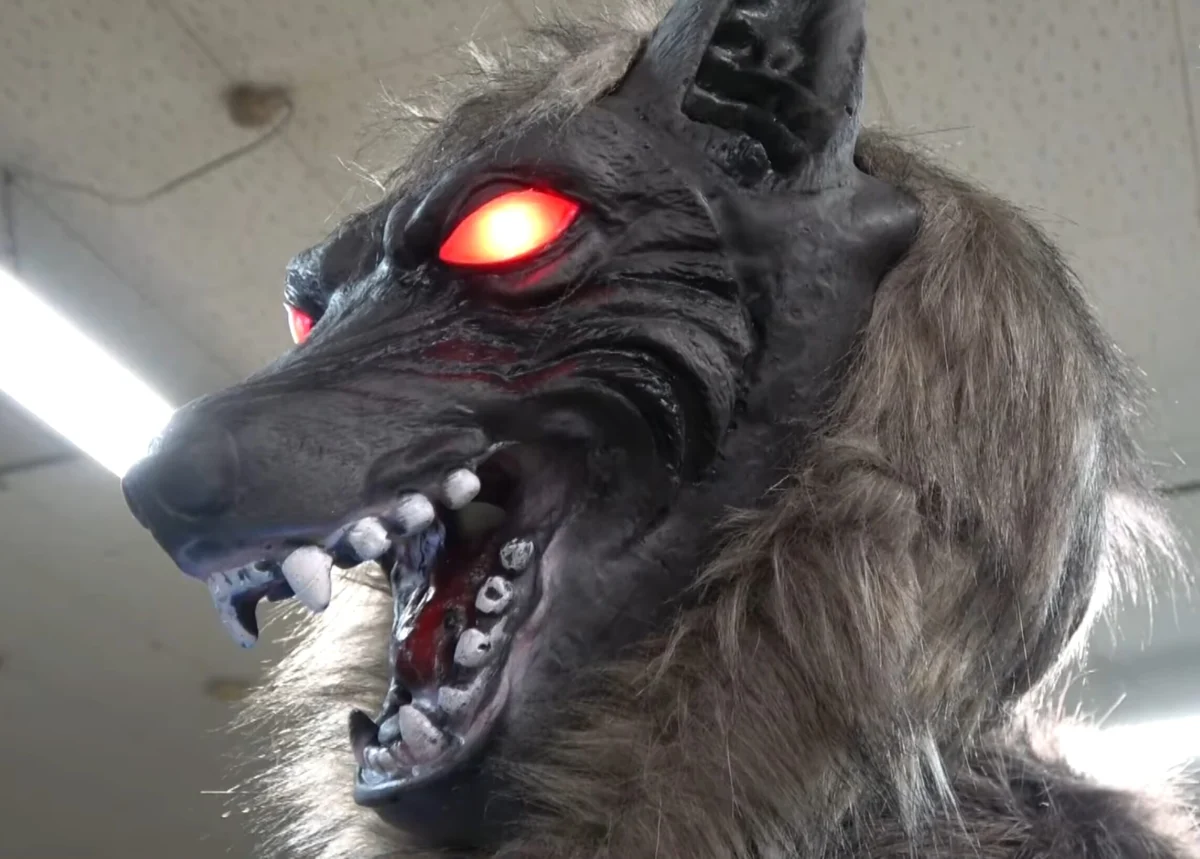
The "Super Monster Wolf," a solar-powered robotic sentry, has become the frontline defense for many Japanese communities. Measuring 65 centimeters long and 50 centimeters tall, these devices were originally introduced in 2016 by Hokkaido-based Ohta Seiki Co. However, 2026 has seen a surge in utility for the machines.
Performance and Market Demand
Equipped with motion sensors, flashing LED arrays, and an auditory arsenal of over 50 "threatening" sounds—ranging from growls to mechanical shrieks—the devices are designed to mimic a predator’s presence. Ohta Seiki president Yuji Ohta reported that the company has already fulfilled 50 orders in the first few months of 2026, a figure that typically represents their entire annual output. This trend highlights a broader struggle in rural Japan: the growing tension between expanding wildlife habitats and human settlement.
4. Security Incident on the JR Tokaido Line
Public safety remains a priority following a disturbing incident on the JR Tokaido Line this past Sunday.
Chronology of the Event
At approximately 4:40 p.m., emergency services were alerted to a situation on a commuter train near Tokyo. A female passenger reported that a suspicious liquid had been dispersed within the carriage, triggering widespread panic. More than 20 emergency vehicles converged on Kawasaki Station to contain the situation.

Medical and Legal Aftermath
While the primary victims—a woman, her husband, and their toddler—were hospitalized, officials reported no life-threatening injuries. However, a total of 10 passengers required medical attention for respiratory or sensory discomfort. By Tuesday, local police had identified and arrested a 16-year-old male. Surveillance footage proved instrumental in the investigation, and the suspect has reportedly confessed to the act, citing a desire to disrupt railway operations. The incident has reignited national debates regarding surveillance and security measures on public transit systems.
5. Global Health Protocols and the MV Hondius
The international nature of modern travel was underscored this week as a Japanese national was repatriated following a health scare aboard the cruise ship MV Hondius.
Crisis Management and Repatriation
The passenger, who had been aboard the vessel during a hantavirus outbreak, was successfully flown to the United Kingdom on Sunday. The operation was facilitated by a British government charter flight departing from Tenerife, Spain. This mission was carried out under the newly established Memorandum of Cooperation on Mutual Assistance, an agreement aimed at streamlining the protection of citizens during overseas emergencies.
Long-term Monitoring
The repatriated individual remains in good health but will undergo a mandatory 45-day health monitoring period as a precaution. Chief Cabinet Secretary Minoru Kihara has moved to calm public fears, stating that the government does not anticipate any domestic impact from the hantavirus, emphasizing that the situation is being managed through rigorous international collaboration.

6. Sports Update: Kaoru Mitoma’s World Cup Hopes
The world of Japanese football is holding its collective breath as star winger Kaoru Mitoma faces a critical injury setback.
The Injury Report
During Brighton’s decisive 3-0 victory over Wolves last Saturday, Mitoma sustained a hamstring injury that has sidelined his immediate career. Brighton manager Fabian Hürzeler confirmed on Thursday that the winger will be unavailable for the remainder of the season, missing key fixtures against Leeds and Manchester United.
Implications for the National Team
The injury casts a shadow over the upcoming World Cup, as Japan’s head coach, Hajime Moriyasu, prepares to finalize his 26-man roster. Hürzeler has urged patience, noting that the medical staff is in constant communication with the Japan Football Association. "We cannot give a clear schedule," Hürzeler stated, adding that the recovery process will dictate whether Mitoma can represent his country on the world stage. For now, the nation waits for the official squad announcement, which is expected this Friday afternoon.
Implications and Future Outlook
The events of this week highlight the multifaceted challenges facing Japan in mid-2026. Whether it is the restoration of the Noto Peninsula through cultural branding, the logistical adaptation to global supply chain disruptions, or the integration of AI-powered wildlife management, the country is consistently demonstrating an ability to pivot under pressure.

However, the incidents on the JR Tokaido Line and the health concerns surrounding international travel serve as reminders of the vulnerability inherent in modern, interconnected societies. As the government, private sector, and public figures navigate these developments, the focus remains on resilience—a trait that, as seen with the Noto revitalization project, continues to define the Japanese spirit in the face of both natural and man-made adversity.
As we look toward the remainder of the year, the success of the Pokémon Airport initiative and the recovery status of athletes like Mitoma will serve as key indicators of the nation’s overall morale and stability.











No comments yet. Be the first to join the conversation!