
 Raul Delapena Setiawan
For centuries, the Japanese archipelago has been defined by its symbiotic relationship with the forest. From the towering, ancient pillars of the Hōryū-ji Temple in Nara to the cutting-edge, gravity-defying timber lattice of the Expo 2025 main pavilion in Osaka, wood is not merely a construction material in Japan—it is a cultural anchor. While global construction trends have shifted toward steel, concrete, and carbon fiber, Japan’s commitment to timber has remained an unwavering constant, blending ancestral wisdom with high-tech preservation to meet the challenges of a modern world.
Main Facts: The Anatomy of a Wooden Nation
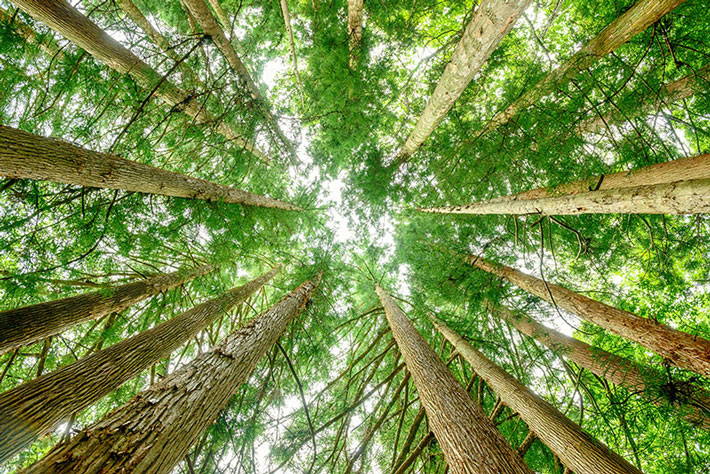
Japan’s landscape is defined by its forests, which blanket approximately two-thirds of the country’s land area. This natural abundance, nurtured by a temperate, humid climate and the distinct rhythm of four seasons, has provided a consistent supply of both coniferous and broadleaf species. Among these, Sugi (Japanese cedar) and Hinoki (Japanese cypress) stand as the pillars of Japanese identity.

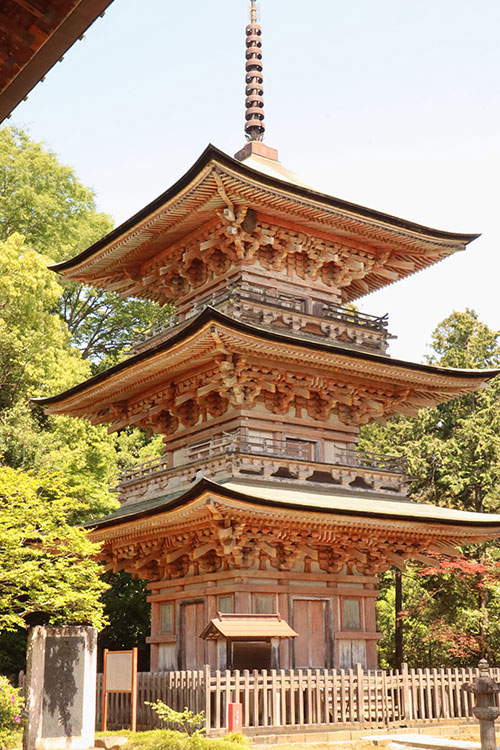
The durability of these materials is not merely theoretical; it is historic. Hinoki, prized for its subtle, calming fragrance and inherent resistance to decay and insect infestation, has enabled Japanese structures to survive for over a millennium. Hōryū-ji, widely regarded as the oldest wooden building in the world, serves as a testament to this resilience. Despite over 1,000 years of exposure to Japan’s seismic activity and fluctuating humidity, the temple retains its structural integrity, proving that wood—when selected and treated with precision—is an architectural material of unparalleled longevity.
A Chronological Perspective: From Ancient Temples to Global Standards
The narrative of Japanese wood is a continuous thread connecting the past to the future:
- 7th Century: The construction of Hōryū-ji sets the standard for temple architecture, utilizing Hinoki’s natural oils to ward off rot and pests.
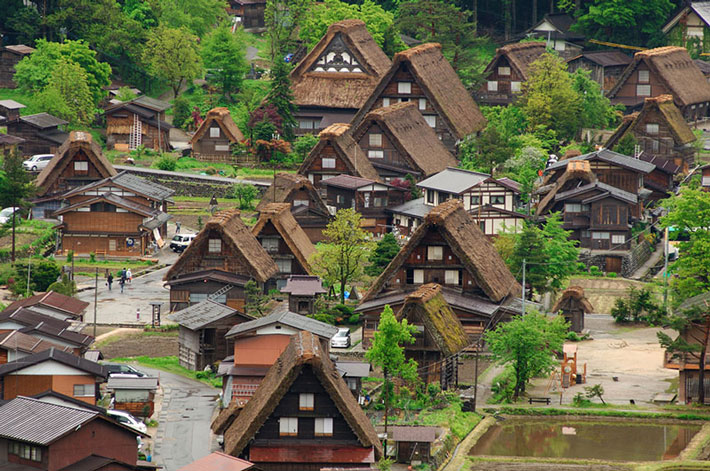
- Edo Period (1603–1868): Wooden construction reaches a refined peak in merchant houses and samurai residences, emphasizing the aesthetic interplay of grain and light.
- Post-WWII Era: Japan begins integrating Western "two-by-four" construction methods, adapting its native timber to suit global housing standards.
- 2024: A milestone is reached in April when the American Lumber Standards Committee officially certifies Hinoki-based two-by-four dimension lumber for use in the United States.
- 2025: The Expo 2025 pavilion in Osaka highlights the next generation of large-scale timber engineering, showcasing how traditional materials can facilitate modern, sustainable megaprojects.
Supporting Data: The Science of Sustainability
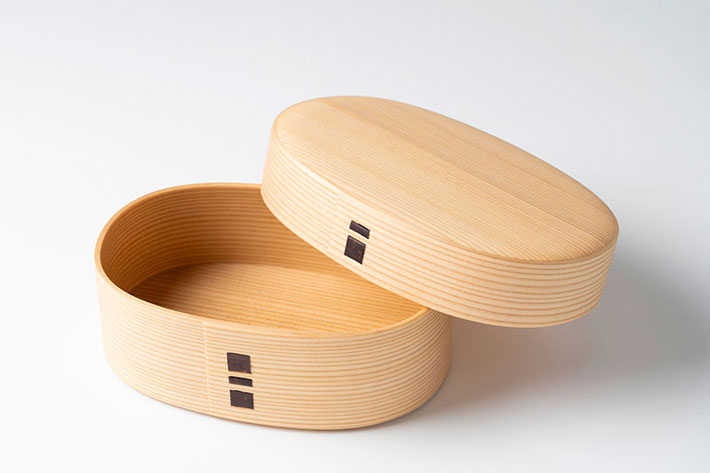
The modern endurance of Japanese wood relies on a blend of traditional craftsmanship and scientific innovation. The magewappa technique—a traditional craft involving the bending of fresh Sugi planks—remains relevant today not just for its beauty, but for its functional ability to regulate humidity in food storage.
However, the industry has also embraced chemical-free innovation to enhance performance. The introduction of S-Tech (Nitrogen Heat Treatment) represents a significant leap forward. By heating wood to temperatures exceeding 200°C (392°F) in a nitrogen-rich environment, engineers can decompose the organic components that trigger decay. This process effectively "immunizes" the timber against moisture and insects without the need for synthetic, toxic preservatives. Boardwalks treated with this technology have demonstrated sustained integrity for over two decades, providing a low-impact, high-durability solution for infrastructure.
Furthermore, the development of preservative-treated structural plywood has revolutionized the longevity of "hidden" components—exterior walls, subflooring, and moisture-prone areas. By infusing protective agents deep into the plywood layers, builders can ensure that the structural skeleton of a home remains sound for generations, thereby reducing the environmental impact associated with premature demolition and reconstruction.
Official Responses and Strategic Implications
The Japan Wood Products Export Association (JWPEA) has been instrumental in shifting the narrative of Japanese timber from a domestic necessity to a global commodity. As the world pivots toward the Sustainable Development Goals (SDGs), the focus on wood as a carbon-sequestering material has never been more relevant.
"The global demand for high-quality, sustainable timber is rising," notes a spokesperson for the association. "By certifying our native species for international building codes, we are not just exporting wood; we are exporting a philosophy of architectural resilience."
The implications of the 2024 American certification of Hinoki are profound. For decades, Japanese timber was considered a premium domestic resource, shielded from global markets by specific regional building requirements. Now, by meeting the stringent structural standards of the North American two-by-four market, Hinoki is positioned to become a globally traded commodity, offering builders worldwide an alternative that combines the aesthetic appeal of fine furniture with the mechanical strength of industrial-grade lumber.
The Cultural-Functional Synthesis
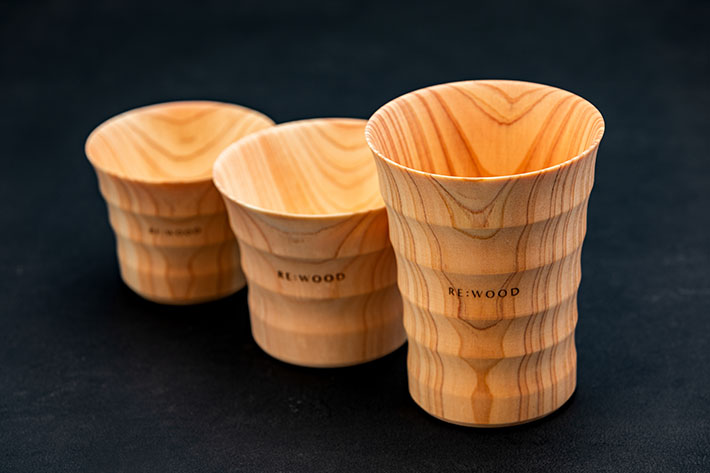
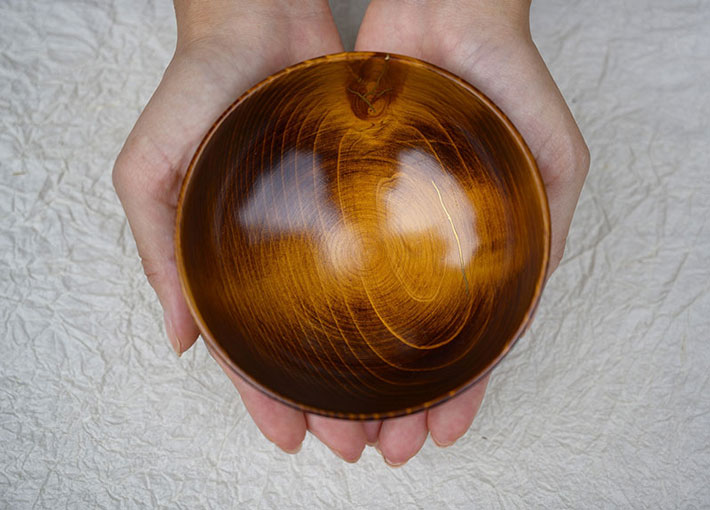
Beyond the structural, there is the sensory. Japanese cuisine relies on the aesthetic and functional properties of wood. The grain of a bowl or the texture of a lacquered tray is viewed as an essential component of the dining experience. Because wood acts as a natural insulator, it prevents heat transfer, ensuring that soup remains warm while the bowl remains comfortable to the touch. This fusion of utility and beauty—where the bowl is as much a part of the meal as the food itself—is a hallmark of the Japanese approach to material culture.
Conclusion: A Future Built on Roots
As we look toward the future of urban development, the lessons from Japan’s wooden history offer a blueprint for global sustainability. The transition from massive, ancient temples to engineered wooden skyscrapers and certified international construction materials signals a shift in the global construction psyche.
Wood is no longer seen as a "traditional" alternative to steel; it is being rediscovered as a sophisticated, high-performance material that aligns with modern environmental mandates. By marrying the ancestral knowledge of tree species—like the durable Hinoki and the flexible Sugi—with 21st-century thermal and preservative technologies, Japan is demonstrating that the most advanced way to build the future may involve looking back at the forest.
For those interested in exploring the possibilities of these materials, the Japan Wood Products Export Association continues to serve as a bridge between domestic master craftsmen and the global architectural community, proving that the future of building is as organic as it is innovative.
For more information on the potential of Japanese timber and current export initiatives, please visit the Japanese Wood Export Portal.


 Neng Nana
 Asro
Asro





