


Tokoname, a city nestled along the serene coastline of Aichi Prefecture, serves as a living museum of Japanese craftsmanship. Renowned as one of Japan’s "Six Ancient Kilns," this historic town offers far more than just traditional pottery; it provides a sensory journey through a thousand years of artistic evolution. For the modern traveler, Tokoname is a playground of aesthetics, where retro alleyways, towering chimneys, and playful cat motifs converge to create an unparalleled backdrop for photography. Easily accessible from Nagoya and the Chubu Centrair International Airport, Tokoname has transformed from a quiet industrial hub into a premier destination for those seeking to capture the quintessential spirit of "Old Japan."
The Foundation: Understanding the Historical Significance of Tokoname
To appreciate the charm of the Pottery Footpath, one must first understand its historical weight. Tokoname ware, or Tokoname-yaki, dates back to the Heian period. For centuries, the region’s high-quality clay and geography made it the heartbeat of Japanese ceramic production. The landscape is dotted with the remnants of climbing kilns (noborigama)—massive, multi-chambered brick structures that once billowed smoke across the horizon.

Today, these structures are protected cultural assets. The town’s transition from an industrial center to a tourist-friendly heritage site has been carefully managed, ensuring that the authentic atmosphere remains intact while welcoming international visitors. The area is not merely a display of pottery; it is a functioning community where the past and present coexist in the black-walled wooden houses and narrow, winding paths.
A Chronological Stroll: A Curated Itinerary
For those planning an excursion, the experience is best structured to maximize both discovery and ease of movement.
Phase 1: The Gateway – Tokoname Tourist Information Center
Every great journey begins with preparation. Located just a five-minute walk from the Meitetsu Tokoname Station, the Tokoname Tourist Information Center serves as the essential base for all travelers.
- The Service: Beyond providing maps and brochures, the center acts as a cultural concierge. Staff members offer personalized advice on sightseeing routes, local delicacies, and upcoming workshops.
- Practicality: The center provides a secure, designated space to stow luggage, allowing visitors to traverse the undulating slopes of the pottery district unencumbered—a vital feature for anyone carrying camera equipment.
- Engagement: The center also functions as a retail space for local artisans, offering unique Tokoname-ware accessories and Maneki-neko (beckoning cat) souvenirs, ensuring you take a piece of the city’s history home with you.
Phase 2: The Guardian – Encountering "Tokonyan"
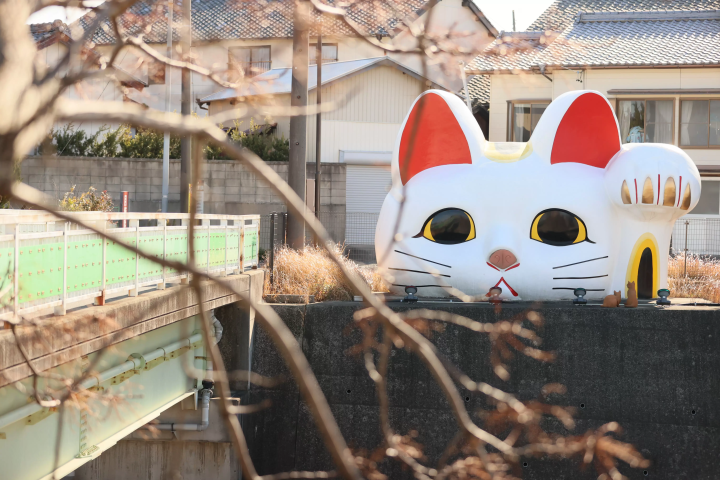
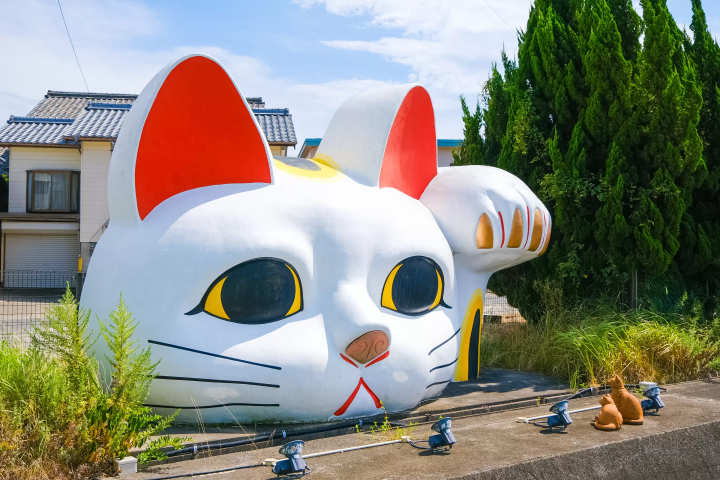
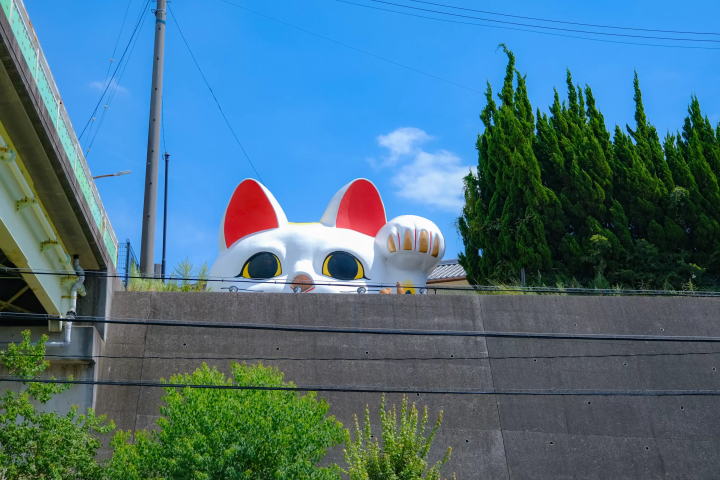
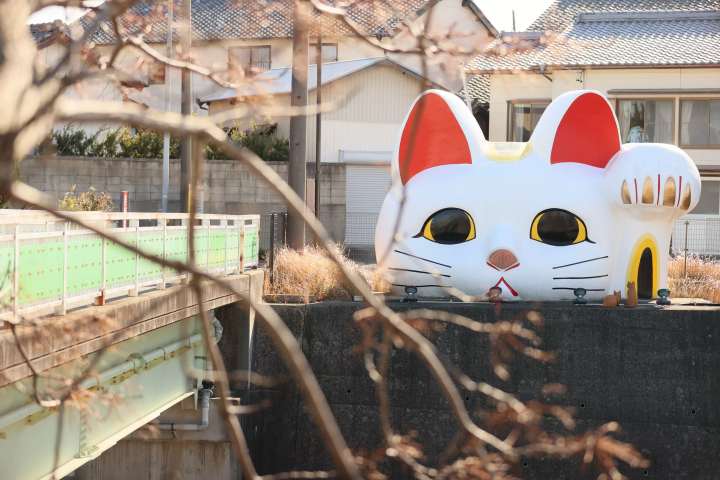
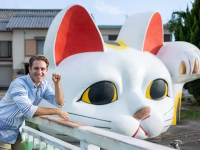
As you depart the station area, your first major encounter will be with the city’s icon: Tokonyan. This colossal beckoning cat, standing 3.8 meters high and stretching 6.3 meters wide, peeks humorously over a concrete wall. It is an engineering marvel of ceramic art and serves as the official "signpost" for the Pottery Footpath. Visitors often find that the juxtaposition of this massive, whimsical figure against the backdrop of traditional, austere architecture offers a quintessential "Tokoname" photo opportunity.

Phase 3: The Alley of Fortune – Maneki-neko Street
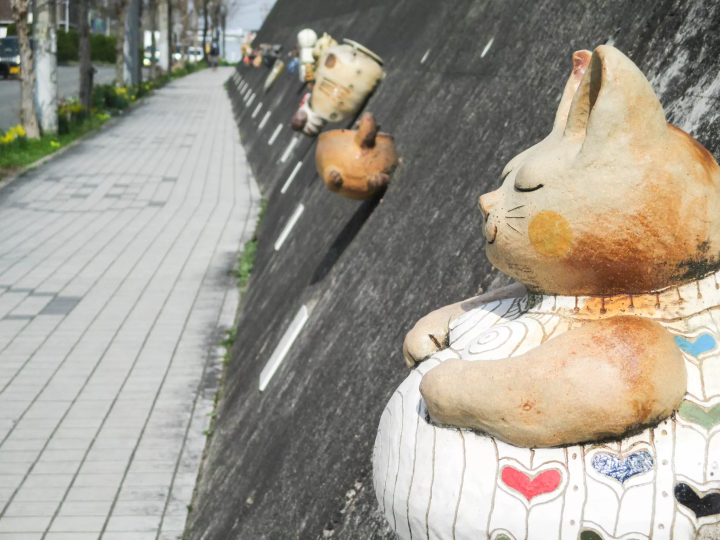
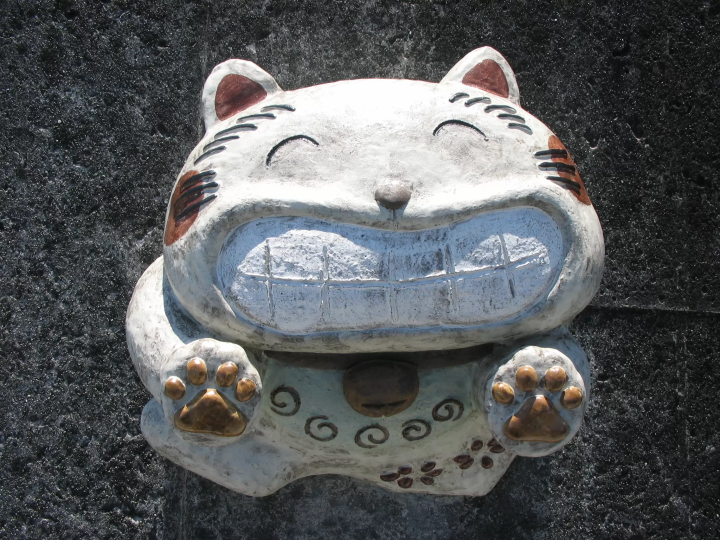
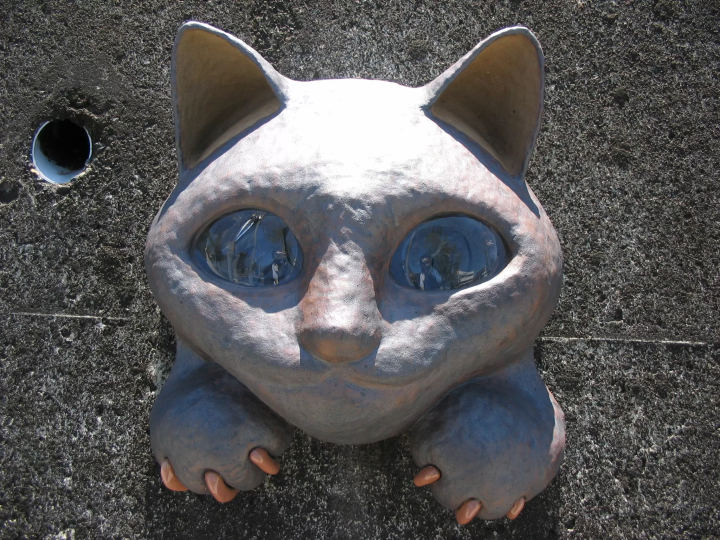
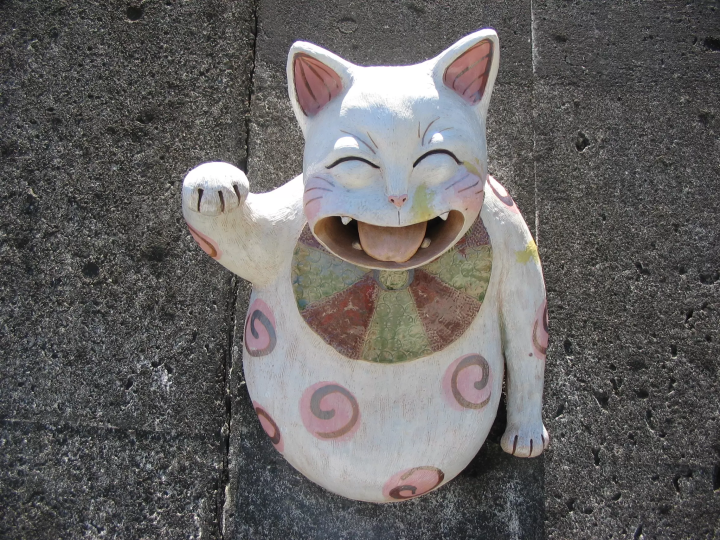
Leading toward the main path is Maneki-neko Street. This stretch is home to 39 unique, handcrafted ceramic cats, each representing different blessings—from academic success to prosperity in business. Adjacent to these are 11 hyper-realistic, life-sized ceramic cats placed strategically along the walls. The attention to detail is remarkable; even upon close inspection, these statues mirror the movements and expressions of real felines. It is a testament to the skill of the 39 local artists who contributed to this vibrant, ever-evolving street installation.
Phase 4: The Architectural Peak – Dokan-zaka (Clay Pipe Slope)
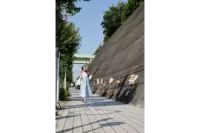
The emotional and aesthetic center of the district is undoubtedly Dokan-zaka. This historic slope is where the "industrial" meets the "artistic." The walls flanking the path are embedded with hundreds of clay pipes from the Meiji era and shochu bottles from the early Showa era. The ground itself is paved with kesawa—circular ceramic rings that were once discarded remnants from the kiln-firing process. This provides not only a unique texture for photography but also a practical, non-slip surface that has been walked upon for generations. It is, perhaps, the most photogenic spot in the city, capturing the very essence of a town built upon the foundations of its own craft.
Supporting Data: Why Tokoname Resonates with Global Travelers
The rise of Tokoname as a "photogenic destination" is supported by its unique accessibility metrics:
- Proximity: Situated only minutes from Chubu Centrair International Airport, it is the most logical "first stop" or "final stop" for tourists landing in or departing from the Chubu region.
- Infrastructure: The city’s investment in the "Pottery Footpath" signage and the preservation of the Takita Family Home (a former shipping wholesaler) allows for a self-guided experience that requires no professional guide.
- Cultural Depth: With over 1,000 years of history, the site offers more than just superficial beauty. It satisfies the growing demand for "slow travel," where visitors prefer to spend an entire day exploring a single, culturally rich locale rather than rushing between major metropolitan cities.
Official Perspectives and Community Guidelines
The local tourism board and the municipal government emphasize that while Tokoname is a tourist destination, it remains a residential area. In their official communications, they remind visitors of the "Code of Conduct":
- Respect for Residents: Do not enter private property or residential gardens.
- Photography Etiquette: Always ask for permission before photographing the interiors of local shops or private workshops.
- Road Safety: Given the narrow, winding nature of the alleys, visitors are urged not to block traffic while setting up tripods or cameras.
By adhering to these guidelines, visitors help preserve the "lived-in" charm that makes Tokoname so distinct from sanitized, purpose-built tourist attractions.
Implications for Future Tourism
Tokoname represents a successful model for "Heritage Tourism." By embracing its industrial past—turning old pipes and chimney soot into points of intrigue—the city has successfully revitalized its local economy. For the photographer, the hobbyist, and the historian, the implications are clear: the value of travel is increasingly found in these niche, authentic experiences.
As you navigate the paths, listen to the quiet sounds of the town—the wind rustling through the tall brick chimneys and the occasional chime from a nearby pottery studio. Whether you are capturing the sunlight hitting the weathered black wood of a storehouse or documenting the intricate expressions of the 39 cats on Maneki-neko Street, you are participating in a cycle of history that continues to evolve.

The Tokoname Pottery Footpath is not just a place to visit; it is a place to linger. With camera in hand and an open mind, the ordinary becomes extraordinary, and a walk through an alleyway becomes a walk through the very soul of Japan. Plan your visit, respect the local rhythm, and allow yourself to be captivated by the timeless artistry of the clay.












No comments yet. Be the first to join the conversation!