

Satire occupies a unique and precarious space in the cinematic landscape. Unlike pure comedy, which aims to elicit laughter as an end in itself, satire utilizes humor as a scalpel—a sharp, precise instrument designed to dissect the follies of individuals, institutions, and the very structure of society. It is the art of holding a mirror up to the world, reflecting our own absurdities back at us until we are forced to laugh at the very things that should keep us awake at night.
True satire is notoriously difficult to execute. It requires a delicate balance between wit and cynicism, ensuring the message is potent enough to provoke thought without sacrificing the entertainment value that keeps an audience engaged. As we analyze the history of the medium, we find that the most enduring satirical films are those that transcend their era, offering critiques that remain hauntingly relevant decades after their release.
The Anatomy of Satire: Distinguishing Humor from Critique
To understand why these 15 films stand at the pinnacle of the genre, one must first distinguish satire from its cousin, parody. While a parody might mimic the tropes of a specific genre—such as a horror film or a rock documentary—for the sake of irony or homage, satire demands a target. It seeks to expose the "why" behind the "what."
Whether it is the rampant consumerism of the 1980s, the performative nature of modern media, or the existential dread of nuclear annihilation, these films serve as cultural thermometers. They measure the temperature of the society in which they were created and often find that the world is burning.
A Chronological Examination of Cinematic Dissent
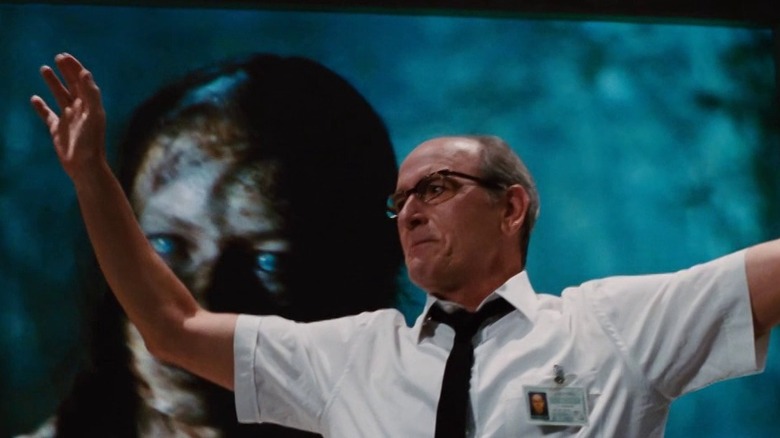
15. The Cabin in the Woods (2011)
Drew Goddard and Joss Whedon’s meta-horror masterpiece acts as a post-mortem for the slasher genre. By positioning a group of archetypal victims—the virgin, the fool, the jock—within a calculated experiment managed by bored bureaucrats, the film shifts the focus from the victims to the audience. It argues that we, the viewers, are the true monsters, demanding the same tired, blood-soaked formulas year after year.
14. Tropic Thunder (2008)
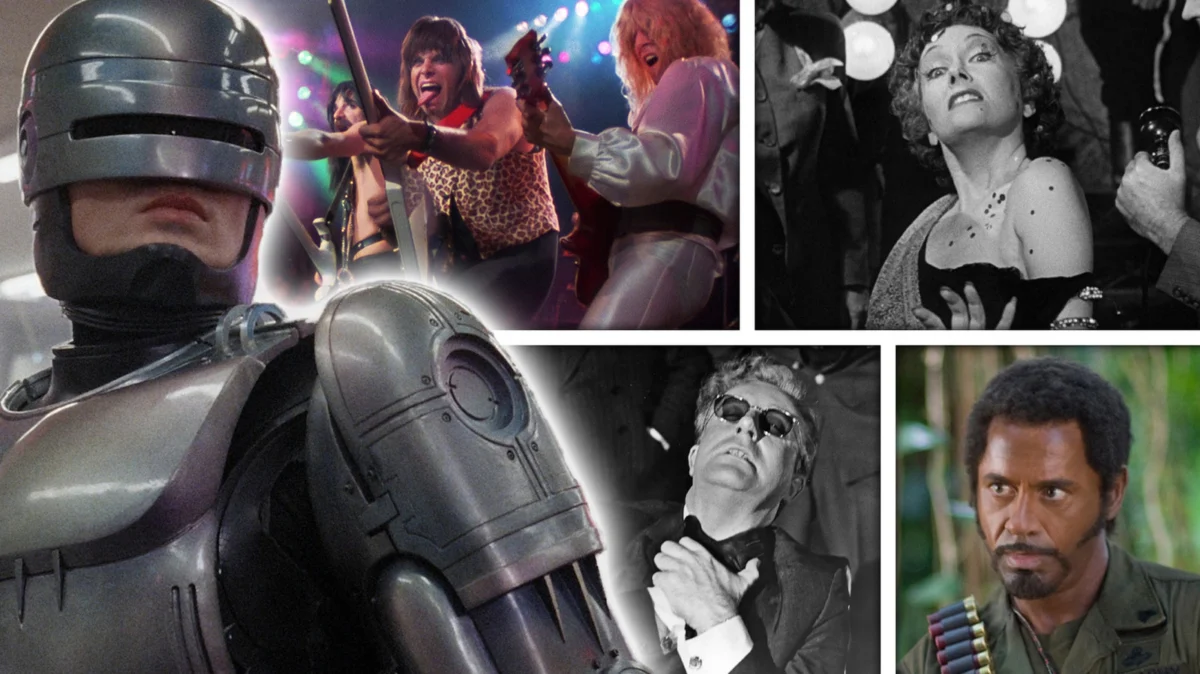
Ben Stiller’s scathing look at the Hollywood industrial complex is as hilarious as it is biting. By focusing on a group of pampered actors thrust into a real-world conflict, the film skewers the delusion of method acting and the industry’s obsession with accolades. Its refusal to apologize for its controversial content underscores the point: the joke is on the industry, not the audience.
13. Fight Club (1999)
Often misunderstood as an endorsement of toxic masculinity, David Fincher’s Fight Club is, in reality, a warning. It exposes the hollowness of modern consumerist life and the dangerous vacuum left behind when men lose their sense of purpose. It serves as a study on how charismatic, destructive ideologies can take root in a society that prioritizes material comfort over human connection.
12. Heathers (1988)
While the 1980s were filled with saccharine, feel-good teen comedies, Heathers opted to tear the high school hierarchy to shreds. It transformed the familiar "popular girl" tropes into a dark, murderous cautionary tale. By exposing the sociopathic nature of social cliques, it provided a much-needed antidote to the era’s glossy, idealized version of adolescence.

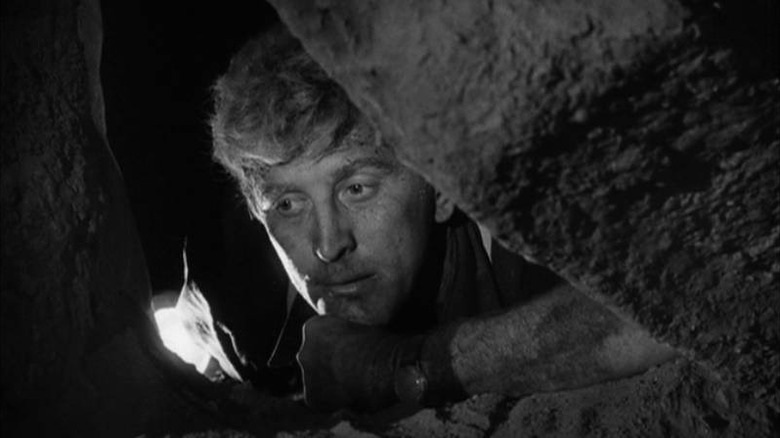
11. Ace in the Hole (1951)
Billy Wilder’s dark drama remains perhaps the most accurate critique of media ethics ever filmed. Kirk Douglas stars as a reporter who orchestrates a tragedy—a man trapped in a cave—to jumpstart his fading career. The film illustrates how, long before the 24-hour news cycle or social media, the media’s insatiable hunger for spectacle often supersedes the value of human life.
10. Scream (1996)
Wes Craven’s Scream did more than just revive the slasher genre; it intellectualized it. By having its characters acknowledge the "rules" of horror movies, the film effectively trapped its audience in a cycle of meta-commentary. It exposed how stagnant the genre had become and challenged filmmakers to innovate or face obsolescence.

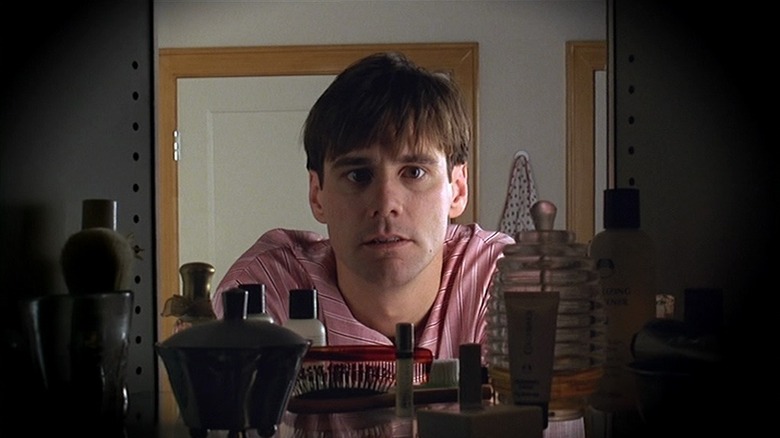
9. The Truman Show (1998)
If The Truman Show was prophetic in 1998, it is practically a documentary today. It predicted our current obsession with constant performance, vlogging, and the curation of "authentic" digital lives. The film posits that true freedom can only be achieved when one stops performing for the "audience" and steps into the reality of their own existence.
8. Monty Python’s Life of Brian (1979)
Religion and politics are the two most dangerous topics for any satirist, and the Pythons handled both with surgical precision. Life of Brian is not an attack on faith, but an attack on the blind, mindless obedience that often accompanies it. Its depiction of internal political squabbles remains a painfully accurate portrait of how factions often defeat themselves through petty disagreement.

7. They Live (1988)
John Carpenter’s sci-fi cult classic is a blunt, effective assault on late-stage capitalism. By using aliens as a metaphor for the ruling class, the film highlights the subliminal messaging inherent in advertising. It serves as a reminder that we are constantly being told to "obey" and "consume" to maintain a system that exploits the average citizen.
6. This Is Spinal Tap (1984)
Beyond being the definitive "mockumentary," This Is Spinal Tap perfectly captures the fragile, bloated egos of 1980s rock stars. It exposes the vapidity of the era’s music scene, where artistic integrity was frequently sacrificed for commercial viability and over-the-top stage gimmicks.
5. RoboCop (1987)
Paul Verhoeven’s RoboCop is a triumph of subversive storytelling. Beneath the surface of a hyper-violent action movie lies a searing critique of privatization, corporate greed, and the desensitization of the public. It depicts a future where the human cost of "progress" is an acceptable loss on a quarterly earnings report.
4. Sunset Boulevard (1950)
Billy Wilder returns to the list with the definitive Hollywood satire. It chronicles the tragic intersection of a fading starlet and a desperate screenwriter. It is a haunting exploration of how the entertainment industry discards talent the moment it is no longer profitable, leaving behind hollow shells of former icons.

3. Parasite (2019)
Bong Joon Ho’s masterpiece is a genre-bending examination of class warfare. It shows that in a capitalist structure, everyone is a victim of the system, even as they exploit those below them. By stripping away the binary of "good" vs. "evil," the film shows how desperation forces humans into parasitic relationships with one another.
2. Network (1976)
If you want to understand the state of modern news media, look no further than Network. Its prediction of a media landscape that prioritizes ratings-driven outrage over objective truth is nothing short of terrifying. It demonstrates how corporate interests will happily platform "revolution" as long as it generates enough revenue to be profitable.
1. Dr. Strangelove (1964)
The gold standard. Stanley Kubrick’s take on the Cold War is the ultimate satire because it recognizes the inherent absurdity of the end of the world. It posits that the most dangerous weapon on Earth is not the nuclear bomb, but the incompetence of the men who have their fingers on the button. It is a film that dares to laugh at the apocalypse, reminding us that sometimes, laughter is the only sane response to an insane world.
Implications: Why We Still Need Satire
The consistent thread across these 15 films is a warning. Whether they address the media, the government, or the corporations, they all highlight a systemic failure to prioritize human well-being over power and profit.
The implication for the modern viewer is clear: satire is not merely a form of entertainment; it is a defensive mechanism for democracy. It encourages the audience to question the "official" narrative and to look behind the curtain of the institutions that govern our daily lives. As long as there are those in power who treat the public as a commodity or the world as a game, these films will continue to serve as essential, albeit uncomfortable, viewing. They remind us that while the world may be descending into chaos, there is still power in the ability to point at the fire and call it by its name.











No comments yet. Be the first to join the conversation!