Neng Nana
The sprawling narratives of the Final Fantasy series have captivated millions, drawing players into epic tales of heroism, sacrifice, and the eternal battle between light and darkness. While the main storylines often command the spotlight, meticulously crafted to deliver emotional crescendos and pivotal plot twists, to solely focus on them is to miss a significant portion of what makes these games truly special. Across its storied history, Final Fantasy has consistently offered side content that transcends mere filler, evolving into deeply engaging experiences that can, in some instances, even eclipse the central plot in memorability and impact.
This exploration delves into eleven such instances, side quests and optional activities that have resonated with players long after the final boss has fallen. These aren’t just diversions; they are opportunities to delve deeper into the lore, hone combat prowess, uncover hidden narratives, and forge a more profound connection with the richly detailed worlds that Square Enix has so masterfully created. From challenging post-game dungeons to intricate mini-games that imbue worlds with a sense of lived reality, these elements demonstrate the breadth and depth of the Final Fantasy experience.

Final Fantasy V: The Sealed Temple – A True Test of Mastery
Following the conclusion of the main narrative in Final Fantasy V, players are often presented with a final, formidable challenge: the Sealed Temple. This post-game dungeon, accessible only after the credits roll, is a gauntlet designed to push players to their absolute limits. Located beneath the waves, south of the Phantom Village, the temple houses some of the game’s most formidable foes, including the legendary Omega Mk.II and the fearsome Neo Shinryu.
Beyond the raw combat challenge, the Sealed Temple also offers access to the Cloister of the Dead, a brutal boss rush that serves as a final examination of the skills and strategies players have cultivated throughout their journey. Furthermore, for those playing the Final Fantasy V Advance version, the temple holds a special significance. It is the key to unlocking three new, potent job classes: the Cannoneer, Gladiator, and Oracle. These additions not only provide significant gameplay advantages but also underscore the temple’s importance as a reward for dedicated players. The Sealed Temple isn’t just an optional area; it’s a definitive statement from the developers, posing the question: "Are you truly done?" For many, the answer is a resounding "no," driven by the allure of mastering this ultimate challenge.

Final Fantasy VIII: Triple Triad – A World That Plays Cards
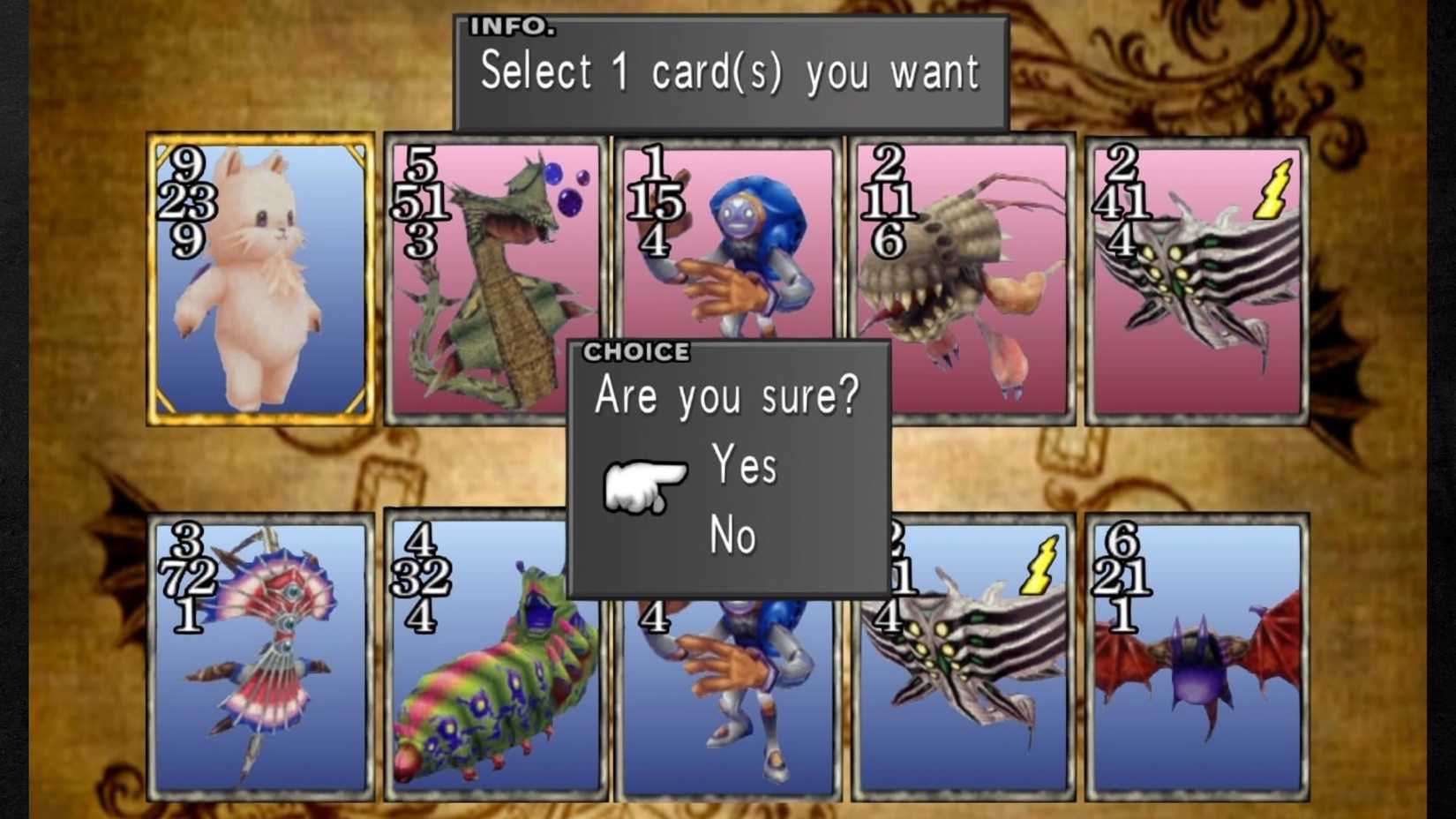
In the realm of Final Fantasy VIII, the intricate card game known as Triple Triad emerges as a standout side activity that offers far more than just a diversion. At its core, Triple Triad is a strategic duel played on a 3×3 grid, where players aim to capture their opponent’s cards by playing cards with superior numerical values. While the basic rules are straightforward, the game introduces variations that add layers of complexity, making it a deeply rewarding experience for those who invest the time.
However, the true brilliance of Triple Triad lies not solely in its mechanics, but in its profound impact on the game’s world-building. The act of encountering a seemingly hardened enemy, only to find they are willing to sit down for a casual game of cards, imbues the world of Final Fantasy VIII with an unparalleled sense of realism and depth. It suggests a society where even amidst conflict and strife, everyday interactions and leisure activities persist. The sheer volume of collectible cards further incentivizes players to engage with the system throughout their playthrough, fostering a sense of continuity and exploration. Even as the main narrative unfolds with its dramatic twists and turns, the omnipresent invitation to a card game serves as a comforting and grounding element, reminding players of the vibrant, living world they inhabit.

Final Fantasy VII: Chocobo Breeding – A Labor of Love for Ultimate Power
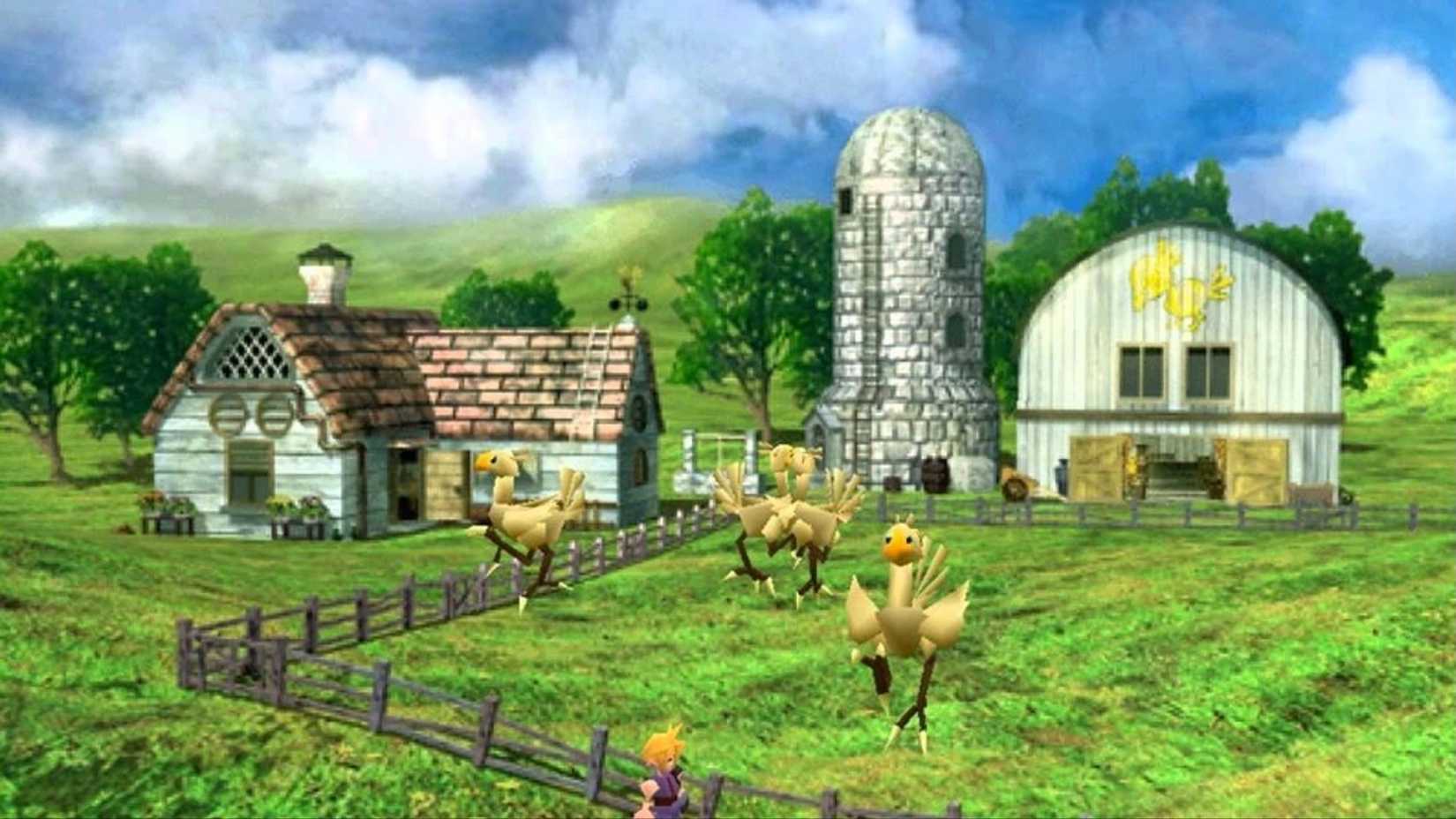
The legendary side quest of Chocobo breeding in Final Fantasy VII stands as a testament to the series’ penchant for creating lengthy, intricate, and ultimately rewarding optional content. The process begins with the simple act of capturing Chocobos in their natural habitats. These feathered companions are then brought to a stable, where players can engage in races at the Gold Saucer to enhance their stats. The feeding of specific greens further refines their abilities, leading to the ultimate goal: breeding Chocobos of various colors.
Each color possesses unique traversal capabilities. Green Chocobos can navigate mountainous terrain, blue ones can cross rivers, and black Chocobos can manage both. The pinnacle of this endeavor is the Gold Chocobo, a creature capable of reaching any destination. The driving force behind this extensive undertaking is the acquisition of the Knights of Round Materia, arguably the most devastating summon in the game, hidden away on an island accessible only by a Gold Chocobo. The entire Chocobo breeding process is a joyous, time-consuming, yet remarkably fulfilling endeavor. It embodies a core philosophy within Final Fantasy VII: the game’s most potent power is earned through a process fundamentally rooted in care and nurturing, a delightful juxtaposition that has cemented this side quest in the hearts of many players.
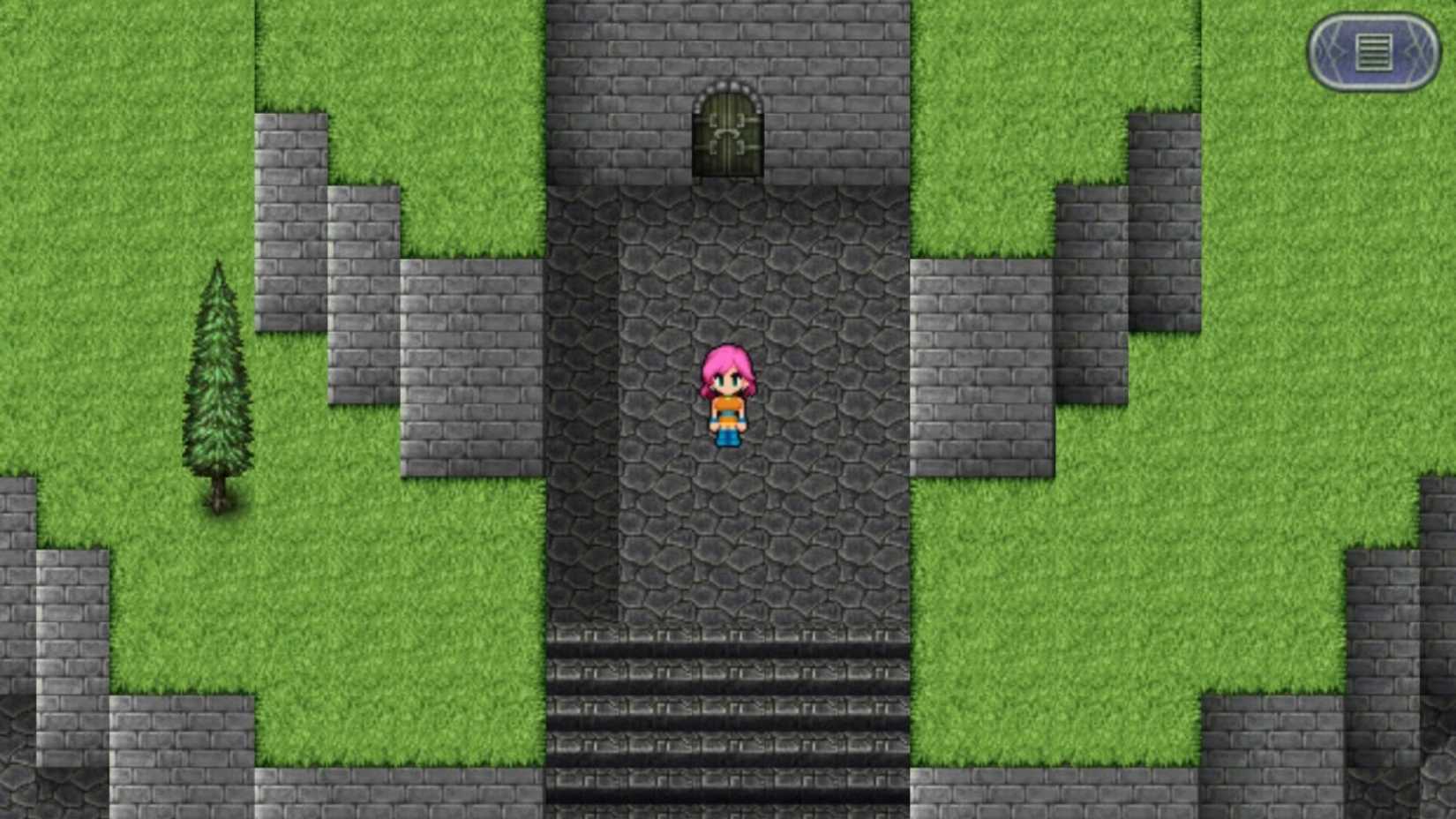
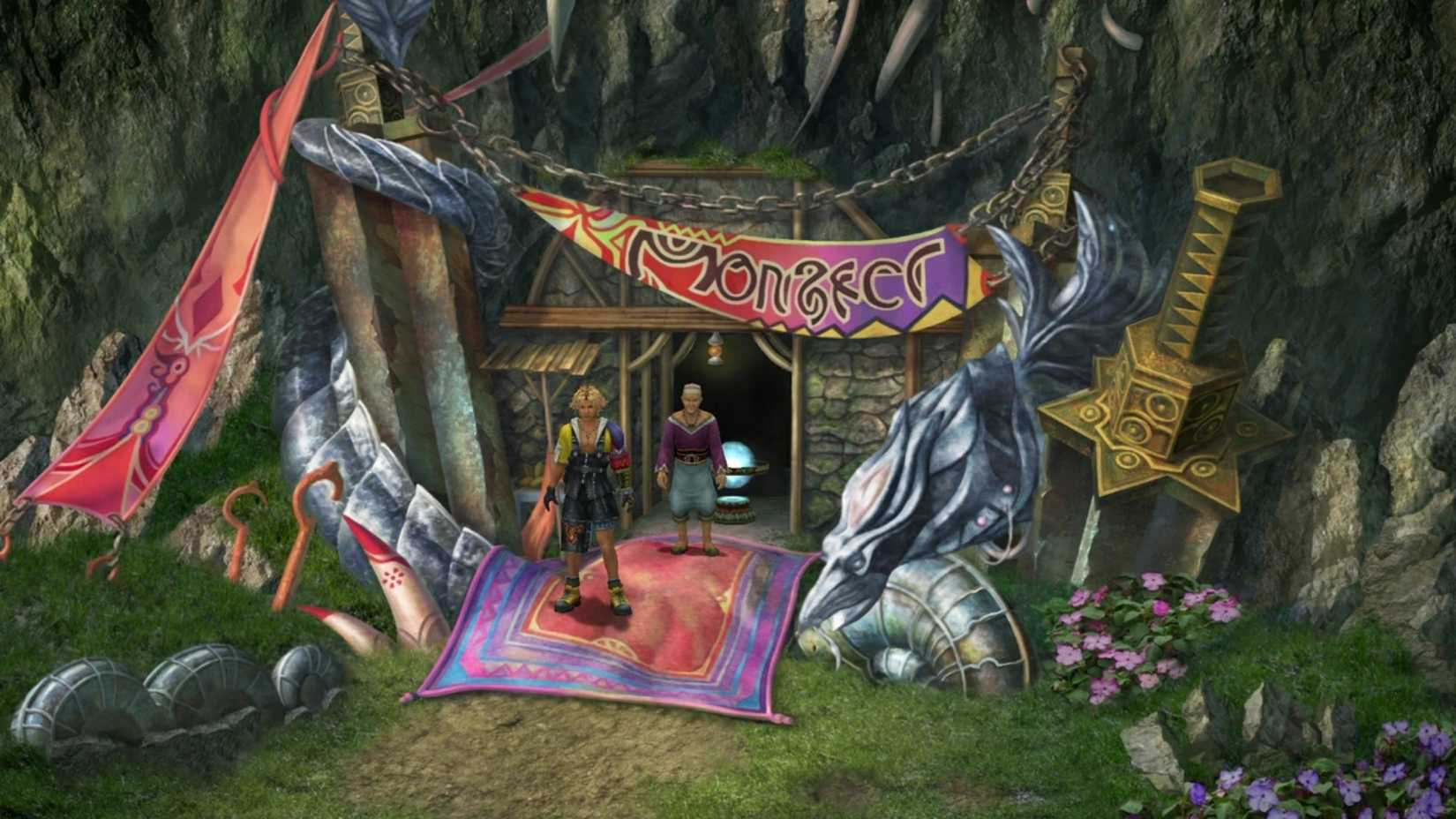
Final Fantasy X: The Monster Arena – A Pokémon-esque Challenge with Epic Rewards
Final Fantasy X introduces the Monster Arena, a compelling side activity that draws parallels to the monster-collecting mechanics popularized by the Pokémon series, but with a distinct Final Fantasy flair. The core loop involves equipping special capture weapons that allow players to weaken enemies to a specific HP threshold, thereby capturing them alive. These captured creatures are then brought back to the arena, where they can be fought by the player’s party. This capture requirement inherently encourages thorough exploration of the game’s diverse environments, prompting players to engage with every creature and region in a meaningful way.
What truly elevates the Monster Arena beyond a simple collection exercise is the introduction of "Special Creations." As players accumulate enough captured monsters, new, formidable adversaries begin to appear in the arena. These Special Creations represent some of the most challenging encounters in Final Fantasy X, testing the limits of player strategy and character progression. The arena owner generously rewards players for each new creation they defeat, creating a satisfying cycle of combat, collection, and reward. Crucially, players cannot achieve a "Game Over" within the arena, fostering an environment of experimentation and risk-free learning. The ultimate reward for this dedication is the opportunity to face Nemesis, a notoriously difficult superboss that costs a hefty 25,000 gil per attempt – a price many players have found more than worth the challenge.
Final Fantasy VI: The Eight Legendary Dragons – Echoes of a Shattered World
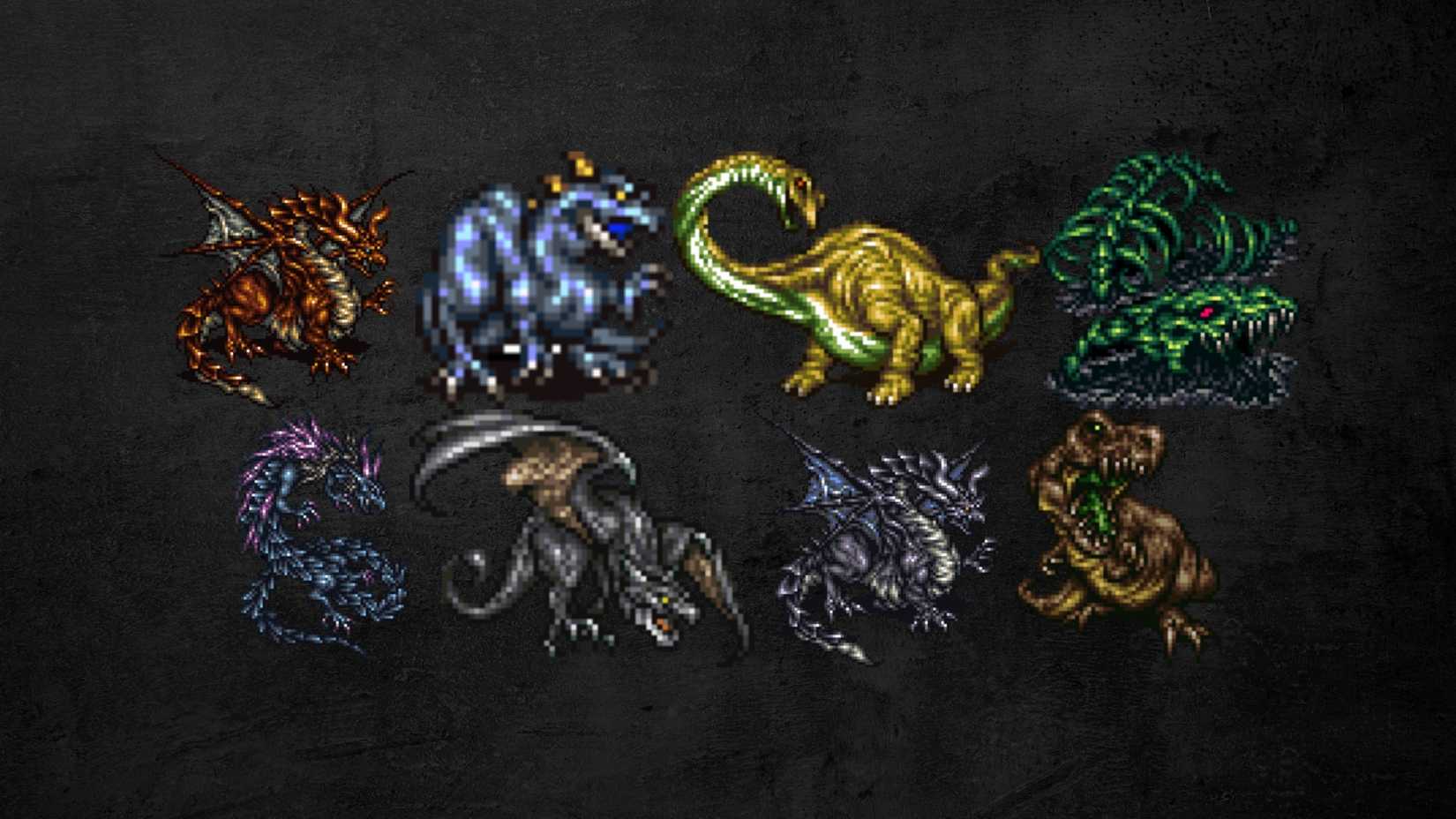
Following the cataclysmic events orchestrated by Kefka in Final Fantasy VI, the world is left in ruins, and from this devastation, eight Legendary Dragons are unleashed. These formidable beings become optional encounters scattered across the World of Ruin, their presence a constant reminder of the world’s fractured state. Some dragons reside within dungeons, others in specific story locations, and a few are cleverly hidden, rewarding observant players.
The act of hunting down and defeating these eight elemental dragons serves a crucial purpose: it breaks a seal that has imprisoned the Esper Crusader for millennia. This questline culminates in a satisfying narrative payoff. Furthermore, in enhanced versions of the game, such as the Game Boy Advance release, completing this challenge unlocks the Dragons’ Den, a bonus dungeon featuring even more powerful versions of the dragons, culminating in a battle against Kaiser Dragon, a legendary superboss. Below this lies the Soul Shrine, offering yet another layer of challenge. This extensive optional content seamlessly integrates into the desolate atmosphere of the World of Ruin, providing a deep and meaningful pursuit for players who wish to delve further into the game’s rich lore and combat systems.
Final Fantasy XV: The Perfect Cup Noodles – A Culinary Quest of Epic Proportions
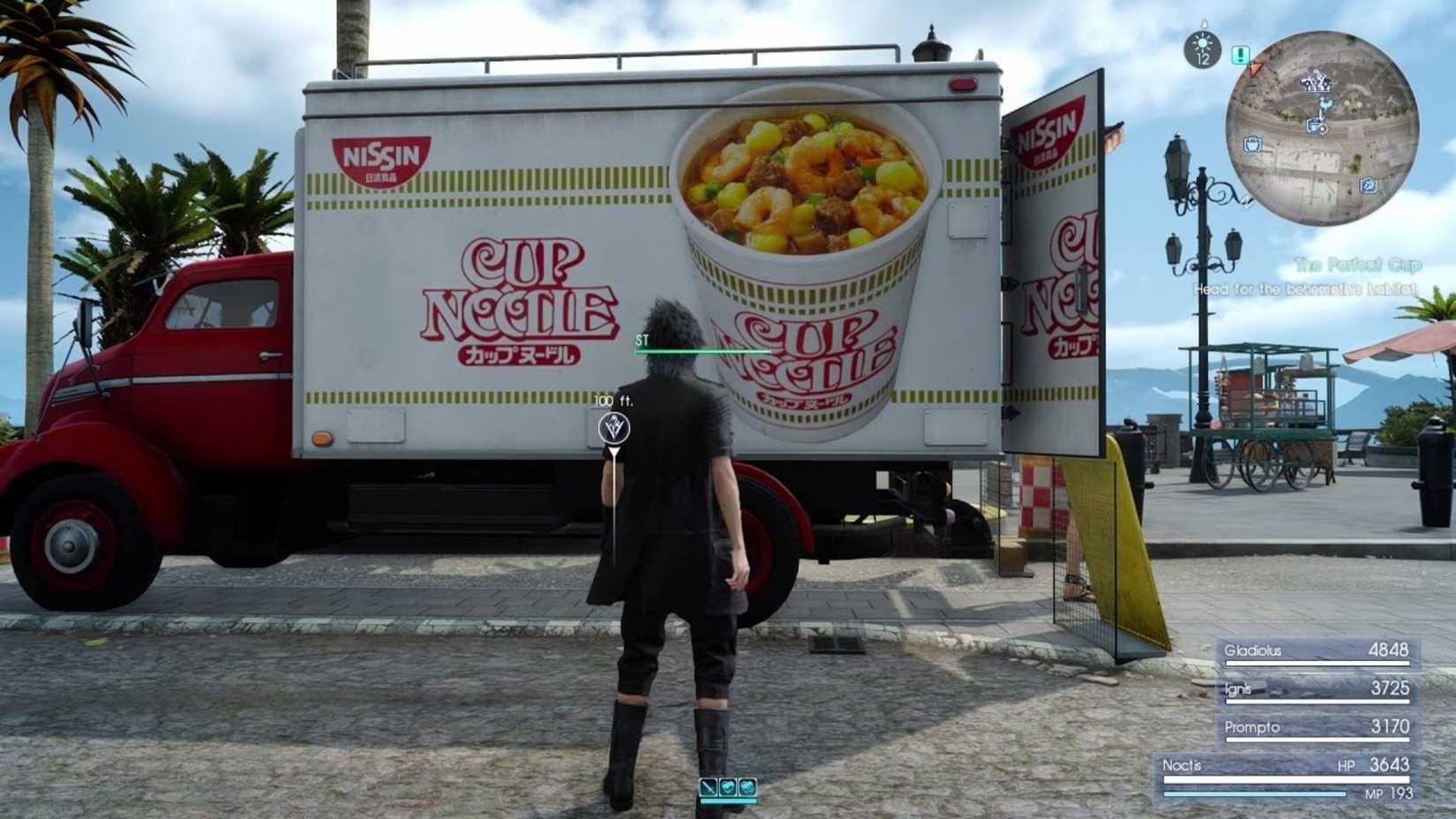
In Chapter 8 of Final Fantasy XV, amidst the looming preparations for departure from Lestallum, a seemingly trivial craving ignites an unexpected and delightful side quest: the pursuit of the "perfect cup of instant noodles." This culinary adventure, driven by Gladiolus’s peculiar yet passionate conviction about the ultimate instant noodle, sends the party on a whimsical hunt for a specific ingredient.
The quest’s charm lies in its relatable premise: the desire for a particular, satisfying meal. Depending on the player’s chosen path, this pursuit might involve engaging in challenging battles against formidable creatures like Behemoths, Zues, or Karlaboses. The humor and appeal of this side quest are amplified by the fact that the recipe unlocked upon completion is immediately rendered obsolete in the grand scheme of gameplay, highlighting the quest’s value as an experience rather than a tangible, lasting gameplay advantage. It’s a testament to the game’s ability to find joy and engagement in the mundane, transforming a simple desire into an epic, albeit brief, adventure.
Final Fantasy X-2: The Den of Woe – A Narrative Heart That Should Be Mandatory
The Den of Woe in Final Fantasy X-2 presents a unique case among optional content, as its narrative significance arguably makes it feel more integral to the main story than many other side quests. Located in the Mushroom Rock Gorge, this sealed cave is the dwelling place of Shuyin, a tormented spirit sustained by Pyreflies for a millennium. Accessing the Den requires players to uncover all ten Crimson Spheres, scattered throughout Spira, which reveal the tragic backstory of Nooj, Baralai, and Gippal during their time in the Crimson Squad.
Without this contextual information, the events within the Den of Woe carry significantly less emotional weight. The questline culminates in a deeply poignant and harrowing sequence where Rikku and Paine are possessed by Shuyin, Yuna is forced to confront the tragic demise of Shuyin and Lenne, and Shuyin conjures spectral images of Nooj, Baralai, and Gippal to battle her. This intense emotional climax is a powerful exploration of grief, loss, and unresolved trauma. The fact that such a pivotal and story-enriching segment is relegated to optional status is a point of contention for many players, who feel it should have been an integral part of the main narrative, underscoring its profound impact on the game’s overarching themes.
Final Fantasy Tactics A2: Grimoire of the Rift – The Elusive Heritor Class
Final Fantasy Tactics A2: Grimoire of the Rift offers a deep and rewarding optional questline focused on unlocking the powerful Heritor job class. This class is exclusive to the character Adelle and is entirely missable if players are not diligent in their exploration and pursuit. The Heritor class is a testament to the game’s intricate job system, requiring players to seek out specific weapons that teach its unique skills. These weapons are not found through standard pub missions but are acquired through challenging optional battles and events.
The reward for this diligent pursuit is substantial. As a Heritor, Adelle gains the ability to equip nearly all weapon and armor types, boasting well-rounded stats and access to a potent set of abilities that synergize effectively with other party members. The questline is designed with a deliberate pacing, ensuring that players cannot rush through it. New weapon notices only appear after the previous skill has been mastered, fostering a natural progression that aligns with the game’s strategic, turn-based combat. Unlocking the Heritor class fundamentally alters how players approach the remainder of their playthrough, offering a significant power boost and a deeper engagement with the game’s complex job system.
Final Fantasy XII: The Espers – Unearthing Hidden Lore and Challenging Battles
While the Espers in Final Fantasy XII might not reach the same iconic status as some other summons in the series, their optional nature and the lore they contain make them a compelling side activity. Of the thirteen Espers available, only five are directly tied to the main story, leaving the remaining eight to be discovered through exploration and challenging combat encounters. These fights often prove more difficult than initially anticipated, demanding careful preparation and strategic execution.
The true value of pursuing these optional Espers lies within the game’s Bestiary. Each Esper’s entry delves into their rich lore, recounting the tale of beings who defied the gods and were subsequently cursed into their current forms. This narrative thread offers a melancholic and specific glimpse into the world’s mythology, a depth that the main plot doesn’t always fully explore. Collecting all thirteen Espers may not dramatically alter the party’s power in the same way as other games, but the act of reading their lore and understanding their tragic stories provides a unique and rewarding experience for those willing to seek it out, revealing a hidden layer of narrative brilliance within Final Fantasy XII.
Final Fantasy XIII: The Missions – Embracing the Open World
Final Fantasy XIII is notoriously linear for a significant portion of its runtime, making the chapters set on Gran Pulse feel like a refreshing departure. This shift is largely attributable to the game’s Mission system, which introduces a semblance of open-world exploration. Scattered across the vast Archylte Steppe, Cie’th Stones activate as players progress through other missions, each presenting a unique "mark" to hunt down within the sprawling landscape.
This mission structure functionally provides the open-world content that the main game initially lacks. The difficulty ratings associated with each mark are generally accurate, allowing players to gauge the challenge ahead and prepare accordingly. The system’s design, which typically allows for only one active mission at a time, encourages deliberate decision-making and prevents the experience from becoming overwhelming. For a game that spends so much time guiding players through confined corridors, the sudden introduction of a vast landscape filled with targets offers a welcome change of pace. The mission system masterfully leverages this shift, providing a compelling reason to explore and engage with the world of Gran Pulse.
Final Fantasy IV: The Moon – A Cosmic Side Story of Unrivaled Depth
While not a traditional "side quest" in the sense of optional tasks, the entire journey to the Moon in Final Fantasy IV represents a significant departure from the core narrative and offers a self-contained adventure of immense scope and thematic resonance. After defeating Zeromus and seemingly concluding the primary conflict, players are presented with the option to ascend to the Moon, a celestial body shrouded in mystery and crucial to the planet’s history.
This lunar expedition is far more than a simple bonus area; it is a fully realized chapter of the game that delves into the origins of the Lunarians, their advanced civilization, and the tragic prophecy that foretells the destruction of the planet. Players uncover ancient technologies, confront new and powerful enemies, and gain a profound understanding of the cosmic forces at play. The narrative threads woven on the Moon are deeply philosophical, exploring themes of destiny, free will, and the cyclical nature of destruction and rebirth. The battles fought on the lunar surface are some of the most challenging and memorable in the game, pushing players to utilize every learned skill and strategy. The sheer depth of lore and the emotional weight of the discoveries made on the Moon elevate this optional journey into an experience that rivals, and in many ways surpasses, the impact of the main storyline, offering a truly cosmic epilogue.

Final Fantasy IX: The Side Quests of the Forgotten Realms
Final Fantasy IX is celebrated for its charming characters and whimsical world, but it also houses a wealth of optional content that enriches its narrative tapestry. Among the most notable are the various questlines that lead to powerful equipment, hidden summons, and crucial lore. The "Chocograph" side quest, for instance, involves deciphering cryptic clues to unearth hidden treasures across the world map. These treasures often contain powerful items, including unique armor and weapons that can significantly aid players in their journey.
Beyond mere loot, these quests often provide glimpses into the history and culture of the world of Gaia. The hunt for the legendary swordsman’s tomb, or the exploration of the various optional dungeons, often reveals character backstories and historical events that add layers of depth to the main plot. One particularly memorable optional challenge involves the retrieval of the "Invincible," a powerful airship that opens up new areas of the map and provides access to further optional content. The game’s commitment to rewarding exploration and dedication through these side activities ensures that players who venture off the beaten path are consistently rewarded with both tangible benefits and a deeper understanding of the game’s intricate world.
Final Fantasy VI: The Optional Superbosses – A True Test of Strategic Prowess
While the eight Legendary Dragons in Final Fantasy VI are a significant optional challenge, the game offers even greater tests of player skill in the form of its optional superbosses. These encounters are not merely roadblocks; they are meticulously designed challenges that require a deep understanding of the game’s mechanics, character abilities, and enemy patterns.
The most infamous of these is the Kefka’s Tower, a post-game dungeon that serves as a true gauntlet for players seeking the ultimate challenge. Within this sprawling complex lie some of the most difficult enemies and bosses in the game, including the notoriously tough Doom Gaze and the ultimate superboss, the "True" Kefka, who wields devastating attacks and requires a near-perfect strategy to overcome. The reward for defeating these formidable foes is not just bragging rights, but also access to some of the most powerful equipment and abilities in the game, allowing players to truly master the game’s combat system. These optional superbosses are a testament to Final Fantasy VI‘s commitment to providing deep and engaging endgame content that rewards player dedication and strategic thinking, offering a profound sense of accomplishment that can rival the satisfaction of completing the main story.


 Lina Irawan
 Sagoh
Sagoh