Reynand Wu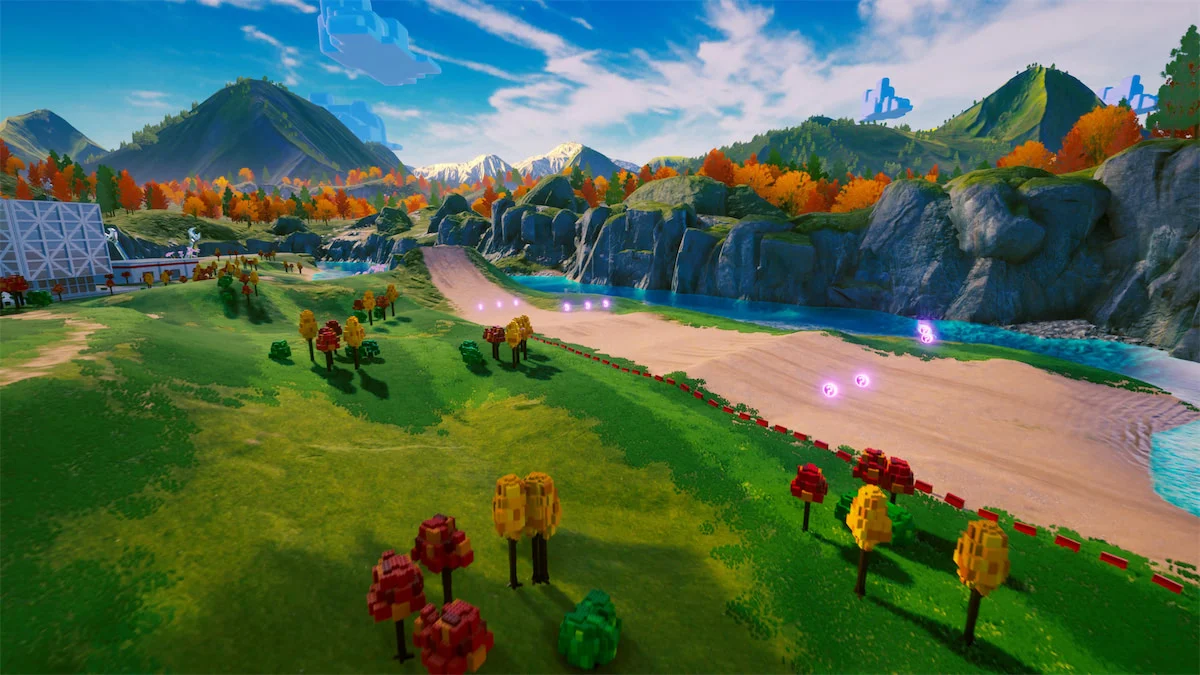
Publisher 2K Games has announced a surprising and swift delisting of its popular 2023 title, Lego 2K Drive, from all digital storefronts. The news comes as a significant development for players, particularly those who acquired the game through PlayStation Plus Essential, as the window for digital purchase is rapidly closing.
The once-celebrated open-world Lego driving adventure, Lego 2K Drive, will cease to be available for digital download on May 19, 2026. This abrupt decision by publisher 2K Games has sent ripples through the gaming community, raising questions about the longevity of digital titles and the impact on players who may have missed the initial PS Plus offering or are looking to acquire the game anew.
The game, which launched to a largely positive reception and was made available as a free PlayStation Plus Essential title in December 2023, will only be obtainable physically through online retailers after its digital disappearance. This means that for those who haven’t yet added it to their digital libraries, the opportunity to do so is rapidly diminishing.
A Swift Departure: The Timeline of Lego 2K Drive’s Digital Delisting
The announcement from 2K Games has set a clear, albeit short, deadline for players eager to secure a digital copy of Lego 2K Drive. The game is slated for removal from all online marketplaces, including the PlayStation Store, on May 19, 2026. This date marks the end of its digital availability, after which it will only be possible to purchase physical copies from online retailers.
This relatively short notice period has caught many by surprise, especially considering the game’s recent inclusion in PlayStation Plus Essential. For players who may have downloaded the game during its PS Plus offering but haven’t yet delved deeply into its vibrant world or perhaps missed out entirely, the impending delisting necessitates a prompt decision.
The cost of Lego 2K Drive is currently set at $19.99 for a PS5 and PS4 cross-buy version. It’s important for potential buyers to note that the game is not part of any current PlayStation Store promotions. Therefore, players are strongly advised to double-check their existing game libraries before making a purchase, as it’s highly probable they already own it if they were active PlayStation Plus subscribers in December 2023.
Beyond the game’s availability, 2K Games has also outlined a timeline for the cessation of its online multiplayer services. The servers that power Lego 2K Drive’s competitive and cooperative multiplayer experiences will remain active for an additional year, concluding on May 31, 2027. This extended period provides a crucial window for players aiming to unlock the game’s multiplayer-specific trophies, particularly those associated with the coveted Platinum trophy. Gamers looking to achieve this completion milestone are encouraged to prioritize these online achievements before the servers are permanently taken offline.
Lego 2K Drive: A Journey Through Bricklandia
Launched in May 2023, Lego 2K Drive invited players into the expansive and imaginative world of Bricklandia. This open-world driving adventure promised a unique blend of exploration, customization, and high-octane racing action. At its core, the game aimed to deliver an experience where players could "Race anywhere, play with anyone, build your dream rides, and defeat a cast of wild racing rivals for the coveted Sky Trophy."
The game’s central premise revolved around a vibrant Lego universe filled with diverse biomes, from lush jungles and arid deserts to bustling cities and treacherous ice-capped mountains. Players were given the freedom to explore this expansive world at their own pace, discovering hidden secrets, engaging in impromptu races, and undertaking a variety of missions and challenges.
A significant highlight of Lego 2K Drive was its robust vehicle customization system. Drawing inspiration from the iconic Lego building blocks, players could construct their own vehicles from scratch, experimenting with different chassis, wheels, engines, and aesthetic components. This creative freedom allowed for the creation of truly unique and personalized rides, catering to both functional and stylistic preferences. The game also offered a vast array of pre-built vehicles that could be further modified and upgraded.
The narrative of Lego 2K Drive centered around the pursuit of the Sky Trophy, a legendary artifact sought after by the most skilled racers in Bricklandia. Players would compete against a colorful cast of characters, each with their own distinct personalities and racing styles, in a bid to become the ultimate champion. This overarching goal provided a clear progression path and a compelling reason to hone their driving and building skills.
Upon its release, Lego 2K Drive garnered a spectrum of reviews. Critics often lauded its creative freedom, impressive visual presentation that faithfully captured the Lego aesthetic, and the sheer fun of its racing mechanics. The ability to build and customize vehicles was frequently cited as a standout feature, offering a level of player agency rarely seen in racing titles. However, some reviews pointed to certain aspects that could have been refined, such as the in-game economy or the pacing of certain game modes. Despite these criticisms, the game was generally considered a solid and enjoyable entry in the Lego gaming franchise, particularly for fans of racing and creative building.
Supporting Data: The Impact of Digital Delisting
The practice of digital delisting is not new in the gaming industry, but it consistently sparks debate and concern among players. Several factors contribute to a game being removed from digital storefronts, often involving licensing agreements, the expiration of publishing rights, or the sunsetting of online services.
In the case of Lego 2K Drive, the exact reasons behind its impending delisting have not been explicitly detailed by 2K Games. However, common scenarios include the expiration of the Lego license with The Lego Group, or strategic decisions by the publisher regarding their product portfolio and ongoing support for older titles.
The impact of such delistings can be multifaceted:
- Reduced Accessibility: The most immediate consequence is the significant reduction in accessibility. Players who were on the fence about purchasing the game, or who discovered it after the delisting date, will no longer have a convenient way to acquire it digitally. This can lead to a rise in demand for physical copies, potentially inflating their prices.
- Loss of Digital Ownership: For many, digital purchases are seen as a form of ownership. However, delisting highlights the ephemeral nature of digital rights. While players who have already purchased the game digitally can typically continue to download and play it (provided their platform’s digital store remains accessible), the ability for new players to obtain it is lost.
- Preservation Concerns: Digital delisting raises concerns about game preservation. As older titles become unavailable, the risk of them being lost to time increases, especially if physical media is not widely preserved. This is particularly relevant for games with strong online components, as the cessation of servers can render parts of the game unplayable.
- Impact on Subscription Services: The fact that Lego 2K Drive was offered as a PS Plus Essential freebie underscores the importance of these subscription services for introducing players to a wider range of titles. However, it also means that a portion of the player base may have acquired the game under the assumption of ongoing availability, only to be faced with its imminent delisting.
The price point of $19.99 for Lego 2K Drive, while not exorbitant, still represents an investment for many players. The decision to delist a game that was recently a free offering on a major subscription service adds another layer of complexity to the player experience, potentially leading to frustration for those who missed out or those who feel the game’s digital lifespan has been unexpectedly curtailed.
Official Responses and Community Reaction
As of the announcement, 2K Games has not provided an in-depth explanation for the decision to delist Lego 2K Drive. The official communication has been concise, focusing on the timeline of the delisting and the discontinuation of multiplayer servers. This lack of detailed reasoning has, predictably, fueled speculation and discussion within the gaming community.
Online forums, social media platforms, and gaming news comment sections have seen a surge in conversations surrounding Lego 2K Drive’s delisting. Players who own the game express a mix of relief and concern. Relief comes from the fact that they can still access their purchased copy and that multiplayer will persist for another year. Concern, however, stems from the implications for the game’s long-term availability and the potential for other titles to follow suit.
Players who missed out on the PS Plus Essential offering are particularly vocal. Many express disappointment at the limited window they have to acquire the game digitally at its current price. Some are questioning the publisher’s strategy, especially after making the game a flagship offering for PlayStation Plus subscribers.
The swiftness of the delisting is another point of contention. While games are often delisted after several years, the relatively short period since Lego 2K Drive’s release and its inclusion in PS Plus makes this announcement stand out. This has led to broader discussions about the lifespan of digital games and the importance of physical media or robust digital preservation efforts.
The community’s reaction highlights a growing awareness and concern regarding the practices surrounding digital game distribution. As the industry continues to shift towards digital-first models, the transparency and longevity of digital ownership are becoming increasingly critical issues for consumers.
Implications for the Future of Digital Gaming
The delisting of Lego 2K Drive serves as a potent reminder of the evolving landscape of digital game ownership and distribution. Publishers’ decisions to remove titles from sale can have significant implications for players, developers, and the gaming ecosystem as a whole.
For players, this event underscores the need for proactive engagement with titles they are interested in. The "buy now or miss out" mentality, once associated with limited physical print runs, is now increasingly relevant in the digital realm. It also reinforces the value of physical media for those who prioritize long-term access and ownership independent of digital storefronts. The extended lifespan of physical copies, provided they are cared for, offers a degree of permanence that digital licenses may not always guarantee.
From a developer’s perspective, the threat of delisting can influence design choices. While developers strive to create engaging and lasting experiences, the business realities of licensing and market viability can lead to the eventual removal of titles. This can be a source of frustration for creators who see their work become inaccessible to new audiences.
The gaming industry as a whole is grappling with the challenges of digital preservation. As more games become digital-only and publishers face changing business models, the long-term accessibility of our gaming heritage is a growing concern. Initiatives like digital archives, emulation efforts, and publishers’ commitments to maintaining servers for extended periods are crucial in mitigating this challenge.
The case of Lego 2K Drive, a relatively recent and popular title that was also a prominent PS Plus offering, is likely to fuel further discussion about the responsibility of publishers to their player base. While publishers have the right to manage their product portfolios, the manner and timing of such decisions can significantly impact player trust and satisfaction.
Ultimately, the digital sunsetting of Lego 2K Drive is more than just the removal of a game from a store. It’s a significant event that prompts introspection about the nature of digital ownership, the lifespan of our virtual libraries, and the ongoing quest for a more sustainable and player-friendly digital gaming future. As the industry continues to evolve, events like these will undoubtedly shape how we perceive and interact with the games we love.


 Lina Irawan
 Sagoh
Sagoh