Nana Wu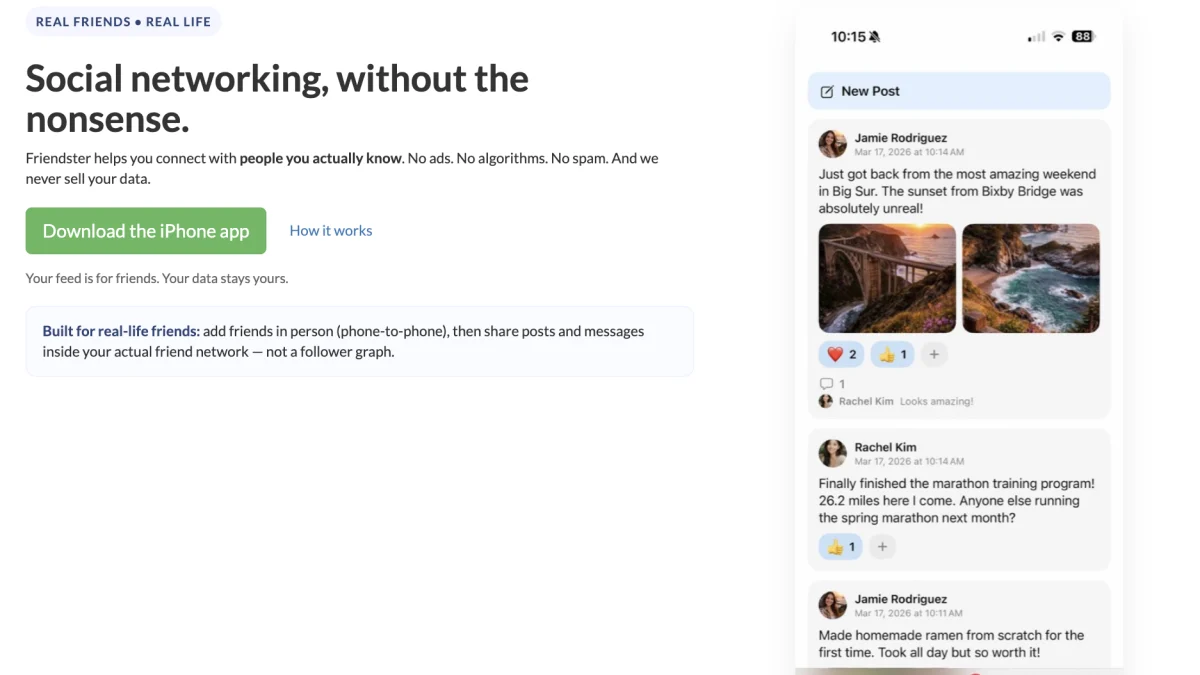
For a generation of early internet users, the name "Friendster" evokes a specific, sepia-toned nostalgia—a time before the infinite scroll, before the algorithmic manipulation of the feed, and before social media became a battleground for political discourse. Founded in 2002, the platform was the original titan of the social web. Now, nearly a quarter-century after its inception and nine years after its final shuttering, the brand has been resurrected. However, the new Friendster is not a revival of the site that popularized the "top 8" or the "testimonials" section. Instead, it is a radical, minimalist experiment designed to force users back into the physical world.
The Core Concept: Reclaiming Social Authenticity
Under the stewardship of its new owner, Mike Carson, the relaunched Friendster is positioning itself as the antithesis of the modern social media experience. In an era defined by aggressive ad-targeting, addictive algorithms, and the "influencer economy," Carson’s vision for Friendster is starkly empty.
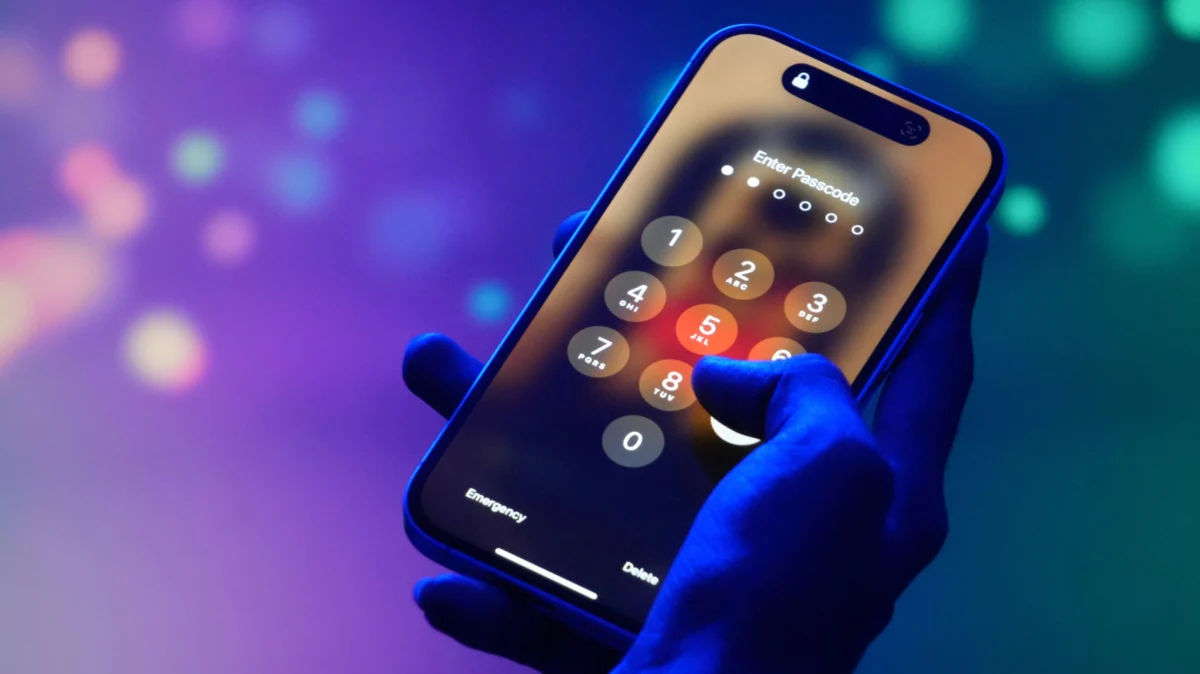
Currently available as an iOS application, the new Friendster offers a jarring experience for the uninitiated: upon account creation, the user is met with a completely blank screen. There is no "For You" page, no recommended content, no viral videos, and, perhaps most notably, no way to search for or follow anyone remotely.
The platform operates on a philosophy of "physical proximity verification." To add a contact, users cannot simply search for a username or scan a QR code from a distance. Instead, both users must be in the same physical location, open the app, and physically tap their phones together. This tactile, proximity-based connection method is the only way to build a network on the platform. It is a bold, if not restrictive, design choice that effectively bans the concept of "following" strangers or public figures. By mandating physical interaction as a prerequisite for digital connection, the app aims to ensure that its user base consists exclusively of people who exist in each other’s real-life circles.
A Chronology of a Digital Pioneer
To understand the significance of this revival, one must look back at the meteoric rise and fall of the original platform.
2002–2004: The Birth of Social Networking
Launched in March 2002 by computer programmer Jonathan Abrams, Friendster was the first platform to formalize the concept of a "social network" based on the degrees of separation between users. It grew with unprecedented speed, reaching millions of users in just a few months. It was the "cool" place to be, a cultural phenomenon that predated the dominance of MySpace and Facebook.
2005–2010: The Pivot and Decline
Despite its early lead, Friendster faced significant technical challenges, including slow page loads and database crashes, which frustrated its rapidly expanding user base. Simultaneously, the rise of MySpace—which allowed for greater customization and personal expression—drew the American audience away. While its influence waned in the West, the platform found a surprising, sustained second life in Southeast Asia, particularly in the Philippines, Malaysia, and Indonesia.
2011–2015: Gaming and Final Sunset
In 2011, the platform attempted a radical pivot, rebranding itself as a social gaming portal. The social networking features were essentially gutted, alienating the remaining core of original users. The move failed to stem the tide of competition, and in 2015, the platform was officially shut down, with its intellectual property and patents eventually sold off.
2023–Present: The $20,000 Resurrection
The current iteration of the brand began with a curious discovery by Mike Carson in 2023. Carson noticed that the Friendster.com domain had been purchased by an opportunistic squatter at an expired domain auction for just $7,456. Seeing the potential for a brand revitalization, Carson entered negotiations. He eventually acquired the domain for $20,000 in Bitcoin, supplemented by the trade of another of his own web assets that generated $9,000 in annual revenue.
The Economic and Structural Implications
The decision to remove ads and algorithms is not just a stylistic choice; it is a fundamental shift in the business model of social media. Modern platforms are built on "attention extraction"—the longer a user stays on the app, the more data they provide, and the more ads they see.
Friendster’s new model relies on the absence of these features. By removing the "infinite scroll," the app removes the primary source of user addiction. Without an algorithm, the app doesn’t need to provoke emotional reactions to keep users engaged. However, this creates a significant barrier to growth: how does a social network scale if the cost of entry is a physical, face-to-face meeting?
Carson is aware of the "cold start" problem—the difficulty of gaining traction when a new user arrives and finds an empty app. His solution involves upcoming features, such as "Friends of Friends," which will allow users to connect online if they share a mutual acquaintance who has already verified their connection in person. This creates a "web of trust," ensuring that the platform remains an extension of existing real-world social groups rather than a broadcast medium.
Future Developments: The "Fading Connection"
One of the most intriguing features in development is the "Fading Connection" notification. This feature will nudge users when they have not been in the same room with one of their Friendster connections for more than a year.
"It’s not a punishment," Carson noted in a blog post regarding the platform’s philosophy. "It’s a gentle nudge that real friendships are kept alive in person, not online."
This feature highlights the core tension at the heart of the project: the attempt to use digital technology to encourage people to put their phones away. By measuring the health of a friendship through physical attendance rather than likes, comments, or private messages, the platform aims to redefine what it means to be "connected."
The Challenges Ahead: Is "Nothingness" Enough?
While the concept is intellectually appealing, the execution presents a daunting hurdle for the average consumer. Modern users are conditioned to expect instant gratification from social apps. Downloading an app and finding a completely blank, non-functional screen is a psychological test that many may fail.
Critics argue that by making the barrier to entry so high, the platform risks becoming a niche tool for a specific type of socialite, rather than a viable competitor to the giants of the industry. Furthermore, the reliance on physical proximity makes the app useless for long-distance friends, family members living in different cities, or professional connections that exist purely in the digital space.
Conclusion: A Counter-Cultural Experiment
The new Friendster is less a competitor to X (formerly Twitter) or Instagram and more a counter-cultural experiment. It challenges the prevailing wisdom that social media must be global, viral, and addictive.
Whether the world is ready for a platform that treats the digital space as a supplement to—rather than a substitute for—physical presence remains to be seen. If the goal is to make us less "online," then the new Friendster may be the most successful social network ever built, simply by being the most boring one. But for those who feel the burnout of constant connectivity, the "nothingness" of the new Friendster might be exactly what they have been waiting for. It is a digital blank slate, waiting for real life to write upon it.

 Asep Darmawan
 Dwi Wanna