

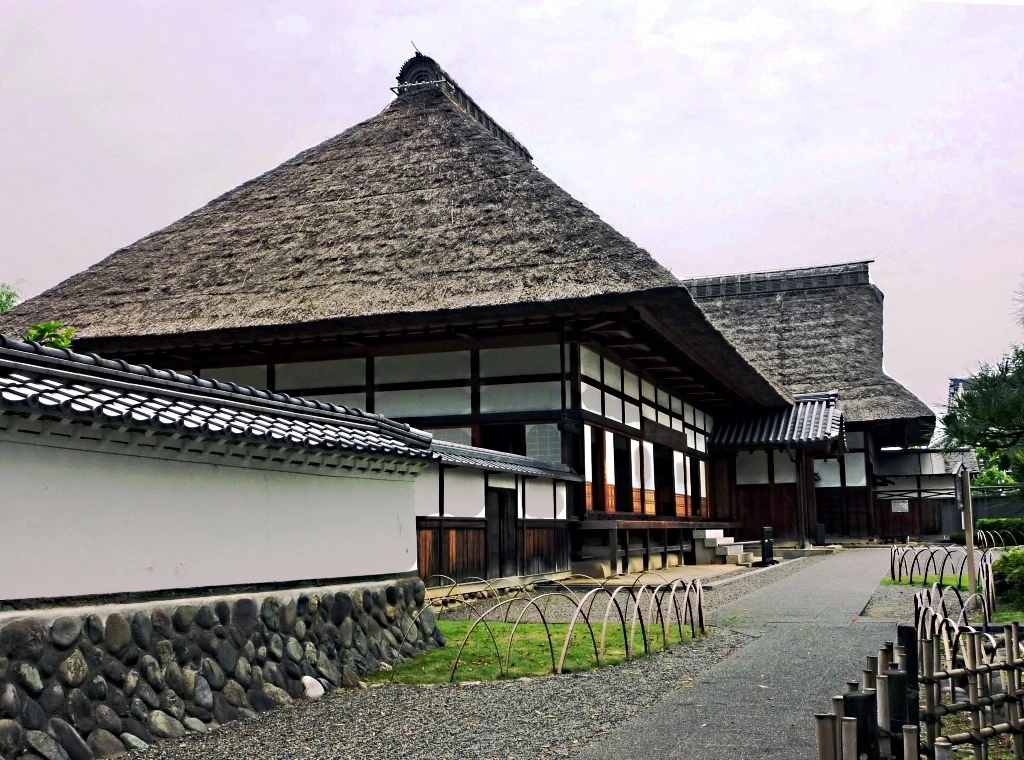
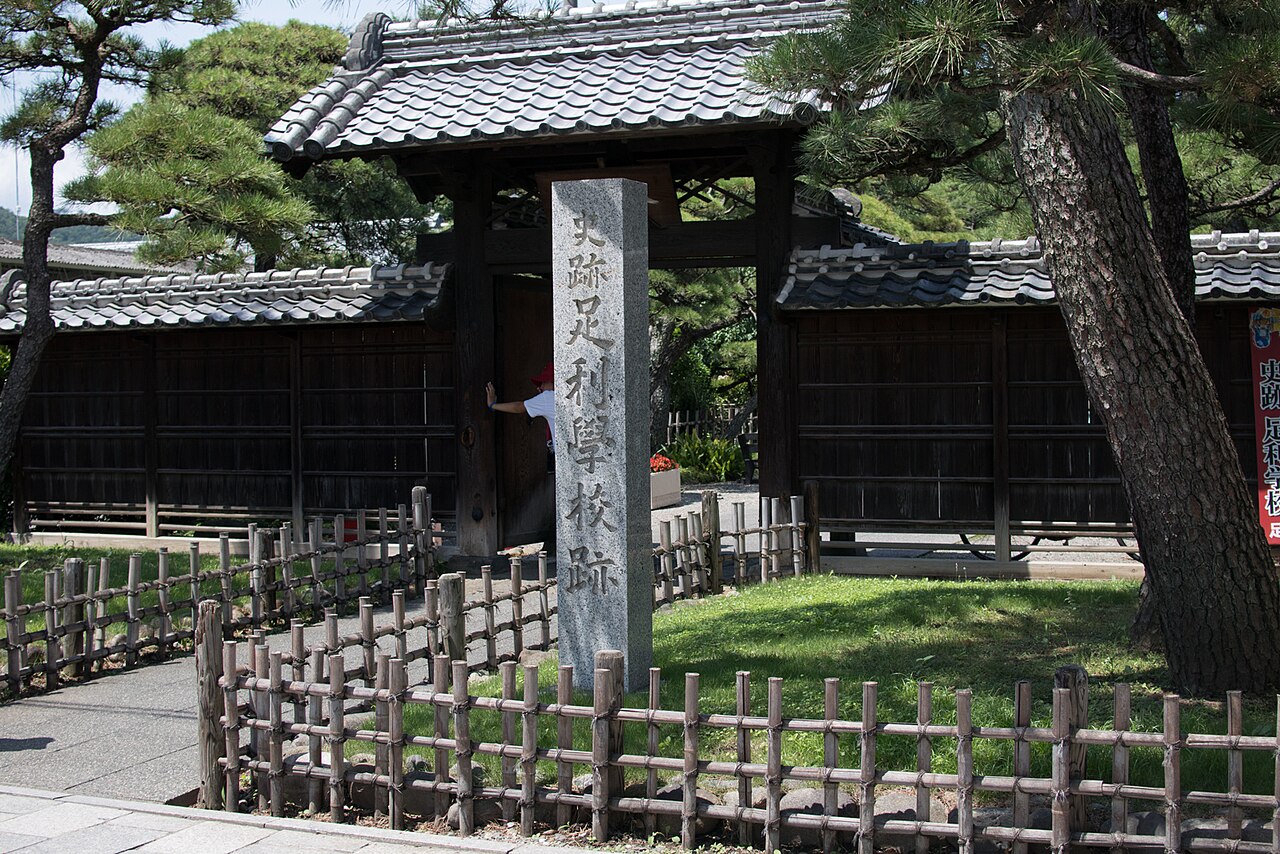
Deep in the heart of Tochigi Prefecture, tucked away from the frantic pace of the Tokyo-Nikko transit corridor, lies a quiet, wooden sanctuary that predates the world’s most prestigious universities. Ashikaga Gakko, often overlooked by the casual traveler, stands as a profound testament to Japan’s intellectual heritage. With roots stretching back to the 9th century, it is not merely a relic of the past; it is the oldest standing academic institution in Japan, a place where Confucian philosophy, military strategy, and classical Chinese literature were refined centuries before the rise of the great European universities.
The Pillars of Learning: Essential Facts
Ashikaga Gakko (足利学校) is more than just a historical landmark; it is a center of continuous educational legacy. While its exact founding date remains a subject of spirited academic debate, documentary evidence suggests an origin as early as 839 or 842 CE.
- Location: Ashikaga, Tochigi Prefecture, Japan.
- Historical Significance: Oldest academic institution in Japan; predates Bologna, Oxford, and Cambridge.
- Peak Enrollment: Approximately 3,000 students in the mid-16th century.
- Core Curriculum: Confucian Classics, Chinese medicine, military strategy, and secular philosophy.
- Current Status: National Historic Site, preserved through extensive 1990 restoration based on Edo-period records.
A Chronology of Intellectual Endurance
The story of Ashikaga Gakko is one of survival, decline, and vibrant revival. To understand the school is to understand the shifting tides of Japanese power and thought.
The Foundation and Early Medieval Eras
While traditional accounts attribute the school’s inception to luminaries such as Ono no Takamura or Prince Shimotsuke, the first verifiable records appear around 850 CE. During these early centuries, the academy served as a regional hub for scholarly monks. However, the institution faced a period of stagnation during the late Heian and early Kamakura eras.
The 1432 Renaissance
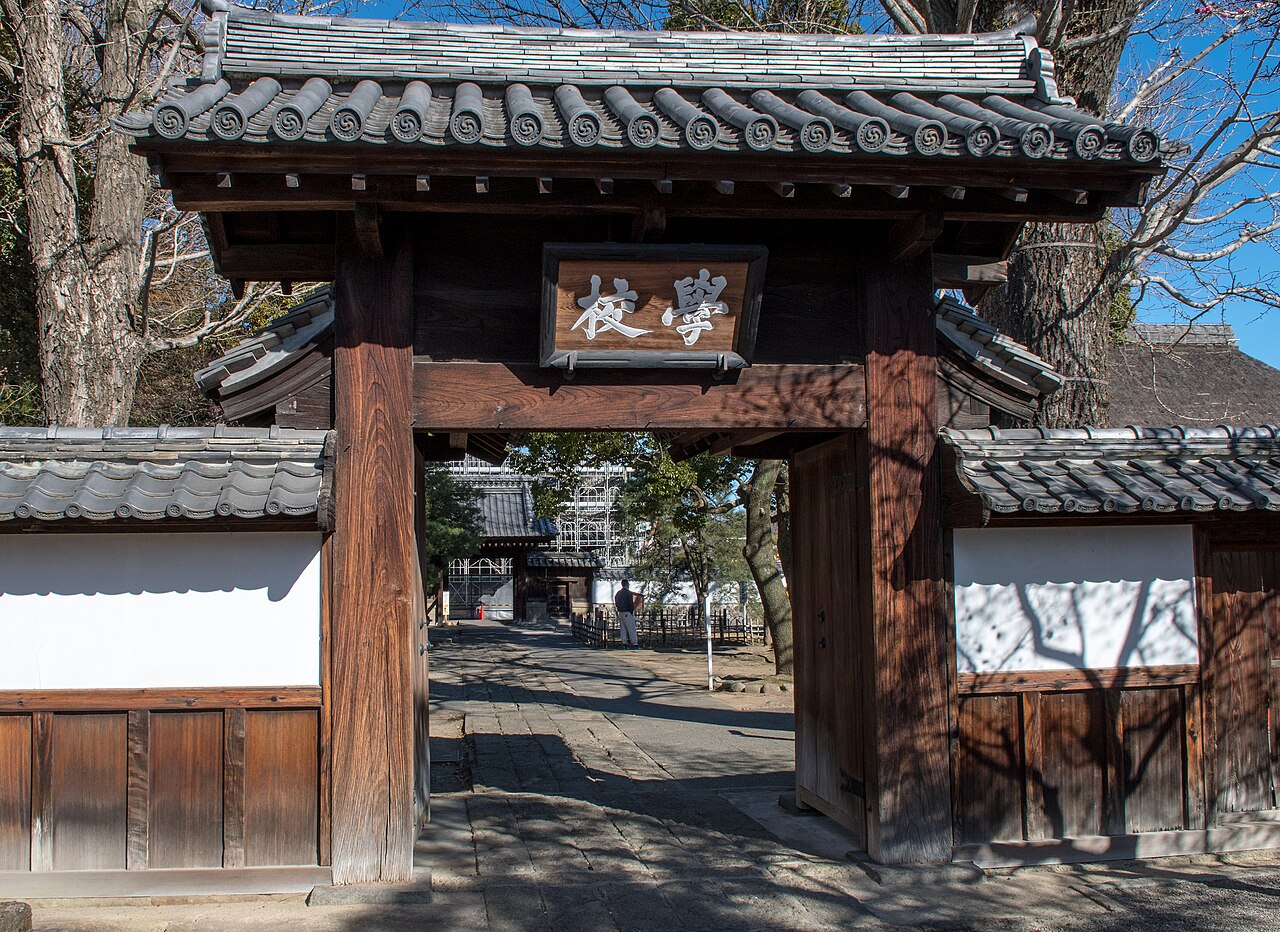
The school’s most significant transformation occurred in 1432 under the patronage of Uesugi Norizane, the lord of Shimotsuke Province. Norizane recognized the potential for a formal academy and invited elite Zen scholar-monks from Engaku-ji in Kamakura to oversee the curriculum. He donated his personal library, which included exceptionally rare Song Dynasty Confucian texts, effectively pivoting the school toward a rigorous, formal study of Chinese classical philosophy.
The Golden Age (16th Century)
By the mid-1500s, Ashikaga Gakko was a powerhouse of Eastern Japanese intellectual life. Its reputation was so substantial that the Jesuit missionary Francis Xavier famously described it in a 1549 letter to Rome as “the largest and most famous academy in Eastern Japan.” At its peak, the school boasted 3,000 students—a figure that rivaled the most prominent academies in China at the time and far eclipsed the modest university populations of contemporary Europe.
The Meiji Closure and Modern Restoration
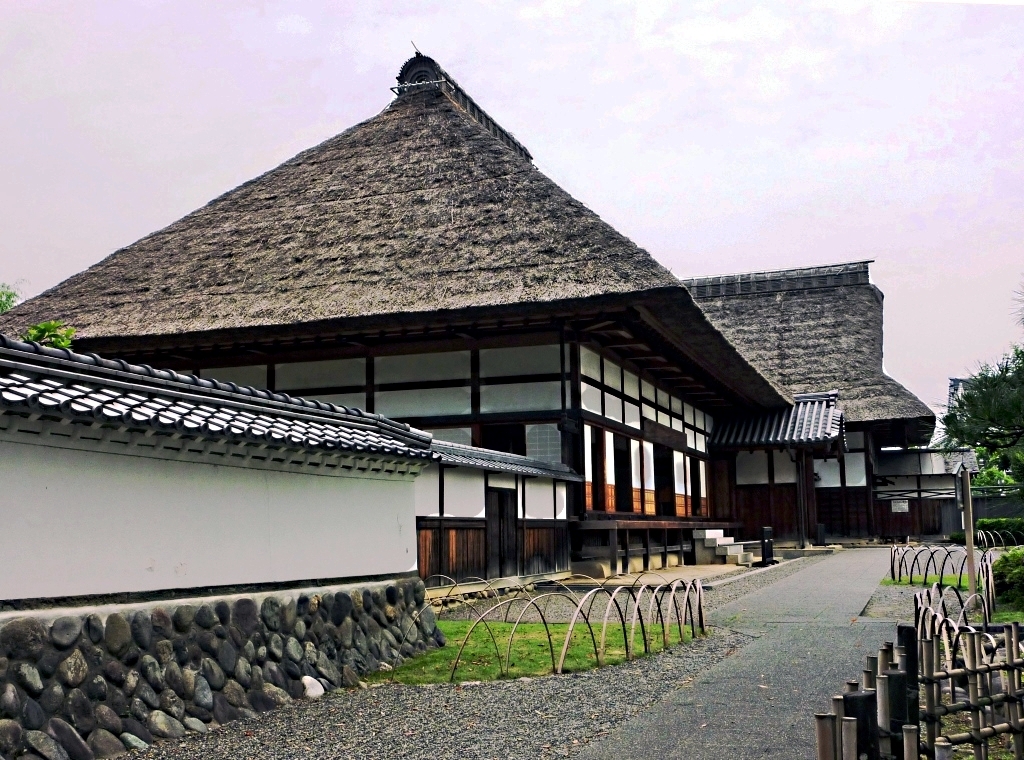
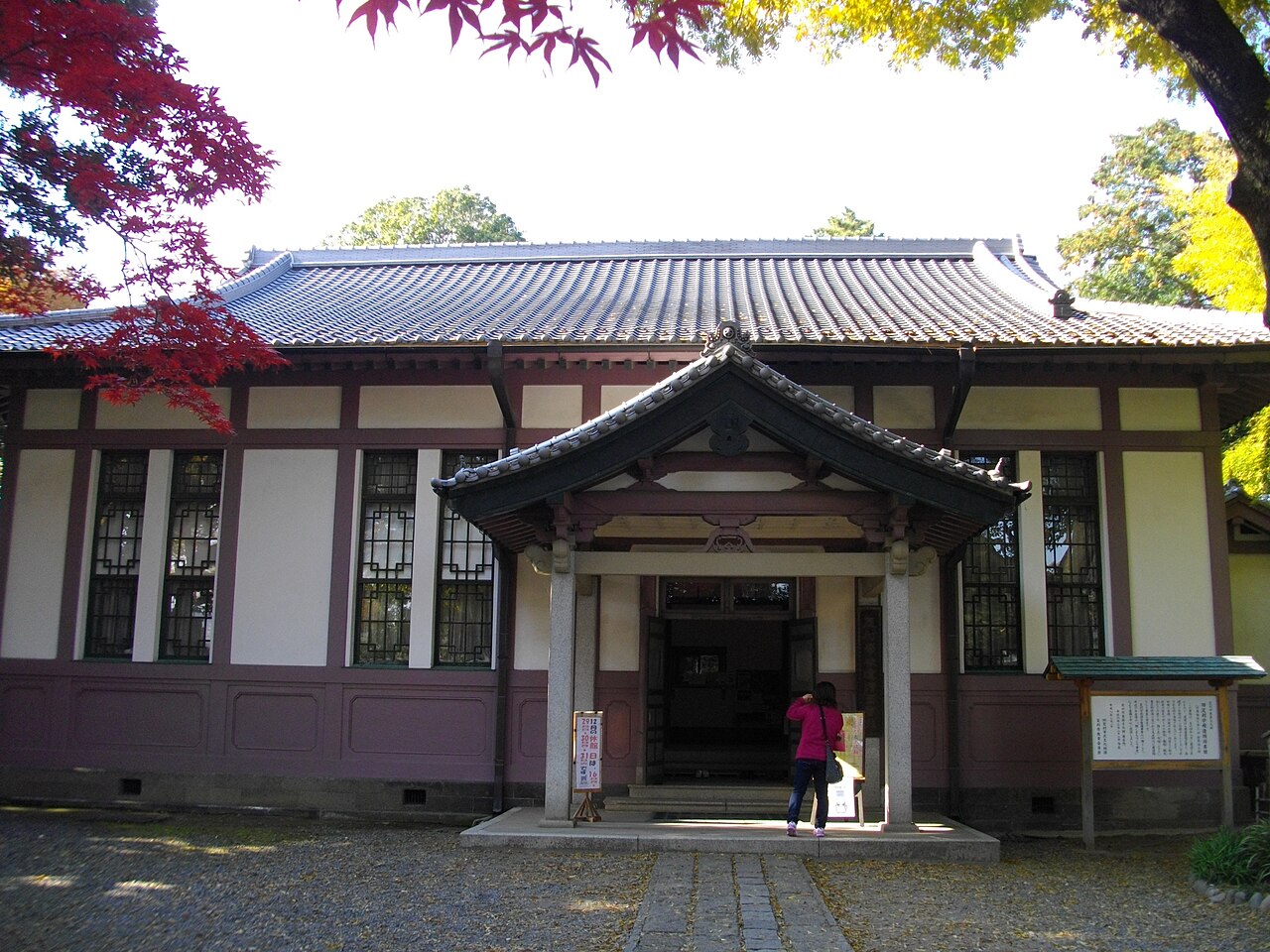
The 1868 Meiji Restoration brought the school’s centuries-long tenure to an abrupt end. As Japan pivoted toward Western-style modernization, the Confucian academic system was dismantled. The site was partially converted into an elementary school, and its once-vast library was dispersed, with many volumes ending up in the Tokyo National Museum. It was not until 1928 that the site received formal protection as a National Historic Site. The year 1990 marked a major turning point: a decade of intensive research culminated in a restoration project that reconstructed the core Edo-period layout, allowing visitors to see the academy as it appeared in the 17th century.
The Curriculum: A Secular Pursuit of Knowledge
A distinctive feature of Ashikaga Gakko was its secular approach to education. Despite being led by Zen monks, the school explicitly excluded Buddhist theology from its core curriculum. Instead, the focus was entirely on the Confucian canon—specifically the Four Books and Five Classics.
Students engaged with the I Ching not merely as a philosophical text but as a practical guide for divination. Beyond philosophy, the school provided training in Chinese medicine and military strategy. This focus on "secular classical education" distinguished it from the monastic training centers common in the era, positioning the school as a proto-university rather than a religious seminary.
Official Perspectives and Academic Reverence
The Japanese academic community views Ashikaga Gakko with a reverence rarely afforded to other historical sites. It is not treated as a "dead" museum but as a living monument to the scholarly tradition.
Dr. Hiroshi Tanaka, a scholar of East Asian history, notes, "The significance of Ashikaga Gakko lies in its continuity. While other schools were created to serve specific Tokugawa-era agendas, Ashikaga maintained a thread of intellectual life that spans over a millennium. It represents the foundation of the Japanese scholarly identity."
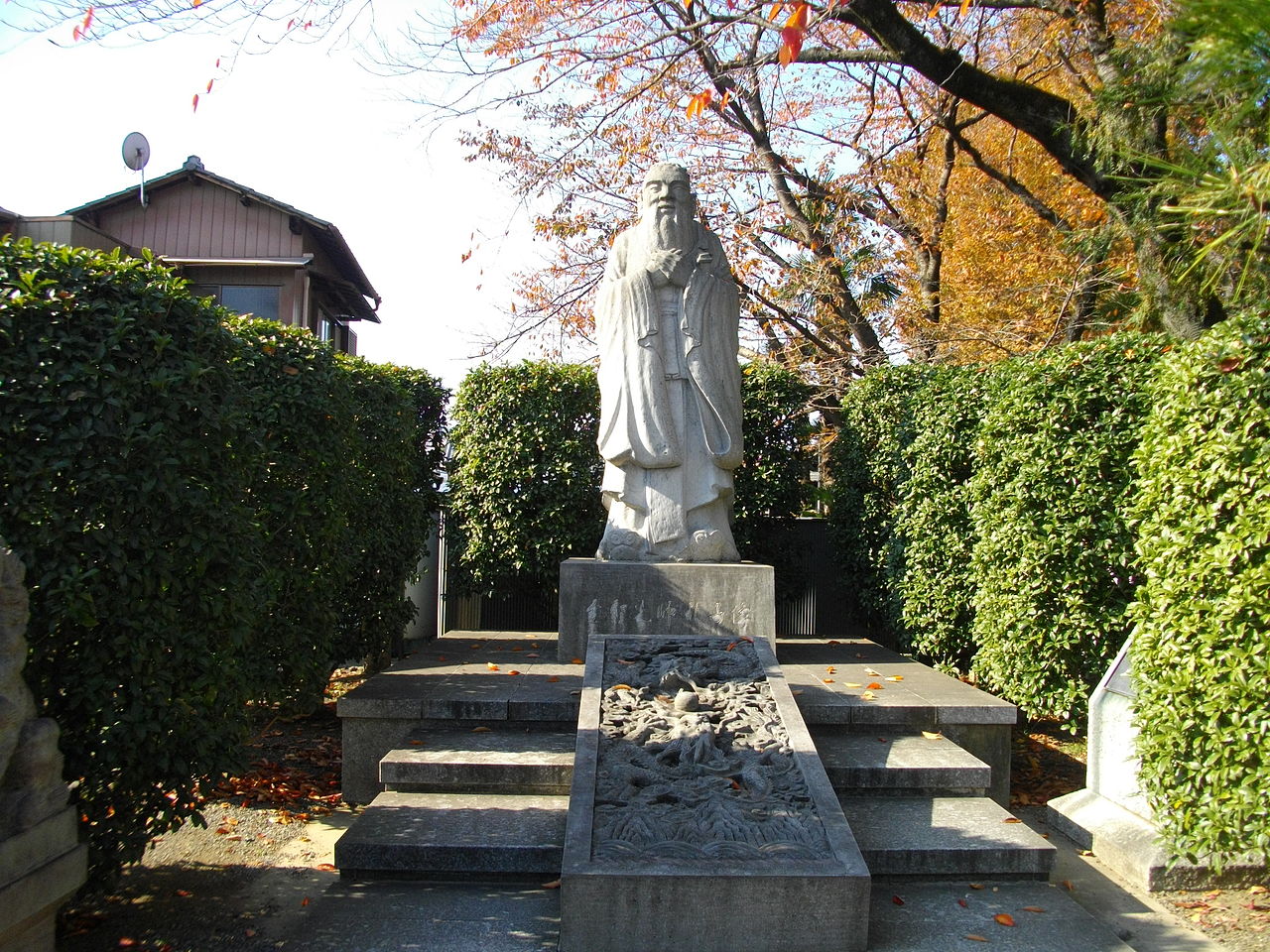
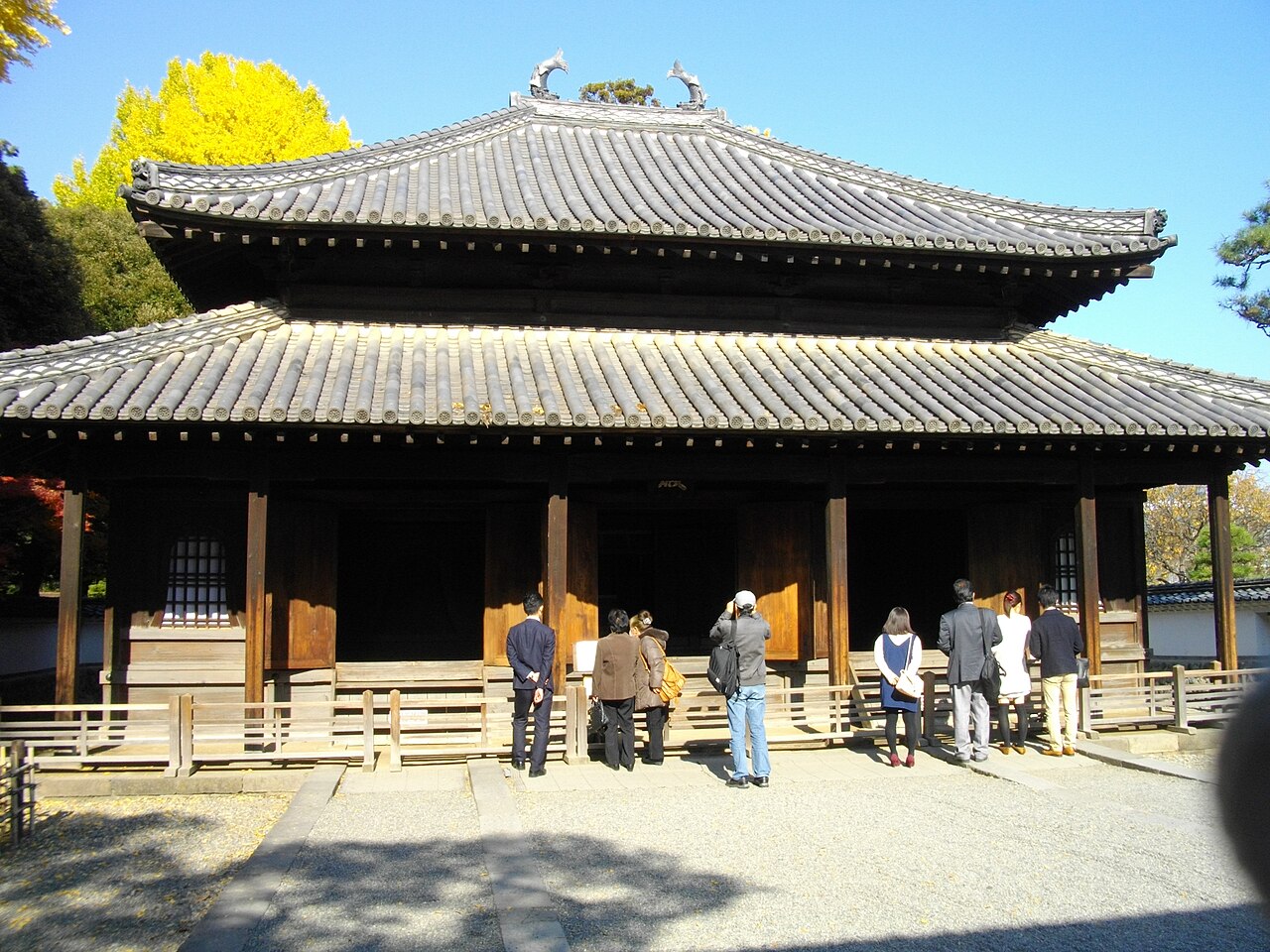
The local government has invested heavily in the site’s preservation, particularly the sekiten (Confucian rites) performed at the Koshibyo temple. These rites, held on the second Saturday of April and October, serve as a bridge between the contemporary visitor and the medieval scholar. By maintaining these rituals, the school ensures that its identity as a place of gakkō (a place of learning) remains intact.
Implications for Modern Travelers and Scholars
For the modern visitor, Ashikaga Gakko offers a profound experience, provided one approaches it with the right expectations.
The Experience of "Quiet History"
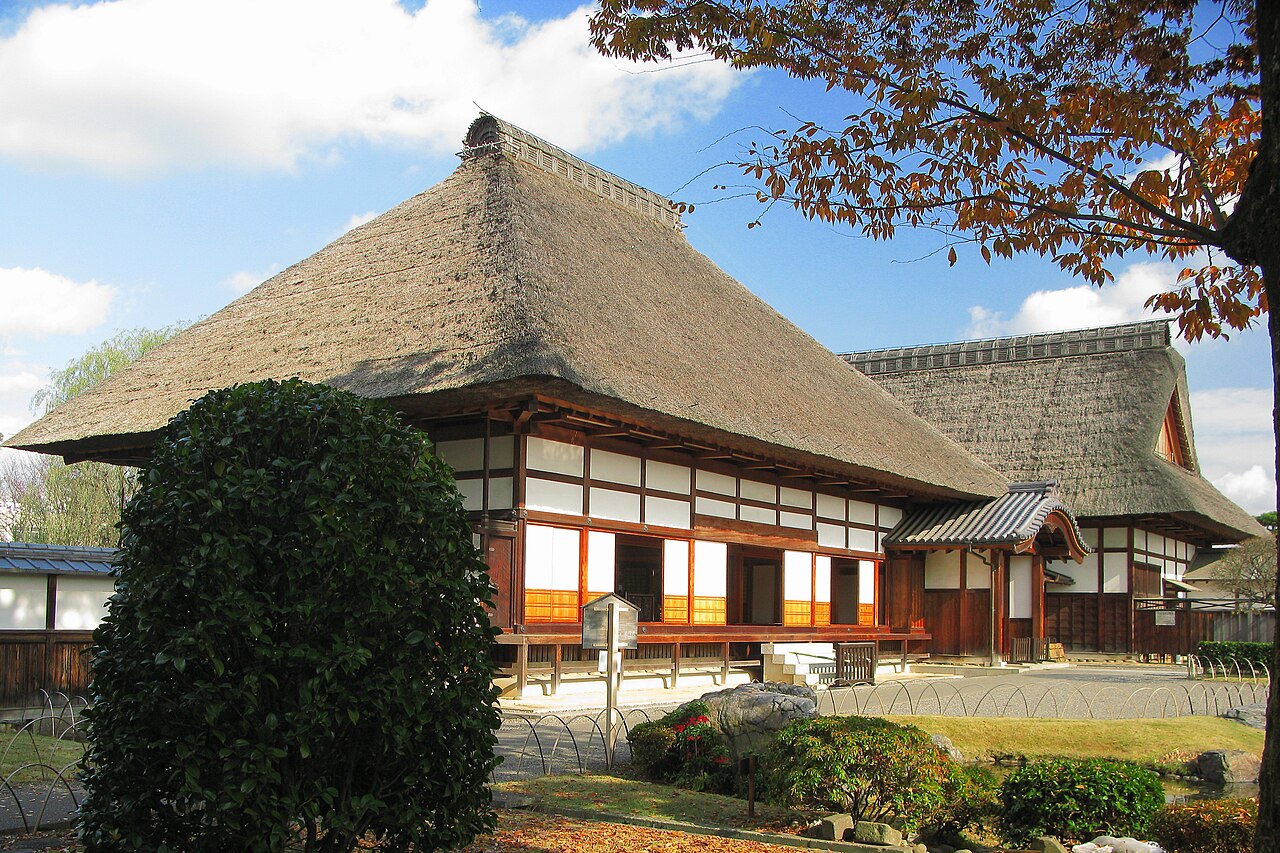
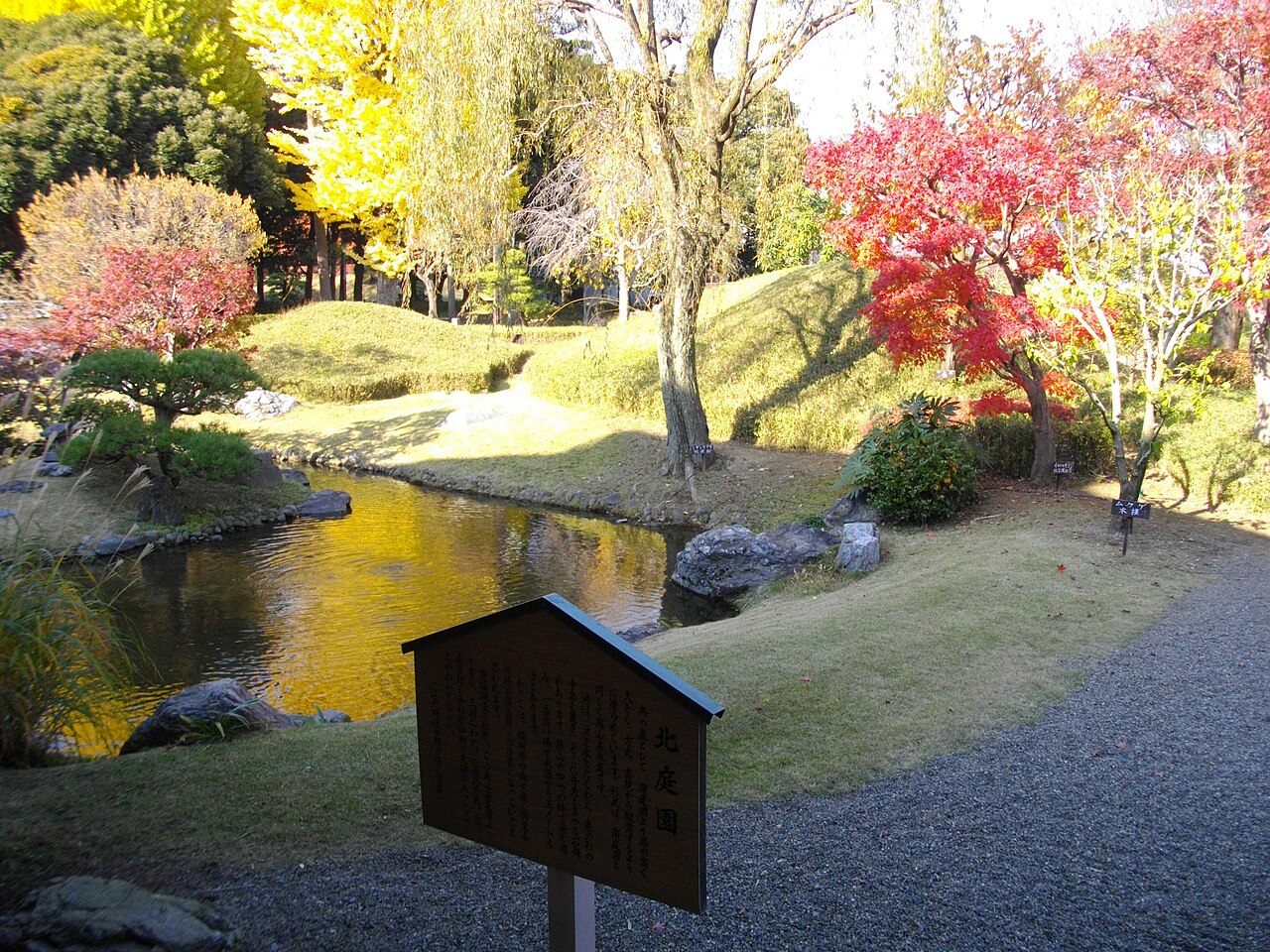
Because Ashikaga is bypassed by the typical tourist routes, the Gakko remains one of the few places in Japan where a visitor can stand in a 17th-century classroom and experience true silence. Walking through the Hojo (the main residence and teaching hall) and the Northern Garden, one gains a visceral sense of the aesthetic and intellectual discipline required of students centuries ago.
Comparative Cultural Value
When contrasted with the crowded temples of Kyoto, Ashikaga Gakko provides a more focused, scholarly perspective on Japanese history. It is a "pilgrimage-worthy" site for those interested in the humanities. However, for those seeking broad, easily digestible entertainment, the site may seem sparse. The lack of extensive English-language signage—though partially mitigated by an affordable audio guide—means that the site rewards those who engage in pre-visit research.
A Strategic Day-Trip
To maximize the value of a visit, experts recommend a "culture block." By pairing the school with the adjacent Banna-ji (the 1196 Ashikaga family temple), visitors can experience the full scope of local history in a single morning. For those visiting during the blooming season, the proximity to the Ashikaga Flower Park makes for a balanced itinerary that blends intense historical study with the natural beauty for which the region is famous.
Conclusion: The Endurance of the Written Word
Ashikaga Gakko stands as a reminder that the pursuit of knowledge in Japan did not begin with the arrival of Western educational models. It was cultivated in the quiet halls of this Tochigi institution, preserved through the dedication of Zen monks, and protected by the modern Japanese state. Whether you are a student of the classics, an admirer of Edo-period architecture, or simply a traveler looking to step off the beaten path, Ashikaga Gakko offers an encounter with the roots of Japanese intellect. It is a place where, if one listens closely, the whispers of centuries of scholars still echo through the wooden corridors.












No comments yet. Be the first to join the conversation!