

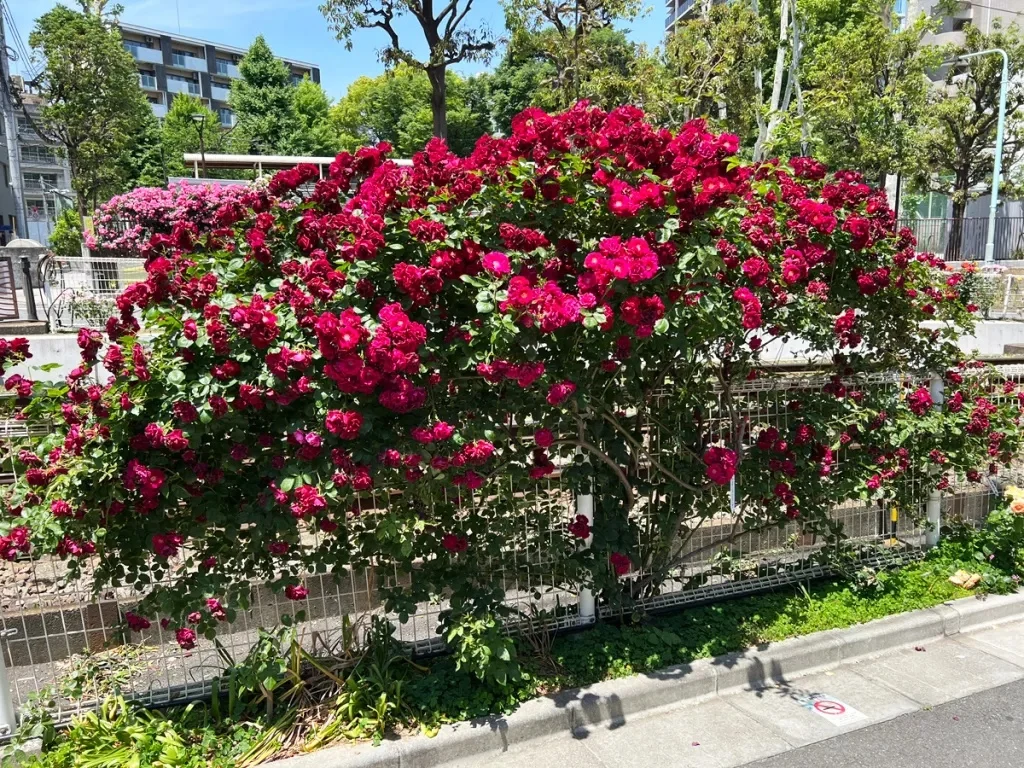
In the sprawling, concrete-laden metropolis of Tokyo, green spaces are often confined to meticulously manicured parks or the hidden courtyards of ancient shrines. However, in the Toshima Ward neighborhood of Otsuka, a revolutionary urban experiment has bloomed—literally. What was once a neglected, trash-strewn stretch of roadside has been reclaimed by the community, transforming into a vibrant, fragrant corridor now known as "Otsuka Rose Road."
As the spring season hits its peak, this public thoroughfare is currently bursting with over 1,200 rose bushes, creating a sensory experience that rivals the most expensive botanical gardens in Japan. The transformation is more than just a landscaping success; it is a testament to the power of community-led urban renewal and a shining example of how a neighborhood can reclaim its identity from urban decay.
The Genesis of the Bloom: A Chronology of Change
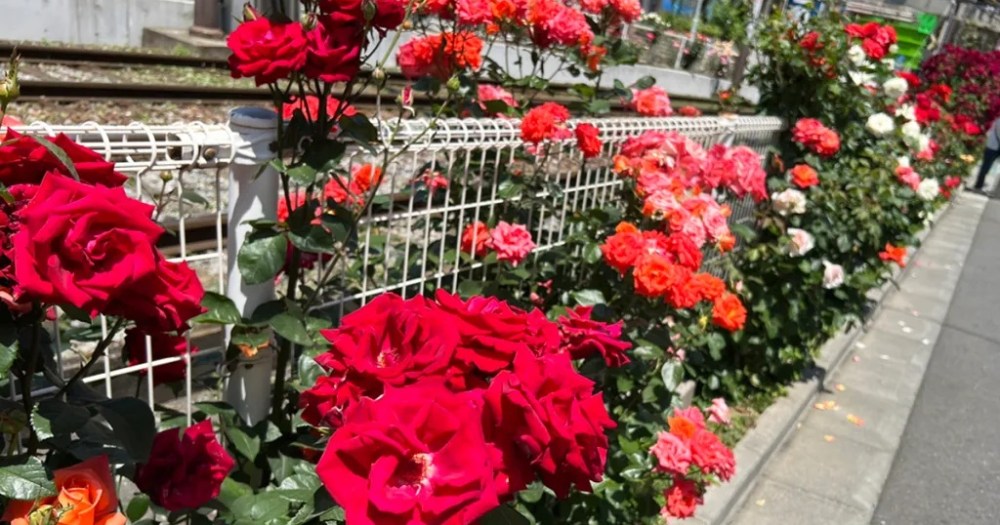
The history of the Otsuka Rose Road is a narrative of slow, intentional restoration. Decades ago, the street running adjacent to the Arakawa Line—Tokyo’s sole remaining streetcar, affectionately dubbed the "Tokyo Sakura Tram"—had fallen into a state of disrepair. It was frequently plagued by the illegal dumping of household waste and the chaotic clutter of abandoned bicycles. To the casual observer, it was an eyesore that served as a symbol of urban neglect.
The Turning Point
The shift began during a series of municipal clean-up initiatives aimed at revitalizing the area. During the clearing of debris, city workers stumbled upon a curious discovery: roughly 100 neglected rose bushes that had been planted by residents long ago, surviving against the odds amidst the trash. Rather than clearing them away, local organizers saw an opportunity to redefine the space. They decided to lean into this accidental botanical heritage, choosing to cultivate the roses as a focal point for neighborhood pride.
Twenty-Five Years of Growth
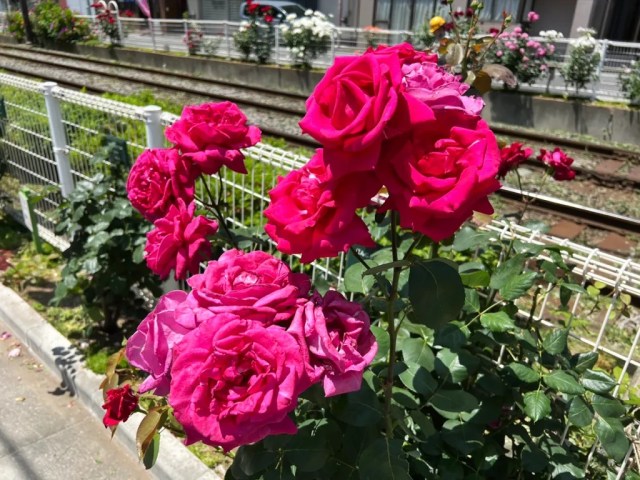
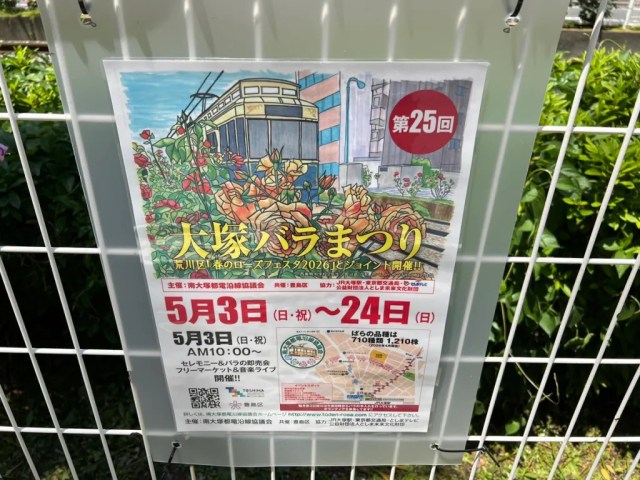
This year marks a significant milestone: the 25th anniversary of the "Otsuka Rose Festival." What began as a modest effort to tidy up a street has evolved into a full-scale seasonal event. Running from May 3 to May 24, the festival celebrates the culmination of over two decades of horticultural dedication, turning a transit corridor into a destination for nature lovers and urban photographers alike.
Horticultural Statistics and Biodiversity
The sheer scale of the Otsuka Rose Road is staggering when one considers its origin. The collection has expanded exponentially from the original 100 survivors.
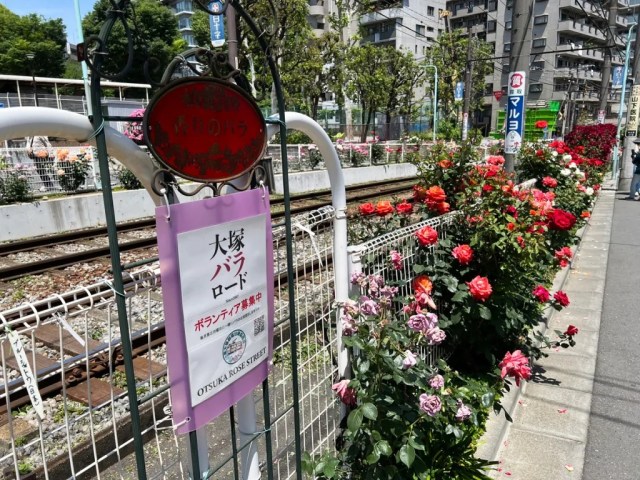
- Total Rose Population: 1,210 bushes.
- Botanical Variety: 710 distinct species of roses, ranging from vibrant climbers to delicate miniature varieties.
- The Route: The "Road" spans the distance between Otsuka Station and Fujiwara Station, a compact but densely planted stretch that takes approximately six minutes to traverse on foot.
- Accessibility: The event is entirely free of charge, operating as a public amenity rather than a gated attraction.
The diversity of the roses ensures that the "Otsuka Rose Road" remains visually dynamic, with different species reaching peak bloom at slightly different intervals throughout May. This careful curation ensures that the street remains a living, breathing tapestry of color for the duration of the festival.
The Symbiosis of Transit and Nature
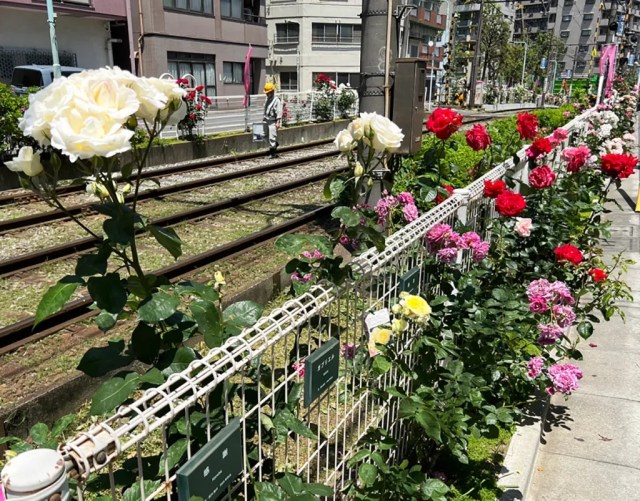
One of the most compelling aspects of this project is its integration with the Arakawa Line. Unlike many tourist attractions that require a specific detour, the Otsuka Rose Road is integrated into the daily commute of thousands of Tokyoites.
A Dual-Perspective Experience
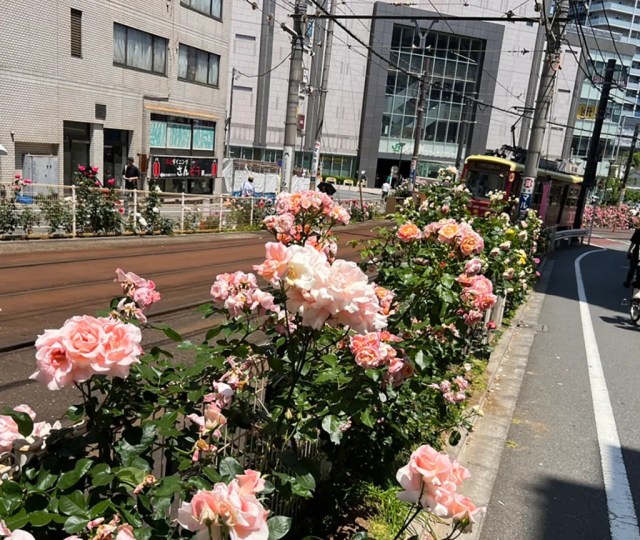
For those who prefer a leisurely pace, the six-minute walk between Otsuka and Fujiwara stations offers an intimate view of the individual blossoms. It allows for high-quality photography, particularly when the vintage-style Tokyo Sakura Tram passes by in the background, creating a juxtaposition of industrial history and natural beauty.
For others, the tram itself provides a unique vantage point. As the streetcar glides along the tracks, passengers are treated to a rolling display of roses that lines the path. This dual-mode of enjoyment—walking the path in one direction and riding the tram back—has become a popular itinerary for locals and savvy tourists looking to experience a "hidden" side of Tokyo.
Community Impact and Urban Implications
The implications of the Otsuka Rose Road extend far beyond aesthetics. In urban planning, this project is cited as an example of "placemaking"—a collaborative process by which we can shape our public realm in order to maximize shared value.
Reducing Urban Decay
By replacing trash and abandoned bicycles with highly maintained flower beds, the community has utilized the "broken windows theory" in reverse. The presence of beauty and the implied ongoing care of the rose bushes have significantly reduced illegal dumping. When a space is cared for, residents and visitors alike are more likely to treat it with respect.
Economic and Social Benefits
While Otsuka is not typically featured in high-profile tourism guidebooks, the rose festival has begun to draw foot traffic from other parts of the city. This influx of visitors provides a subtle boost to local businesses. It also strengthens the social fabric of the neighborhood; the festival requires constant maintenance, pruning, and planning, which necessitates a high degree of cooperation between local shop owners, residents, and the municipal government of Toshima Ward.
A Hidden Gem in the Tokyo Landscape
For those planning a visit to Tokyo, particularly if you are exploring the nearby Ikebukuro district, the Otsuka Rose Road offers a rare moment of tranquility. It provides a stark, welcome contrast to the neon-drenched, high-energy environment of central Tokyo.
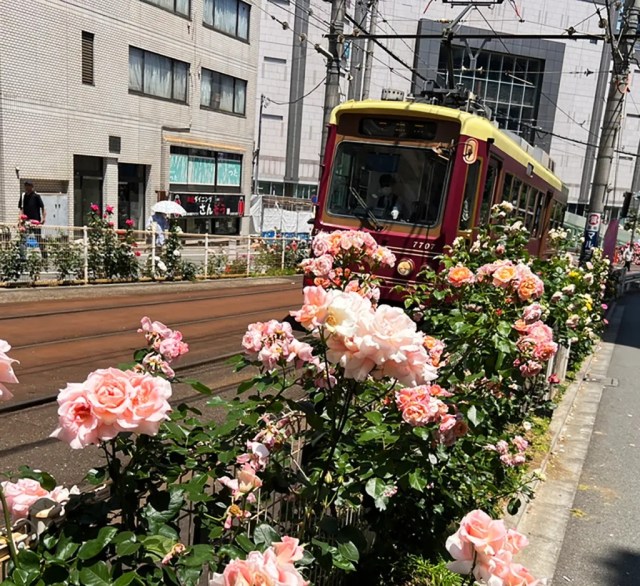
The neighborhood of Otsuka serves as a reminder that the best of Tokyo is often found in the quiet, unexpected corners. Whether you are a train enthusiast wanting to document the historic Arakawa Line or a horticulturist curious about the 710 varieties of roses, the road offers a compelling reason to step off the beaten path.
Practical Information for Visitors
- Timing: The peak bloom occurs in mid-May, coinciding with the annual festival dates (May 3–24).
- Logistics: The area is easily accessible via the JR Yamanote Line (Otsuka Station).
- Recommendation: To get the most out of your visit, aim for a weekday morning to avoid peak weekend foot traffic. Combine your visit with a trip to one of the nearby local eateries in the Otsuka area, which are currently enjoying a surge in popularity, including some of the city’s most viral ramen shops.
Conclusion
The transformation of a cluttered, forgotten road into a celebrated rose-lined corridor is a victory for community-led urbanism. By turning a liability into a source of collective pride, the residents of Otsuka have proven that with enough patience and a bit of soil, any corner of a city can be turned into a treasure. As the 25th annual festival continues through the end of May, the Otsuka Rose Road stands as a fragrant, colorful beacon of what is possible when a community decides to cultivate beauty in the heart of the concrete jungle.












No comments yet. Be the first to join the conversation!