Iffa Jayyana
For decades, the publishing industry treated the novella like a wayward traveler: too bulky for the sleek compartments of literary magazines, yet too slight for the grand architecture of traditional bookstores. It was an awkward middle child of literature, often relegated to the shadows of the "novelist-in-waiting" phase. However, as the digital age reshapes reader habits and the indie publishing community flexes its creative autonomy, the novella is experiencing a profound renaissance. At the center of this shift is the Speculative Fiction Indie Novella ChampionShip (SFINCS)—a grassroots movement that is proving short-form fiction is no longer just a stepping stone, but a destination.
The Genesis of SFINCS: From Twitter Threads to Literary Competition
The history of indie literary competitions is anchored by the venerable SPFBO (Self-Published Fantasy Blog-Off), founded by author Mark Lawrence. For years, SPFBO served as the gold standard for indie novelists to gain visibility. Yet, in the early 2020s, a growing chorus of indie authors and reviewers began to voice a persistent lament: the novella was being left behind.
In 2023, that frustration crystallized during a series of spontaneous discussions on X (formerly Twitter). The consensus was clear—the format deserved its own platform. SFINCS (pronounced "sphinx") was born from this grassroots energy, designed to shine a spotlight on speculative fiction works that fall between the cracks of conventional publishing standards. As a judge for the most recent cycle, I have had the privilege of witnessing this evolution firsthand, moving from a participant in the indie ecosystem to an arbiter of its most exciting short-form works.
Defining the "In-Between": The Mechanics of the Novella
To understand the rise of the novella, one must first grapple with the industry’s obsession with word count. In the eyes of traditional publishers, word count is the definitive metric, whereas page count is viewed as a malleable illusion susceptible to font, margin, and trim-size manipulation.
While standards vary, the consensus generally categorizes works as follows:

- Novelette: 7,500 to 17,500 words.
- Novella: 17,500 to 40,000 words.
- Novel: 40,000+ words.
However, these definitions are increasingly fluid. In the early 2000s, the lower limit for a "novel" was often cited as 60,000 words. Today, as audience attention spans contract and the market diversifies, the boundaries have softened. A 40,000-word epic fantasy may be marketed as a "short novel" or a "novella" depending on the publisher’s intent. What is clear is that the "gray area" of word count has become the sandbox of the creative class, where the story’s impact is prioritized over its physical heft.
A Chronology of the Short-Form Revival
The reclamation of the novella did not happen overnight. It is the result of a symbiotic relationship between institutional pivots and indie grit.
- 2008: Tor.com begins publishing shorter fiction online, establishing a digital home for stories that defied traditional length constraints.
- 2015: Tor.com launches its formal publishing imprint, signaling that short-form fiction was commercially viable in print.
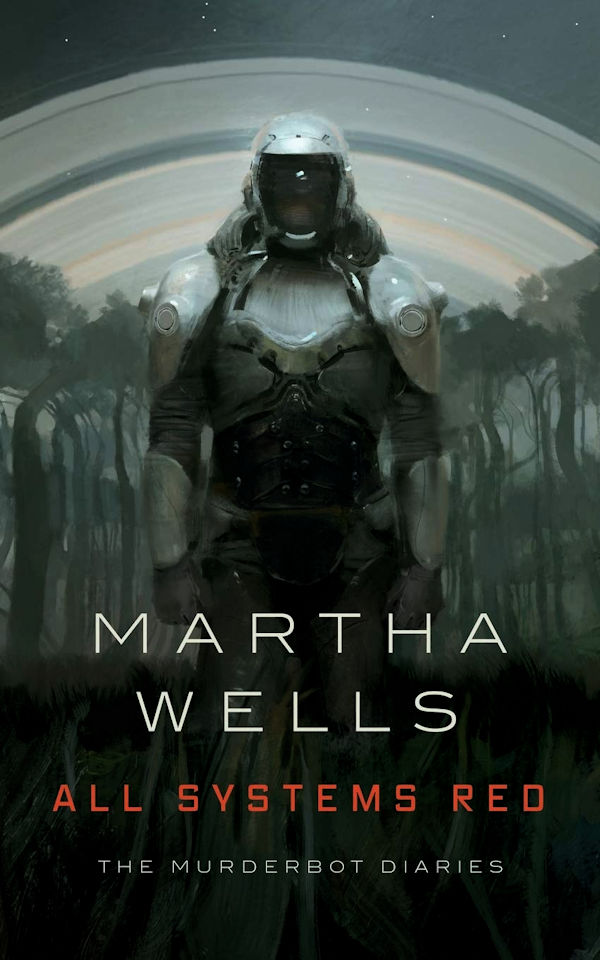
- 2016–2020: The success of major series—such as Martha Wells’ The Murderbot Diaries and Seanan McGuire’s Wayward Children—proves that readers are hungry for bite-sized, high-concept narratives.
- 2023: SFINCS is founded, formalizing the indie community’s commitment to the format.
- 2026: SFINCS crowns its third champion, Jessica A. McMinn, for her noir gaslamp fantasy, Parasitic Omens, cementing the competition as a fixture in the SFF calendar.
The Role of Indie Publishing as an Incubator
While traditional imprints like Tor.com helped normalize the novella for the general public, independent authors have transformed it into a cornerstone of their business models. For many indie writers, the novella serves multiple roles: a reward for newsletter subscribers, a bridge between massive series installments, or a testing ground for experimental worldbuilding.
The true catalyst for this revival, however, is creative freedom. Indie authors are not constrained by the profit-driven mandates of corporate publishing houses that often view "weird" or "niche" sub-genres as financial risks. If an indie author wants to write a 25,000-word side quest exploring a minor character’s backstory, there is no editorial board to reject it based on shelf-space concerns. Consequently, the indie space has become a laboratory for genre-bending, producing a volume of content that traditional publishing simply cannot match. In the three years since SFINCS launched, over 300 novellas have passed through the hands of its judges—a figure that represents only a fraction of the total output in the indie market.
Supporting Data: Why Attention Spans Favor the Novella
Market trends support the move toward shorter, more punchy narratives. As the digital landscape becomes increasingly saturated with content, the "time-to-reward" ratio has become a critical factor for readers.
- Readability: Many modern novellas run between 90 and 200 pages on a standard e-reader, allowing a reader to consume a complete, high-stakes story in a single sitting.
- Accessibility: For readers struggling to maintain focus amidst the barrage of notifications and short-form video content, the novella provides a digestible alternative to the 800-page "tome."
- Series Integration: The trend of "decimal-point" books (e.g., Book 2.5 in a series) has allowed authors to maintain reader engagement between major releases without demanding the massive time commitment of a full-length sequel.
Official Responses and Industry Implications
Industry analysts have begun to take notice of the "Novella Effect." While novellas historically struggle to match the per-unit sales of flagship novels, their role in brand building is becoming undeniable. By keeping readers engaged, fostering loyalty, and providing low-barrier entry points to complex fictional universes, the novella has evolved from a commercial liability into a strategic asset.
"The novella is the perfect vehicle for the modern reader," says one SFINCS judge. "It allows for deep, immersive worldbuilding without the bloat that often plagues contemporary epic fantasy."
Furthermore, the democratization of publishing has shifted the power dynamic. Readers no longer wait for a major house to decide what constitutes a "proper" book. Through platforms like Amazon KDP and independent small presses, the market is voting with its wallet, consistently supporting shorter, experimental, and high-intensity narratives.
Conclusion: The Future is Short
The resurgence of the novella is more than a passing trend; it is a recalibration of how we consume stories. By stripping away the unnecessary padding, writers are rediscovering the power of the "lean" narrative—a format that values every word, every beat, and every character arc.
Whether you are a veteran reader looking to clear your backlog or a newcomer intimidated by the sprawling lengths of modern series, the SFINCS roster offers an essential starting point. As we saw with the success of Parasitic Omens, the best stories are often the ones that respect the reader’s time.
If you are looking to revitalize your reading life, seek out a novella this weekend. You might just find that the best things really do come in smaller packages—and in doing so, you’ll be supporting a movement that is fundamentally changing the way we define what a book can be.
What is your favorite novella or novella series? Which authors do you believe have mastered the art of the short-form narrative? Join the discussion in the comments below.


 Laily UPN
 Evan Lee Salim