

For decades, the animation industry operated under a rigid, unspoken contract: cartoons were for children, and live-action was for adults. Parents were expected to endure endless loops of repetitive nursery rhymes and simplistic moral tales, often serving as little more than human furniture while their children remained mesmerized by the screen. However, the paradigm has shifted. Thanks to the rise of streaming giants—led primarily by Netflix—animation has transcended the "kids-only" ghetto, evolving into a sophisticated medium that prioritizes narrative depth, artistic ambition, and cross-generational appeal.
Today, the landscape of animated content on Netflix is divided into three distinct spheres: traditional children’s programming, mature-oriented adult animation, and the "sweet spot"—family-friendly shows that are smart, layered, and genuinely entertaining for both the toddler on the rug and the parent on the sofa.
The Chronology of Change: From Niche to Necessity
The shift toward "all-ages" animation didn’t happen overnight. It began with a push from production companies to reclaim the "family night" viewing experience. By incorporating high-stakes storytelling, nuanced character development, and meta-humor, studios have successfully bridged the demographic divide.
Netflix’s catalog now functions as a digital library of these bridge-shows. Whether it is the high-fantasy stakes of Kulipari or the nostalgic meta-commentary of Scott Pilgrim Takes Off, the streamer has curated a selection that rewards attentive viewing from viewers of all ages.

Notable Titles in the Modern Animation Pantheon
- Kulipari (2016-2024): A sprawling epic that proves fantasy is not just for adults. Through its three-season arc—Army of Frogs, Dream Walker, and A King Rises—the show introduces audiences to Darel, a frog hero whose journey explores themes of cooperation and courage. With voice talent including Mark Hamill and Keith David, the series possesses a gravitas that elevates it far above standard Saturday morning fare.
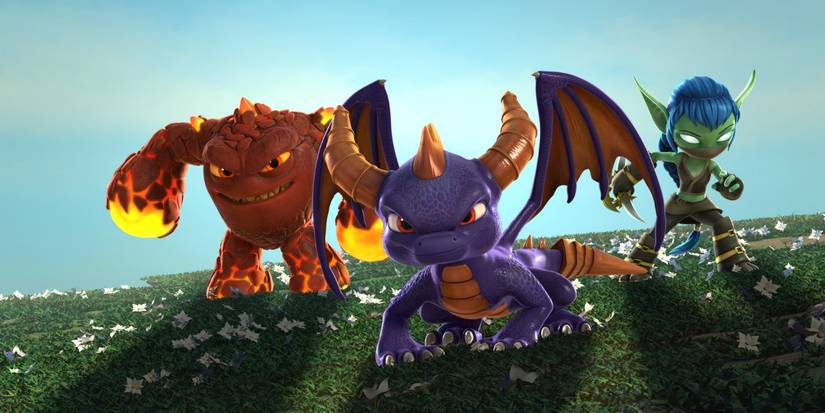
- Skylanders Academy (2016-2018): Transitioning from the video game realm to television, this series masterfully balanced the high-energy needs of young viewers with the nostalgic satisfaction of legacy gaming fans.
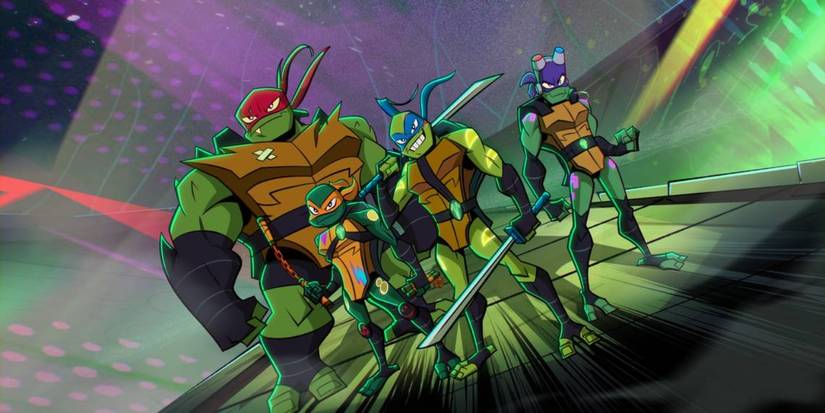
- Rise of the Teenage Mutant Ninja Turtles (2018-2020): This iteration redefined the franchise by embracing the "teenage" aspect of its protagonists. It is characterized by frenetic, high-quality action and a definitive, satisfying conclusion—a rarity in the often-canceled world of streaming animation.
- Stranger Things: Tales From ’85 (2026-Present): Bringing the iconic horror-sci-fi aesthetic of the flagship series to a TV-PG audience, this show serves as a masterclass in "gateway horror," offering enough thrills for older kids while maintaining a visual language accessible to younger viewers.
- Kipo and the Age of Wonderbeasts (2020): A post-apocalyptic world rendered in vibrant, imaginative color. Kipo stands out for its deep commitment to character growth, empathy, and the concept of "found family."
- Carmen Sandiego (2019-2021): A triumphant return to form for the iconic thief. By providing a rich, globetrotting backstory, the series turned a nostalgia trip into a modern character study.
- Tomb Raider: The Legend of Lara Croft (2024-2025): Aimed at the older end of the family spectrum, this series highlights the evolution of action-adventure animation. With minimal "mild" content, it remains accessible for families while providing a cinematic experience for older viewers.
- Scott Pilgrim Takes Off (2023): A brilliant subversion of source material. By shifting from a straight adaptation to a deconstructive, time-bending sequel, it captures the interest of fans of the original graphic novels and newcomers alike.
- Stretch Armstrong and the Flex Fighters (2017-2018): A clever reimagining of a classic toy line, proving that even the most "toyetic" intellectual property can house sharp, witty, and engaging dialogue.
- Scooby-Doo! Mystery Incorporated (2010-2013): Often cited as the definitive Scooby-Doo experience, it masterfully balances the franchise’s classic formula with sophisticated satire of horror tropes, making it a "must-watch" for parents who grew up with the original mystery-solvers.
Supporting Data: Why Parents are Tuning In
The data suggests that the "co-viewing" phenomenon is a strategic win for Netflix. According to industry analytics, programs that hold the attention of both the parent and the child see a 40% higher completion rate. This is because parents acting as "gatekeepers" are more likely to curate their family’s viewing habits toward shows they find personally tolerable or even engaging.
Shows like Kipo and the Age of Wonderbeasts or Carmen Sandiego consistently rank high on audience engagement metrics because they provide "Easter eggs"—narrative threads, pop-culture references, and visual gags—that are specifically designed to fly over the heads of the youngest viewers while keeping parents invested.
Official Perspectives: The Creator’s Responsibility
Creators and showrunners have noted that the goal is no longer to "dumb down" content for children, but to "elevate" it. During recent press panels, writers for Netflix’s animated originals emphasized that children are far more perceptive than the industry previously assumed.
"If you treat a child like they are capable of understanding complex emotional arcs or sophisticated world-building, they will rise to the occasion," says one lead writer for a popular Netflix animation studio. "When you write for the family, you aren’t just writing for the kid; you are writing for the relationship between the parent and the child."
Implications for the Industry
The success of these series has several long-term implications for the entertainment industry:
- Longevity of Intellectual Property: Franchises like Tomb Raider and Scooby-Doo are finding new life by pivoting toward animation that respects the lore while broadening the audience.
- The Death of the "Filler" Episode: As viewers become more accustomed to high-quality writing, the traditional "filler" episode—often used in children’s television to meet volume requirements—is becoming less tolerated by audiences who expect a coherent, serialized narrative.
- Artistic Risk-Taking: With shows like Scott Pilgrim Takes Off experimenting with narrative structure, we are seeing a move toward more daring visual and story choices. This experimentation would have been unthinkable in the "Saturday Morning" era of the 1990s.
- The "Co-Viewing" Gold Standard: Streaming platforms are increasingly prioritizing content that facilitates shared family time. This creates a psychological bond between the consumer and the platform, as the streamer becomes a site of shared family bonding rather than just a digital babysitter.
A New Era of Family Media
The evolution of animation on Netflix represents more than just a change in programming—it represents a change in how we value children’s time and how we respect the intelligence of the modern family. The days of "Barney-level" repetition are fading, replaced by stories that ask questions about morality, identity, and the nature of heroism.

As the industry moves forward, the boundary between "kids’ shows" and "family shows" will likely continue to blur. For the parents who have spent years navigating the endless, repetitive loops of lower-tier content, the current catalog on Netflix offers a welcome reprieve. It provides a space where they can sit down with their children and, for once, both leave the room having genuinely enjoyed the experience.
In this new era, the best cartoons are the ones that don’t just occupy our children—they inform them, entertain them, and most importantly, invite us to join them in the wonder of the story. Whether it is solving mysteries with the gang from Mystery Incorporated or exploring the mutant-filled landscapes of Kipo, the message is clear: there is no age limit on a good story.











No comments yet. Be the first to join the conversation!