Jia Lissa
The healthcare landscape is undergoing a radical digital transformation. As patients increasingly turn to platforms like YouTube to research symptoms, evaluate providers, and understand complex medical procedures, the role of video content has shifted from a "nice-to-have" marketing asset to a fundamental pillar of patient communication. For hospitals, private practices, and medical technology firms, video is the bridge that turns abstract, intimidating medical data into accessible, human-centric narratives.
However, healthcare marketing is not without its distinct challenges. Providers must navigate the complexities of HIPAA compliance, ensure the absolute accuracy of scientific information, and maintain a tone of authority and empathy. Achieving this balance requires not just compelling storytelling, but the right technological infrastructure to bring those stories to life. As we move into 2025, selecting the right video editing software has become a strategic decision for marketing teams aiming to balance professional polish with regulatory diligence.
The Evolution of Healthcare Video Marketing: A Chronological Overview
The transition of healthcare marketing into the digital video era has been rapid and transformative. Understanding how we arrived at today’s high-production standards is essential for any organization planning their 2025 strategy.

The Early Phase (2010–2015): The Informational Era
In the early days of digital healthcare, video content was largely static. Hospitals primarily utilized long-form, "talking head" videos of physicians providing general wellness advice. Production values were secondary to the sheer novelty of having a presence on YouTube.
The Rise of Engagement (2016–2020): Humanizing the Brand
As social media algorithms evolved to prioritize watch time, healthcare organizations began to pivot. This period saw the rise of the "Patient Story." By focusing on outcomes and the emotional journey of recovery, providers realized they could build trust more effectively than through cold, clinical facts. Video editors during this time became more focused on B-roll integration and emotional music scores.
The Precision Era (2021–Present): Explainer Videos and Short-Form Content
Post-pandemic, the demand for "snackable" medical content exploded. Patients began looking for short, high-quality explainers that could demystify complex surgeries or medication side effects. The focus shifted toward high-end animation, color grading for visual clarity, and seamless editing that keeps the viewer engaged without compromising medical integrity.
Supporting Data: Why Video is Vital for Patient Trust
Current market data indicates that healthcare organizations leveraging video marketing see significantly higher patient engagement rates. Studies consistently show that:
- Information Retention: Patients retain approximately 95% of a message when they watch it in a video, compared to 10% when reading it in text.
- Trust Factors: 70% of patients report that they are more likely to trust a healthcare provider if they have seen a video introduction of that physician before their first appointment.
- Search Engine Authority: YouTube is the world’s second-largest search engine. Healthcare channels that consistently publish high-quality, edited content see a 40% increase in organic traffic to their main service pages.
These metrics underscore a vital truth: in the eyes of the patient, the quality of your video content is a direct reflection of the quality of care you provide.
Top 5 Video Editing Tools for the Healthcare Professional in 2025
To help you navigate the crowded market of editing software, we have curated the five best tools tailored to specific healthcare marketing needs.

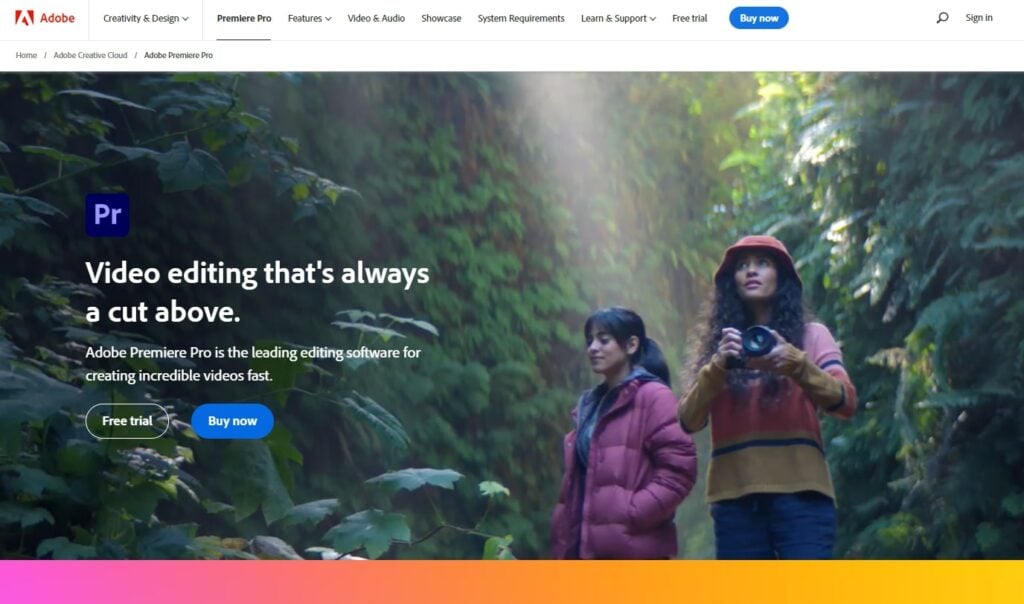
1. Adobe Premiere Pro: The Industry Standard for Professionalism
Adobe Premiere Pro remains the gold standard for high-end production. If your hospital or clinic is producing high-stakes content—such as documentary-style success stories or complex procedure breakdowns—this is the tool of choice.
- Why it works: It offers multi-camera editing and deep integration with the Adobe Creative Cloud, allowing you to pull in professional medical diagrams or motion graphics created in After Effects.
- Implications: While it carries a steeper learning curve, the professional output reinforces your brand’s reputation as a high-authority medical institution.
- Pricing: $20.99/month.
2. Animaker: Simplifying Medical Complexity
Not every message requires a camera. Sometimes, the best way to explain a complicated diagnosis or a new insurance policy is through animation. Animaker uses AI-driven templates that allow marketing teams—even those without design experience—to create high-quality explainers.
- Why it works: It features an extensive library of medical-themed assets, which removes the need for expensive custom illustration.
- Implications: By using animation, you eliminate the risks associated with filming actual patients, simplifying HIPAA compliance and privacy concerns.
- Pricing: Free plan available; Paid plans start at $15/month.
3. Wondershare Filmora: Efficiency for Busy Marketing Teams
For organizations that need to produce content at scale—such as daily health tips or social media updates—Filmora offers the perfect middle ground between speed and quality.
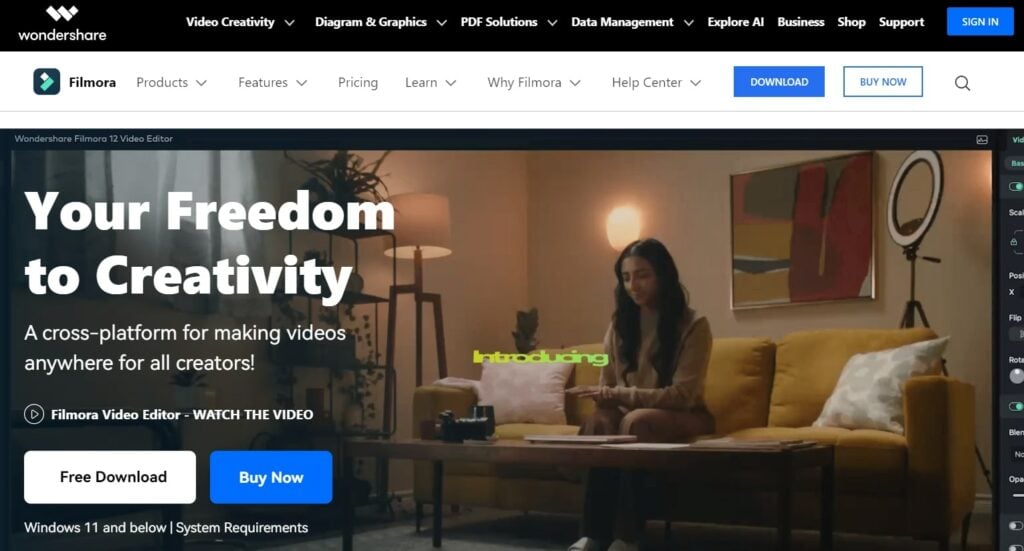
- Why it works: Its drag-and-drop interface and massive library of royalty-free music and effects allow for rapid turnaround.
- Implications: You can maintain a consistent content cadence without needing to hire a full-time video production crew.
- Pricing: Starts at $49.99/year.
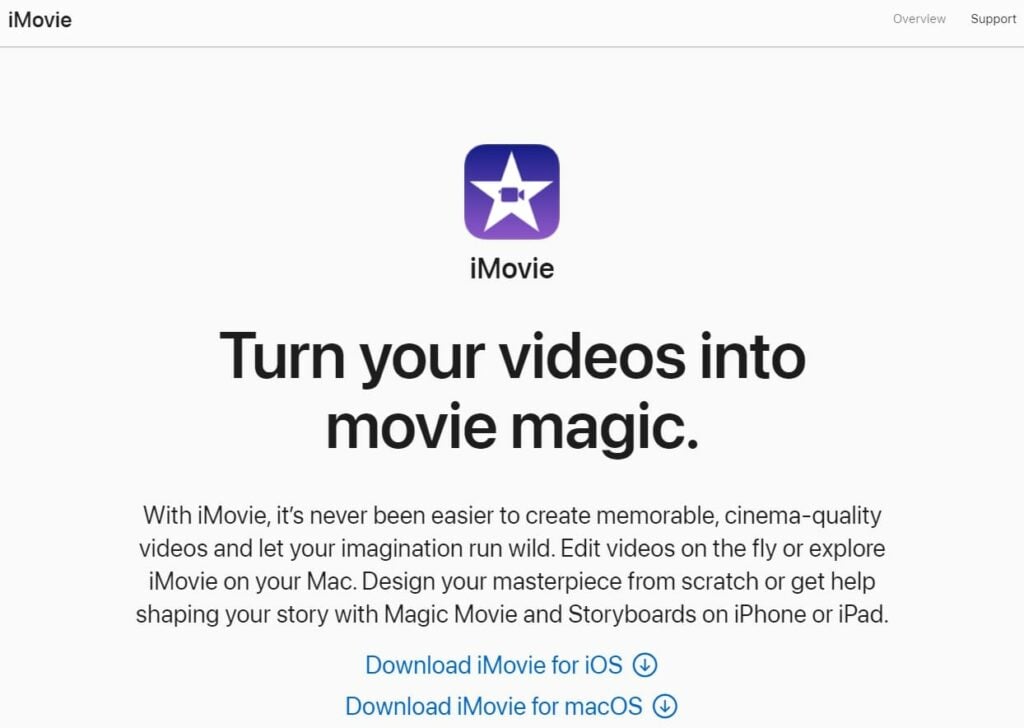
4. Apple iMovie: The Accessible Entry Point
For smaller practices or individual clinics, there is no shame in starting with iMovie. It is a powerful, free tool that provides exactly what is needed for simple, clean, and professional edits.
- Why it works: It is optimized for Mac, allowing for quick color adjustments and clean text overlays for physician names and titles.
- Implications: It reduces the barrier to entry, ensuring that budget constraints do not stop you from communicating with your patients.
- Pricing: Free.
5. DaVinci Resolve: The Choice for Cinematic Quality
DaVinci Resolve is globally recognized for its superior color grading and post-production capabilities. If you are aiming to produce high-budget, cinematic facility tours or "about us" videos for your hospital, this tool provides the highest visual quality available.
- Why it works: Its color correction tools ensure that clinical environments look clean, inviting, and professional.
- Implications: High-quality visuals evoke feelings of safety and advanced care, which are crucial for attracting prospective patients.
- Pricing: Free version available; Studio version: $295 (one-time).
Regulatory and Ethical Implications
When producing video content for the healthcare sector, the choice of software is only half the battle. Marketing directors must ensure that all production workflows adhere to strict ethical guidelines:
- HIPAA Compliance: Never include patient identifiers in raw footage unless you have a signed, documented release form. Editing software should be used on secure, encrypted hardware.
- Accuracy and Liability: Every medical claim made in a video must be vetted by a medical board or a qualified practitioner. Editing should never "cut" a statement in a way that misrepresents medical advice or creates a false sense of security.
- Accessibility: As part of the digital standard, all healthcare videos must include closed captioning. Tools like Premiere Pro and DaVinci Resolve now feature AI-powered auto-captioning, which is a vital accessibility feature for patients with hearing impairments.
Conclusion: Crafting Your Visual Strategy
The "best" tool is the one that aligns with your team’s technical expertise and your institution’s marketing goals. If you are a large hospital system, the power of Adobe Premiere Pro or DaVinci Resolve will be necessary to maintain a sophisticated brand image. If you are a community-focused clinic looking to educate your patient base, the accessibility of Animaker or Filmora may be your most effective path forward.
As we look toward 2025, remember that while the tools provide the frame, the story is what connects you to the patient. By choosing a platform that allows you to work efficiently and responsibly, you are not just producing content—you are building a relationship with your community based on clarity, trust, and care.


 Ammar Sabilarrohman
 Raul Delapena Setiawan