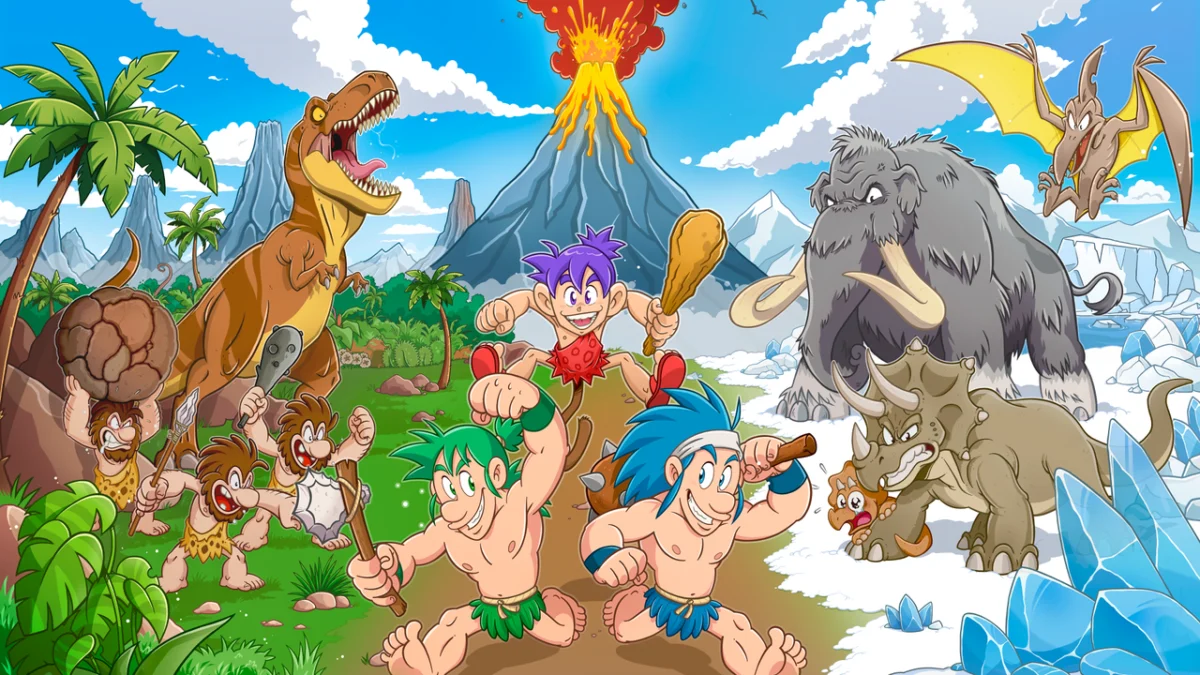
The golden age of 16-bit gaming was defined by a specific visual language—chunky, vibrant sprites, expressive character silhouettes, and the sheer audacity of "more is more" design. For many, this era remains the pinnacle of arcade-inspired home entertainment. Now, publisher Red Art Games is set to transport players back to the neon-drenched arcades and carpeted living rooms of the early 90s with the Joe & Mac Retro Collection.
Featuring three seminal titles from the Data East library—Joe & Mac: Caveman Ninja, Congo’s Caper, and Joe & Mac 2: Lost in the Tropics—this collection is more than a simple port. It is an act of digital archaeology, carefully curated to preserve the tactile joy of 90s gaming while offering modern quality-of-life features for a new generation of players.
The Main Facts: A Trio of Prehistoric Classics
The Joe & Mac Retro Collection acts as a love letter to the "Caveman Ninja" franchise, which originally graced the Super Nintendo Entertainment System (SNES) between 1991 and 1995. At the heart of the collection is the quintessential side-scrolling action that defined Data East’s reputation for high-octane, whimsical gameplay.
The titles included are:
- Joe & Mac: Caveman Ninja: The definitive prehistoric platformer where two cavemen, Joe and Mac, battle through vibrant, dangerous jungles to rescue their kidnapped tribe members.
- Congo’s Caper: A quirky, high-energy spin-off featuring a monkey-turned-boy who must battle his way through prehistoric threats to save his girlfriend.
- Joe & Mac 2: Lost in the Tropics: A deeper, more expansive sequel that introduced non-linear progression and town-building elements, showcasing the evolution of the series.
Red Art Games has confirmed that the collection will launch digitally on October 29 across all major platforms, including Nintendo Switch, PS5, Xbox Series X/S, and PC via Steam. In a nod to the future of the industry, the publisher has also confirmed availability for the upcoming Nintendo Switch successor, ensuring that the legacy of these 90s icons will endure on next-generation hardware.
Chronology: The Evolution of the Caveman Ninja
To understand the significance of this collection, one must look at the timeline of Data East’s output. Between 1991 and 1995, the Japanese developer was in its prime, consistently pushing the limitations of the SNES hardware.
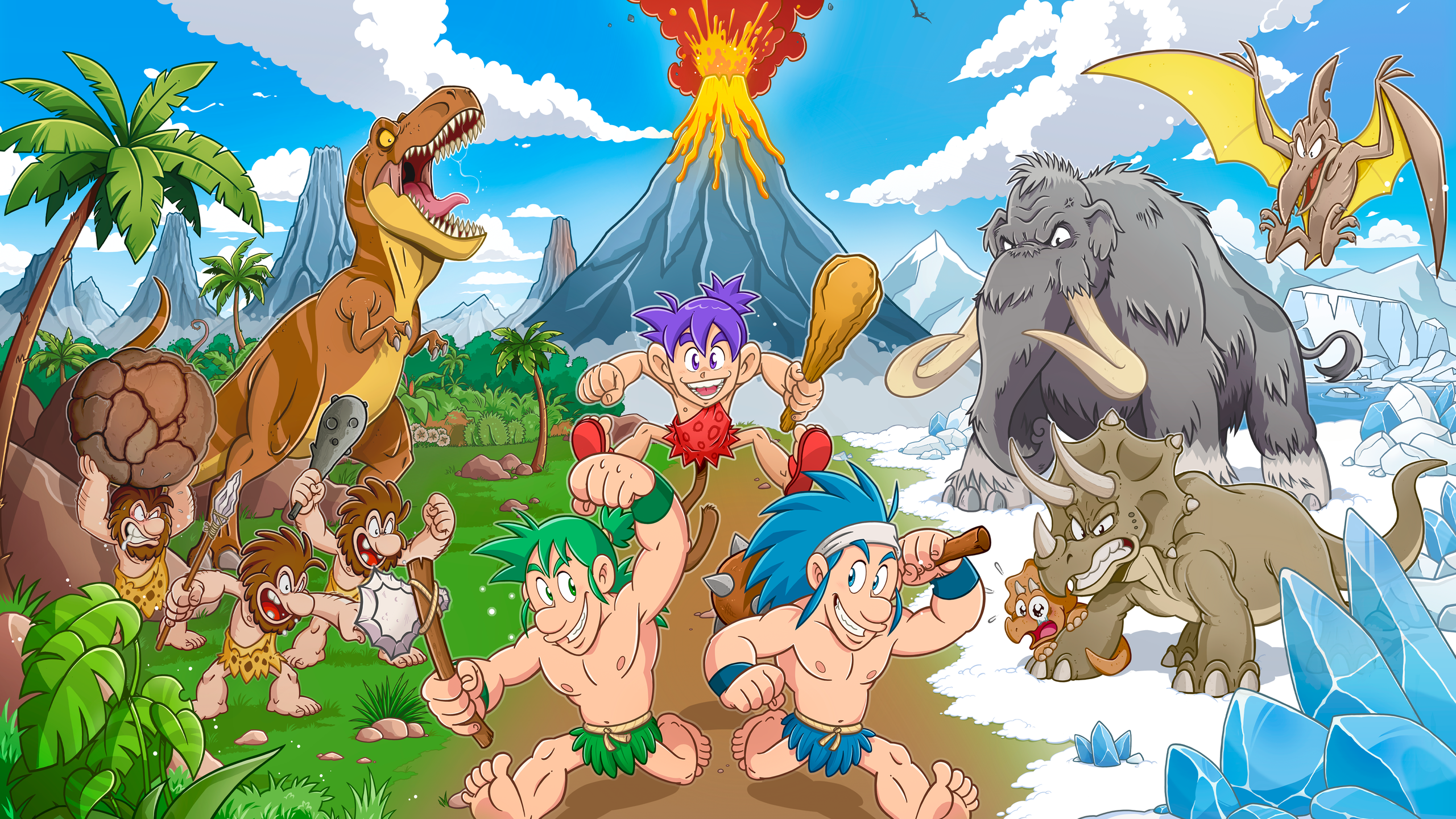
The original Joe & Mac arrived in the arcades in 1991 before being ported to home consoles, instantly becoming a staple of the "run-and-gun" genre. Its success was driven by its bold, goofy character designs—big, bobble-eyed dinosaurs and cavemen with exaggerated expressions—that bypassed the need for realistic graphics in favor of a distinct, cartoonish style.
By the time Joe & Mac 2: Lost in the Tropics hit the market in 1995, the industry was already looking toward the 32-bit era. However, the game demonstrated that the 16-bit aesthetic had reached its zenith. The pixel art was cleaner, the color palettes were more diverse, and the gameplay mechanics had matured to include light RPG elements. By bundling these three specific titles, Red Art Games provides a longitudinal study of how developers adapted to changing player expectations over the course of half a decade.
Supporting Data: Why 16-Bit Art Still Resonates
The appeal of 16-bit game art lies in the economy of its design. In an era where modern AAA titles prioritize photorealistic textures and ray-tracing, there is a refreshing clarity in the "chunky" sprites of the early 90s.
The Art of the Silhouette
In game design, a character is "readable" if a player can identify it at a glance, even in the heat of a chaotic boss fight. Data East mastered this by focusing on strong silhouettes. A player never had to guess what a T-Rex looked like in Joe & Mac; the threat was telegraphed through clear, exaggerated movement and bold color contrast. This design philosophy prevents the screen from becoming an "indistinguishable wall of pixels," a common critique of modern games that prioritize graphical fidelity over art direction.
Preservation and Accessibility
The collection goes beyond mere emulation. It includes:
- Japanese Originality: Players can experience the uncensored versions of the games, specifically the Japanese release of Caveman Ninja, which contains content omitted or altered in Western localizations.
- Visual Customization: For those who miss the hum of a tube television, the collection offers CRT filters and adjustable aspect ratios, allowing users to recreate the specific visual "warmth" of the 1990s.
- Modern Concessions: Understanding that the difficulty spikes of the 90s are often considered "brutal" by modern standards, Red Art Games has implemented save states and a rewind feature. This ensures that the games remain accessible to casual players without stripping away the challenge for those who seek it.
Official Responses and the "Virtual Unboxing"
Red Art Games has positioned this release as an experience that honors the physical culture of gaming. Perhaps the most innovative feature is the "Virtual Unboxing Experience." Recognizing that collectors often value the packaging as much as the disc or cartridge itself, this mode allows players to explore high-fidelity digital renders of original boxes, manuals, and promotional materials.
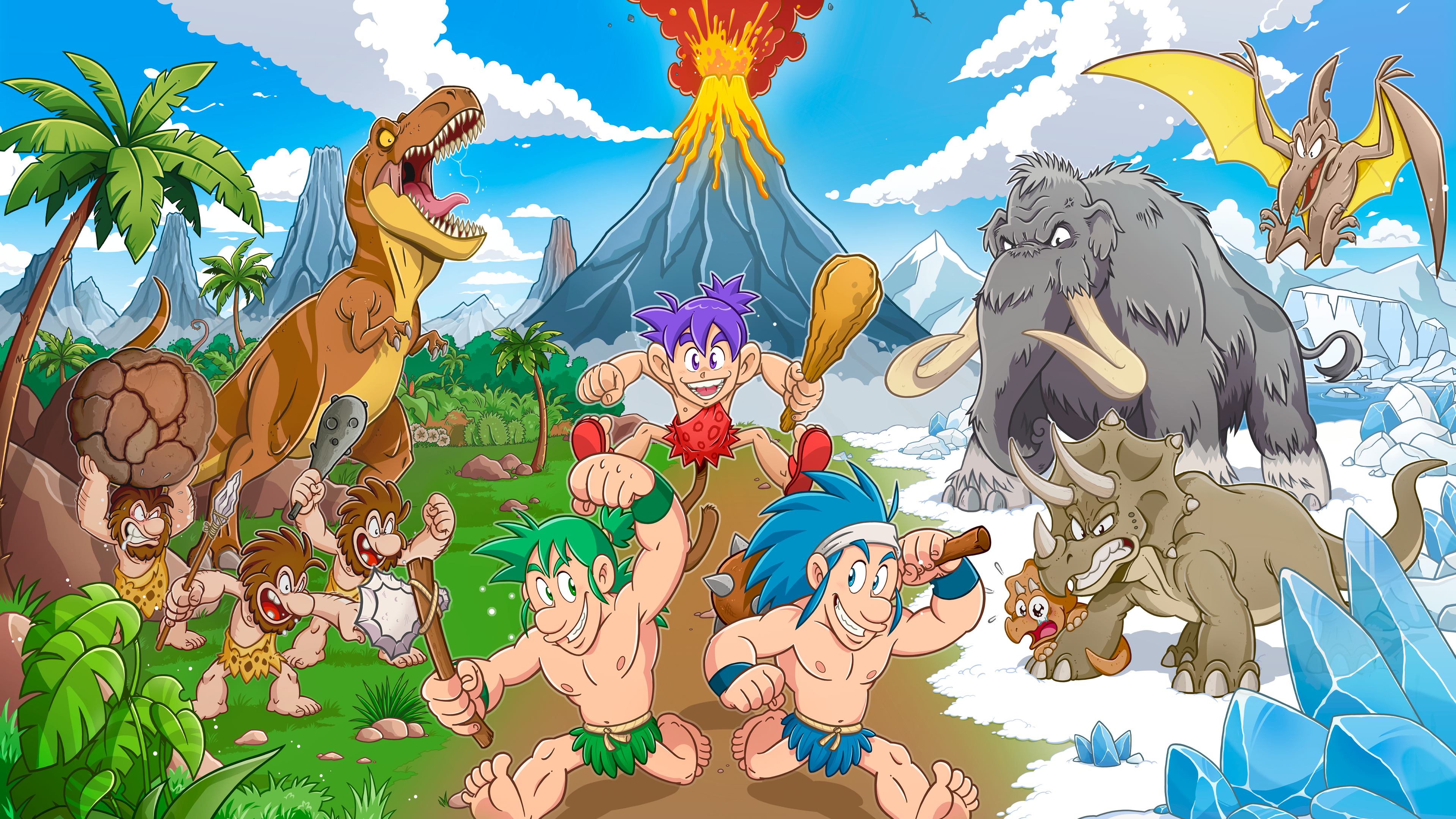
For those who prefer a tangible experience, the company is also releasing physical editions. These packages feature reversible covers, stickers, posters, and even acrylic stands in the "Rock Edition." This strategy acknowledges the current "retro-renaissance," where players are increasingly looking to own their digital history in a physical format.
Implications: The Future of Retro Gaming
The release of the Joe & Mac Retro Collection carries significant implications for the industry. First, it highlights the growing market for "prestige" retro collections. Consumers are no longer satisfied with low-effort ports; they demand curation, historical context, and technical enhancements that show respect for the source material.
Second, the confirmation of support for the Nintendo Switch 2 is a strategic masterstroke. By targeting both current and next-generation platforms, Red Art Games is ensuring that these titles are not tethered to a single piece of aging hardware. This "cross-generational" approach is becoming the gold standard for publishers looking to maintain the relevance of their back catalogs.
Finally, the success of such projects validates the work of independent preservationists. By including the Japanese versions and detailed historical assets, the collection serves as a living document. It teaches younger gamers about the constraints and triumphs of 90s game design, while simultaneously reminding veteran players why they fell in love with the medium in the first place.
Conclusion
The Joe & Mac Retro Collection is more than just a trip down memory lane. It is a sophisticated, well-researched, and highly respectful homage to one of the most creative periods in video game history. By blending the raw, arcade-grade energy of the 90s with the convenience of modern emulation, Red Art Games has ensured that the "Caveman Ninja" will continue to fight, jump, and roar for years to come. Whether you are a long-time fan of the SNES era or a curious newcomer, this collection offers a masterclass in how to preserve the past without compromising the needs of the future.
As the digital gaming landscape becomes increasingly ephemeral, releases like this provide a necessary anchor to our shared cultural history. Pre-orders are currently open, and with physical editions expected in early 2027, the legacy of Joe and Mac is firmly cemented in the modern gaming canon.