Nana Wu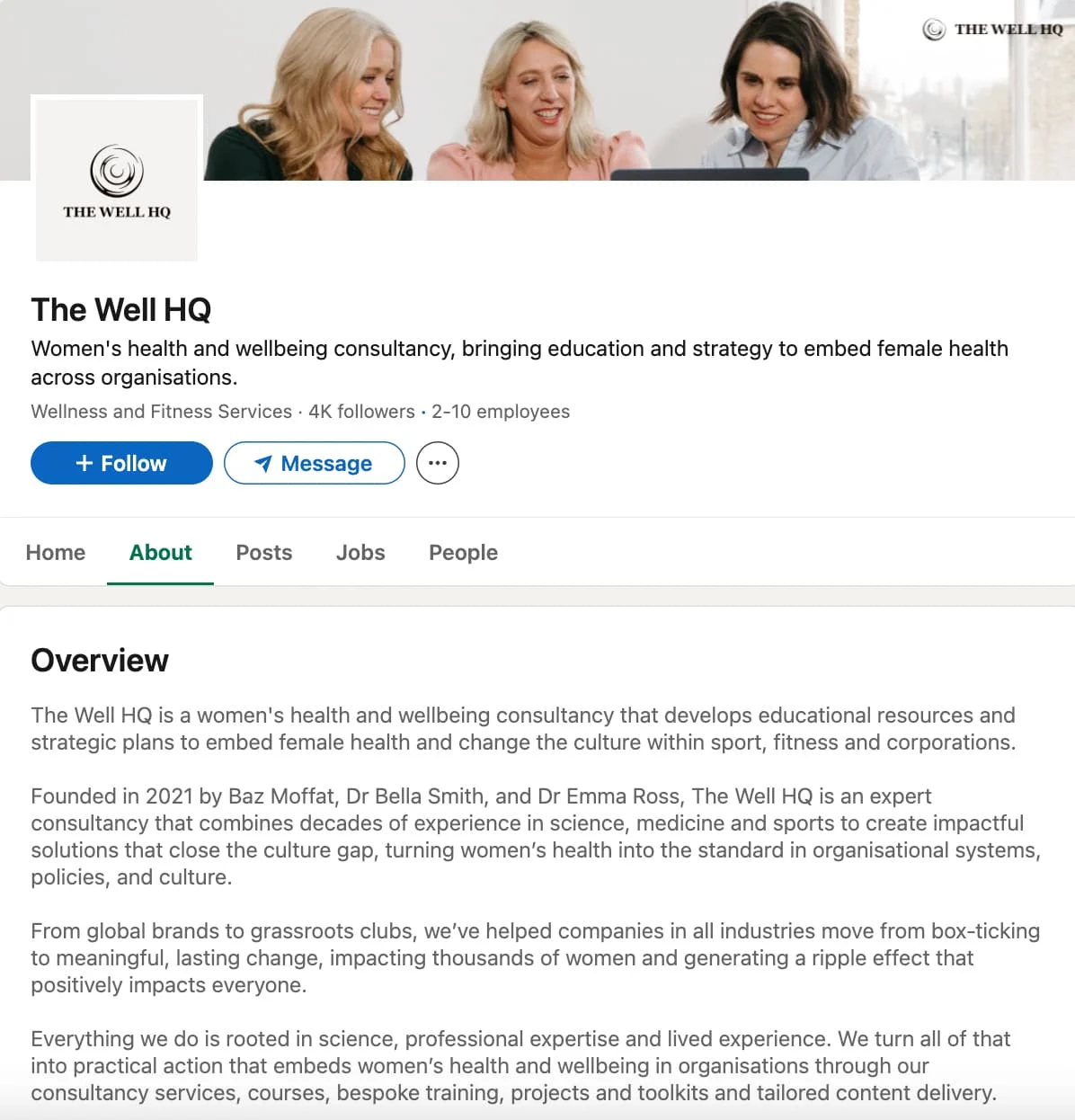
For years, LinkedIn was viewed through a narrow lens: a digital rolodex for corporate recruiters and a megaphone for Fortune 500 CEOs. While those groups certainly maintain a heavy presence on the platform, the narrative has shifted. In the current B2B landscape, LinkedIn has evolved into an essential, high-utility arena for small businesses, startups, and local enterprises aiming to punch above their weight class.
The platform’s undeniable grip on the B2B industry is no longer reserved for the elite. As the user base grows, so does the democratization of influence. Today, a boutique consulting firm or a local service provider can command the same level of industry authority as a global conglomerate, provided they master the art of the LinkedIn algorithm and strategic networking.
The Evolution of the Professional Network
The transition of LinkedIn from a static resume repository to a dynamic content ecosystem did not happen overnight. It was a methodical shift driven by the platform’s decision to prioritize community engagement and thought leadership over simple profile updates.
A Chronology of the Shift
- The Early Years (2003–2010): LinkedIn functioned primarily as a professional directory. The focus was on "who you know" rather than "what you have to say."
- The Content Revolution (2011–2017): The introduction of the Influencer program and the opening of the publishing platform signaled that LinkedIn wanted to become a hub for intellectual discourse.
- The Small Business Pivot (2018–Present): Recognizing the massive market of SMBs (Small and Medium-sized Businesses), LinkedIn began rolling out specialized tools for Pages, enhanced analytics, and more granular ad-targeting options, effectively lowering the barrier to entry for smaller organizations.
Defining LinkedIn Marketing for the Modern SMB
LinkedIn marketing for small business is far more than just posting a job listing or a company milestone. It is a holistic strategy encompassing organic brand building, paid precision advertising, employee-led advocacy, and active community networking.
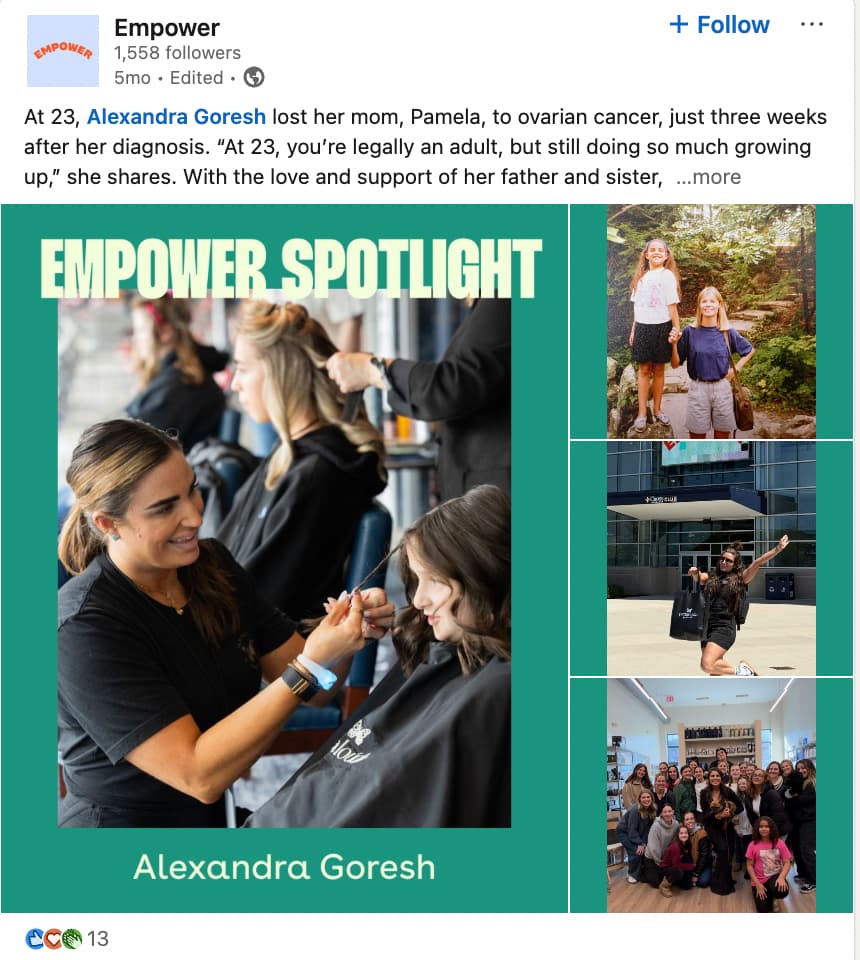
For a small business, the goal is twofold: visibility and credibility. Unlike B2C platforms where virality is often driven by entertainment, LinkedIn success is driven by "utility." Whether it is a non-profit like Empower sharing human-centric stories to engage its community, or a tech startup providing expert commentary on industry trends, the platform rewards content that solves problems or offers unique insights.
Strategic Framework: How to Build Your Presence
Competing for attention in a landscape with millions of businesses requires a departure from "posting when you remember." A sustainable strategy relies on five foundational pillars.
1. Goal Setting and Performance Metrics
Before drafting a single sentence, business owners must identify their objectives. Are you seeking to boost brand awareness, generate qualified leads, or nurture existing client relationships? Each goal requires a different metric.
- Awareness: Focus on impressions, reach, and follower growth.
- Engagement: Prioritize comments, shares, and reactions.
- Conversion: Track click-through rates (CTR) on links and conversion rates from lead generation forms.
2. Precise Audience Targeting
In the digital space, the "spray and pray" approach is a budget-killer. Small businesses must define their "Ideal Customer Profile" (ICP). By identifying the specific job roles, industries, and pain points of your target audience, you can tailor your messaging to resonate on a personal level.
3. The Power of an Optimized Page
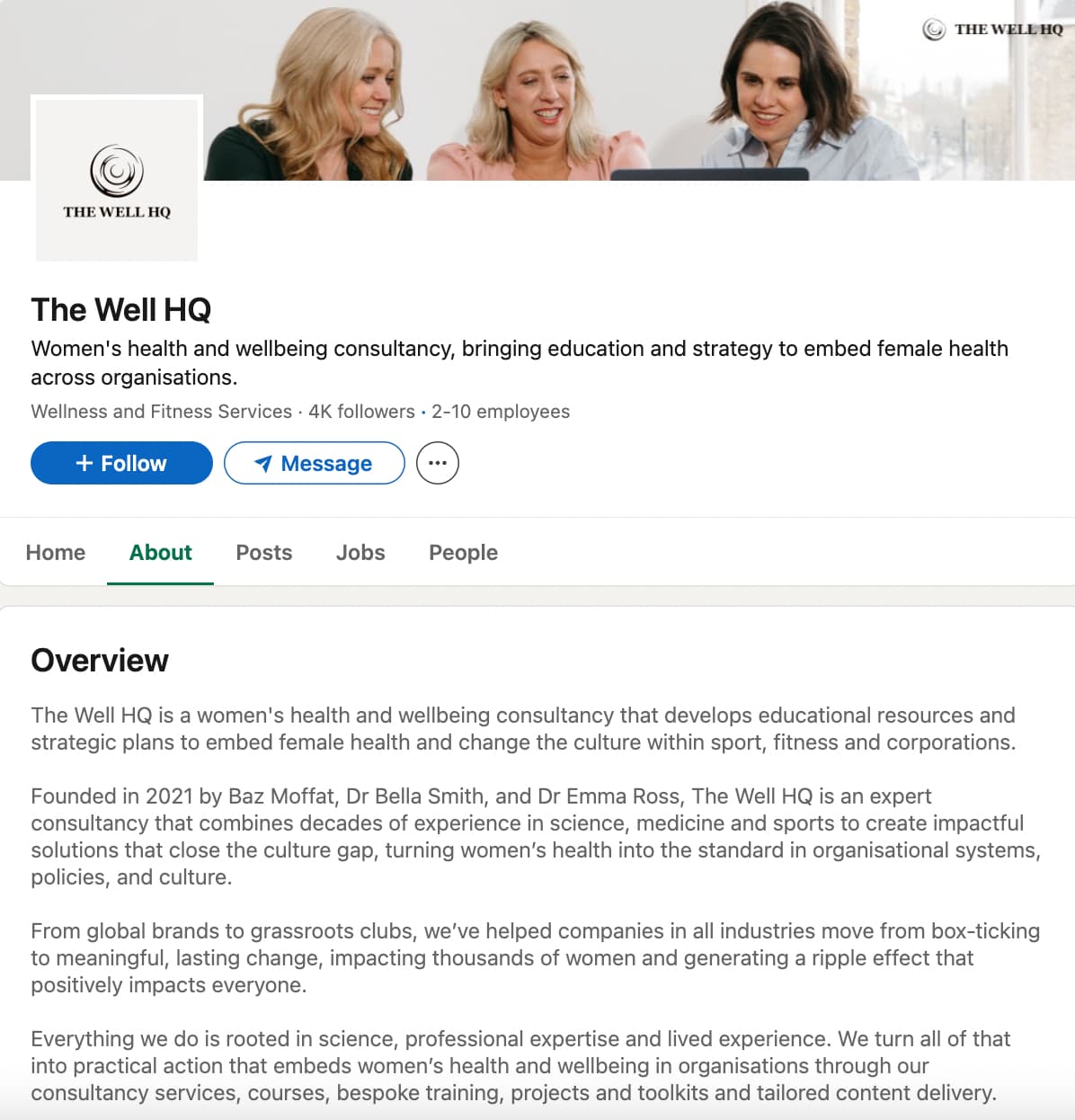
Your LinkedIn Business Page acts as your digital storefront. Data consistently shows that completed Pages—those with detailed descriptions, location data, and clear specializations—receive up to 30% more weekly views. Furthermore, optimizing your Page with relevant industry keywords is vital for searchability within the platform’s internal engine.
4. Content Cadence and Planning
Consistency is the currency of the LinkedIn algorithm. Data indicates that Pages posting daily see twice the engagement of those that post sporadically. A robust content calendar—utilizing the 5-3-2 rule (5 posts about industry/educational content, 3 posts about your company culture, 2 posts that are purely promotional)—ensures a healthy mix that keeps your audience informed without feeling "sold to."
5. Launch, Measure, and Iterate
The beauty of digital marketing is the feedback loop. Use your initial posts as an experiment. Analyze which formats—long-form text, short-form video, or static infographics—drive the most meaningful interactions, and adjust your roadmap accordingly.
Supporting Data: Why the Strategy Matters
The numbers support the shift toward LinkedIn for smaller operations. According to recent industry reports:
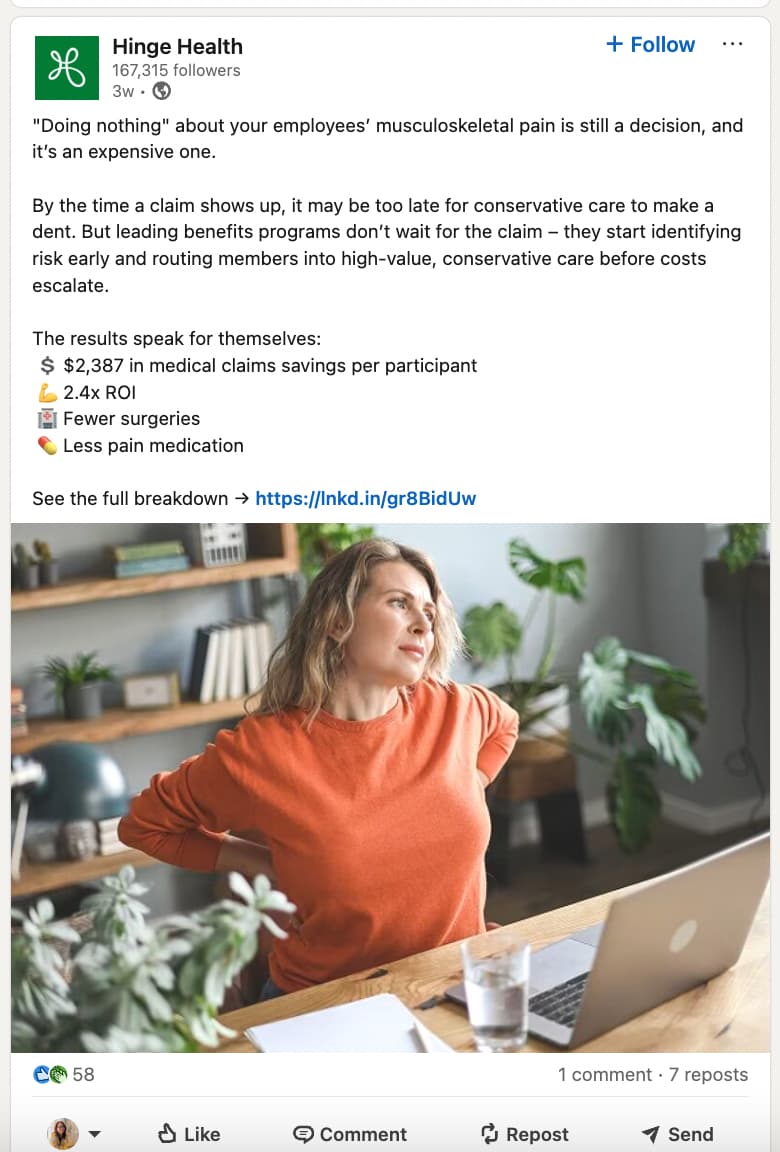
- Engagement: 51% of users prefer text-based posts, highlighting the continued power of long-form thought leadership.
- Conversion Intent: LinkedIn ads have been shown to increase purchase intent by 33%, with conversion rates significantly higher than on more casual social media platforms.
- Employee Advocacy: 72% of consumers feel a stronger connection to a brand when its employees are active and vocal on social media.
The Human Factor: Maximizing Employee Advocacy
Small businesses often struggle to compete with the marketing budgets of larger rivals. Their "secret weapon" is their people. When employees share company updates or provide their own professional commentary, they lend a layer of authenticity that a brand logo simply cannot match.
Tools like Sprout Social’s Employee Advocacy platform allow businesses to curate pre-approved content, making it seamless for staff members to amplify the brand’s reach. This turns a five-person company into a team of five individual influencers, multiplying the brand’s visibility exponentially.
Navigating the Paid Advertising Landscape
For small businesses looking to accelerate their growth, LinkedIn advertising provides a precision instrument. While the cost-per-click (typically $2–$3) is higher than on other networks, the quality of the audience—often decision-makers and high-intent buyers—makes the ROI justifiable.

Targeting Options:
- Professional Attributes: Target by job title, seniority, or skills.
- Firmographics: Target by company size, industry, or specific company names.
- Matched Audiences: Upload your own customer lists to retarget existing clients or reach "lookalike" audiences.
Implications for Future Growth
As we move further into an era where AI-assisted content creation becomes the norm, the "human" aspect of LinkedIn will become even more valuable. Small businesses that use AI to optimize their posting times and brainstorm ideas, while maintaining a genuine, human voice in their long-form posts, will be the ones to thrive.
The implication is clear: LinkedIn is no longer a "nice-to-have" for the small business owner; it is a critical infrastructure component for survival and growth. By treating the platform as a long-term investment rather than a short-term marketing hack, small businesses can achieve a level of authority that was once restricted to the Fortune 500.
Frequently Asked Questions (FAQs)
Is LinkedIn marketing really worth the investment for a small business?
Absolutely. For small businesses, LinkedIn provides a level playing field. Because the platform prioritizes professional relevance over viral trends, a smaller, highly focused business can generate more qualified leads on LinkedIn than on platforms with a broader, less professional user base.

How much should a small business budget for LinkedIn ads?
Start conservatively. A monthly budget of $500 to $2,000 allows you to test various ad formats and targeting parameters without overextending your resources. Use the data from the first 30 days to refine your targeting before scaling.
How often should a small business post to be effective?
Quality beats quantity, but frequency is essential for visibility. Aim for 3 to 5 times per week. Consistency is the most important factor—it is better to post 3 times a week every week than to post 7 times one week and nothing for the next three.
What role does AI play in this strategy?
AI is a force multiplier. It can help you identify content pillars, optimize your headlines for search, and even suggest the best times to post based on your audience’s activity. However, it should never replace the unique, personal voice of your company’s leadership.

As small businesses continue to navigate an increasingly competitive digital landscape, those that leverage the strategic depth of LinkedIn—focusing on human connection, consistent value, and data-driven iteration—will find that the platform is not just a place to network, but a foundation upon which to build a sustainable and successful future.

 Ammar Sabilarrohman