

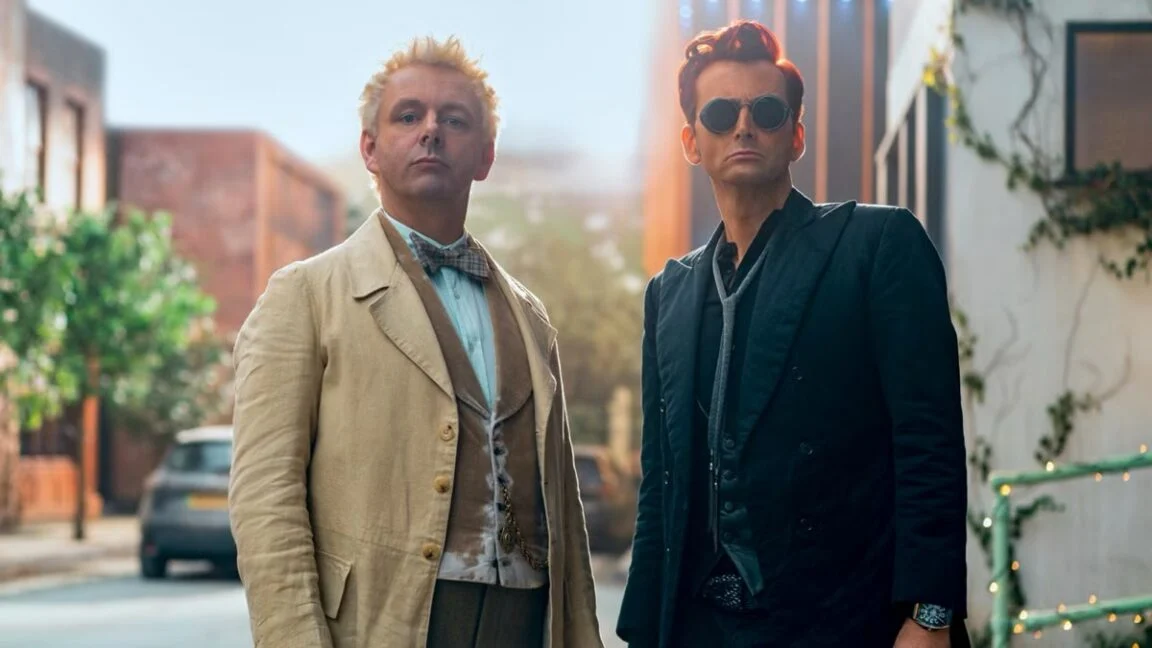
After a three-year hiatus, the celestial and infernal machinations of Neil Gaiman and Terry Pratchett’s Good Omens have reached their final destination. Prime Video has released a singular, 90-minute series finale that serves as the definitive conclusion to the saga of Aziraphale, the fastidious angel of the Eastern Gate, and Crowley, the fast-living demon who grew too fond of the world he was meant to help destroy.
The release of this finale is not merely a television event; it is the culmination of a tumultuous production cycle marred by industry strikes and significant external controversies. While the narrative is undeniably constrained by its abbreviated format, the final product remains a poignant, if occasionally uneven, love letter to the central relationship that has defined the series since its 2019 debut.
Main Facts: A Culmination Under Pressure
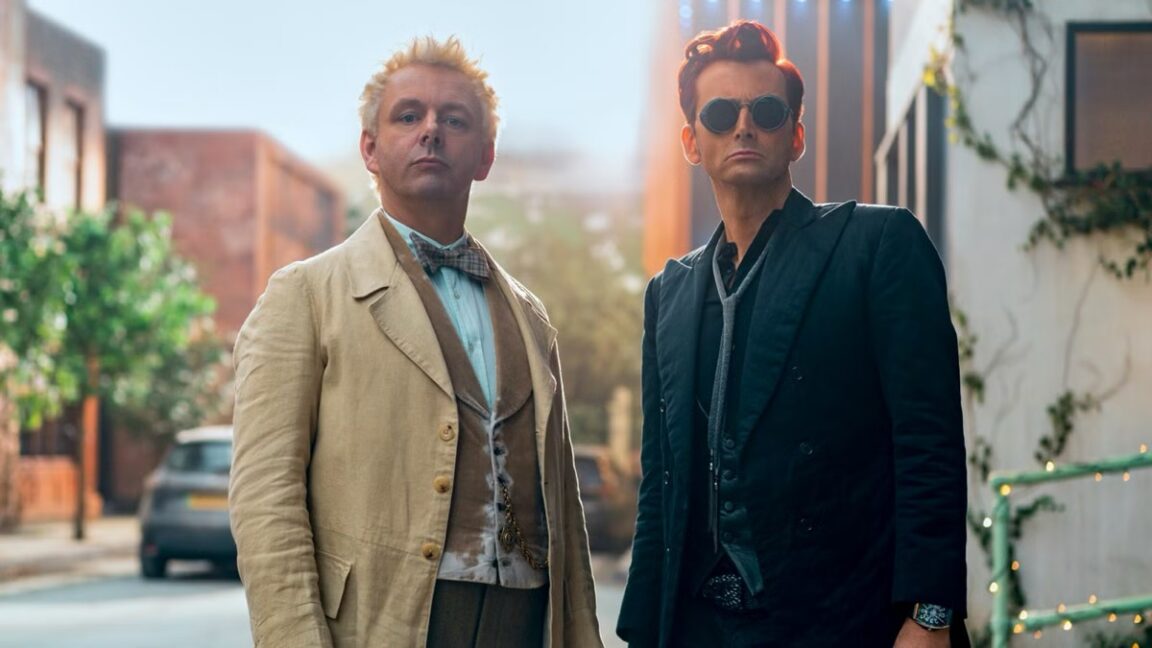
The finale finds the universe in a state of suspended animation. Picking up years after the emotional cliffhanger of Season 2—in which Aziraphale (Michael Sheen) accepted a promotion to Supreme Archangel and Crowley (David Tennant) was left reeling from a failed confession of love—the episode attempts to balance cosmic stakes with intimate character drama.
The central conflict revolves around the "Second Coming." Aziraphale, now firmly ensconced in the ivory towers of Heaven, has attempted to reform the apocalyptic agenda. Rather than the fire and brimstone originally prescribed by the divine, he seeks to implement a more "upbeat" version of the End Times, prioritizing human happiness and peace. However, his benevolent bureaucracy is thwarted when the Metatron—the voice of God—vanishes, leaving the heavenly host in disarray.
The episode is structurally dense, forced to compress what was originally envisioned as a six-episode arc into a tight 90-minute runtime. While the chemistry between Sheen and Tennant remains the series’ North Star, the condensed narrative results in a first half that feels frantic, with subplots regarding Hell’s inaction and the disappearance of the Metatron struggling to find meaningful space.
Chronology of the Crisis
To understand the weight of this finale, one must look at the timeline of the production:
- 2019–2023: The series enjoys critical acclaim, with the second season expanding the lore beyond the source material of the original 1990 novel.
- 2023: Pre-production for the third season is interrupted by the WGA and SAG-AFTRA strikes, halting progress on the scripts.
- 2024–2025: Production is thrown into further chaos following public allegations of sexual assault against co-creator Neil Gaiman. While Gaiman denies non-consensual acts, the professional fallout leads to his withdrawal from the production.
- 2026: Prime Video pivots from a full six-episode season to a "blessed conclusion" finale, a 90-minute special designed to wrap up the narrative threads as cleanly as possible.
Supporting Data: Character Dynamics and Narrative Pacing
The hallmark of Good Omens has always been the juxtaposition of the mundane and the cosmic. The finale attempts to maintain this, most notably in the subplot involving Jesus (Bilal Hasna) and his unlikely companion, Harry the Fish (Mark Addy).
When Jesus wanders off the heavenly path and finds himself on Earth, the series briefly touches on the themes of purpose and identity that anchored the first season. However, the lack of screentime prevents these characters from fully blossoming. The "three-card monte" metaphor introduced early in the episode—a nod to the deceptive nature of the cosmic game—is a clever thematic device that ties the disparate plot points together, though it often feels like a shorthand for more complex character developments that were sacrificed for brevity.
Despite these structural hurdles, the scenes featuring Sheen and Tennant are sublime. Their performance remains a masterclass in nuanced acting; the subtle shifts in their body language as they navigate their fractured friendship convey more emotional depth than most entire seasons of television. Whether they are engaging in a high-stakes crossword puzzle contest against a gangster to win back the iconic 1926 Bentley, or confronting the divine, their commitment to the characters is absolute.
Official Responses and Creative Shifts
The production’s pivot to a single finale is an acknowledgement of the reality of modern television manufacturing. In his January 2025 blog post, Gaiman acknowledged being "careless with people’s hearts and feelings," a statement that served as a backdrop to his distancing from the show.
From an executive standpoint, Amazon’s decision to move forward with a 90-minute conclusion rather than cancelling the project outright was a strategic move to satisfy the passionate, long-term fanbase. By prioritizing the central relationship of Aziraphale and Crowley, the producers ensured that the show’s "soul" remained intact, even if the "body" of the narrative was trimmed of its supporting limbs.
Implications: The End of an Era
The final act of the series is a bold, existential gamble. The characters find themselves confronting God Herself, played with ethereal gravity by Tanya Moodie. The proposal to re-write the rules of the universe—to grant humanity true free will, untethered from the binary of divine design—is a fittingly ambitious end for a show about two immortals who learned to love humanity more than their creators did.
The implications for the characters are severe. The "cost" of this newfound freedom for humanity is hinted at, suggesting that the sacrifice made by the angel and the demon is the final, ultimate act of love. As they drive off into the cosmic void to the strains of Queen’s "Don’t Stop Me Now," the audience is left with a sense of closure that feels both earned and melancholic.
Critical Reflection: A Rushed but Radiant Farewell
The finale of Good Omens is not perfect. It is a victim of its circumstances, bearing the scars of the delays and the production shifts that defined its final year. The middle act, in particular, suffers from a lack of focus, with the demonic side of the story feeling like a vestigial limb rather than an essential component.

However, to judge Good Omens solely by the pacing of its finale would be a disservice to the legacy of the project. The series has always been about the triumph of the individual spirit—of friendship, of shared history, and of the ability to choose one’s own path in a universe governed by indifferent powers.
In that regard, the finale is a resounding success. It avoids the temptation of a "deus ex machina" resolution, instead grounding the conclusion in the choices made by its protagonists. It is a story about two beings who, over six millennia, managed to change each other, and in doing so, changed the world.
For fans who have followed this journey, the finale offers a sense of peace. It acknowledges the beauty of their bond, the tragedy of their separation, and the hope that, in the end, they are exactly where they need to be. While we may mourn the loss of the six-episode final season that might have been, we should celebrate the "blessed conclusion" that we received. It is chaotic, it is hurried, and it is, above all else, ineffably human.
Final Verdict:
The Good Omens finale is a testament to the power of character-driven storytelling. It survives its own production troubles by holding tight to the core chemistry of its leads. It is a fitting, if imperfect, end to one of the most beloved fantasy sagas of the modern era.
All three seasons of Good Omens are now available for streaming on Prime Video.












No comments yet. Be the first to join the conversation!