Pevita Pearce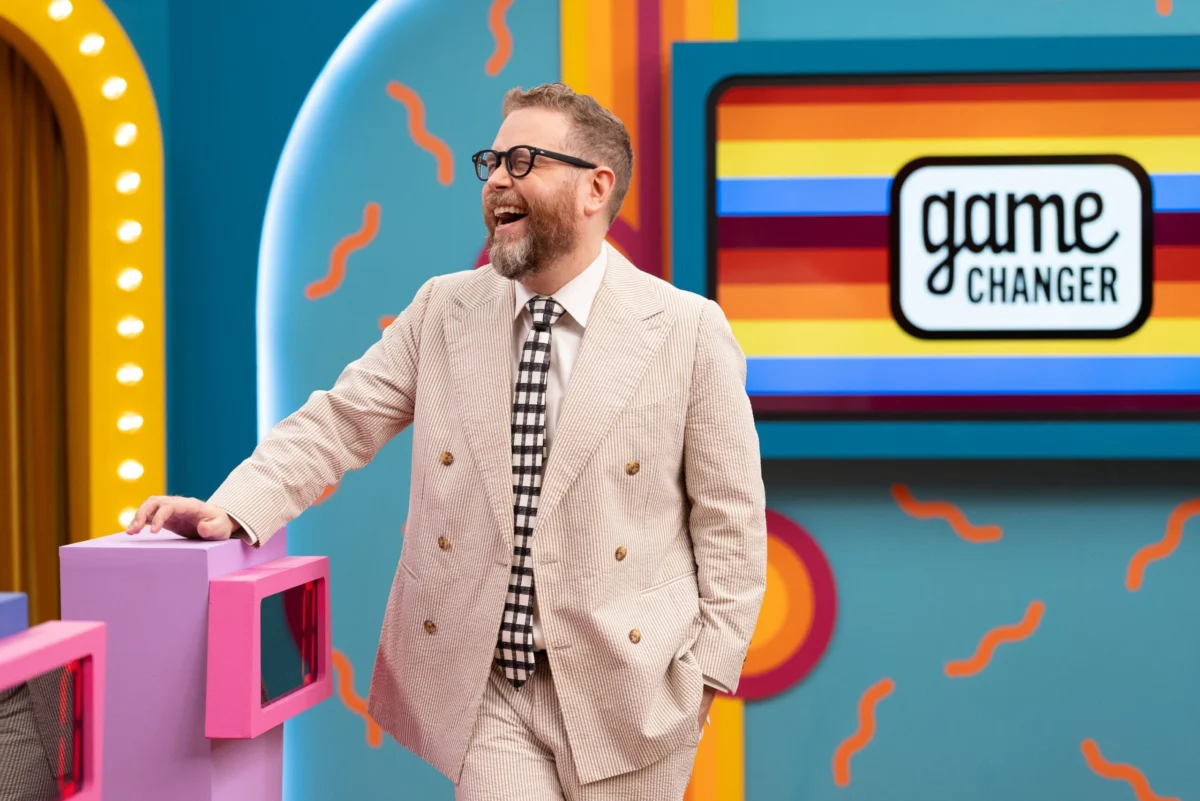
LOS ANGELES, CA – May 16, 2026 – Dropout.tv, the digital comedy and entertainment platform born from the legacy of CollegeHumor, is currently undergoing a transformative period, marked by an unprecedented surge of new initiatives. From the launch of its first Blu-ray collections and a 24/7 streaming channel to securing its inaugural licensed outside content and a wildly successful crowdfunded board game, the company is boldly expanding its footprint beyond its core streaming offerings. At the helm of this ambitious push is CEO Sam Reich, who offers a candid assessment of these ventures, emphasizing a philosophy where innovation is born from a willingness to "experiment and be comfortable with a bit of failure."
The flurry of announcements, which also includes a new "Superfan" pricing tier and an animated shorts anthology, has captivated both long-time subscribers and industry observers, prompting questions about the strategic intent behind such a concentrated period of diversification. Yet, Reich reveals that this wave was less a meticulously orchestrated campaign and more a fortuitous convergence of long-gestating projects.
"These projects, a lot of which are finding light now, have been in the works for a long time," Reich told Polygon in a recent interview. "It’s sort of a coincidence that they’re all landing in 2026. But they are all things that we think will contribute meaningfully to the business." His remarks underscore a deliberate, albeit staggered, evolution for Dropout, aiming to fortify its brand and financial stability in the competitive digital landscape.
A Legacy of Reinvention: From CollegeHumor to Dropout’s Direct-to-Consumer Model
Dropout’s journey to this moment of expansive experimentation is rooted in a significant pivot. Formerly CollegeHumor, a pioneering force in online sketch comedy, the company faced an existential crisis in 2020 when its parent company, IAC, cut funding. This led to a dramatic downsizing and the eventual acquisition by CEO Sam Reich himself, transforming it into the independent, subscriber-funded platform Dropout.tv. This shift from an ad-supported model to a direct-to-consumer subscription service was, in itself, a massive experiment, and one that proved remarkably successful.
The platform thrived by focusing on highly creative, often unscripted, long-form comedy and tabletop role-playing content, with shows like Dimension 20 and Game Changer quickly becoming flagship productions. This foundation built a fiercely loyal community, a critical asset that Dropout is now leveraging for its broader expansion. The 2026 initiatives, while seemingly sudden, are a natural progression for a company that has consistently adapted and innovated to survive and flourish in a rapidly changing media environment. They represent a strategic effort to move beyond a purely subscription-based model, diversifying revenue streams and engaging its dedicated fanbase in new, tangible ways.
The Chronology of Innovation: A Coincidental Confluence of Projects
While Reich describes the simultaneous launch of these diverse projects as coincidental, their individual timelines reveal a company consistently exploring new avenues. Each initiative, though distinct in its nature, reflects Dropout’s overarching strategy to deepen fan engagement and expand its brand reach.

-
Physical Media Revival (Blu-rays): The announcement of Dropout’s first Blu-ray releases for flagship shows like Game Changer tapped into a surprising demand for physical media. In an era dominated by streaming, the instant sell-out of the Game Changer Season 1 & 2 Blu-ray set upon pre-order highlighted a niche, yet fervent, desire among fans for tangible, high-quality collector’s items. This initiative caters directly to the "superfan" demographic who value ownership and premium content. Reich’s ambition to offer "a more robust offering of Blu-rays by the holiday season of 2026" indicates a strong commitment to this burgeoning market.
-
24/7 Streaming Channel: Launching a cable-style, always-on streaming channel is an intriguing move in a world increasingly moving away from linear television. This channel, initially featuring Dimension 20 content, provides a "comfort viewing" experience, allowing fans to passively consume their favorite shows without actively selecting episodes. It fosters a sense of continuous community and discoverability, potentially introducing new viewers to Dropout’s extensive library. Reich notes a "surprisingly good response," signaling its potential as a low-effort, high-engagement feature.
-
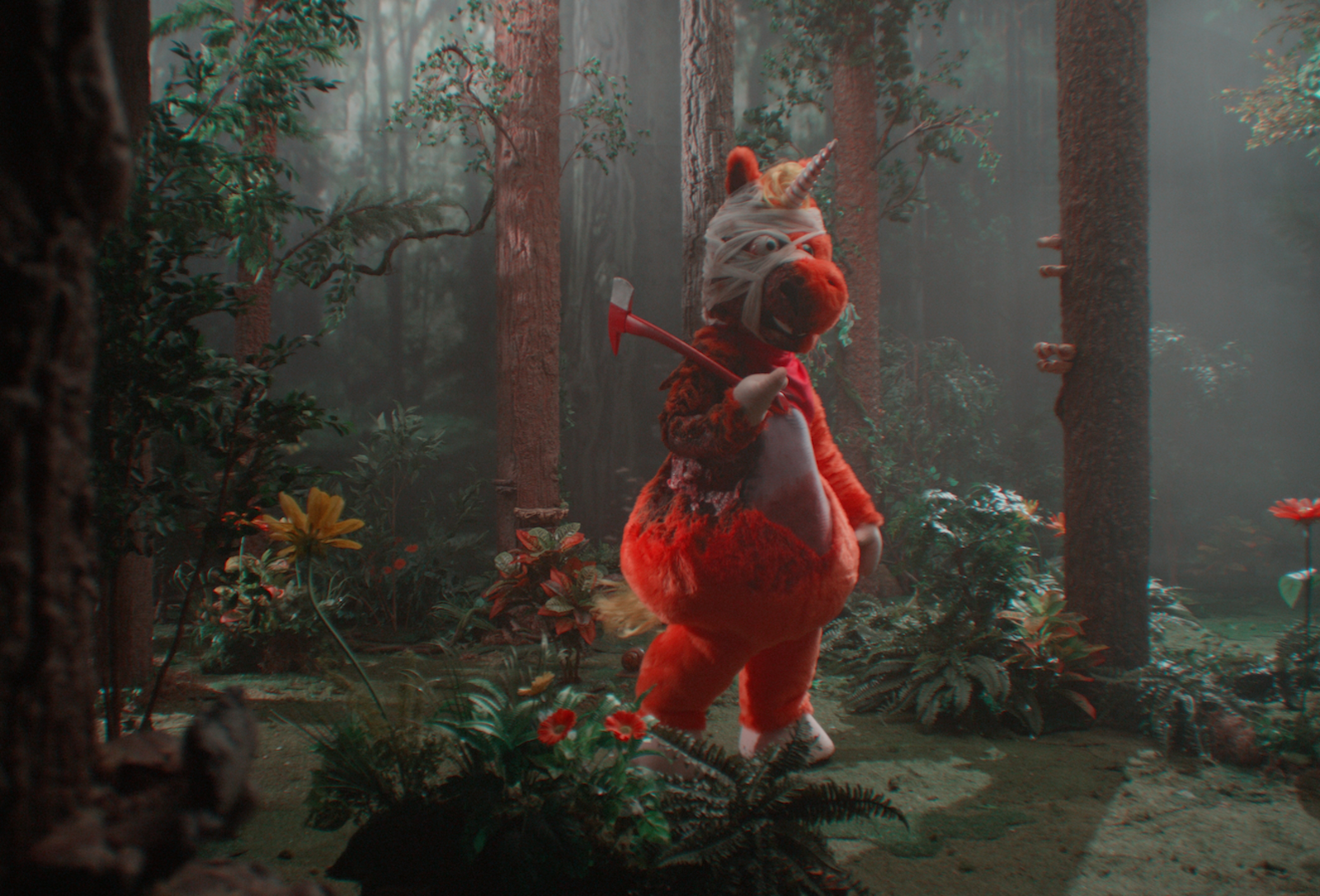
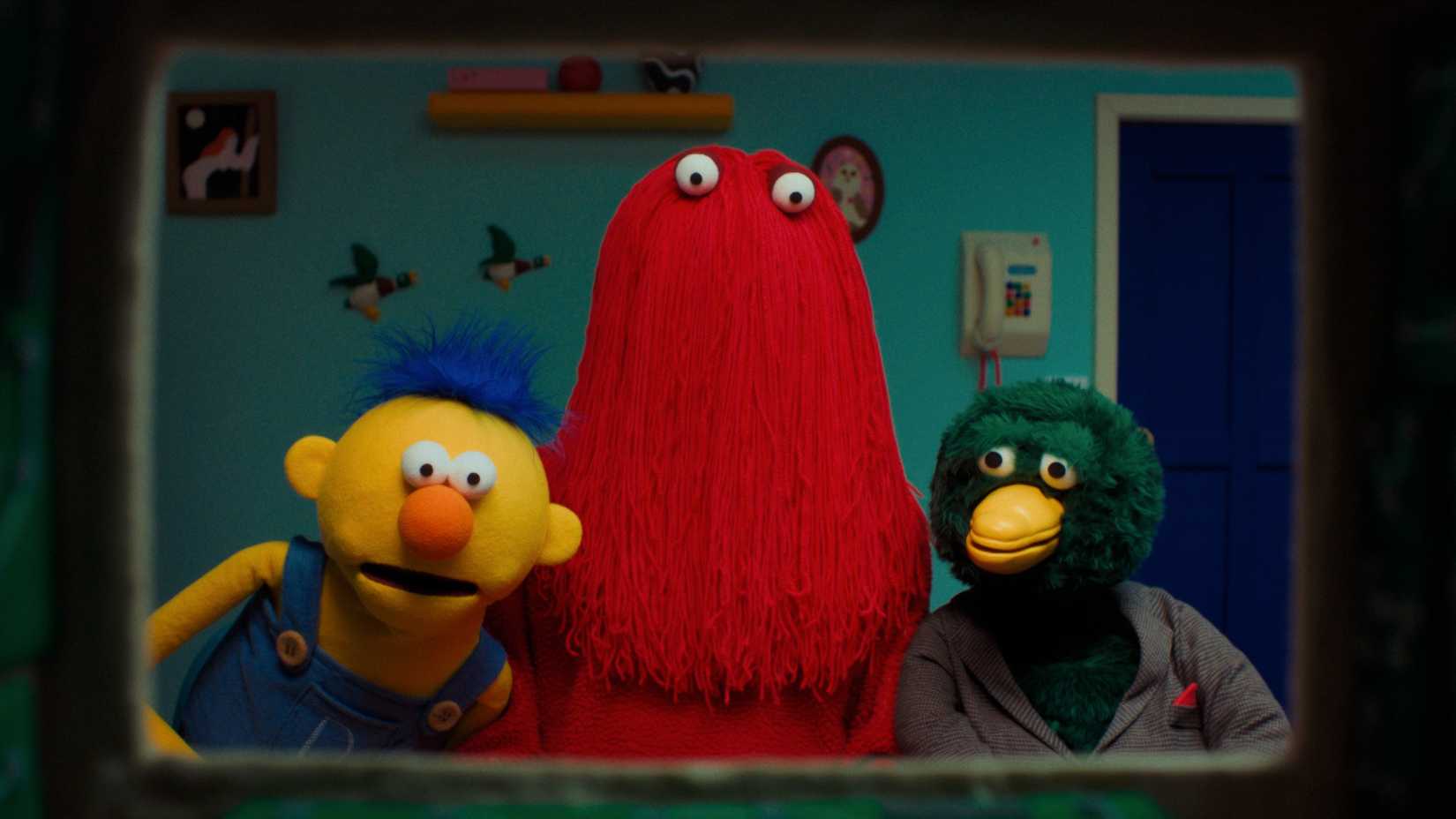
Licensed Outside Content (Don’t Hug Me I’m Scared): Dropout’s acquisition of licensing rights for the acclaimed British horror-comedy series Don’t Hug Me I’m Scared marked a significant departure from its historical focus on original content. This move demonstrates a willingness to curate and distribute external productions that align with Dropout’s unique, often subversive, comedic sensibility. While a success, Reich acknowledges the challenge of scaling this particular venture, stating, "There aren’t a thousand Don’t Hug Me, I’m Scareds out there," emphasizing the difficulty of finding external content that perfectly fits the Dropout "ethos."
-
The "Superfan" Tier: An optional price increase, the "Superfan" tier, was introduced as a way for the most dedicated subscribers to offer additional financial support. Reich admits this has been a "middling success" so far, as the company deliberately launched it with "limited proposition value" to avoid alienating its core base. The ongoing creative exercise is now to determine what meaningful perks or exclusive content can be offered to justify a higher price point, making it a more compelling value proposition for those willing to pay more.
-
Animated Shorts Anthology (ToonOut): Expanding into original animated content with ToonOut represents Dropout’s foray into a new creative medium. This anthology allows for diverse storytelling and artistic styles, potentially attracting new audiences interested in adult animation while also providing another outlet for its roster of comedic talent.
-
Crowdfunded Board Game (Game Changer: Home Edition): Perhaps the most resounding success of this experimental wave is the Kickstarter campaign for Game Changer: Home Edition. Based on Dropout’s flagship improvisational game show, the campaign quickly amassed nearly $4 million in pledges, vastly exceeding initial expectations. This phenomenal response highlights the immense power of Dropout’s community and their desire for interactive, tangible extensions of their favorite shows. Reich described its performance as "consistent with our outermost expectations," indicating a significant win in direct-to-fan merchandise and interactive experiences.

Official Responses and the "A-Minus" Philosophy
Sam Reich’s perspective on these varied outcomes is grounded in a pragmatic philosophy he champions within the company: "Shoot for A-minus." This anti-perfectionist mantra is central to Dropout’s culture of innovation, encouraging risk-taking and accepting that not every venture will be a blockbuster success.
"We have a saying around here, an anti-perfectionist saying, which is ‘Shoot for A-minus.’ The reason being, we have to experiment and be comfortable with a bit of failure in order to innovate. Innovation comes with failure. And I think A-minus is exactly the zone we’re in," Reich explains. This mindset allows Dropout to test the waters with new ideas without the crippling fear of falling short of perfection, fostering an environment where creative exploration is prioritized over flawless execution. The mixed results of the Superfan tier, for instance, are not viewed as a failure, but as valuable data points informing future iterations.
Reich further articulates that while experimentation is key, every new project must still demonstrate a clear path to contributing "meaningfully to the business." He stresses that Dropout "try[s] not to get too consumed by pet projects merely because they’re cool and shiny." Instead, each initiative is assessed for its long-term potential, as exemplified by the Game Changer: Home Edition board game, which Dropout envisions expanding annually. This balanced approach ensures that creative ambition remains tethered to strategic practicality.
Despite the growing complexity that comes with a diversifying business, Reich is "determined to keep it simple even as it gets bigger." He acknowledges that "bigger companies inevitably get more complex," but views this period as a necessary "year of cool and obvious things" that allows Dropout to "grow up in a few key ways." This maturity, he believes, is essential for the company’s sustained investment and future trajectory.
Implications: Talent, Longevity, and the Future of Niche Streaming
The wave of experimentation at Dropout carries significant implications, not only for the company itself but for the broader landscape of niche content creation and talent management.
Strengthening the Brand and Diversifying Revenue: By expanding into Blu-rays, board games, and licensed content, Dropout is effectively diversifying its revenue streams beyond subscriptions. This reduces reliance on a single income source, making the company more resilient to market fluctuations. More importantly, these initiatives serve to deepen the brand’s presence in fans’ lives, turning passive viewers into active participants and collectors. The success of the Game Changer board game Kickstarter, in particular, demonstrates the immense power of direct-to-fan engagement and community-driven commerce.
Navigating Talent Mobility: A core challenge for Dropout, a platform heavily reliant on the charisma and chemistry of its ensemble cast, is the increasing prominence of its performers in external projects. Brennan Lee Mulligan, a beloved Dungeon Master for Dimension 20, is now GMing for Critical Role. Vic Michaelis is appearing in TV and movies. Josh Ruben has directed several well-received horror films. Jeremy Culhane has joined the Saturday Night Live cast, and Izzy Roland has ventured into independent filmmaking. The question arises: what happens to Dropout if its core talent eventually moves on to larger, more lucrative opportunities?
Reich, however, remains unfazed by this prospect. "I’ve fielded questions like this before, and it doesn’t worry me very much," he states. "Maybe it should. I do think there is a way in which this happens very organically." He points to his own longevity, having started with CollegeHumor at 21, noting that "the content has managed to grow up with us in a way that’s very organic." Dropout, he argues, appeals to a broad demographic, from "young people who love comedy" to "folks about the age we are."
He draws a compelling parallel to the enduring British comedy panel show Taskmaster and its hosts, Greg Davies and Alex Horne, as evidence that shows like Game Changer and Make Some Noise can maintain their relevance for decades. Key to this longevity, Reich emphasizes, is Dropout’s continuous investment in new comedic talent. He highlights younger performers like Demi Adejuyigbe and Anna Garcia, who have seamlessly integrated into the existing ensemble, demonstrating that "younger comedians are arriving in the mix all the time." For Reich, "good comedy is good comedy and it’s sort of ageless." His personal commitment to the future of the platform is clear: "Will I still be doing Game Changer at the age of 60 or 70? Right now, I can only say I rather hope so."
The Future of Independent Streaming: Dropout’s strategic experiments position it as a fascinating case study in the evolving streaming landscape. In an era dominated by mega-corporations and vast content libraries, Dropout thrives by cultivating a highly engaged niche audience and fostering a strong sense of community. Its willingness to explore diverse revenue models and embrace iterative innovation offers a blueprint for other independent creators and platforms looking to build sustainable businesses without sacrificing creative integrity.
By strategically diversifying its offerings and maintaining a flexible, experimentation-driven culture, Dropout.tv is not just surviving but actively shaping its future. Sam Reich’s leadership, characterized by a pragmatic acceptance of "A-minus" outcomes and a deep belief in his talent, ensures that as the company grows, it remains true to its roots: a hub for unique, engaging comedy, built by and for a passionate community. The year 2026 may be a coincidental convergence of projects, but it marks a deliberate and exciting step forward in Dropout’s journey to redefine digital entertainment.


 Lina Irawan
 Sagoh
Sagoh