

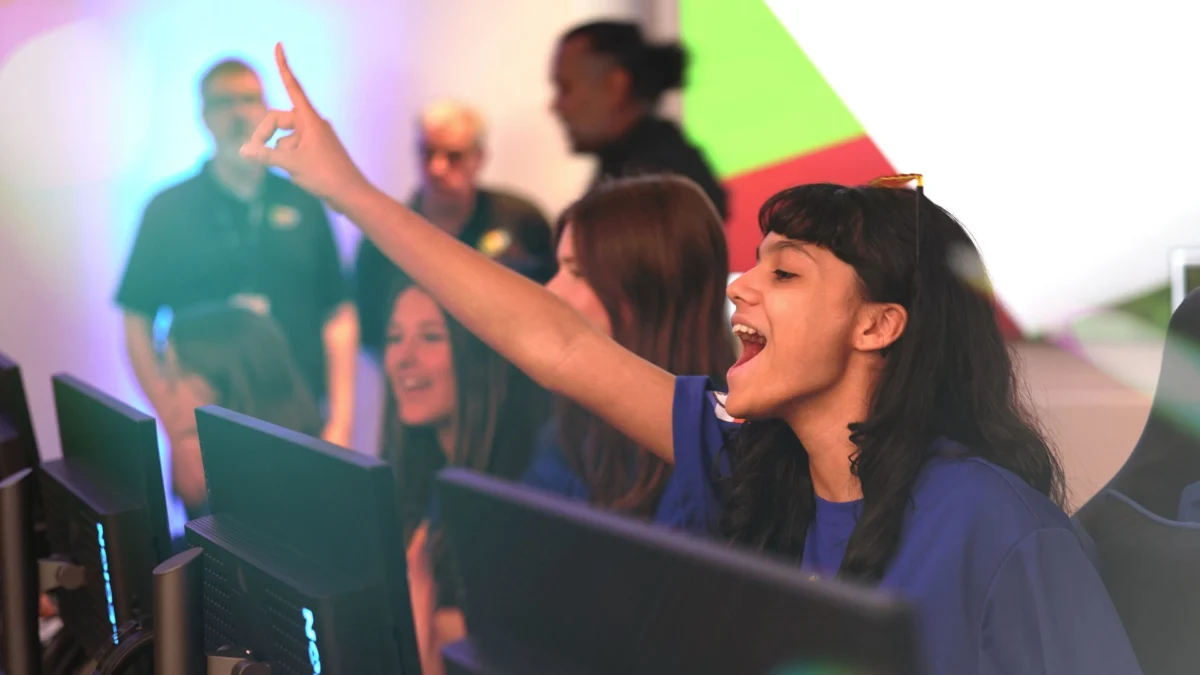
NEW YORK, NY – May 7, 2026 – In an era often characterized by complex urban challenges and a pervasive sense of global uncertainty, a groundbreaking initiative in New York City is demonstrating the profound power of youthful imagination and digital innovation. The "Battle of the Boroughs," a public school Minecraft tournament, is not merely a game; it is a vibrant crucible where the city’s next generation of architects, urban planners, and civic leaders are emerging, block by digital block. Polygon, the acclaimed digital media outlet, has captured this inspiring movement in its new 40-minute documentary, Battle of the Boroughs: The Kids Who Build New York City in Minecraft, released today.
The documentary provides an intimate look into the 2025 competition, chronicling the journey of diverse teams of students as they leverage the boundless possibilities of Minecraft Education to conceptualize and construct solutions to some of New York City’s most pressing issues. From reimagining sustainable energy grids to addressing food deserts and optimizing public transportation, these young visionaries are not just playing a game; they are actively engaging in sophisticated civic planning, demonstrating teamwork, honing coding skills, and, crucially, learning to envision a better future for their metropolis.
The Genesis of an Urban Revolution in Miniature
The Battle of the Boroughs tournament represents a unique collaboration between the NYC Department of Education, local community organizations, and the city’s burgeoning tech and gaming sectors. Conceived in late 2022 and officially launched in early 2023, the initiative was born from a desire to bridge the gap between abstract academic learning and tangible, real-world problem-solving. Organizers recognized Minecraft Education as an ideal platform, offering a low-barrier entry point for creative expression while fostering complex computational thinking and collaborative project management.
"It can be easy to feel hopeless about the state of the world right now," notes Simone de Rochefort, the Polygon journalist behind the documentary, reflecting on her experience. "But every time I walked out of a practice or competitive session of Battle of the Boroughs, I felt like things might be OK." This sentiment encapsulates the program’s core appeal: it injects optimism and agency into the daunting task of urban improvement, empowering those who will inherit the city to shape its destiny.
The tournament begins with school-level challenges, where students, typically aged 10-14, form teams and tackle prompts specific to their own neighborhoods. These initial phases are designed to ground their creativity in immediate, observable realities. For instance, one early prompt asked students to design a school using sustainable materials, encouraging them to consider environmental impact and resource management within a familiar context. The winning teams from each borough then advance to the city-wide semifinals and finals, culminating in a high-stakes showdown at the annual NYC Video Game Festival.
A Chronology of Creativity and Competition
The 2025 Battle of the Boroughs competition, the focus of Polygon’s documentary, unfolded over several months, a testament to the dedication of students, teachers, and organizers alike.
Fall 2024: The Seeds of Innovation
The academic year kicked off with introductory workshops across participating public schools. Teachers, many of whom received specialized training in Minecraft Education and urban planning principles, began integrating the Battle of the Boroughs curriculum into their STEM, social studies, and even English language arts classes. Students formed teams, often after internal school-wide tryouts or through club participation, and started brainstorming initial concepts. Early challenges focused on familiar local issues: redesigning a local park to be more inclusive, developing a community garden in an underutilized lot, or proposing a safer route for children to walk to school.
Winter 2024-2025: Borough-Level Showdowns
By early 2025, each of New York City’s five boroughs hosted its own preliminary competitions. These events, often held in school gymnasiums or community centers, saw teams present their detailed Minecraft builds to panels of local judges, including architects, city council members, and educational specialists. The judging criteria extended beyond mere aesthetics, emphasizing the build’s feasibility, innovation, collaborative effort, and the clarity of the students’ presentations. One particularly compelling project from a team in the Bronx proposed a vertical farm integrated into an existing community center, complete with a rainwater harvesting system and a solar-powered irrigation network, demonstrating a sophisticated understanding of sustainable agriculture and renewable energy.
Spring 2025: The City-Wide Semifinals
As spring arrived, the winning teams from each borough converged for the city-wide semifinals. The challenges became more complex, moving beyond neighborhood-specific issues to address broader city-wide infrastructure and planning. A notable semifinal prompt tasked students with "reimagining Governor’s Island." Teams proposed innovative uses for the historic island, ranging from a fully self-sustaining eco-tourism hub powered by offshore wind and geothermal energy, to a vibrant cultural center featuring interactive art installations and educational facilities housed within renovated historic buildings. The level of detail in these virtual designs, from pedestrian flow analysis to proposed material palettes, consistently astonished the judges.
May 2025: The Grand Finals at NYC Video Game Festival
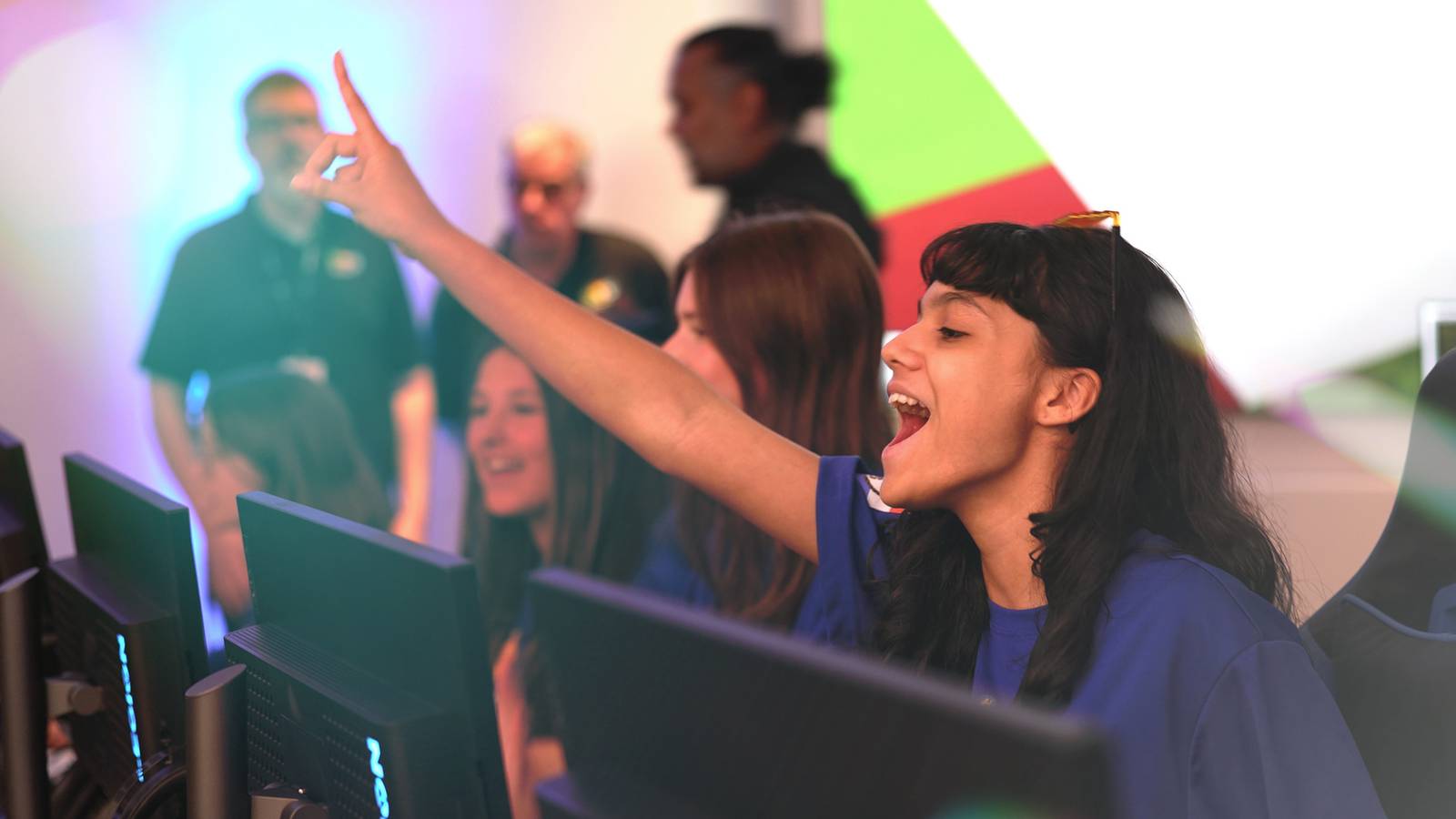
The climax of the 2025 competition took place during the bustling NYC Video Game Festival. Held at the Convene, a state-of-the-art event space, the finals were a spectacle of youthful ingenuity. Teams presented their final, polished builds on large screens, articulating their design choices and problem-solving methodologies to a live audience and a panel of esteemed judges, including Mayor Adams (who made a brief appearance), renowned urban planners, and leading figures from the gaming industry. The atmosphere was electric, a blend of intense competition and celebratory camaraderie. The documentary captures these moments vividly, showcasing the nervous energy, the confident presentations, and the sheer joy of achievement.
Supporting Data: Beyond Blocks and Pixels
The impact of Battle of the Boroughs extends far beyond the digital realm. Preliminary data from the NYC Department of Education indicates a measurable increase in student engagement in STEM subjects among participants. In a survey conducted post-2025 tournament, 85% of participating students reported an increased interest in careers related to urban planning, architecture, engineering, or environmental science. Furthermore, teachers noted significant improvements in critical thinking, problem-solving, and collaboration skills.
"We try to draw as much from their own neighborhood – one of the previous practice prompts we did was building a school using sustainable materials," teacher Patricia Thams explained to Polygon. "It’s like, imagine this area. Imagine what you would want." This localized approach helps students connect abstract concepts to tangible improvements in their own lives. For example, one team from Queens, deeply concerned about food access in their community, designed a multi-level hydroponic farm within a disused warehouse, complete with a distribution network for local food banks and educational programs for residents on healthy eating. Their presentation included not only the Minecraft build but also a meticulously researched budget and a phased implementation plan.
Another team from a high-density neighborhood in Brooklyn proposed an innovative solution to public transit bottlenecks. Their Minecraft model depicted an extension of the Q train line to Randall’s Island, a concept that has been debated by city planners for decades. What made their proposal unique was the integration of pedestrian and cycling paths, as well as a solar-powered gondola system connecting the island to multiple boroughs, aiming to reduce vehicular traffic and promote sustainable commuting. The students even included a detailed analysis of potential environmental impacts and community benefits.
The tournament also serves as a powerful tool for developing essential soft skills. Teacher Cynthia Andrade, whose students began their academic journey as English as a Second Language (ESL) learners, witnessed a remarkable transformation. "My biggest reward and winning wise is seeing that they’re able to stand up in front of an audience, talk freely about what they’re doing," she shared. "And I tell them, I’m like, ‘I hope to see you grow up into the young ladies and the young men you will become because you guys are going to do great things. I know it.’" This journey from language learners to fluent, confident public speakers articulating complex urban design concepts is a profound testament to the program’s holistic educational impact.
Official Responses: Endorsement and Vision
The success of the Battle of the Boroughs has garnered significant attention and praise from various official channels.
"The Battle of the Boroughs is more than just a competition; it’s an investment in our city’s future," stated Deputy Mayor for Strategic Initiatives, Lena Chen, in a recent press conference. "These young people are not just playing a game; they are actively engaging with real-world problems, proposing innovative solutions, and developing the critical thinking and collaborative skills essential for the next generation of New York City leaders. We are incredibly proud of this initiative and the partnership with our public schools and organizations like Polygon that bring these stories to light."
Dr. Eleanor Vance, Head of Curriculum Development for the NYC Department of Education, emphasized the pedagogical value. "Integrating Minecraft Education into our curriculum has been transformative. It allows for experiential learning that traditional methods often cannot replicate. Students are not just memorizing facts; they are applying scientific principles, mathematical calculations, and design thinking in a dynamic, engaging environment. The interdisciplinary nature of the Battle of the Boroughs fosters a deeper, more meaningful understanding of civics, environmental science, and technology."
Urban planning expert Dr. Marcus Thorne, a judge at the 2025 finals, highlighted the practical insights gained from the student projects. "What struck me most was the fresh perspective these kids brought. They aren’t constrained by decades of bureaucracy or conventional thinking. Their proposals, while sometimes ambitious, often contained kernels of brilliant, unencumbered innovation. The idea of linking the Q train to Randall’s Island, for instance, has been discussed for years, but their detailed, multi-modal solution offered a fresh approach that warrants further consideration. It reminds us that sometimes, the simplest, most elegant solutions come from those who aren’t yet jaded by the complexities of the system."

Implications: Shaping the Future of Urban Engagement
The implications of the Battle of the Boroughs extend far beyond the immediate thrill of competition. This program is actively redefining civic engagement for a digital age, cultivating a generation of informed, empowered citizens who see themselves as active participants in shaping their urban environment.
Empowering Future Leaders: By giving students a platform to voice their ideas and build their visions, the tournament instills a sense of ownership and responsibility for their communities. The experience of presenting complex ideas to a panel of experts and a large audience builds invaluable confidence and communication skills, preparing them for future leadership roles in any field.
Bridging Digital Divide and Fostering Digital Literacy: The program ensures equitable access to advanced digital tools and computational thinking skills, helping to bridge the digital divide that can persist in large urban areas. Students learn not just to consume technology but to create with it, understanding its potential as a tool for social good.
Informal Urban Planning Insights: The innovative solutions generated by the students offer valuable, often unconventional, insights for professional urban planners and policymakers. Their fresh perspectives can challenge established norms and spark new dialogues about city development, particularly regarding issues that directly affect young people.
Reimagining Education: The Battle of the Boroughs stands as a powerful model for integrating game-based learning into mainstream education. It demonstrates that learning can be both rigorous and engaging, fostering deep understanding through active participation and creative problem-solving. This approach can serve as a blueprint for other cities and educational systems looking to modernize their curricula and make learning more relevant to the 21st century.
Fostering Community and Connection: The tournament cultivates a strong sense of community among students, teachers, and even parents across different boroughs. It creates shared experiences and narratives of collaboration and achievement, strengthening the social fabric of the city. As students work together to solve challenges, they build friendships, learn to navigate disagreements, and celebrate collective successes, echoing the very essence of community building within a metropolis.
Looking Ahead: The 2026 Finals and Beyond
The enthusiasm for the Battle of the Boroughs continues to grow. The next finals are scheduled to take place on May 9, 2026, once again as a highlight of the NYC Video Game Festival at the Convene. For those unable to attend in person, the entire event will be live-streamed on Twitch, allowing a global audience to witness the ingenuity of New York’s youth.
Polygon’s documentary, Battle of the Boroughs: The Kids Who Build New York City in Minecraft, serves not only as a record of the 2025 competition but also as a powerful testament to the enduring spirit of innovation and hope found within the city’s youth. It reminds us that even in a world grappling with immense challenges, the most transformative solutions might just emerge from the imaginations of kids, empowered by a simple game and the unwavering belief that they can, indeed, build a better world. Their journey, captured with journalistic precision and heartfelt admiration, offers a compelling vision for what happens when we invest in young minds and equip them with the tools to dream big.












No comments yet. Be the first to join the conversation!