

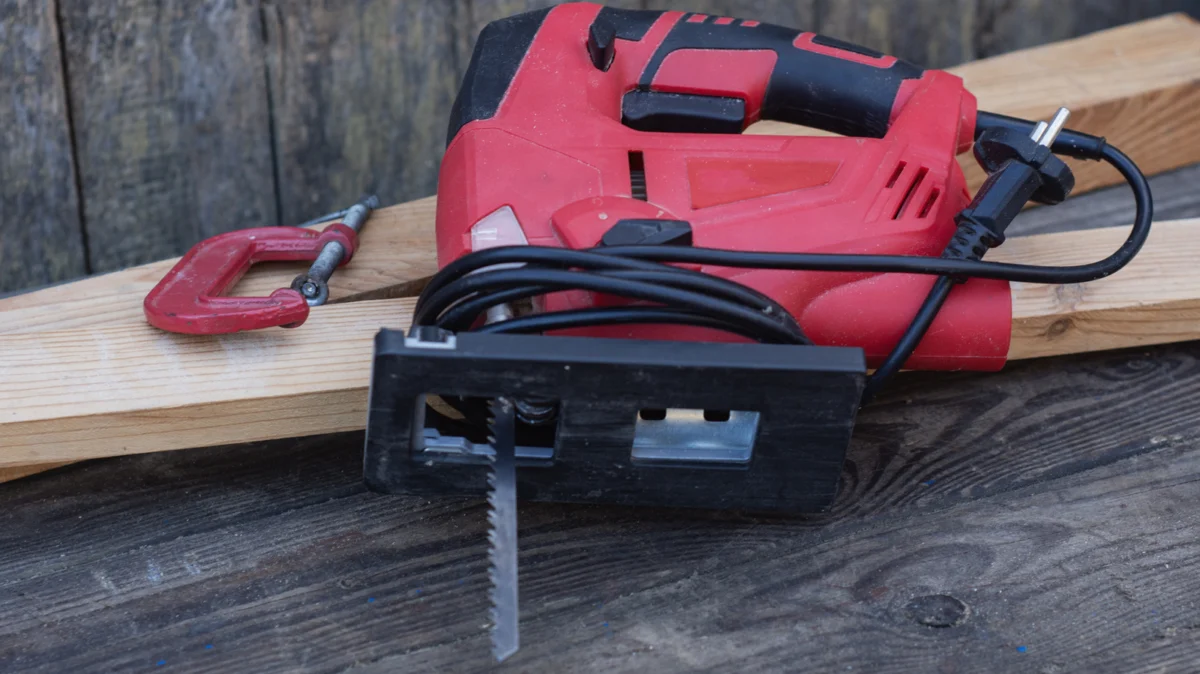
In the modern era of home improvement, the debate between cordless and corded power tools is ongoing. While battery-powered devices offer unparalleled mobility and convenience, corded tools remain the bedrock of the professional workshop and the serious hobbyist’s garage. They provide a constant, reliable power supply, often at a lower price point, and frequently boast higher torque and power outputs. However, with this reliability comes a significant responsibility: the management of electrical hazards.
Many users assume that simply clicking a switch to the "off" position is sufficient to render a tool inert. This is a dangerous misconception. Whether due to faulty internal switches, accidental triggers, or the physical hazard of the cord itself, leaving a high-powered device connected to a power outlet is a recipe for disaster. This article examines the critical importance of physically disconnecting your tools, focusing on four high-risk categories, and explores the safety protocols that every DIY enthusiast must adopt to prevent life-altering injuries.
1. The Anatomy of Risk: Why "Off" Isn’t Always Safe
The fundamental premise of tool safety is that any machine connected to an energy source possesses the potential to do work. In the context of corded tools, "work" can translate to a spinning blade, a scorching heating element, or a high-velocity sanding disc.
The Illusion of Security
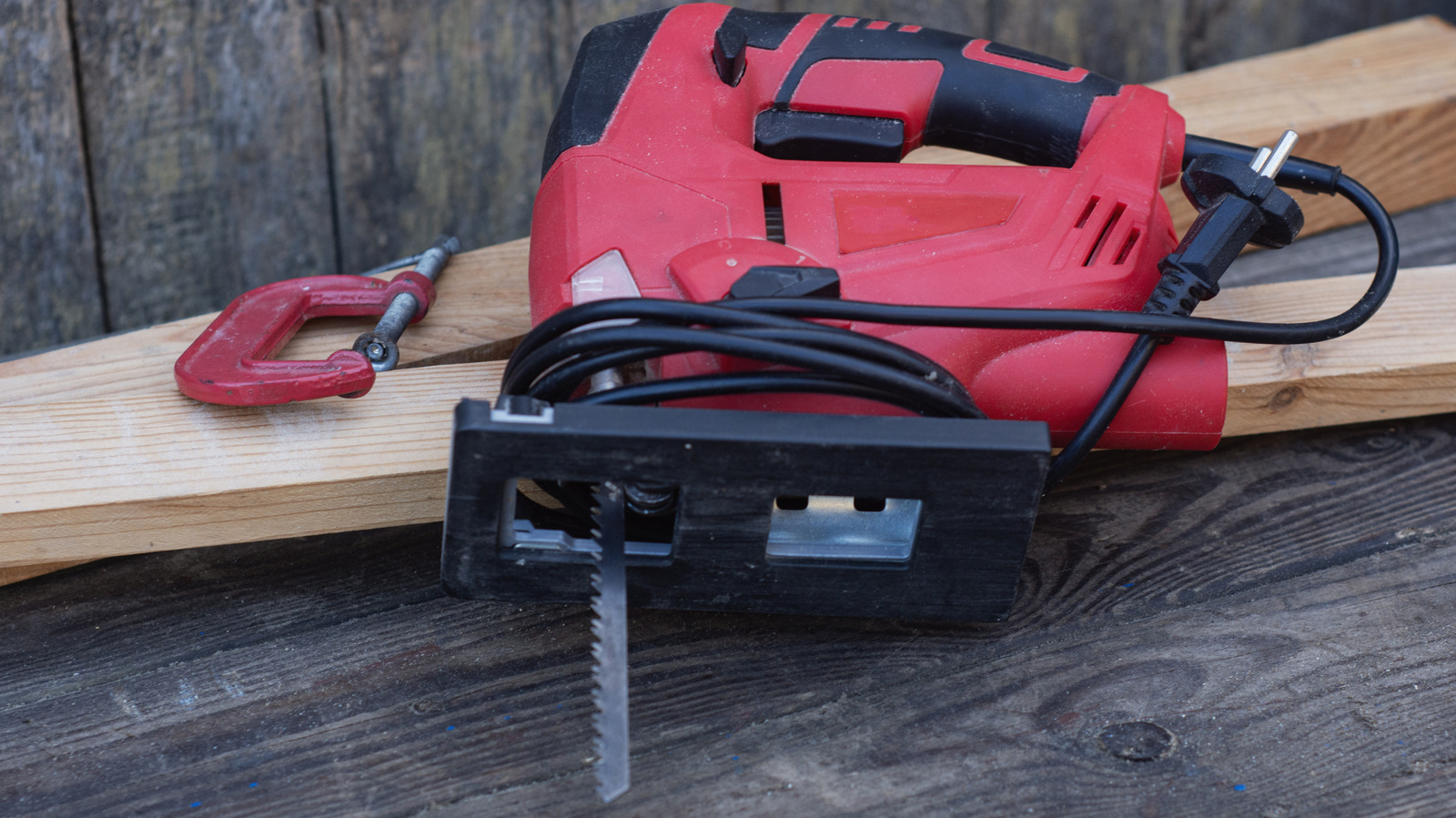
Modern power tools are equipped with various safety interlocks, dead-man switches, and magnetic starters. While these features are designed to prevent accidental startup, they are not infallible. Mechanical wear and tear, debris ingress, or even a simple bump against a workbench can cause a tool to cycle on unexpectedly. When a tool is plugged into a live wall socket, the distance between "inactive" and "lethally active" is often just a single, inadvertent finger-tap away.
The Cord as a Hazard
Beyond the risk of electrical activation, the cord itself represents a distinct hazard. Tripping over trailing cables is a leading cause of workplace injury, but more specifically, the cord can become a target. A circular saw or lawnmower blade that severs its own power cable creates an immediate, high-voltage electrocution risk. By unplugging the device immediately after use, you remove the energy source, neutralizing the danger of a severed line.
2. High-Risk Tools: A Closer Look
While all electrical equipment requires respect, certain categories of tools demand absolute vigilance.
Lawn Mowers: The Outdoor Danger Zone
Lawn mowers represent a unique intersection of high-speed mechanical blades and outdoor electrical hazards. When maintaining a mower—whether it is clearing wet grass from the deck or inspecting the blades for nicks—the risk of inadvertent activation is extreme.
- Debris Management: Wet grass and clippings can accumulate rapidly, creating a dense blockage. If a user reaches into the discharge chute or under the deck to clear this debris while the mower is plugged in, a momentary switch malfunction could result in the loss of fingers or hands.
- Blade Integrity: Dull or damaged blades require frequent sharpening or replacement. Performing this maintenance while the unit is tethered to the grid is a violation of basic safety protocol.
- The Severed Cord Scenario: Lawn mowers are frequently used in environments where the cord is dragged across uneven, hidden terrain. Should the blade catch the cord, the operator risks not just a broken tool, but a life-threatening shock.
Heat Guns: The Silent Fire Starter
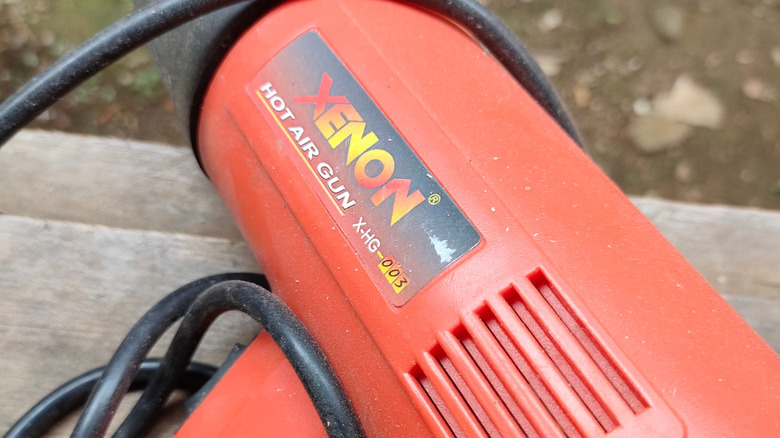
Unlike tools with moving parts, the danger of a heat gun is thermodynamic. These devices operate by forcing air over a heating element, often reaching temperatures as high as 1,200 degrees Fahrenheit.
- Thermal Inertia: Even after the fan stops, the heating element remains dangerously hot for several minutes. A heat gun left plugged in can easily be knocked over onto flammable materials—sawdust, rags, or wooden work surfaces—leading to a smoldering fire that can erupt into a blaze long after the user has walked away.
- Ventilation and Environment: The Electrical Safety Council warns that because these tools can reach such extreme temperatures, they require a clear, heat-resistant surface for cooldown. The only way to guarantee a heat gun cannot reach these temperatures after you leave the room is to break the electrical circuit entirely.
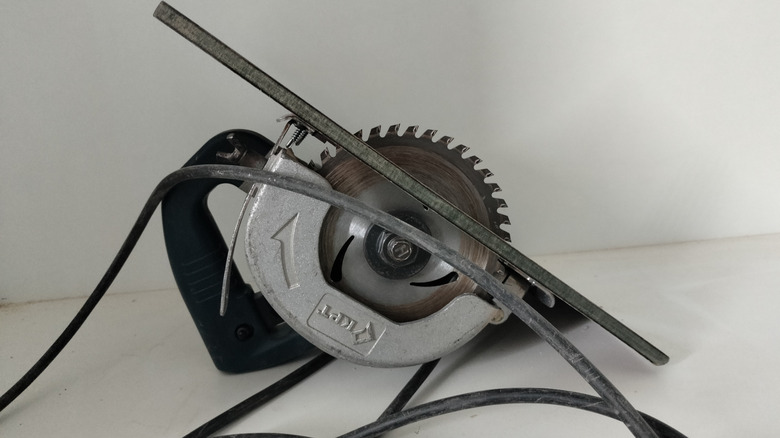
Circular Saws: Precision and Peril
The circular saw is the workhorse of the workshop, but it is arguably one of the most dangerous handheld power tools in existence. Its high-torque motor and exposed, high-speed blade make it unforgiving of errors.

- Adjustment Hazards: Woodworkers frequently adjust the depth and bevel of a saw for different cuts. If these adjustments are made with the tool plugged in, the risk of a "kickback" or an accidental trigger pull during the adjustment process is high.
- Cable Management: Professional woodworkers often adopt a "cable-first" mindset, arranging cords to avoid crossing the line of the blade. However, the safest professional habit is the absolute disconnection of the power source during any blade change or adjustment. A magnetic switch may fail; a wall plug, once removed, cannot.
Sanders: The Invisible Risk
Sanders produce a deceptive level of danger. Because they vibrate and remove material slowly, users often become complacent. However, the abrasive force is immense, and the dust produced is often highly flammable.
- Electrical Fires: As noted by the Electrical Safety Council, corded sanders are susceptible to internal overheating. If a tool has a short circuit or a faulty motor, leaving it plugged in while unattended creates a fire hazard.
- Respiratory and Physical Safety: The constant vibration and the necessity of using dust collection hoses often mean that users are distracted by PPE requirements (masks, goggles). Ensuring the device is unplugged before changing sanding discs or emptying dust bags is a critical step in preventing injury.
3. Supporting Data and Professional Standards
The importance of this safety practice is backed by historical data regarding electrical accidents. According to reports from the Electrical Safety Council, a significant percentage of power tool-related injuries occur during non-operational tasks—such as cleaning, maintenance, or blade changes—rather than during the actual cutting or sanding process.
Registration and Recalls
One of the most overlooked aspects of power tool ownership is product registration. Manufacturers frequently issue recalls for switches or motor housing components that have been found to fail. By registering your tools, you ensure that you are notified of these defects. However, until a repair is made, the only 100% effective safety measure is to keep the tool physically disconnected from the wall.
The "Definitive Disconnection" Principle
Safety experts emphasize the "Definitive Disconnection" principle: when a tool is not in active, monitored use, it should not be part of an electrical circuit. This applies even if the tool is being left for "just a minute" to retrieve a different piece of material. The time saved by keeping a tool plugged in is never worth the risk of an accidental activation.
4. Official Guidelines and Best Practices
To maintain a safe workshop environment, users should adhere to the following industry-standard practices:
- The "Unplug First" Rule: Never perform maintenance, cleaning, or blade adjustments on a corded tool while it is connected to a power outlet.
- Cable Routing: Always position power cords away from the path of cutting edges and high-heat areas.
- Storage: After use, wrap cords loosely to prevent internal wire fraying, and store the tool in a dry, secure location.
- Work Surface Management: Ensure that your workspace is free of combustible materials before using heat-generating tools like heat guns.
- Periodic Inspection: Regularly check your cords for nicks, frays, or exposed wiring. If a cord is damaged, do not attempt a DIY repair—replace the entire cord or the tool, as per manufacturer specifications.
5. Implications: Building a Culture of Safety
The decision to unplug a tool is more than a simple manual task; it is a mindset. By building the habit of unplugging, you normalize a culture of safety that permeates all aspects of your workshop activities.
Preempting the "Theoretical" Accident
It is common for DIYers to assume that accidents happen to "others." However, statistics consistently show that even seasoned professionals are susceptible to the "momentary lapse." By assuming that the tool could turn on at any time, you shift your behavior to accommodate that risk. You are no longer relying on a switch; you are relying on the absence of energy.
Final Thoughts
Whether you are a weekend warrior or a seasoned carpenter, the tools in your workshop are powerful instruments that require a high degree of caution. While corded tools offer the performance needed for ambitious projects, they come with the inherent danger of electrical connectivity. By adopting the strict practice of unplugging your lawn mowers, heat guns, circular saws, and sanders after every use, you protect yourself, your family, and your home from the potentially devastating consequences of an accidental power-up.
Safety is not an inconvenience; it is a component of the work itself. Treat your tools with the respect they deserve, and ensure that when the job is done, the power is truly off.












No comments yet. Be the first to join the conversation!