

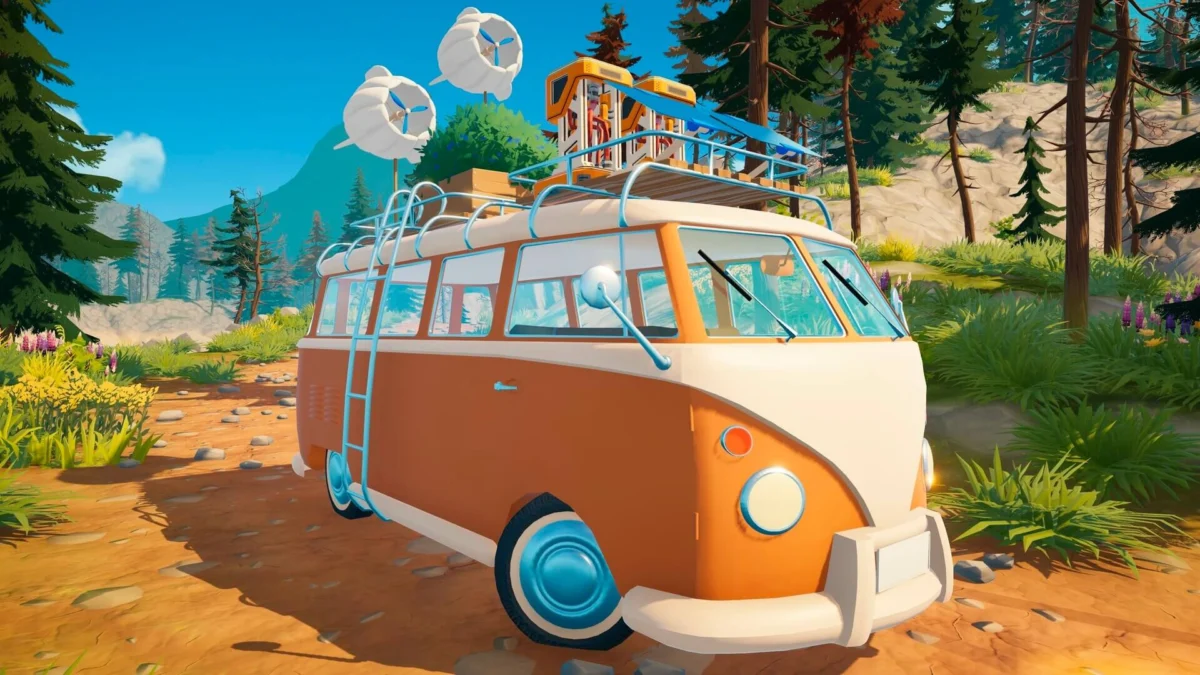
The dream of the open road—a romanticized vision of escaping the claustrophobic confines of urban life to seek solace in the quiet majesty of nature—is a powerful one. It is a concept that has fueled countless works of media, from literature to film, and it is the central premise behind Outbound, the latest exploration-crafting title from developer Square Glade.
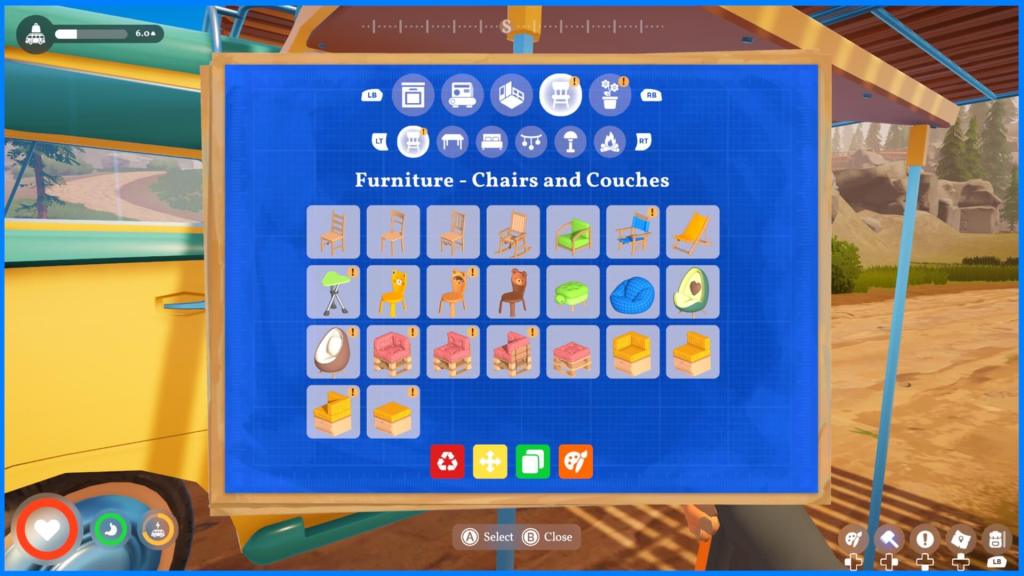
In Outbound, players are tasked with abandoning their city life, purchasing a customizable camper van, and traversing a sprawling, semi-open countryside. On paper, the title promises a relaxing, fulfilling loop of exploration, vehicle management, and creative construction. However, in practice, Outbound struggles to justify its own existence in an increasingly crowded genre, ultimately feeling like a hollow imitation of more polished and engaging experiences.
The Premise: A Road Trip Without a Destination
The narrative hook of Outbound is, quite frankly, nonexistent. Players begin the game with a brief, perfunctory introduction: you have left the city, bought a van, and are now driving into the wilderness. While many survival-crafting games prioritize emergent gameplay over structured storytelling, Outbound fails to provide even a baseline sense of purpose.
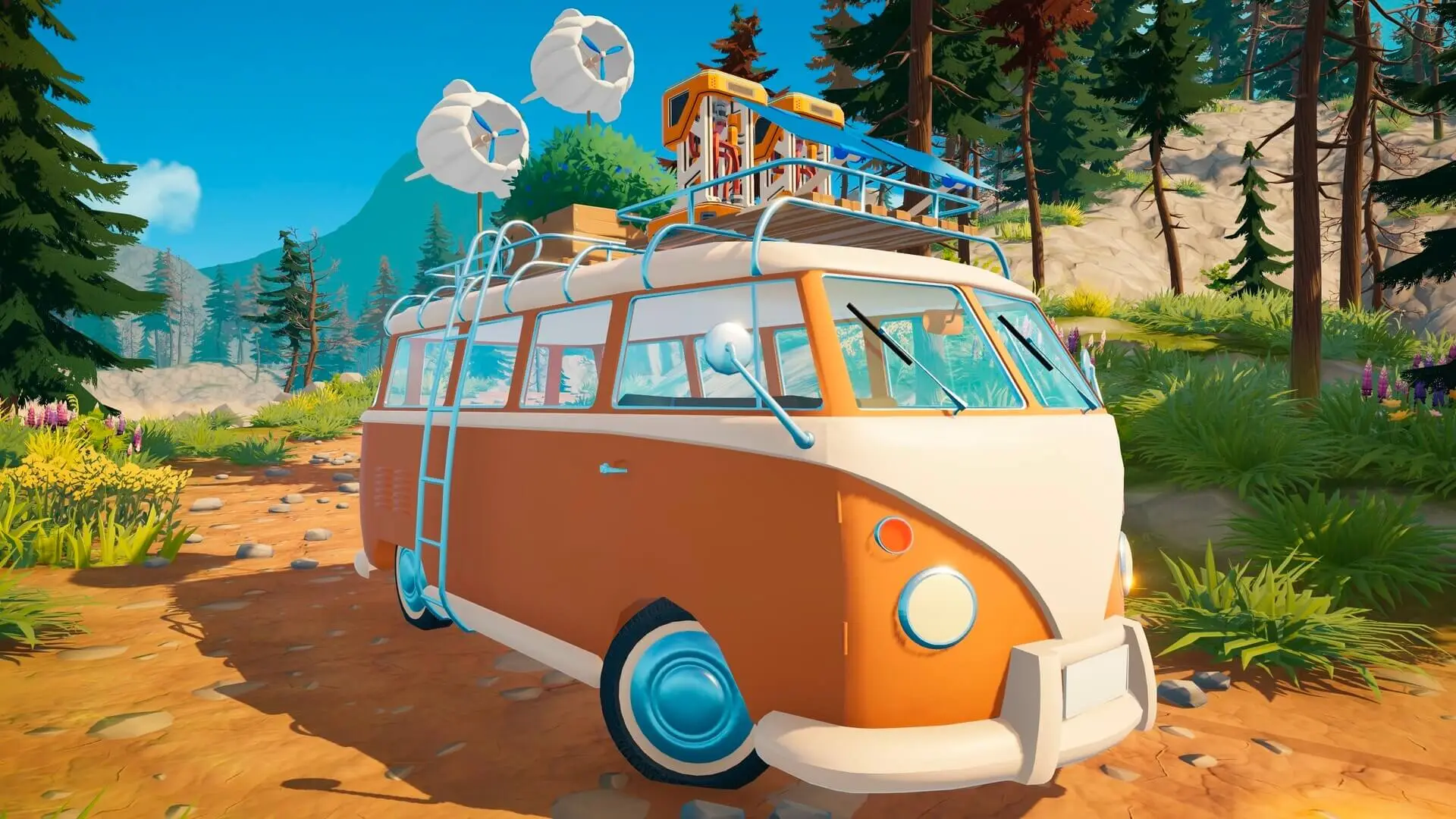
Once the initial tutorial phase concludes, the player is left to their own devices in a vast, empty countryside. You are told to build tools, upgrade your van, and explore, but the game provides no emotional or narrative reason to do so. While titles like Camper Van: Make It Home succeed by grounding their gameplay in the personal, tactile joy of decoration and puzzle-solving, Outbound feels adrift. It provides the "what" of the survival genre without ever establishing the "why."
The Illusion of Companionship
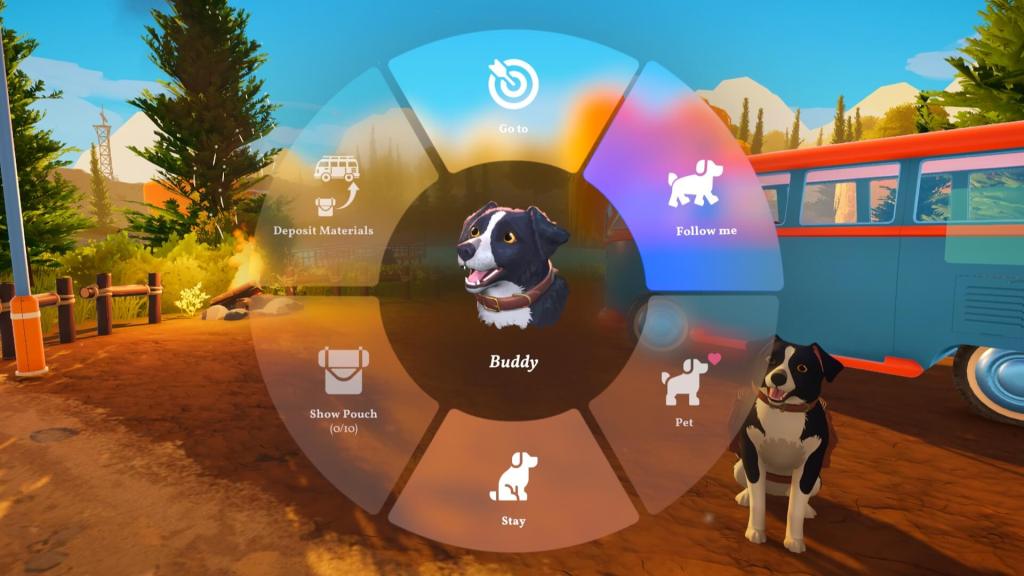
A recurring motif in the "van-life" aesthetic is the presence of a faithful companion. Outbound attempts to capture this by allowing players to adopt a pet dog. Unfortunately, the mechanic feels woefully underdeveloped. Rather than serving as a sentient, reactive companion that adds life to the desolate landscape, the dog functions more as a glorified, mobile inventory slot—a cosmetic accessory that carries items rather than providing emotional resonance. The world itself is similarly sterile; while you will encounter structures like abandoned cabins that imply the existence of other travelers, you will never actually meet another soul. This isolation, while perhaps intended to evoke a sense of solitude, instead renders the world static and lifeless.
Chronology of Gameplay: The Loop of Tedium
The structural loop of Outbound is consistent to a fault, leading to a repetitive experience that rarely evolves. The typical session follows a rigid, predictable pattern:
- Arrival: The player enters a new biome—ranging from serene Pacific coastlines to rugged, arid canyons.
- Scavenging: The player scours the immediate area for resources like scrap metal, wood, and berries.
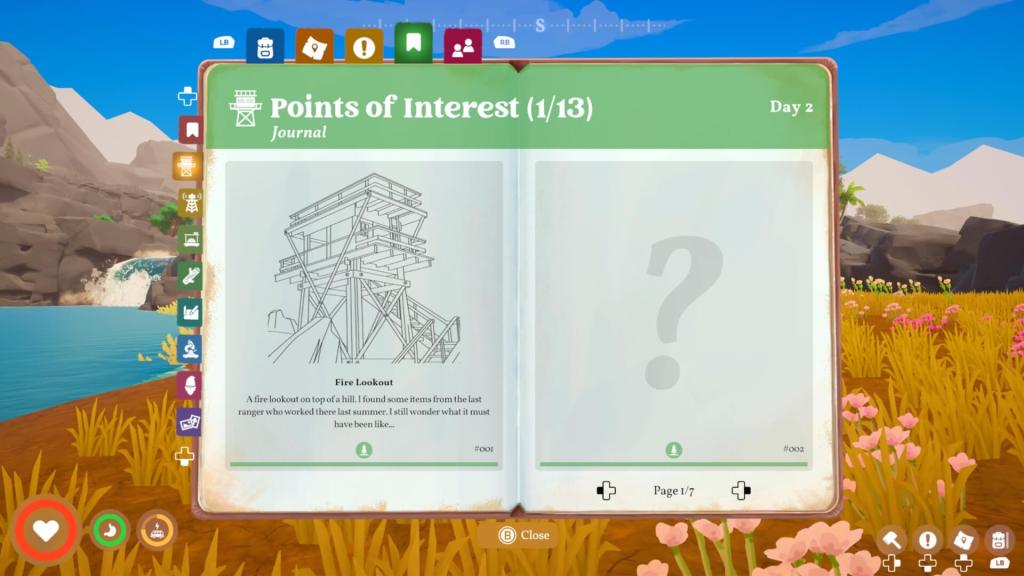
- Completionism: The player checks off a laundry list of objectives: activating Signal Towers to unlock blueprints, lighting Campfires, interacting with stone Cairns, collecting Gnomes, and finding hidden Paintings.
- Crafting: With materials in hand, the player returns to the van to craft tools, processing hubs, or upgrades, which in turn allow for the harvesting of more complex materials.
- Backtracking: If a required resource is unavailable in the current zone, the player must laboriously trek back to a previous area.
This cycle is hampered by a lack of quality-of-life (QOL) features. There is no fast-travel system, meaning that every excursion requires a long-winded journey back and forth. When combined with a movement speed that feels sluggish and a vehicle system that is prone to getting stuck or damaged during even minor off-roading, the experience quickly shifts from relaxing to tedious.
Supporting Data: Technical and Mechanical Shortcomings
A game built around exploration must, at the very least, make movement feel rewarding. Outbound falters here as well. The vehicles, while customizable, lack a sense of weight and power, and the environmental navigation is plagued by design oversights.
The "Empty" World Syndrome
The game features four distinct biomes, which deserve credit for their visual variety. The transition from a lush, green forest to a dusty canyon or a seaside beach is aesthetically pleasing. However, these environments feel like dioramas rather than living worlds. Interaction is limited to specific, designated nodes. Beyond these prompts, the world is static. The weather systems, while present, do not meaningfully change how the player navigates or experiences the environment, further contributing to a sense of emptiness.
Mechanical Fiddliness
The survival mechanics in Outbound are often at odds with the core gameplay loop. While there is a hunger and health system, it feels tacked on. Because managing the van—maintaining fuel and tire pressure—is far more critical to progress, the player is often incentivized to ignore their own character’s needs entirely.
Furthermore, the interface for inventory management is frustrating. While the player can "auto-dump" items into their own inventory, doing the same for the dog-companion requires a tedious, one-by-one manual transfer. The lack of map markers or custom waypoint systems also makes navigation a chore, as players are forced to rely on memory or trial-and-error to return to previously identified resource nodes.
Platform Performance Concerns
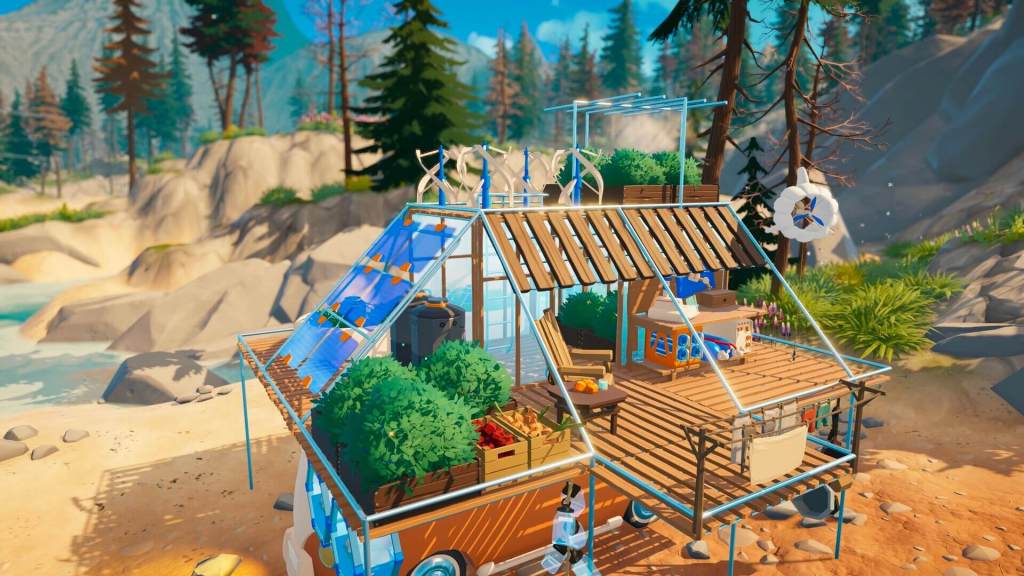
On hardware like the Nintendo Switch and the hypothesized "Switch 2," the game exhibits notable technical hitches. Climbing mechanics are particularly egregious; ladders are often difficult to engage with, frequently resulting in the player simply dropping to the ground rather than initiating a climb. Additionally, the hitboxes for placing decorative items on the roof of the van are notoriously restrictive, turning what should be a creative, relaxing endeavor into a frustrating battle with the game’s physics engine.
Official Responses and Developer Intent
Square Glade has marketed Outbound as a "cozy, relaxing exploration experience," emphasizing the ability to build and customize a base on wheels. In promotional materials, the developers have highlighted the multiplayer aspect of the game, suggesting that the "van-life" experience is meant to be shared.
While this reviewer did not have the opportunity to test the multiplayer functionality, the core design of the game raises questions about whether adding more players would fix the underlying issues. While a co-op partner might alleviate the tedium of gathering materials or locating hidden Gnomes, it does not address the lack of a meaningful story, the absence of world-building, or the clunky, repetitive nature of the exploration. If the foundational experience is fundamentally shallow, adding more players often serves only to highlight the lack of meaningful depth.
Implications for the Survival-Crafting Genre
Outbound serves as a case study in why "vibes" alone are not enough to sustain a modern video game. In the current market, players have access to genre-defining titles that marry exploration, survival, and narrative-driven progression with finesse.
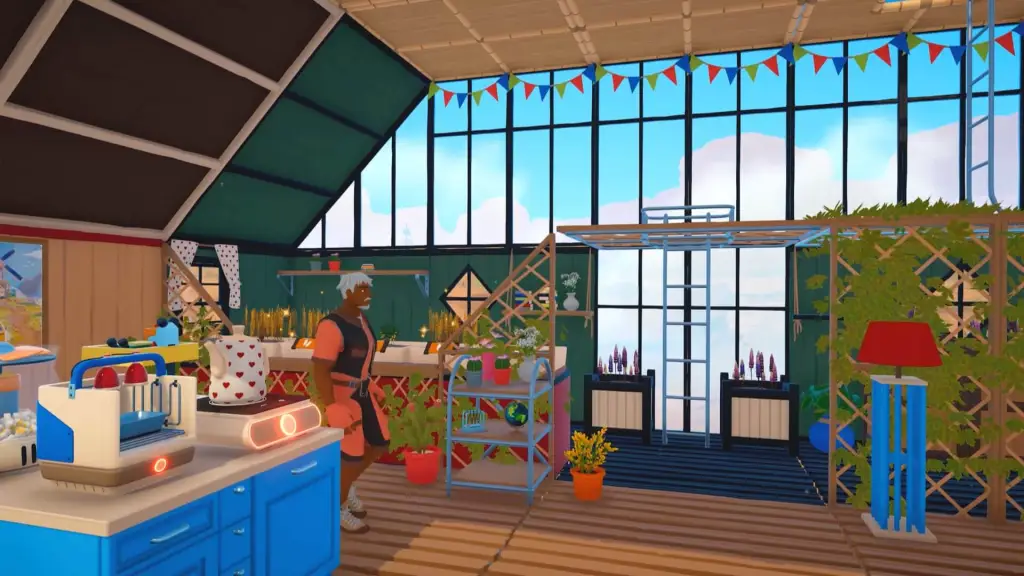
When a game like Outbound is compared to its peers, the deficiencies become stark. It lacks the satisfying progression and discovery found in Pokemon Pokopia, and it misses the mark on the cozy, rewarding customization loops that define Camper Van: Make It Home.
The implication here is that the survival-crafting genre has reached a point of saturation where merely "being a game about X" is no longer a viable strategy for success. Players demand tight mechanics, meaningful quality-of-life considerations, and a world that feels as though it reacts to their presence. Outbound provides the framework for a compelling adventure but fails to fill that framework with anything of substance.
Conclusion
Outbound is not necessarily a "bad" game in the traditional sense—it is functional, visually distinct, and follows the expected rules of its genre. However, in its current state, it is an exercise in mediocrity. It offers a beautiful, open world that feels completely devoid of soul, and a loop of activities that prioritize manual labor over actual fun.
For those looking for a truly immersive, relaxing, or meaningful road-trip experience in gaming, Outbound will likely prove a disappointment. It is a game that talks the talk of the open road but finds itself stuck in the mud, spinning its wheels on the same patch of dirt, long after the excitement of the initial departure has faded. Until the developers address the core issues of world interactivity, mechanical friction, and the glaring lack of a central purpose, Outbound remains a detour that most players can safely skip.












No comments yet. Be the first to join the conversation!