

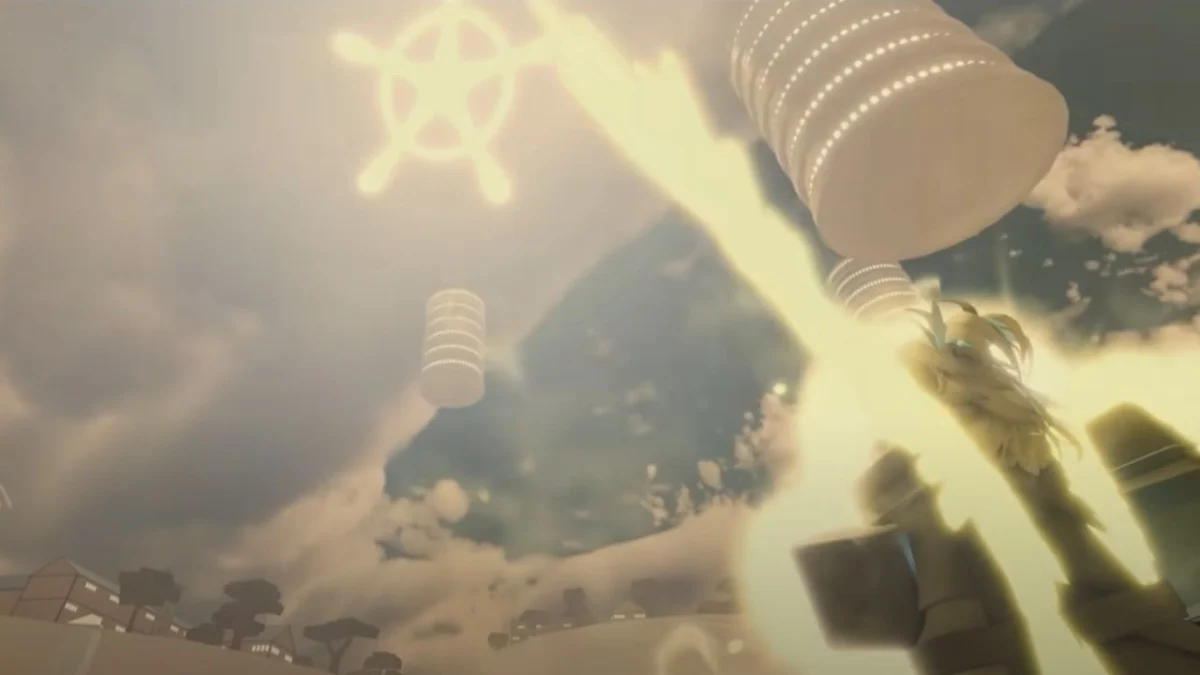
ROBLOX, [Current Date] – In the ever-evolving landscape of online gaming, particularly within the dynamic ecosystem of Roblox, titles like Type Soul continually captivate millions with their intricate mechanics and challenging gameplay. Among its many nuanced features, the concept of "Soul Vows" stood out as a particularly compelling system, offering players powerful passives with inherent trade-offs rather than straightforward buffs. One such vow, the "Vow of Potential," emerged as a fascinating, albeit controversial, option for players looking to embrace a high-risk, high-reward playstyle. However, in a recent significant update, the Vow of Potential was removed from the game, marking the end of its era. This article delves into the history, mechanics, community reception, and ultimate deprecation of this unique game element, offering a comprehensive look at what it meant for Type Soul players.
Main Facts: Unpacking the Vow of Potential
At its core, the Vow of Potential was a distinctive Soul Vow designed to reward perseverance and strategic endurance in combat. Unlike many passive abilities that offer immediate advantages, this vow presented players with a significant initial handicap. Upon entering combat with the Vow of Potential equipped, players would suffer a 15% debuff across all their stats – a daunting prospect for any engagement. This immediate disadvantage forced players into an "underdog" role, challenging them to survive the initial onslaught.
However, this debuff was merely the precursor to a powerful resurgence. The Vow of Potential was characterized by its dynamic scaling mechanism: as players engaged in combat, their stats would progressively increase. Dealing damage, taking damage, successfully dodging attacks, and executing timely parries all contributed to this upward trajectory. This meant that active participation in the fight was not just about survival, but about actively building towards an eventual power spike.
The ascent of a player’s potential culminated in an all-around 10% buff to all stats, a state that would persist for the remainder of the battle. This transformation from a debilitated state to one of enhanced power was not merely mechanical; it was also accompanied by a thematic element. The Vow of Potential featured unique "mood music" that would intensify and quicken as the player’s potential grew, perfectly encapsulating the narrative arc of an "Anime Protagonist" rising against adversity. This audiovisual feedback deepened the immersive experience, allowing players to feel the tangible shift in their character’s strength.
Strategically, the Vow of Potential was a high-stakes gamble. Its initial debuff made early game survival precarious, especially in short, burst-damage encounters where opponents could quickly capitalize on the player’s weakened state. Consequently, it was best suited for longer, more drawn-out engagements where players had sufficient time to overcome the initial penalty and activate their full potential. The ultimate reward was the ability to outmatch opponents in the late stages of a fight, potentially turning the tide after the adversary had expended their prime abilities.
Despite its unique appeal and the strategic depth it offered, the Vow of Potential is no longer an active feature in Type Soul. It was officially removed from the game in a recent update, rendering all prior information regarding its acquisition and mechanics as archived knowledge. Its removal marks a significant shift in the game’s meta and raises questions about the future direction of Soul Vows.
Chronology: The Lifecycle of a Dynamic Passive
The journey of the Vow of Potential within Type Soul is intrinsically linked to the game’s continuous development and its episodic content updates on the Roblox platform. Type Soul, known for its regular infusions of new mechanics, characters, and challenges, operates as a live-service game, constantly evolving to maintain player engagement and introduce fresh strategic layers.
The Vow of Potential first made its appearance as part of the "Hell update," a substantial content expansion that introduced a new, perilous region to the game: the Hell Maze. This update was a significant milestone, adding not only new environments but also formidable adversaries and rare rewards that incentivized high-level exploration and combat.
Central to the acquisition of the Vow of Potential was the "Bamboo Hat Min" boss. This mini-boss was a formidable foe, strategically placed within the depths of the Hell Maze. Its introduction alongside the Vow of Potential created a challenging gauntlet for players. To even contemplate facing Bamboo Hat Min, players required significant character progression, advanced equipment, and a deep understanding of combat mechanics. The Vow of Potential was conceived as a rare, coveted drop from this boss, making its acquisition a testament to a player’s dedication and skill in overcoming some of the game’s toughest challenges. This design ensured that only seasoned players, those truly ready to embrace its complex risk-reward profile, would have access to it.
For a period, the Vow of Potential existed as a viable, albeit niche, option for players. It became a subject of discussion within the Type Soul community, with players debating its viability in various builds and combat scenarios. Guides, like the Type Soul Vow Of Luck guide mentioned alongside it, often contextualized it within the broader ecosystem of Soul Vows, highlighting its unique position as a passive that demanded a specific strategic mindset.
However, the lifespan of the Vow of Potential ultimately concluded with a subsequent game update. While the exact date and specific patch notes detailing its removal are often found within the game’s official Discord or Roblox update logs, its deprecation was part of a broader rebalancing or content refresh initiative. Such removals are common in live-service games, often stemming from developer decisions regarding meta-balance, player feedback, or a pivot in the game’s design philosophy. The Vow of Potential, with its inherent complexity and potential for extreme swings in combat, likely presented unique challenges for long-term balance, ultimately leading to its retirement from the active roster of Soul Vows.
Supporting Data: Community Insights and Strategic Analysis
The Vow of Potential, during its active period, carved out a distinct niche within the Type Soul community. Its design, which forced players to embrace an initial weakness before ascending to power, resonated strongly with a segment of the player base, particularly those who relished a challenge and enjoyed thematic elements of struggle and triumph.
Player Reception and Community Discussions:
Initial reactions to the Vow of Potential were mixed but largely intrigued. On forums, Reddit threads, and Discord channels dedicated to Type Soul, players extensively discussed its viability. Some hailed it as a refreshing mechanic that added strategic depth, praising its ability to create dramatic comebacks and reward skillful play. Others viewed it with skepticism, citing the severe initial debuff as too punishing, especially in the fast-paced, often unforgiving PvP environment of Type Soul. The high barrier to entry – requiring players to defeat the extremely challenging Bamboo Hat Min boss – also limited its widespread adoption, making it a status symbol for dedicated high-level players. There was a clear divide between those who loved the "anime protagonist" fantasy it offered and those who prioritized immediate combat efficiency.
Strategic Analysis and Build Synergy:
For those who mastered it, the Vow of Potential significantly influenced build choices and combat strategies. Players opting for this vow often paired it with:
- Tanky Builds: Characters with high health and defensive stats could better absorb the initial 15% debuff, allowing them to survive long enough for the potential to build up. This allowed for a more forgiving early game, mitigating the risk.
- High-Mobility/Evasion Builds: Players adept at dodging and parrying found great success, as these actions not only contributed to building potential but also minimized incoming damage during the vulnerable early phase. This playstyle emphasized skillful avoidance over brute force in the initial moments.
- Sustained Damage/Attrition Playstyles: The Vow of Potential thrived in longer fights. Builds focused on consistent, moderate damage output rather than burst damage were better suited, as they could endure prolonged exchanges and capitalize on the late-game stat buff.
- Specific Weapon/Ability Combinations: Certain abilities that offered temporary invulnerability, crowd control, or self-healing became crucial for surviving the debuff phase, allowing players to stall until their stats normalized and then surpassed their starting point.
Comparatively, the Vow of Potential stood in stark contrast to other Soul Vows. For instance, a hypothetical "Vow of Aggression" might offer an immediate damage buff with a defensive penalty, catering to aggressive, short-burst playstyles. The Vow of Potential, by demanding patience and rewarding survival, broadened the spectrum of viable strategies, encouraging a more diverse meta where different Vows could suit different player preferences and combat scenarios. Its presence, even if niche, forced players to consider the long game, adding a layer of strategic foresight to character development and combat planning.
Inferred Developer Intent:
From a game design perspective, the Vow of Potential likely aimed to achieve several objectives:
- Promote Diverse Playstyles: To move beyond purely offensive or defensive builds, offering a unique scaling option.
- Reward Skill and Perseverance: The mechanics of building potential through active combat (dealing/taking damage, dodging, parrying) directly rewarded engaged and skillful play.
- Enhance Narrative Immersion: The "anime protagonist" theme and dynamic mood music clearly intended to create a powerful, emotionally resonant experience of overcoming adversity.
- Introduce Strategic Depth: By presenting a significant trade-off, it forced players to think critically about their engagements and character synergy.
While successful in these aspects for a subset of the community, the inherent difficulty in balancing such a dynamic passive likely posed ongoing challenges, contributing to its eventual removal. The potential for snowballing (where a player who survives the initial phase becomes overwhelmingly powerful) or being instantly defeated (due to the initial debuff) created a high variance that could be difficult to consistently tune.
Official Responses: The Rationale Behind Deprecation
Direct official statements regarding the specific reasons for the removal of the Vow of Potential are typically found within official Type Soul developer logs, Discord announcements, or patch notes. While the original article does not provide specific quotes, we can infer the common rationales behind such significant game design decisions in live-service titles.
Game developers, including the creative minds behind Type Soul, operate with a constant eye on game balance, player experience, and the overall health of their game’s ecosystem. The decision to remove a feature as impactful as the Vow of Potential would not have been taken lightly. Plausible reasons for its deprecation include:
- Balance Issues: The most common reason for removing or significantly altering game mechanics is balance. The Vow of Potential’s dynamic scaling, with its severe initial debuff and powerful late-game buff, presented unique balancing challenges. It could lead to situations where a player either felt overwhelmingly weak at the start or overwhelmingly powerful at the end, potentially creating frustrating experiences for both the user and their opponents. It might have been deemed too difficult to fine-tune to a point where it felt consistently fair and engaging across all skill levels and combat scenarios.
- Player Feedback: While some players adored the Vow of Potential, a significant portion of the community might have expressed concerns about its punitive initial phase or its perceived lack of consistency. If player data indicated a low adoption rate, high frustration levels, or a feeling that it disrupted the intended flow of combat, developers might choose to remove it.
- Meta Impact and Design Philosophy: The Vow of Potential, by encouraging long, drawn-out fights, might have conflicted with the developers’ evolving vision for Type Soul‘s combat meta. If the goal was to promote faster, more decisive engagements, a passive that incentivized prolonged battles might have been seen as counterproductive. Similarly, if future Vows or character abilities were planned that would interact unfavorably or create unforeseen synergies with the Vow of Potential, its removal might have been a preemptive measure.
- Technical Complexity/Maintenance: While less likely for a passive ability, sometimes features are removed due to their underlying technical complexity, potential for bugs, or the resources required to maintain them. The dynamic scaling and unique audio cues of the Vow of Potential, while enhancing immersion, might have contributed to a higher maintenance burden compared to simpler passives.
- Simplification/Streamlining: As games grow, they can become increasingly complex. Developers sometimes opt to remove features to streamline the player experience, reduce cognitive load, and make the game more accessible to new players, while still retaining depth through other systems.
In the context of Type Soul‘s continuous updates, the removal of the Vow of Potential likely represents a calculated decision to refine the game’s core mechanics and ensure a more balanced and enjoyable experience for the broader player base. It underscores the iterative nature of game development, where even beloved or unique features may be retired in pursuit of a better overall game.
Implications: The Aftermath and Future of Soul Vows
The removal of the Vow of Potential has several significant implications for Type Soul‘s gameplay, meta, and the ongoing design philosophy of its developers. This deprecation is not merely the removal of a single mechanic; it signals broader shifts within the game’s evolving landscape.
Impact on the Game Meta:
The most immediate effect is on the game’s meta. With the Vow of Potential gone, players are now forced to adapt their strategies.
- Shift in Playstyles: The niche for "slow burn, late-game power spike" builds has been diminished. Players who previously relied on this Vow must now explore other options, potentially favoring Vows that offer more immediate or consistent advantages. This might lead to a more uniform combat pace, with less emphasis on extreme swings in power during a single engagement.
- Increased Viability for Other Vows: The space occupied by the Vow of Potential is now open. Other Soul Vows, which might have been overshadowed or deemed less impactful by comparison for certain playstyles, could now see increased adoption and strategic exploration. This could lead to a healthier diversity among the remaining Vows as players experiment to fill the strategic void.
- Reduced Strategic Complexity (for some): For players who found the Vow of Potential too complex or punishing, its removal might be a welcome simplification, allowing them to focus on more straightforward combat dynamics without the added pressure of managing a fluctuating stat line.
Player Experience and Community Sentiment:
The reaction from the player base is likely varied.
- Nostalgia and Loss: Players who mastered and loved the Vow of Potential will undoubtedly feel a sense of nostalgia and perhaps disappointment at its removal. It was a unique feature that fostered a particular type of underdog fantasy, and its absence leaves a gap for those who enjoyed that specific challenge.
- Relief and Adaptation: Conversely, players who struggled against Vow of Potential users, or found its mechanics frustrating, might feel a sense of relief. For many, the constant evolution of a live-service game means adapting to change, and this removal is just another facet of that ongoing process.
- Focus on New Content: The removal of older content often paves the way for new additions. The community’s attention will naturally shift towards what new Soul Vows or mechanics might replace it, fueling anticipation for future updates.
Future of Soul Vows and Developer Philosophy:
The deprecation of the Vow of Potential offers insights into the developers’ ongoing design philosophy for Type Soul:
- Refinement of Risk-Reward Mechanics: Its removal suggests that while the concept of trade-off passives (Soul Vows) remains central, the implementation of extremely dynamic, scaling mechanics with severe initial penalties might be reconsidered. Future Vows might still offer risk-reward, but perhaps with less extreme fluctuations or more manageable downsides.
- Emphasis on Consistent Balance: The decision indicates a strong commitment to maintaining a balanced and fair combat environment. Features that are difficult to balance consistently, or that create highly polarized experiences, are likely candidates for review or removal.
- Iterative Design: This event reinforces the iterative nature of game development. Type Soul is a living game, and its creators are continuously experimenting, evaluating, and refining its systems based on data, player feedback, and their evolving vision for the game. The removal of the Vow of Potential is a testament to this dynamic process.
In conclusion, the Vow of Potential, while no longer an active part of Type Soul, leaves behind a legacy as a compelling and challenging game mechanic. It represented a specific philosophy of rewarding perseverance and embracing the underdog narrative. Its removal, while closing one chapter, opens another, influencing the strategic landscape of Type Soul and shaping the expectations for future innovations within its vibrant, ever-changing world. Players will continue to adapt, exploring new combinations and strategies, as the game evolves, proving that in Type Soul, the only constant is change itself.












No comments yet. Be the first to join the conversation!