Evan Lee Salim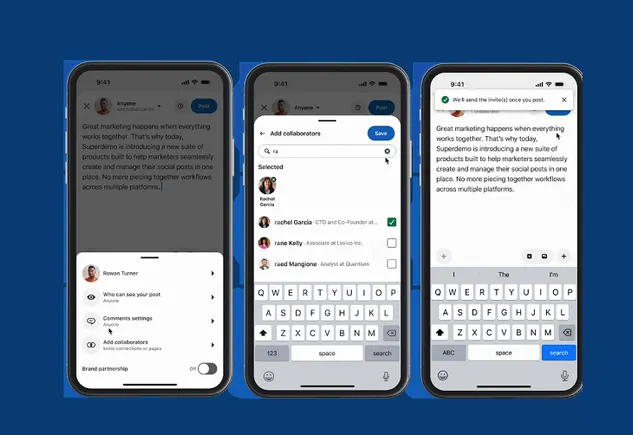
In an era where digital influence is increasingly defined by partnerships and shared expertise, LinkedIn is evolving to meet the demands of a collaborative professional ecosystem. The platform has officially unveiled its new "Collaborative Posts" feature—a transformative tool that allows creators and organizations to co-author content, effectively merging professional networks and amplifying reach.
As LinkedIn continues its transition from a static digital resume site into a dynamic creator-led social media powerhouse, this feature stands as a centerpiece in its strategy to incentivize high-quality content production and deepen brand-influencer synergies.
The Core Mechanics of Collaborative Posts
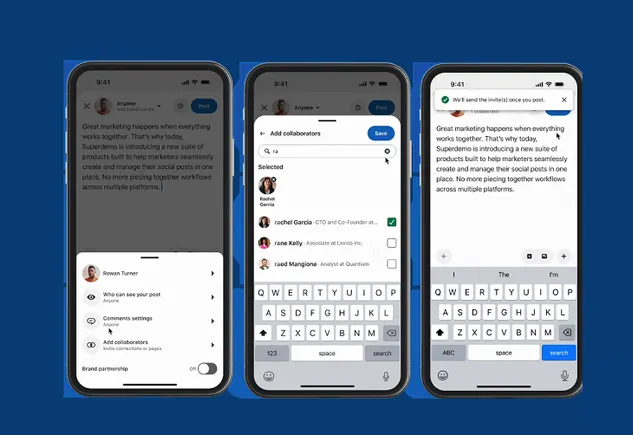
The functionality behind the new update is designed for seamless integration into the existing user experience. LinkedIn’s collaborative posting feature will be accessible directly through the post composer’s "Add Collaborators" option. Once initiated, a user can invite other LinkedIn members or company pages to partner on a single piece of content.
Upon acceptance, the resulting post will feature the names of all co-creators prominently at the top, signaling a unified effort. This dual—or multi-attribution—model is significant. Rather than one user "tagging" another, which often results in fragmented reach, collaborative posts appear on the feeds of all involved parties, consolidating the engagement metrics and viewership of multiple networks into a single, high-impact post.
LinkedIn’s official stance on the rollout emphasizes the nature of modern success. "Great ideas love company," the company noted in its announcement. "Whether at work or in life, some of the best moments of success and creativity come from collaboration. Think of new product launches, executives breaking major business news, creators sharing brand partnerships, or teammates celebrating company milestones."
A Chronology of the Feature’s Development
The journey toward collaborative posts did not happen in a vacuum. It is the culmination of a broader strategic shift within LinkedIn’s product roadmap, which has pivoted sharply toward supporting the "Creator Economy" over the past 24 months.
- Early 2023: LinkedIn begins exploring "Creator Mode" updates, acknowledging that the platform’s most influential users require more sophisticated tools to grow their audience.
- Late 2023: Initial testing of brand-sponsored organic posts begins, laying the groundwork for tighter integration between professional profiles and commercial entities.
- Early 2024: The launch of the "Creator Marketplace" signals LinkedIn’s intent to formalize the relationship between brands and influencers.
- June 2024 (Cannes Lions): LinkedIn chooses the Cannes Lions International Festival of Creativity—the global hub for advertising and brand partnerships—to debut the Collaborative Posts feature.
- Q3/Q4 2024: The current phase involves a limited rollout to selected creators and brands, with a roadmap for a wider global expansion in the coming months.
Supporting Data and the "Network Effect"
The move to introduce collaborative posts is backed by compelling data regarding the behavior of LinkedIn’s user base. Historically, personal profiles drive significantly higher organic reach than company pages. LinkedIn’s algorithm, like those of its counterparts (Instagram, Facebook), tends to prioritize human-centric content over corporate announcements.
By allowing a brand to co-author a post with a key employee or a third-party industry expert, the brand essentially "borrows" the trust and engagement metrics associated with that individual’s personal network.
Key Drivers for Adoption:
- Reach Optimization: A post co-authored by an executive and a company page reaches the followers of both, compounding total impressions.
- Engagement Consistency: Collaborative posts foster a "community-first" aesthetic, which LinkedIn data suggests generates higher comment volume compared to traditional corporate broadcasts.
- Monetization Potential: As LinkedIn deepens its BrandLink and sponsorship capabilities, collaborative posts provide a measurable metric for brands to track ROI on influencer collaborations.
Official Responses and Strategic Intent
LinkedIn’s leadership has been transparent about the "why" behind this feature. In their official statement, they noted that the goal is to "celebrate team achievements" and provide a more authentic way to share business news.
From a product development perspective, the feature is less about "socializing" and more about "professional utility." Industry analysts suggest that this move is a defensive and offensive play. Defensively, it keeps creators within the LinkedIn ecosystem, preventing them from migrating to platforms like X (formerly Twitter) or Instagram for brand collaborations. Offensively, it creates a "sticky" platform environment where the value of one’s network becomes an asset that can be leveraged for professional growth, career pivots, and brand building.
"We are testing this experience with a handful of creators and brands on the ground at Cannes," LinkedIn stated. "We plan to roll this out further over the next few months to ensure the experience is robust, secure, and beneficial for our global professional community."
Implications for the Creator Economy
The introduction of collaborative posts is, perhaps, the most significant step in LinkedIn’s evolution into a destination for content creators. To understand the implications, we must look at the broader ecosystem of features LinkedIn has recently integrated:
The Convergence of Commerce and Content
With the launch of the Creator Marketplace, LinkedIn has already simplified the "discovery" phase of brand-influencer partnerships. Collaborative posts serve as the "execution" phase. By enabling these features, LinkedIn is building an end-to-end infrastructure for professional influencers—similar to how Amazon or Shopify built infrastructure for e-commerce.

The Death of the "Corporate Broadcast"
For decades, LinkedIn was used primarily for job postings and dry company updates. The rise of collaborative posts suggests that the platform is prioritizing human-led storytelling. Brands that fail to utilize these collaborative tools will likely see their organic reach decline as the algorithm begins to favor multi-contributor, high-engagement content.
Impact on B2B Marketing
For B2B marketing teams, this is a game changer. The ability for a product manager to co-author a post with a brand page, or for a sales lead to co-author a post with a client who has successfully implemented their software, provides a layer of social proof that was previously difficult to capture in a single, shareable format.
Future Outlook: What to Expect
As the feature rolls out to the general public over the coming months, we can expect to see a shift in the "LinkedIn aesthetic." We will likely see an increase in:
- Co-authored Industry Reports: Partnerships between research firms and major industry players.
- Executive Branding: A rise in "co-authored" thought leadership between CEOs and their internal communications teams.
- Influencer-Brand Partnerships: Clearer labeling of sponsored content that feels integrated rather than intrusive.
However, challenges remain. LinkedIn will need to manage the "signal-to-noise" ratio. As more users begin co-authoring, the platform must ensure that the quality of the content remains high and that the feature is not abused for spammy marketing practices.
Conclusion
LinkedIn’s move to introduce collaborative posts is a watershed moment for the platform. It signals that LinkedIn is no longer just a digital directory for recruiters and job seekers, but a vibrant, collaborative workspace where professional authority is shared, measured, and rewarded.
For creators, brands, and professionals, the message is clear: the future of work is collaborative. By leveraging these new tools, users can move beyond individual silos to create a more interconnected professional landscape. As we look toward the wider rollout in the coming months, the platforms’ ability to foster authentic, high-value collaborations will likely define its success in the competitive landscape of the digital creator economy.
The "Add Collaborators" button may seem like a simple UI change, but in the context of professional social media, it is the bridge between individual success and institutional growth. Whether you are an entrepreneur looking to launch a new brand, or a professional aiming to increase your thought leadership, the era of "solo-posting" is effectively coming to an end. Welcome to the era of the collaborative network.


 Siti Muinah
 Dwi Wanna