


By Alfredo Federico Robelo | May 15, 2026

In the modern era of "Peak TV," the relationship between a viewer and a long-running series has evolved into a complex, often grueling, commitment. What begins as a casual Friday night pastime can quickly spiral into a decade-long saga, requiring an immense investment of time, emotional bandwidth, and patience. While some shows justify their longevity through narrative evolution, others succumb to the pressures of syndication and network mandates, resulting in bloated, meandering arcs that push even the most dedicated fans to the brink of abandonment.

This article examines 15 television series that, through a combination of repetitive storytelling, narrative drift, or sheer scale, have left audiences questioning whether anyone actually made it to the finish line.
The Economics of Endurance: Why Shows Refuse to End
To understand why these programs persisted long after their narrative peak, one must look at the economics of the television industry. In the broadcast era, the goal was simple: reach the 100-episode mark to ensure lucrative syndication deals. Today, even in the streaming age, "IP value" is king. If a show holds a specific demographic or maintains a steady rating—regardless of whether the quality has cratered—the financial incentive to keep the machine running often outweighs the artistic necessity of a definitive conclusion.

Chronology of Fatigue: The Long Road to Cancellation
The following series represent a cross-section of television history where the "commitment curve" began to sag under the weight of its own ambition.

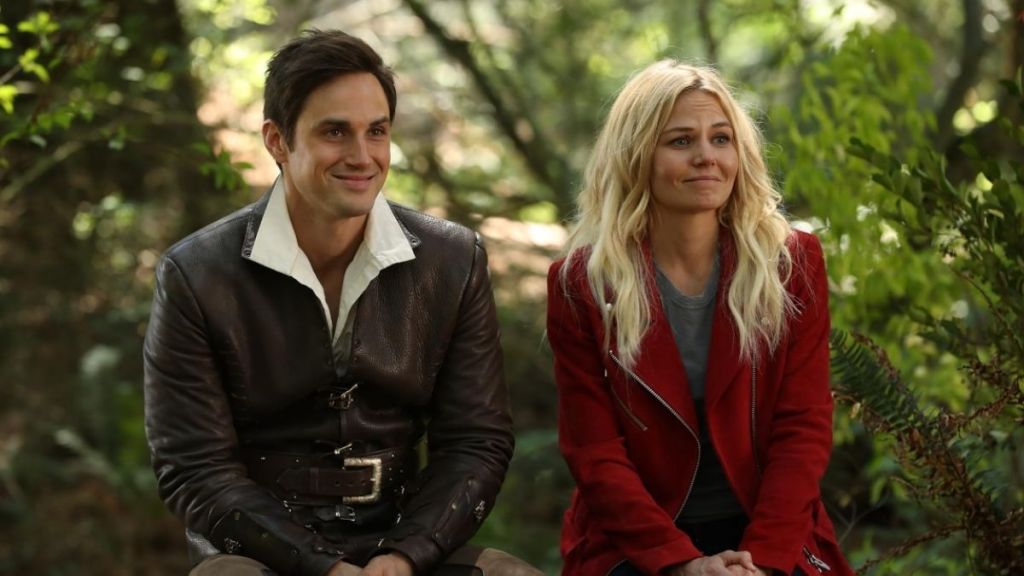
1. Once Upon a Time
Initially a clever, subversive take on the Disney fairy-tale canon, Once Upon a Time captured lightning in a bottle. However, as the seasons progressed, the show collapsed under the weight of its own lore. What started as a character-driven mystery in Storybrooke devolved into a labyrinthine maze of alternate timelines, multiverse curses, and increasingly forced Disney intellectual property integration. By the final seasons, the narrative thread had become so frayed that even the most ardent fans struggled to track which version of which character was currently driving the plot.

2. The Walking Dead
For several years, The Walking Dead was the undisputed king of cable television. Yet, its slow-burn pace became its undoing. As the series entered its later stages, it became defined by a cycle of arrival at a new sanctuary, a catastrophic conflict with a megalomaniacal villain, and a predictable exodus. With the departure of key cast members and a reliance on endless spin-offs, the show became an internet shorthand for a series that "everyone watched, but nobody finished."
3. Grey’s Anatomy
Entering its third decade, Grey’s Anatomy is less a narrative drama and more an endurance sport. Having survived plane crashes, hospital shootings, and the departure of nearly its entire original cast, the show has entered a state of perpetual motion. For the viewer, the experience of watching Grey’s has shifted from enjoying medical drama to a sort of anthropological fascination: How much trauma can one hospital sustain before the audience finally looks away?
4. Riverdale
Perhaps the most bizarre trajectory in recent memory, Riverdale began as a moody, teen-noir adaptation of Archie Comics. It quickly pivoted into a fever dream of serial killers, organ-harvesting cults, superpowers, and musical episodes that defied all logic. The show became a "hate-watch" phenomenon, where viewers tuned in not to see where the story went, but to witness how much more absurd the writers could get.
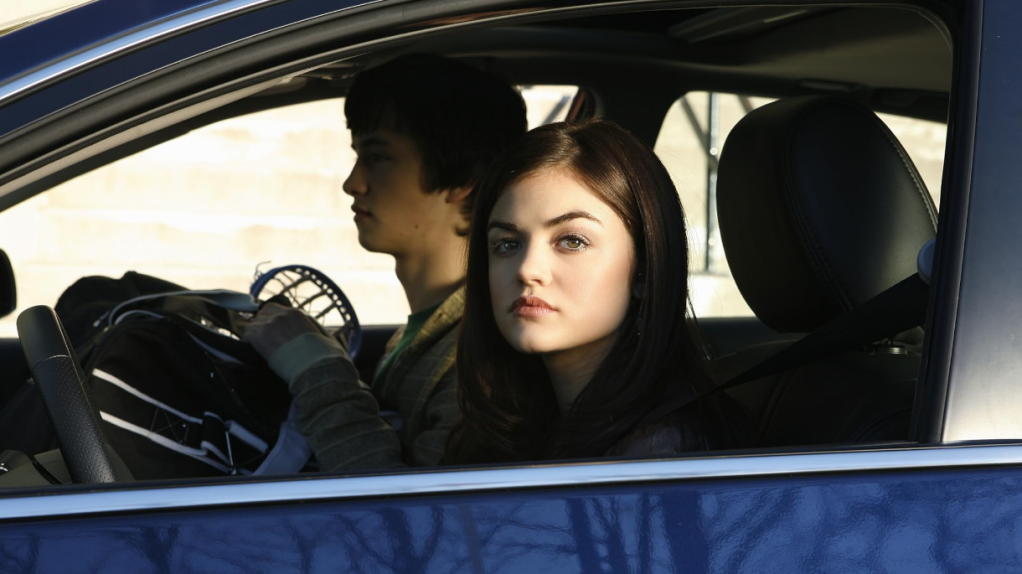
5. Pretty Little Liars
The mystery of "A" was a masterclass in hook-driven television, but the series’ inability to provide satisfying, grounded answers turned the audience against it. By dragging out the central mystery for seven seasons, the writers were forced into increasingly convoluted retcons and fake-outs, eventually exhausting the goodwill of a once-rabid fanbase.
Supporting Data: The Fandom Paradox
A recurring theme among these 15 shows is the "Fandom Paradox." Data from social media engagement and forum activity suggests that while viewership numbers for these shows often remained statistically significant, the sentiment analysis turned overwhelmingly negative in later seasons.
In the case of Supernatural, which ran for 15 seasons, the show developed one of the most loyal cult followings in history. Yet, even within the fandom, there is a clear divide between the "early years" purists and the "completists." The show’s reliance on repetitive "monster of the week" formulas interspersed with universe-shattering apocalypses meant that the stakes eventually ceased to feel real, leading to a phenomenon where viewers would "catch up" by reading wikis rather than watching the episodes themselves.
Additional Notable Mentions:
- Heroes: A victim of its own meteoric rise, the show struggled to recreate the magic of its first season, leading to a rapid decline in viewer retention.
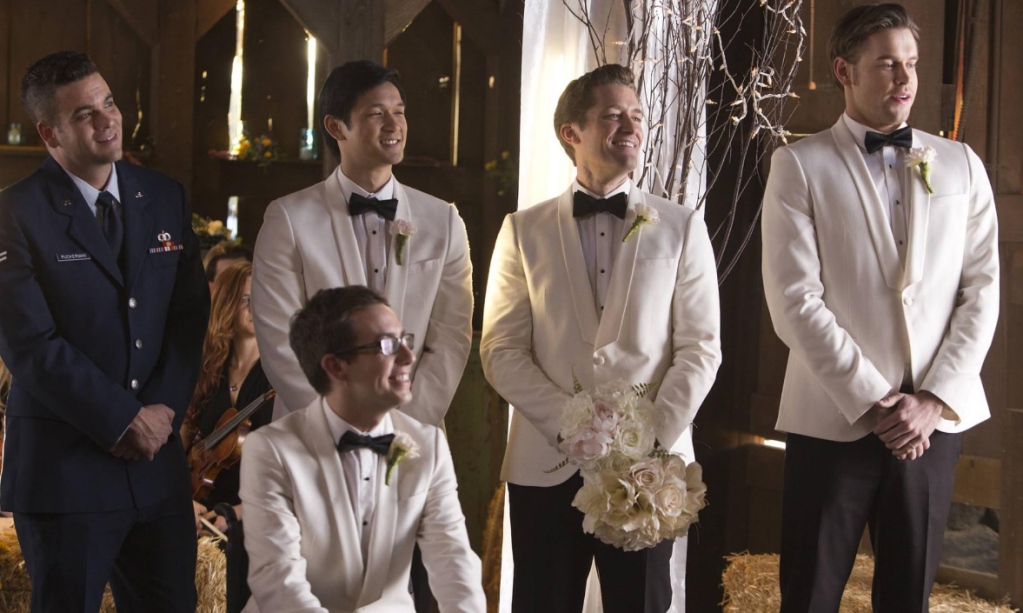
- Glee: The transition from musical comedy to high-stakes melodrama alienated its original audience, who felt the characters they grew to love were no longer recognizable.
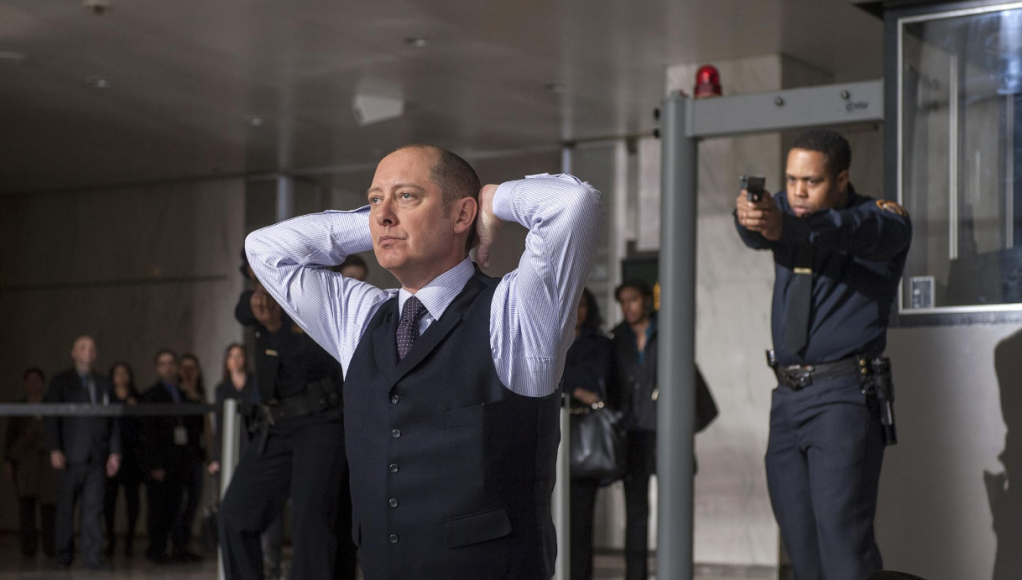
- The Blacklist: While James Spader’s performance remained the series’ North Star, the refusal to answer the central mystery of Red’s identity for years led to a significant "drop-off" rate among casual viewers.
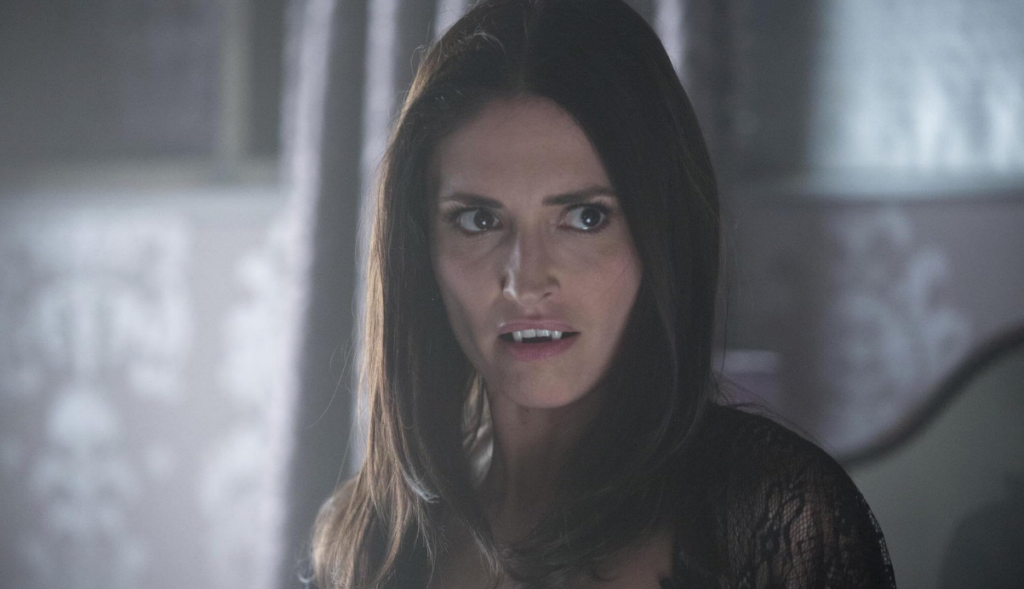
- True Blood: As the series progressed, the focus shifted from small-town vampire tension to cosmic, supernatural absurdity that lost the grounding of its earlier seasons.
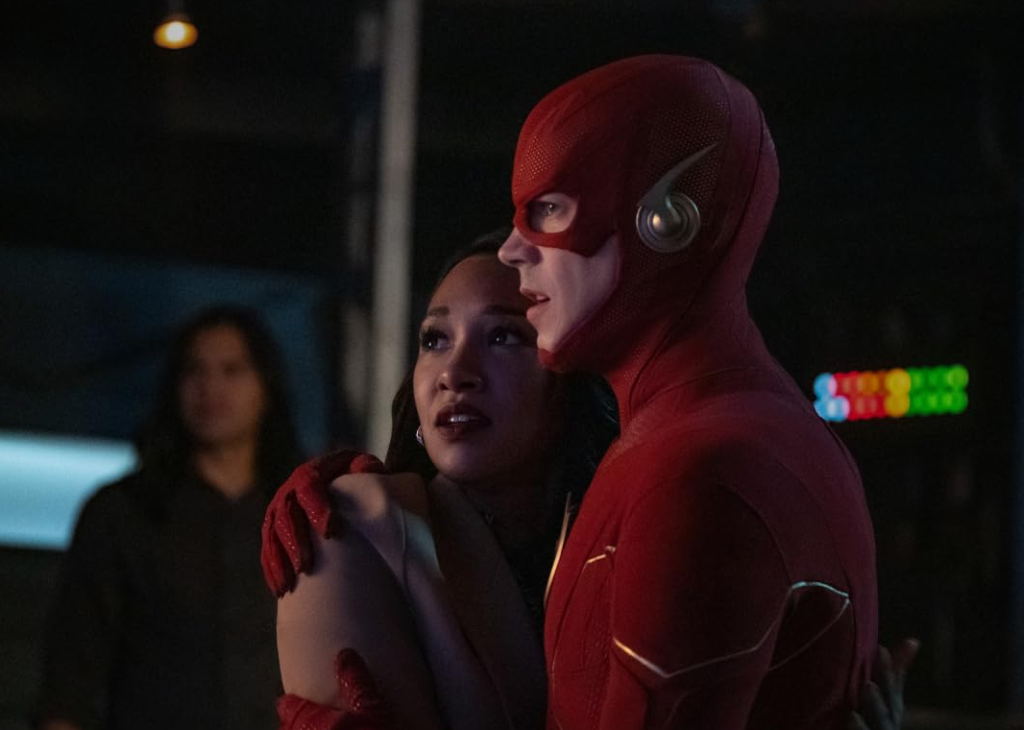
- The Flash: A decade of "time-reset" storylines and repetitive villains eventually made the show’s high-concept superheroics feel tedious rather than thrilling.
- Dexter: The series suffered from a "diminishing returns" effect, capped off by a finale that remains one of the most polarizing in television history.
- Shameless: The sheer volatility of the Gallagher family eventually reached a point where the emotional cost of watching the series exceeded the entertainment value for many.
- Sons of Anarchy: A gritty masterpiece of Shakespearean proportions, yet one that required a level of emotional endurance for its unrelenting nihilism and violence that few could sustain for seven seasons.
- House: While Hugh Laurie’s performance was peerless, the series eventually fell into a "formula trap," where the medical mystery of the week became secondary to the repetitive character sabotage of the hospital staff.
Official Responses and Industry Context
Network executives often defend these extended runs by citing the "stickiness" of the characters. In a statement provided by a former network development head, the logic is clear: "When a show has been on the air for five-plus years, the audience isn’t watching for the plot anymore. They are watching because the characters are ‘family.’ Even if the plot is repetitive, the routine is comforting."
However, critics argue that this "comfort" is the enemy of quality. By prioritizing the comfort of the status quo over the risks of a well-planned conclusion, networks are effectively training audiences to abandon shows before they reach their natural end-points.
Implications for the Future of Television
The shift toward streaming has brought the "limited series" back into vogue, which may be the final nail in the coffin for the "10-season endurance test." Modern audiences are increasingly sensitive to narrative bloat. The success of tighter, 8-to-10-episode arcs suggests that viewers are beginning to value quality over quantity.
The "15 Shows We Don’t Believe Anyone Watched" serves as a historical marker for a specific type of television—one that valued longevity above all else. While these shows will always have their defenders, they also serve as a cautionary tale for future creators: sometimes, the greatest act of love a writer can show their audience is knowing when to say goodbye.

As we look toward the future, the industry will likely move away from the "infinite series" model. For the viewers who stuck with these 15 shows through every illogical turn and repetitive arc, there is a certain badge of honor in having reached the end. But for the rest of us, it stands as a reminder that in television, as in life, sometimes less is truly more.











No comments yet. Be the first to join the conversation!