

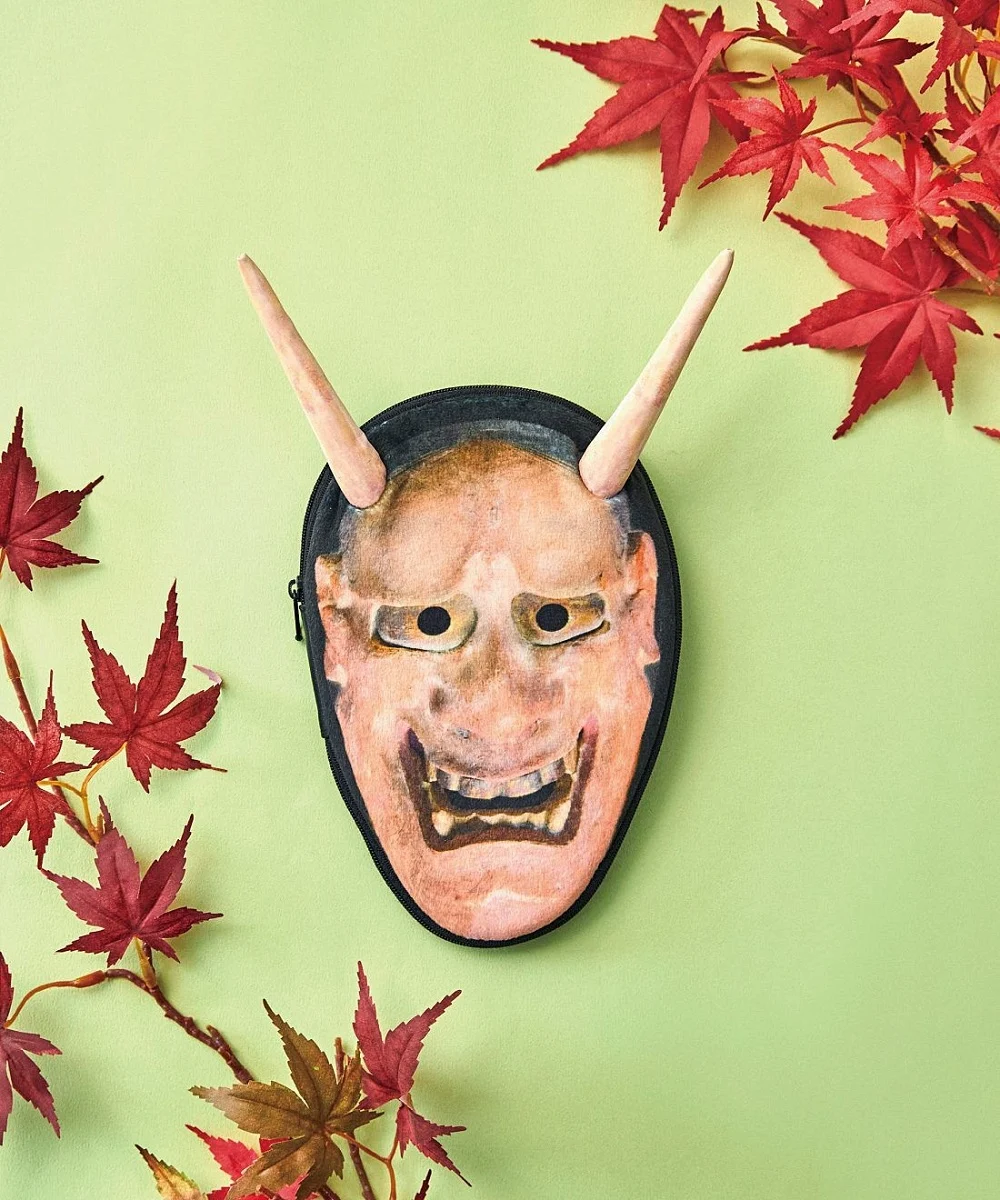
In the world of Japanese lifestyle design, Felissimo has carved out a unique niche. Often recognized for its whimsical, animal-centric products—ranging from hyper-realistic Shiba Inu-shaped hot water bottles to plush, judgmental red panda cushions—the brand is synonymous with "kawaii" culture. However, the company’s "Museum Division" has recently pivoted from the cuddly to the haunting, announcing a collaboration that bridges the gap between centuries-old theatrical tradition and modern utility.
Felissimo has partnered with the esteemed Kyoto Kanze Kaikan (Kyoto Kanze Noh Theater) to release a series of high-quality organizer pouches modeled after authentic Noh masks. While the product serves a functional, everyday purpose, the aesthetic is undeniably jarring, drawing directly from the chilling imagery of Japanese demonology, tragedy, and ancient folklore.
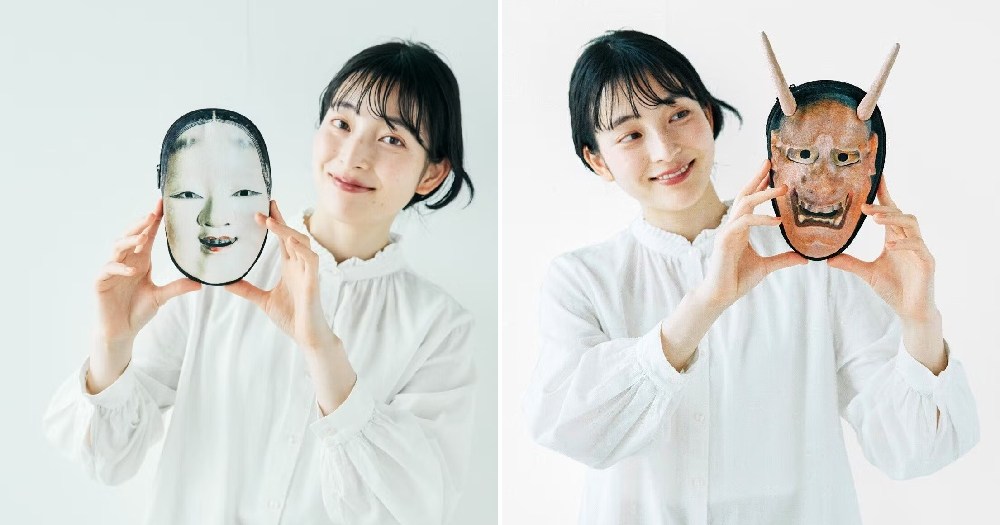
The Art of the Noh Mask: A Legacy of Shadows
To understand the gravity—and the inherent "horror"—of these new accessories, one must look at the history of Noh theater. Dating back over 600 years, Noh is one of the world’s oldest extant theatrical forms. It is a highly stylized, minimalist performance art that relies heavily on masks to convey character archetypes and emotional states that are far too complex for the human face to project in isolation.
The masks used in Noh are not merely props; they are considered sacred objects of profound artistic merit. Many of the stories performed in the Noh tradition deal with themes of yūgen (a profound, mysterious sense of beauty) and the darker side of the human psyche: vengeful spirits, descent into madness, and demonic possession. Consequently, the masks themselves possess an intense, often eerie quality. When a performer tilts their head in specific ways, the light catches the carved features of the mask, causing the character’s expression to shift from sorrow to malice—a phenomenon that has terrified and mesmerized audiences for centuries.
Chronology: From Theater Stage to Everyday Carry
The development of this collaboration followed a meticulous path of design and cultural consultation:
- Initial Concept: Felissimo’s design team sought to capture the "Museum experience" in a portable format. Rather than creating generic "Japanese-style" goods, they approached the Kyoto Kanze Kaikan to ensure historical accuracy.
- The Prototype Phase: Designers studied original Noh masks to replicate the intricate textures and facial proportions. The Kasei (or Manbi) mask pouch was developed first, serving as the proof-of-concept for the collection.
- The Collaboration: With the official blessing and guidance of the Kyoto Kanze Kaikan, the project expanded to include the Hannya and Okina masks.
- Market Launch: The collection was finalized for a mid-2026 release, positioning the items as a unique blend of "artistic heritage" and "functional organization."
- Public Reception: Upon release, the product line garnered significant attention for its commitment to detail, with social media commentary highlighting both the "practicality" of the pouches and the "disturbing" nature of their appearance when left sitting on a desk or table.
The Collection: A Closer Look at the Designs
The current lineup features three iconic mask designs, each meticulously crafted to mimic the appearance of wood-carved masks used by professional performers.
The Hannya: The Demon of Jealousy
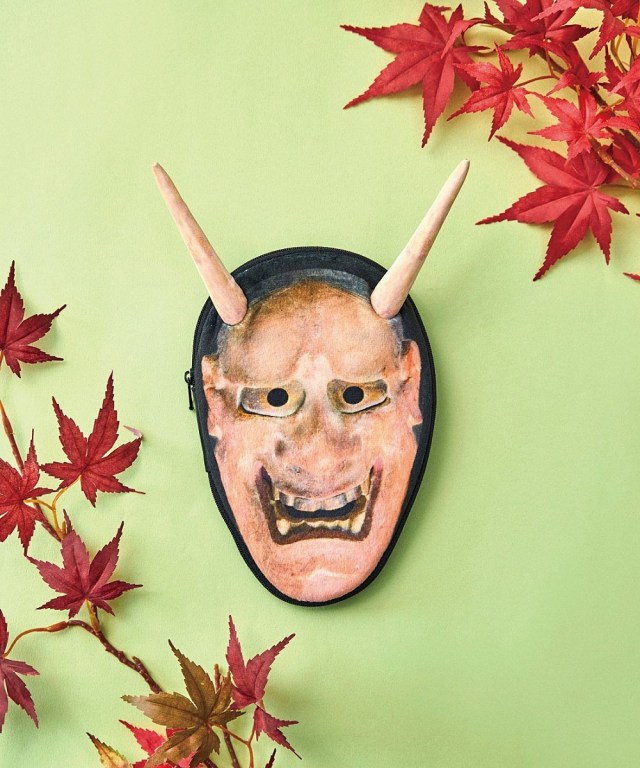
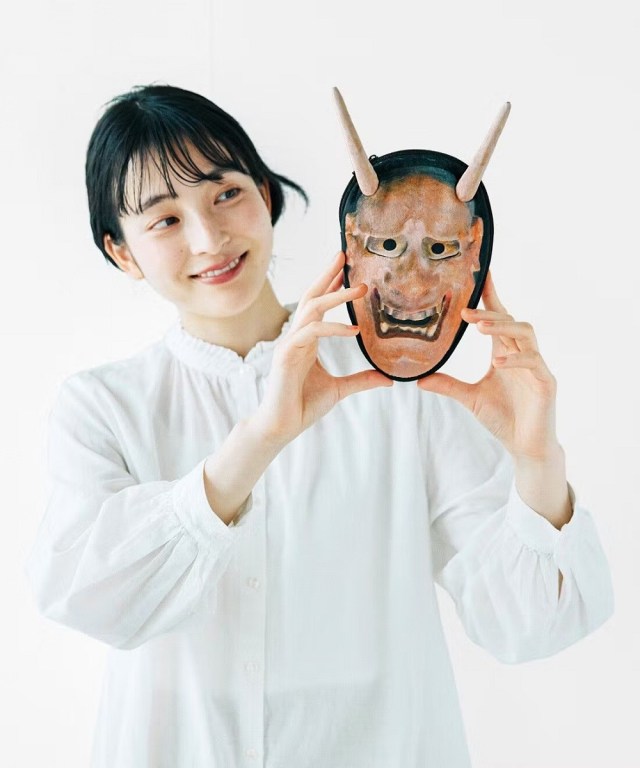
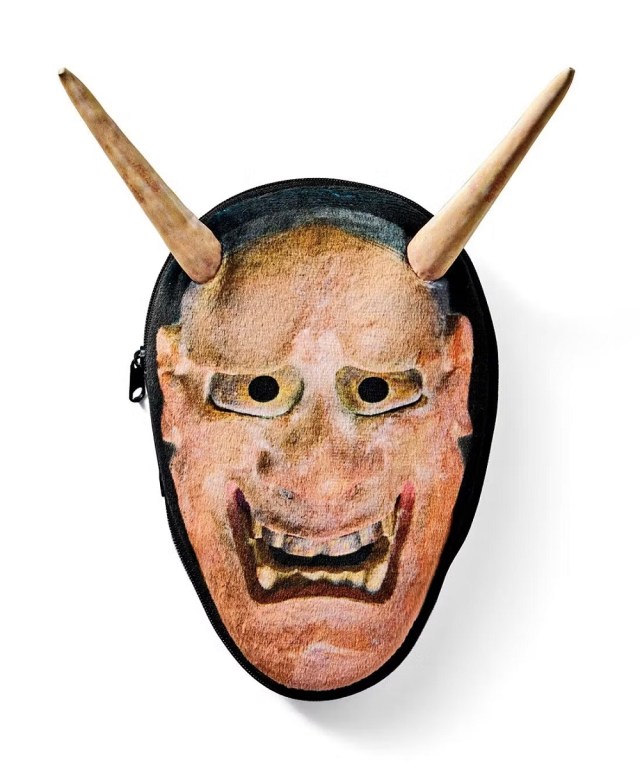
Perhaps the most famous of all Noh masks, the Hannya depicts a female demon consumed by uncontrollable jealousy. With its sharp, protruding horns, metallic-painted eyes, and wide, menacing grin, it is the quintessential image of rage. As a pouch, it serves as a bold, if not slightly terrifying, statement piece for storing personal items.
The Okina: The Old Man of Wisdom
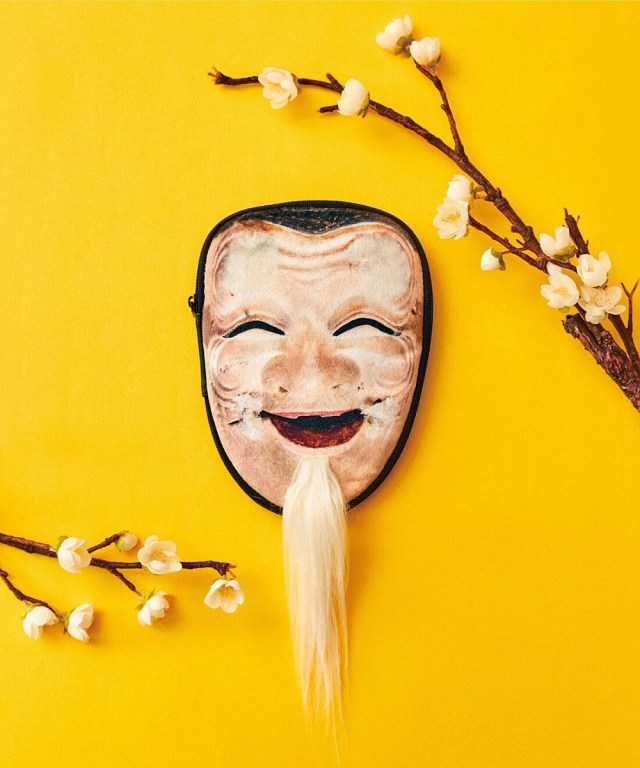
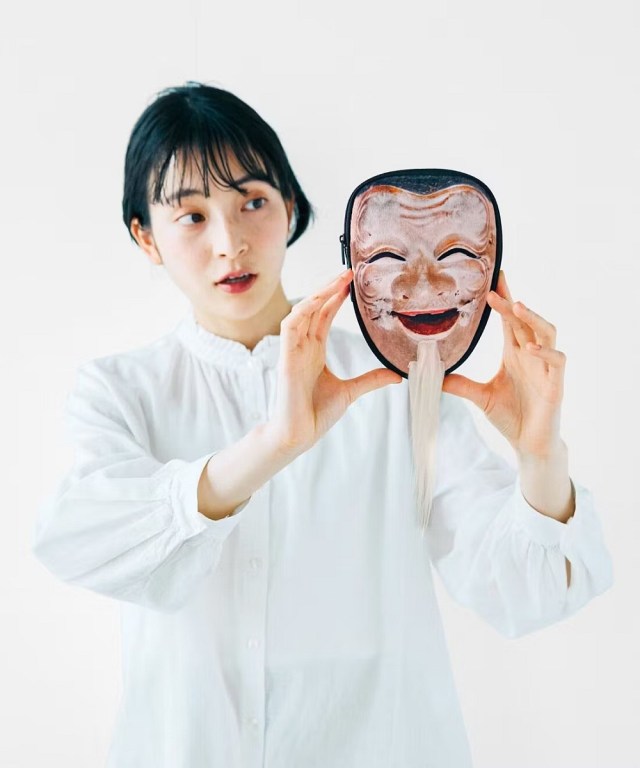
Contrasting with the ferocity of the Hannya, the Okina mask represents a divine old man, symbolizing peace and longevity. With a long, flowing beard and a serene, almost detached expression, this mask is one of the most sacred in the Noh repertoire, often performed at the beginning of a ceremony to bless the audience.
The Kasei (Manbi): The Beauty and the Sinister
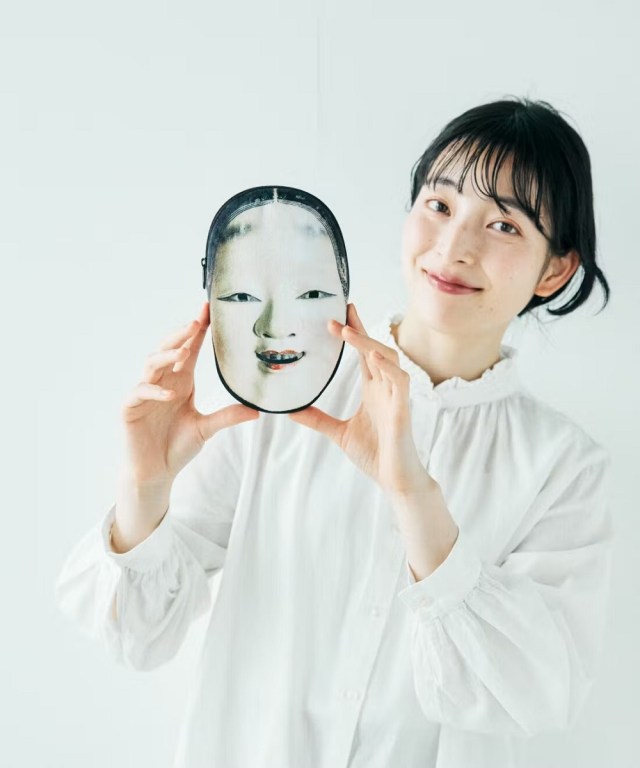
The Kasei mask is a masterclass in ambiguity. It depicts a young woman whose expression is designed to be "mood-responsive." Depending on the angle at which the pouch is viewed, the woman’s smile can appear demure and youthful or, under harsher lighting, cold and predatory. This specific design demonstrates the "transformative" nature of Noh masks that inspired the collaboration.
Supporting Data: Specifications and Craftsmanship
Felissimo’s commitment to quality is evident in the technical construction of these pouches. The brand did not merely print masks onto fabric; they engineered the pouches to mimic the three-dimensional depth of the original wood carvings.
- Dimensions: The pouches are roughly the size of a human face, offering significant internal volume for storage.
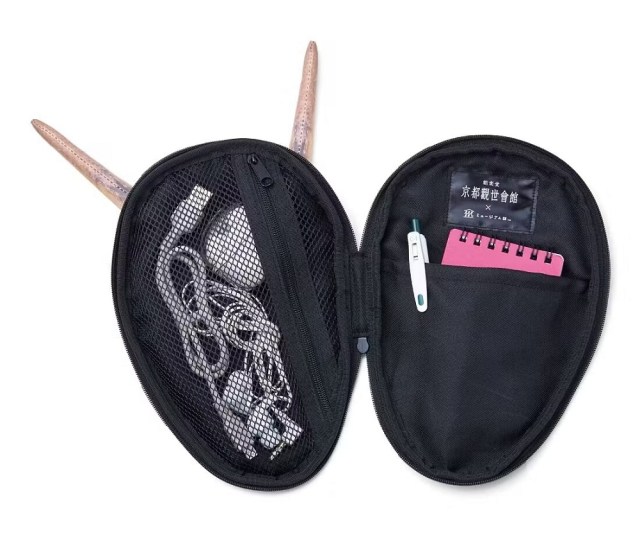
- Interior Architecture: Each pouch features multiple zippered compartments and interior pockets. This is a critical detail for the modern user, ensuring that while the exterior is a piece of historical theater, the interior remains a functional tool for organizing cosmetics, electronics, or stationery.
- Authenticity Markers: Perhaps the most impressive design choice is the interior lining and the backside of the pouches, which are designed to resemble the hollowed-out, sweat-stained, and weathered wood of an authentic, well-worn Noh mask.
Priced at 2,860 yen (approximately US$18.50), the pouches are marketed as affordable luxury—a way to own a piece of Japan’s intangible cultural heritage without the prohibitive cost of acquiring a genuine antique mask.
Official Responses and Cultural Significance
Representatives from the Kyoto Kanze Kaikan have noted that the partnership was intended to demystify Noh for a younger, digital-native generation. By placing these designs into the hands of the public—quite literally—the theater hopes to spark interest in the actual performances.
"Noh is not a static art form; it is a living, breathing tradition," a spokesperson for the collaboration stated. "By bringing the essence of these masks into daily life, we hope to bridge the distance between the historic stage and the modern living room."
Felissimo, meanwhile, continues to balance its reputation. While they are still releasing lighthearted, viral-worthy content—such as their recent "tastefully erotic" photo book featuring the Expo 2025 mascot, Myaku-Myaku—this collaboration represents a more serious, academic effort to integrate traditional crafts into the lifestyle sector.
Implications: The Intersection of Utility and Art
The success of the Noh mask pouches raises an interesting question about the future of "museum merchandise." As consumers become more fatigued by mass-produced, low-quality souvenirs, there is a growing market for items that are both deeply rooted in history and highly functional.
By choosing masks that are known for their "horror" or "intensity," Felissimo has tapped into a niche aesthetic that resonates with fans of dark academia and Japanese folklore. These pouches are not merely storage solutions; they are conversation pieces. To carry a Hannya-themed pouch is to carry the weight of a dramatic, centuries-old narrative.
However, the "horrifying" nature of the products also serves a psychological function. In a world of minimalist, beige, and highly sanitized design, the visceral, almost jarring presence of a Noh mask offers a break from the mundane. It forces an interaction with the object that is more than just tactile; it is emotional.
Conclusion
Whether you view them as practical organizers or as unsettling decorative pieces, the Felissimo x Kyoto Kanze Kaikan collaboration is a testament to the versatility of Japanese design. By taking the "sacred" and making it "available," the brand has ensured that the haunting beauty of the Noh theater can find a place in the modern world. For those interested in acquiring these pieces, they are currently available via the official Felissimo online store, inviting everyone to take home a piece of the stage—just be prepared for the mask to stare back at you from your shelf.












No comments yet. Be the first to join the conversation!