Basiran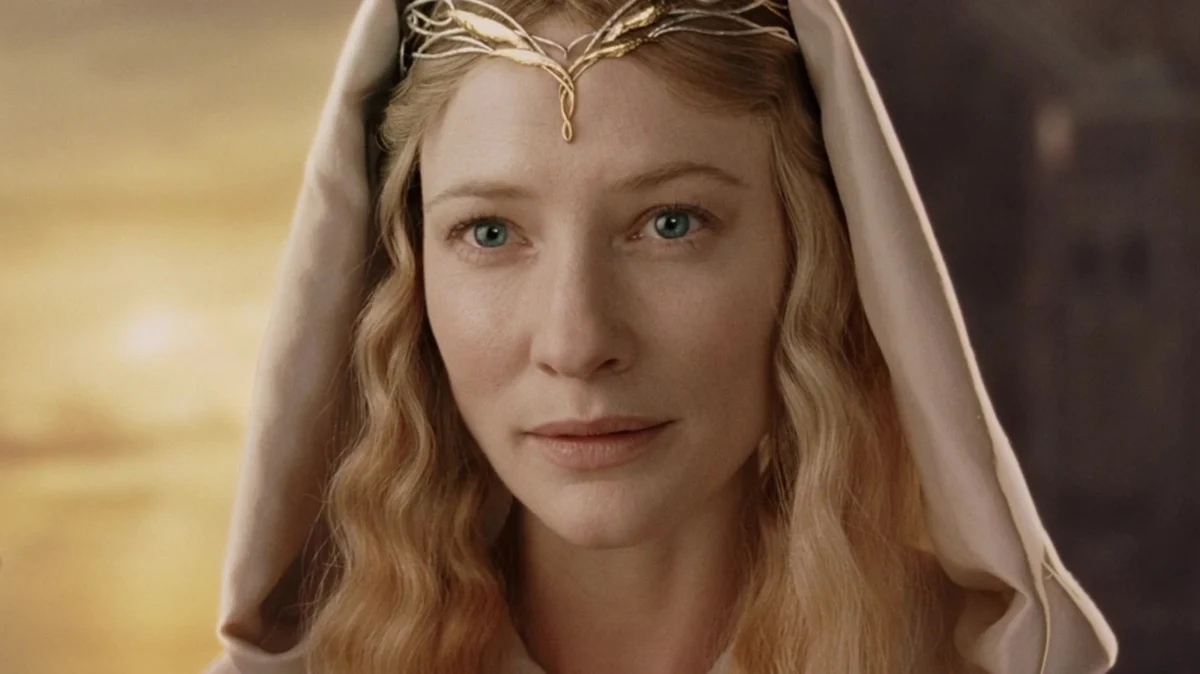
In the sweeping conclusion of J.R.R. Tolkien’s The Lord of the Rings, one of the most poignant images is the departure of the Elves from the Grey Havens. As the White Ship glides into the West, carrying luminaries like Galadriel, Elrond, and eventually Frodo Baggins, the narrative marks the definitive end of an era. For the casual viewer of Peter Jackson’s cinematic adaptations, this exodus might appear to be a melancholic but simple departure. However, for those who delve into the dense mythology of Middle-earth, the departure of the Elves is the culmination of thousands of years of existential fatigue, divine architecture, and the inevitable shift of world history from the magical to the mortal.
The Existential Weight of Immortality
To understand why the Elves leave, one must first understand the fundamental nature of their existence. In the legendarium of J.R.R. Tolkien, the Elves are the "Firstborn" children of Ilúvatar, the supreme creator of Arda. Unlike the "Second Born"—humanity—the Elves are bound to the world for as long as it exists. They are not merely long-lived; they are effectively immortal, their spirits and physical forms inextricably linked to the fabric of the Earth itself.
However, this immortality is not a static state of bliss. It is a burden. Throughout the ages, Elves experience the world with a heightened intensity that humans cannot fathom. They remember the sunlight of ages past, the songs of ancient forests, and the sorrow of every war they have survived. By the time the Third Age draws to a close, the world has become "tiresome" to them. They are not fleeing because they are defeated; they are leaving because they are weary of the decay inherent in a mortal, fallen world. They seek the Undying Lands of Valinor—a realm shielded from the ravages of time and the entropy that characterizes Middle-earth.
A Chronological Perspective: From Valinor to the Grey Havens
The history of the Elvish exodus is deeply rooted in the First Age, a period of cataclysmic wars against Morgoth, the original Dark Lord.
The Great Migration and the Exile
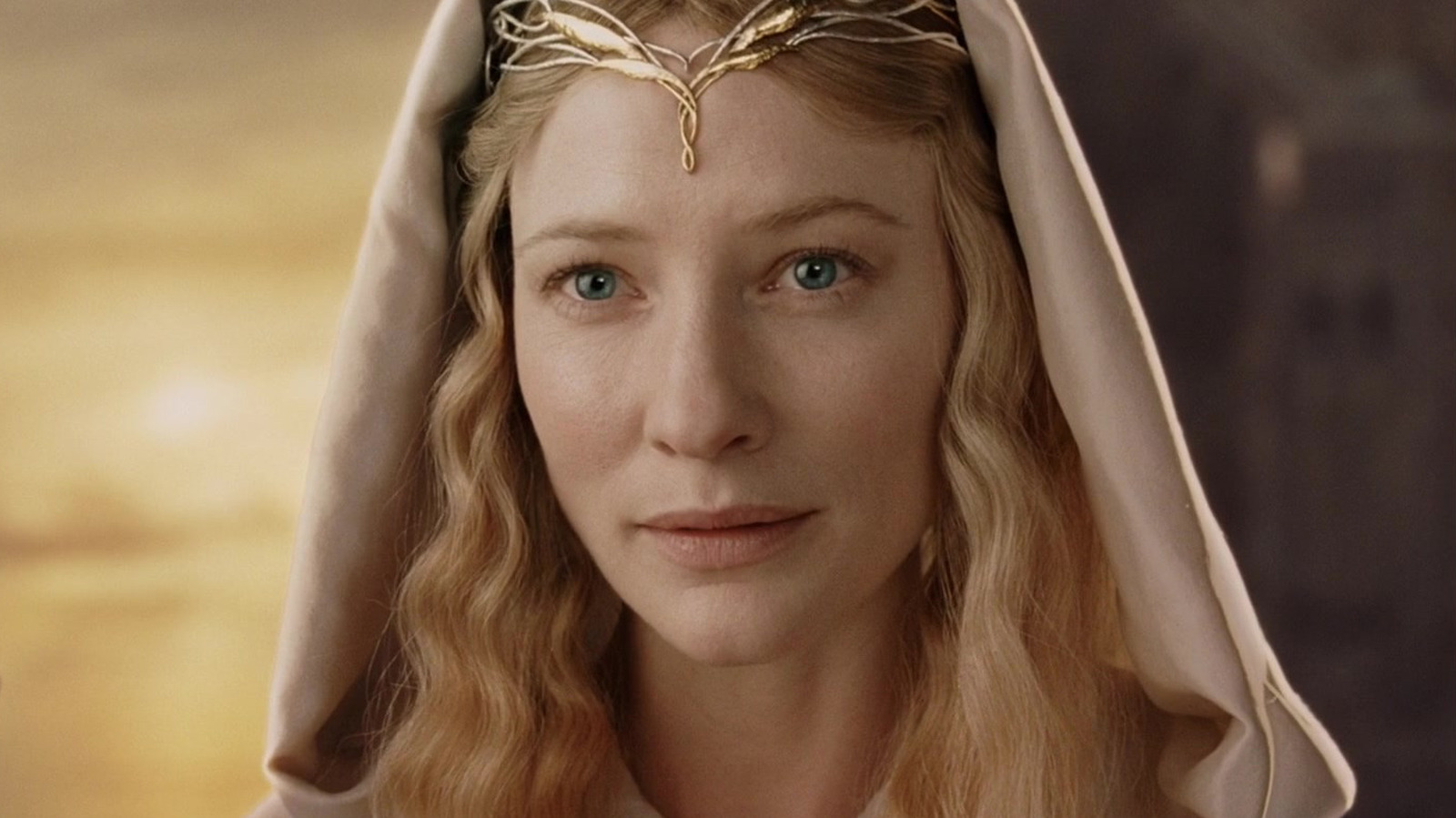
At the dawn of time, the angelic Valar—guardians of the world—invited the Elves to live in Valinor, a paradise across the sea. Many accepted, but others remained in Middle-earth. The conflict arose when a portion of the Noldor Elves, led by figures like Galadriel, defied the Valar to pursue Morgoth after he stole the Silmarils, the holy gems of their people. This act of defiance led to a long, bloody exile.
The Burden of History
Throughout the Second and Third Ages, these Exiled Elves acted as stewards of Middle-earth. They built great kingdoms like Lothlórien and Rivendell, using the power of the Three Rings of the Elves to preserve their lands against the passing of time. Yet, as Sauron’s influence waxed and waned, the effort required to "hold back the tide" exhausted them. The Rings of Power were intended to stop the world from fading, but they were also anchors that kept the Elves tethered to a realm that was increasingly hostile to their nature.
The Final Transition
With the destruction of the One Ring in the fires of Mount Doom, the power of the Three Rings evaporated. The "preservation" they offered ceased to function. For the Elves, this meant their sanctuaries would inevitably wither. Rather than witness the decay of their beautiful halls, they chose to accept the "stern counsel" that had been offered to them for millennia: to return to the West and find peace.
The Mechanics of "Fading": Why the Physical World Fails Them
One of the most complex concepts in Tolkien’s lore is the "fading" of the Elves. As they remain in Middle-earth, the distance between their spirit and their body grows.
The Biological Toll
Tolkien suggests that the physical bodies of the Elves are worn down by the experiences of the world. Because their spirits are so powerful and eternal, they eventually "consume" their physical forms. In the blessed environment of Valinor, this process is harmonious. In the "fallen" lands of Middle-earth, however, the process becomes painful and depleting. The Elves who linger too long eventually become invisible, spectral beings—shadows of their former selves—clinging to the world they once dominated.
The Rise of the Second Born
The departure of the Elves is also a divine necessity. Tolkien’s work is underpinned by a theological framework where the "Time of the Elves" must yield to the "Time of Men." Humanity, while mortal, is destined to inherit the earth. The Elves recognize this transition. By leaving, they allow humanity to take up the mantle of history without the overwhelming shadow of a superior, ancient race. It is a passing of the torch, a necessary step for the growth of the human spirit.
Official Perspectives: What Tolkien’s Letters Reveal
J.R.R. Tolkien was rarely satisfied with the ambiguity of his world. In his extensive correspondence with his publishers and fans, he frequently addressed the "Elvish problem." In one notable letter, he explained that the Elves’ desire to leave was not a rejection of Middle-earth, but a recognition that their role had been fulfilled.
He wrote: "The Elves were the ‘Firstborn,’ the ones who saw the light of the world before the sun. Their presence in the later ages is a lingering, a preservation of the past. To stay is to eventually vanish into nothingness; to go is to return to the source of their creation."
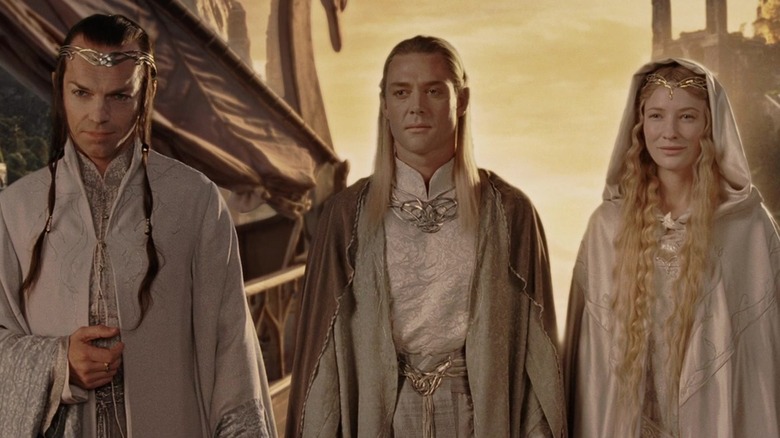
Furthermore, Tolkien noted that the "Grey Havens" served as a literal and metaphorical threshold. It was the place where the mortal world met the immortal one. The ships provided by the Círdan the Shipwright were the only vessels capable of crossing the "Straight Road" to Valinor, a path that became accessible only to those permitted by the Valar.
The Implications of the Exodus
The departure of the Elves fundamentally alters the landscape of Middle-earth in three major ways:
- The Loss of Magic: With the Elves go the songs, the enchantments, and the deep, ancient wisdom of the world. Middle-earth becomes a more mundane, "human" place.
- The Shift in Governance: As the Elven lords abdicate their positions, human kingdoms—such as the restored Reunited Kingdom under Aragorn—must navigate the complexities of ruling without the guidance of immortal mentors.
- A Cultural Melancholy: The departure leaves a void in the history of Middle-earth. The remaining inhabitants look to the West with a mix of reverence and loss, knowing that the "Elder Days" have closed for good.
Conclusion: A Graceful Exit
The departure of the Elves from Middle-earth is not a tragic story of abandonment, but a graceful exit from a stage they have occupied for far too long. They have fought the wars, sung the songs, and preserved the beauty of the world through the darkest of times.
When Galadriel and Elrond sail into the West, they are not just leaving behind a continent; they are completing the circle of their existence. They leave behind a world that is ready to grow on its own, a world that has been tempered by their presence but must now define its own future. For the Elves, the sea is not a barrier, but a homecoming—a return to the blessed realm where they can finally set down the burdens of history and rest in the eternal light of the West.


 Dwi Wanna
 Reynand Wu