

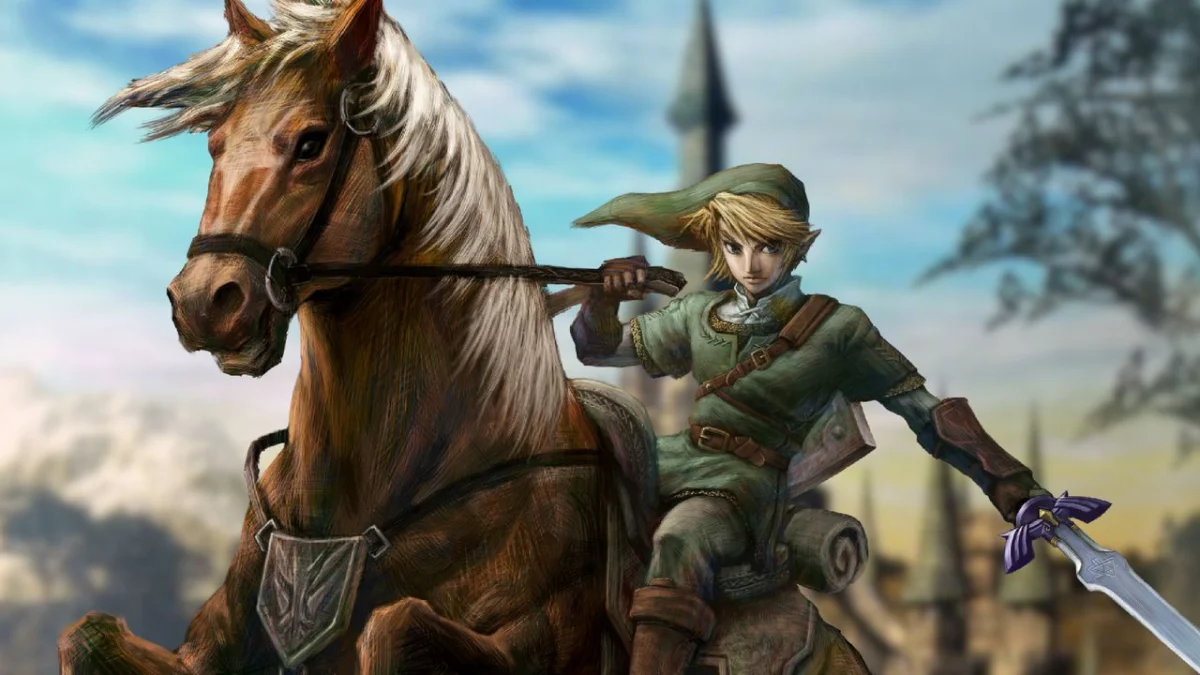
When The Legend of Zelda: Twilight Princess arrived on the GameCube and Wii in 2006, it felt like a deliberate pivot. Following the vibrant, cel-shaded whimsy of The Wind Waker, Twilight Princess leaned into a darker, more mature aesthetic—one that many fans interpreted as a direct spiritual successor to the legendary Ocarina of Time. While its expansive map and somber tone solidified this connection, there was a deeper, mechanical lineage at play. As it turns out, the game served as the long-overdue realization of a design goal that had been percolating in the mind of Shigeru Miyamoto since the N64 era: the ability for Link to engage in genuine combat while mounted on Epona.
The Genesis of an Idea: From N64 Dreams to GameCube Realities
The history of The Legend of Zelda is defined by its constant iteration on core gameplay loops. However, some ideas remain locked behind the technical limitations of their time. For Shigeru Miyamoto, the creator of the franchise, the vision of Link wielding a blade from the back of his iconic steed, Epona, was a persistent desire that predated the release of Twilight Princess by nearly a decade.
During the development of Ocarina of Time (1998), the team pushed the boundaries of what a 3D action-adventure game could be. While players could navigate the vastness of Hyrule Field on horseback, the interaction was limited. Link could fire arrows with impressive accuracy, but drawing a sword while riding was mechanically absent. This limitation wasn’t necessarily a failure of vision, but rather a byproduct of the technical constraints inherent in the Nintendo 64’s hardware and the complex animation requirements of synchronized horse-and-rider combat.
When Eiji Aonuma took the reins for Twilight Princess, he recalled Miyamoto’s persistent inquiries about mounted combat. As Aonuma noted in historical interviews regarding the game’s development, the feature was finally prioritized because Miyamoto’s desire for it had been voiced consistently across multiple projects. "This time I remembered that he mentioned it during Ocarina of Time," Aonuma explained, "so I suggested using this element in the new game. And Mr. Miyamoto wanted to see Link fight on horseback, so I added that."
Chronology of a Feature: The "Blades Will Bleed" Legacy
The inclusion of horseback combat was not just a side feature; it was a cornerstone of the game’s marketing. Long before the title Twilight Princess was officially unveiled, Nintendo teased the feature to a ravenous E3 audience in 2004.
The famous "blades will bleed" trailer did more than just signal a return to a "realistic" art style; it showcased Link charging headlong into groups of Bokoblins, sword outstretched, while Epona galloped through the tall grass of Hyrule Field. For many, this trailer was the defining moment of the game’s announcement. It promised a visceral, high-stakes experience that transformed the landscape of Hyrule from a mere transit zone into a living, breathing battlefield.
This shift in design philosophy marked a transition in how Nintendo handled the series’ open spaces. In Ocarina of Time, Hyrule Field was a hub—a central artery connecting various dungeons and towns. By introducing mounted combat, the developers effectively turned the field into an arena. The horse was no longer just a mode of transport; it was a combat companion. This mechanical shift forced players to think about movement, momentum, and positioning in a way that The Legend of Zelda had never previously demanded.
Supporting Data: Why the Illusion of Combat Persists
One of the most fascinating aspects of Ocarina of Time’s legacy is how effectively it masks its own limitations. Even today, veteran players often recall the game through a haze of nostalgia, leading many to falsely remember that they fought enemies while riding Epona.
This "Mandela Effect" within the gaming community speaks volumes about the quality of the game’s world-building. Because Ocarina of Time allowed for archery on horseback, the brain frequently fills in the blanks, assuming that swordplay must have been an option as well. It is a testament to the game’s immersion that players felt the action was "complete," even though they were restricted from engaging in melee combat while mounted.
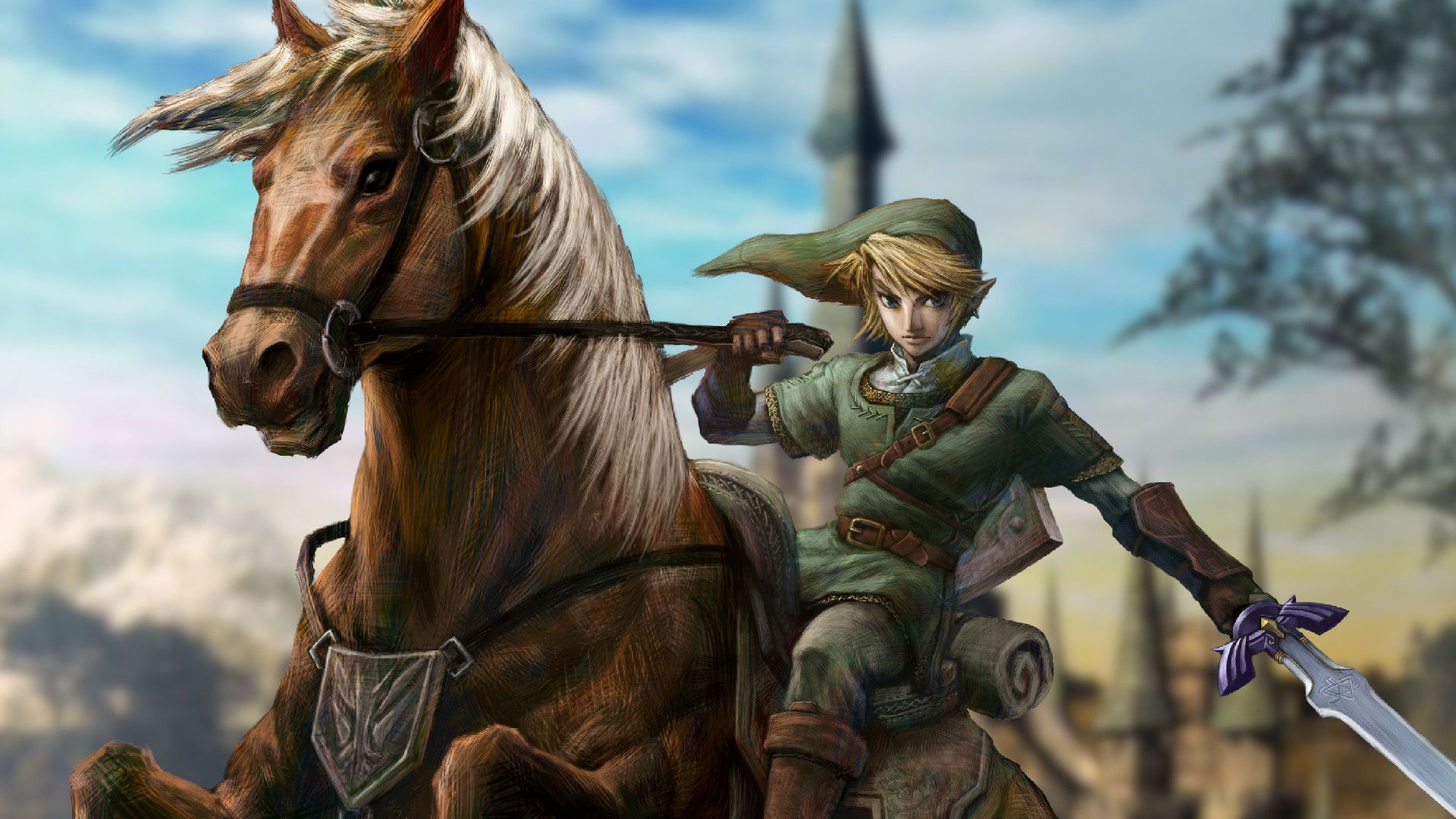
The absence of this feature in the N64 original highlights the technical chasm between the two generations. Transitioning from the N64 to the GameCube hardware allowed for more complex collision detection and animation blending. In Twilight Princess, the physics of the horse, the weight of the sword swing, and the reactive behavior of the AI enemies all had to be synchronized. The fact that this felt so "natural" upon release suggests that Nintendo had finally achieved the technical parity required to match Miyamoto’s original vision.
Official Responses and Creative Tension
The collaborative (and sometimes comical) relationship between Eiji Aonuma and Shigeru Miyamoto has long been a source of intrigue for fans. Aonuma’s admission that he sometimes couldn’t tell if Miyamoto was kidding—or if he was simply being persistent in his creative demands—sheds light on the iterative nature of Nintendo’s development process.
"I have a lot of communication with Mr. Miyamoto and sometimes I can’t tell if he is kidding," Aonuma stated in a 2004 interview, reflecting on the process of implementing features based on the creator’s whims. "But sometimes he mentions things so many times that I think maybe he really wants to do it."
This tension between the producer and the creator is likely what drove the series forward. Miyamoto’s role was often that of the "dreamer," providing the high-level concepts, while Aonuma served as the architect, figuring out the logistics of how to make those dreams functional within the rigid constraints of a game engine. The successful implementation of mounted combat in Twilight Princess stands as a prime example of this dynamic: a persistent request from the creator that eventually became a foundational element of the game’s identity.
Implications for the Future: Remakes and Revivals
As the industry looks toward the possibility of a remake for Ocarina of Time—a topic that has been the subject of relentless speculation and rumors for years—the question arises: should a modern remake include features that were technically impossible in 1998?
If Nintendo were to revisit the N64 classic with the polish of a modern engine, the addition of mounted swordplay would be the most logical "quality of life" upgrade. It would serve as a bridge between the classic experience and the mechanical advancements seen in later titles like Twilight Princess and Breath of the Wild.
However, there is a risk in retrofitting new mechanics into established masterpieces. The deliberate pace of Ocarina of Time is part of its charm. To add mounted combat would be to fundamentally change the way the player interacts with Hyrule Field. Yet, given Nintendo’s penchant for surprise and its tendency to revisit its own history, it is not outside the realm of possibility that the "definitive" version of Ocarina of Time could finally allow Link to swing his sword from Epona’s back, fulfilling Miyamoto’s decades-old dream once and for all.
Ultimately, Twilight Princess succeeded not just because it was a "grown-up" Zelda, but because it dared to refine the small, subtle details that had been missing from the series’ past. By finally allowing Link to fight from horseback, Nintendo proved that even the most legendary titles could be improved by listening to the persistent, often humorous, and always ambitious ideas of their creators. Whether or not that feature ever makes its way into an Ocarina remake, it remains a defining moment in the evolution of Hyrule’s most iconic duo.











No comments yet. Be the first to join the conversation!