By Bethany Allard
June 27, 2026
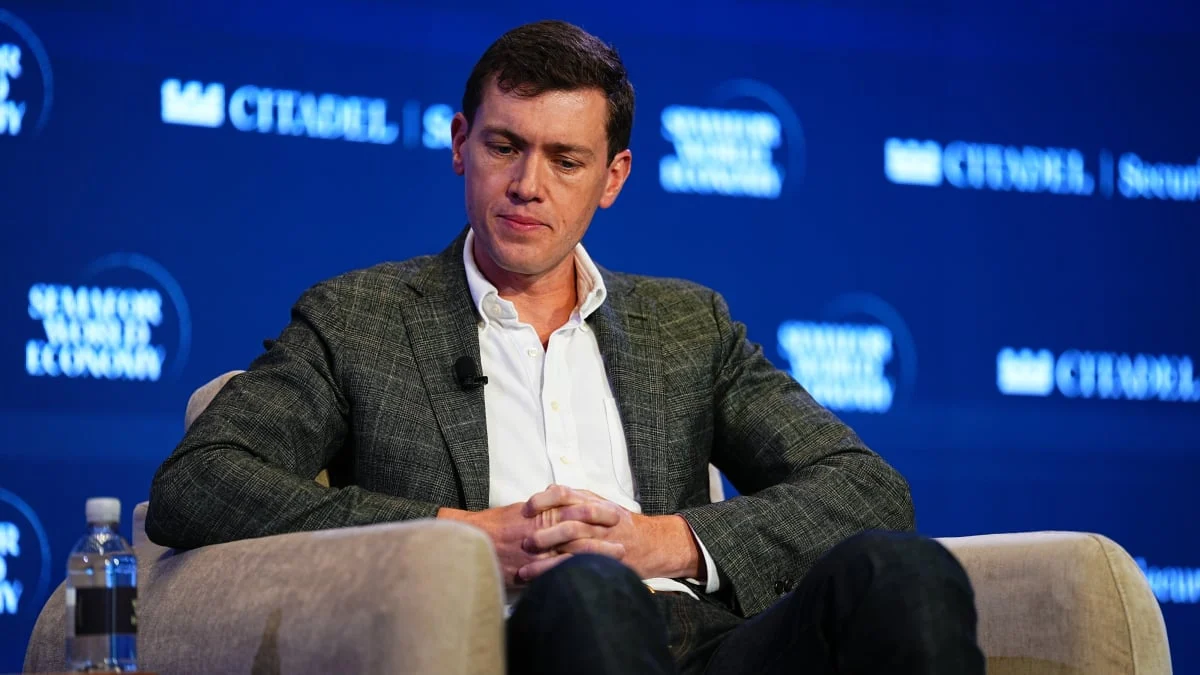
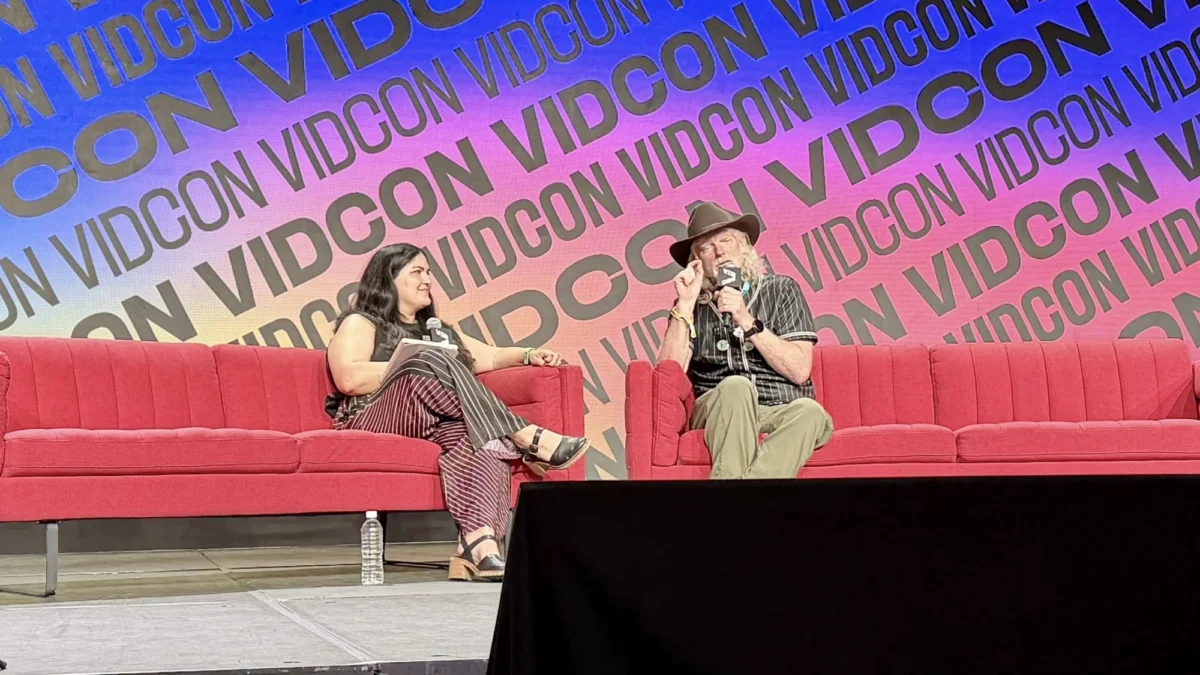
At the 2026 VidCon summit in Anaheim, the digital landscape feels more crowded and competitive than ever. Yet, amidst the cacophony of short-form video apps and algorithmic feeds, Twitch CEO Dan Clancy maintains a singular, unwavering focus: the power of human community. In a wide-ranging fireside chat titled “Why Live is the Future of Connection: From Passive Scrolling to Real Connection,” Clancy argued that the era of passive, isolated content consumption is reaching a breaking point, and that the future of the internet lies in the deliberate, shared experience of live streaming.
The Anti-Social Nature of Modern Social Media
For years, the tech industry has chased the dopamine loop of the "infinite scroll." Apps like TikTok and Instagram have optimized the user experience for speed, volume, and passive consumption. However, Clancy suggests that this hyper-optimization has come at a significant cost to the human experience.
"Social media, interestingly, has become anti-social," Clancy told the audience at VidCon. "It started as a technology that connected us with people, but now, sitting and swiping actually leaves you a little more isolated. It doesn’t make you feel connected, and that’s why live is coming on strong now."
Clancy’s critique strikes at the heart of the "creator economy." While short-form platforms excel at rapid-fire entertainment, they often treat the audience as a number to be monetized via views. Twitch, by contrast, relies on a synchronous model. When a viewer logs onto a stream, they aren’t just watching a video; they are entering a digital room, joining a conversation, and participating in a shared moment that is happening in real-time. This dynamic fosters a level of psychological investment that algorithms simply cannot replicate.

The "Sports Model" of Digital Community
To understand why Twitch persists in a market obsessed with short-form content, Clancy draws an analogy to traditional sports. Many might assume that the appeal of a professional football game lies solely in the athletic prowess on display. Clancy argues otherwise.
"People often think sports are about watching the world’s best athletes. It’s not about that at all. It’s about community, right? It’s about shared identity," he explained. "Twitch is the same thing. The affinity you’re gathering around is a streamer, but then you form these bonds horizontally. The same thing that happens in stadium stands happens in our chat boxes."
This horizontal connection—the bond between viewers—is the "secret sauce" of the platform. Unlike a recorded video, where a comment left by a user feels like a shout into the void, a Twitch chat is a living, breathing entity. When a streamer takes a break, the audience doesn’t just disappear; they stay to converse with one another, maintaining the community structure even in the absence of the primary content creator.
Discoverability: The Eternal Dilemma
Despite the platform’s strength in community building, the "discoverability" crisis remains a thorn in the side of Twitch’s mid-tier and smaller creators. Unlike YouTube, which utilizes a sophisticated, aggressive recommendation engine to surface new content, Twitch has historically been criticized for a "static" home page that makes it difficult for new streamers to break through.
Clancy admits this is a conscious design choice, albeit one that is evolving. "If I said, ‘I’m going to solve the discovery problem,’ the only way I could fully solve it is by taking viewers off your page, putting more stuff on your page to distract them, and pulling them away from you," Clancy noted. "And that is exactly what our creators don’t want."

For a streamer, the most valuable asset is the retention of the viewer. If the platform is constantly nudging the user to click away to a different stream, it weakens the community bond that Twitch prides itself on. However, acknowledging the friction this causes for growth, Twitch is pivoting toward a hybrid approach. The company is currently investing in a feature called "Recaps"—an evolution of the site’s existing story feature. Recaps are designed to showcase short-form clips selected by the streamer, allowing for easier discovery without stripping the viewer away from the streamer’s core ecosystem.
"I think the thing that will benefit our creators the most is if the creators are able to easily create short-form content and viewers are watching it more on Twitch," Clancy said. The strategy is clear: use short-form content as a "discovery funnel" to lead users into the "emotional connection" of long-form, live broadcasts.
Generative AI: Friend or Foe?
As generative AI begins to permeate every aspect of content creation, questions regarding the role of AI-generated "channels" on Twitch have surfaced. Clancy remains pragmatic. While some AI-driven channels have appeared, he views them as a novelty rather than a replacement for human creators.
"For the time being, it’s limited to a handful that are clearly identifiable as AI, and in my opinion, they aren’t engaging enough to hold a viewer’s attention for the same amount of time as a human creator," Clancy noted.
However, he is bullish on AI as a utility for the platform. Specifically, he sees potential for large language models to upgrade "AutoMod," Twitch’s tool for flagging and holding inappropriate messages. By leveraging AI to better understand the nuances of chat behavior, Twitch hopes to foster safer environments for both streamers and viewers, reducing the moderation burden on creators.

A Growing Ecosystem Beyond Gaming
While Twitch’s DNA is inextricably linked to the gaming industry, the platform’s evolution over the last few years has been profound. The "Just Chatting" category and the rise of IRL (In Real Life) streaming have expanded the demographic far beyond the traditional gamer.
"Now, when I meet an actor or a musician, almost 70 percent of the time when they hear I’m the CEO of Twitch, they go, ‘Oh, yeah, I’ve been thinking I should do something,’" Clancy said. This diversification is essential to Twitch’s long-term viability, transforming the platform from a gaming niche into a broader cultural town square for artists, educators, and even non-profits like animal sanctuaries.
Safety and the Legacy of TwitchCon
Perhaps the most critical challenge facing the platform is safety. Following the backlash regarding security at previous events, including the 2025 TwitchCon, the platform is under intense scrutiny. High-profile creators such as Hasan Piker, Valkyrae, and QTCinderella have previously expressed concerns, and the pressure is on the company to ensure that the physical manifestation of the Twitch community is as secure as the digital one.
Clancy is emphatic that the lessons of the past have been internalized. "We’ve updated how we do meet and greets so that they’re more structured," he explained. "We don’t allow signups on the day of; you have to reserve a spot. It restricts it a little bit, but it restricts us in a way to protect the creators."
Clancy believes these measures will restore confidence. "I feel very confident about where we’re at right now in terms of our ability to make sure something like that doesn’t happen again."

Implications for the Future of Content
The tension between the passive, algorithmic consumption of the "TikTok era" and the active, intentional community-building of Twitch will likely define the next decade of digital culture. As platforms like TikTok and Instagram continue to push the limits of short-form, rapid-fire content, they are creating a vacuum for users who crave deeper, more sustained human connections.
Twitch’s path forward is not to become a replica of these platforms, but to lean into its identity as a "third space"—a location outside of home and work where people congregate for a shared purpose. By empowering creators to build long-form relationships while providing the safety and tools to sustain them, Twitch is betting that the novelty of the scroll will eventually give way to the enduring value of the live experience.
As VidCon 2026 continues, the consensus among creators is clear: the platforms that succeed in the coming years will not necessarily be the ones with the most users, but the ones with the most meaningful bonds. For Dan Clancy and Twitch, the goal is not to win the race for the most eyeballs, but to win the race for the most meaningful minutes. In an increasingly lonely digital world, that may be the most important goal of all.