

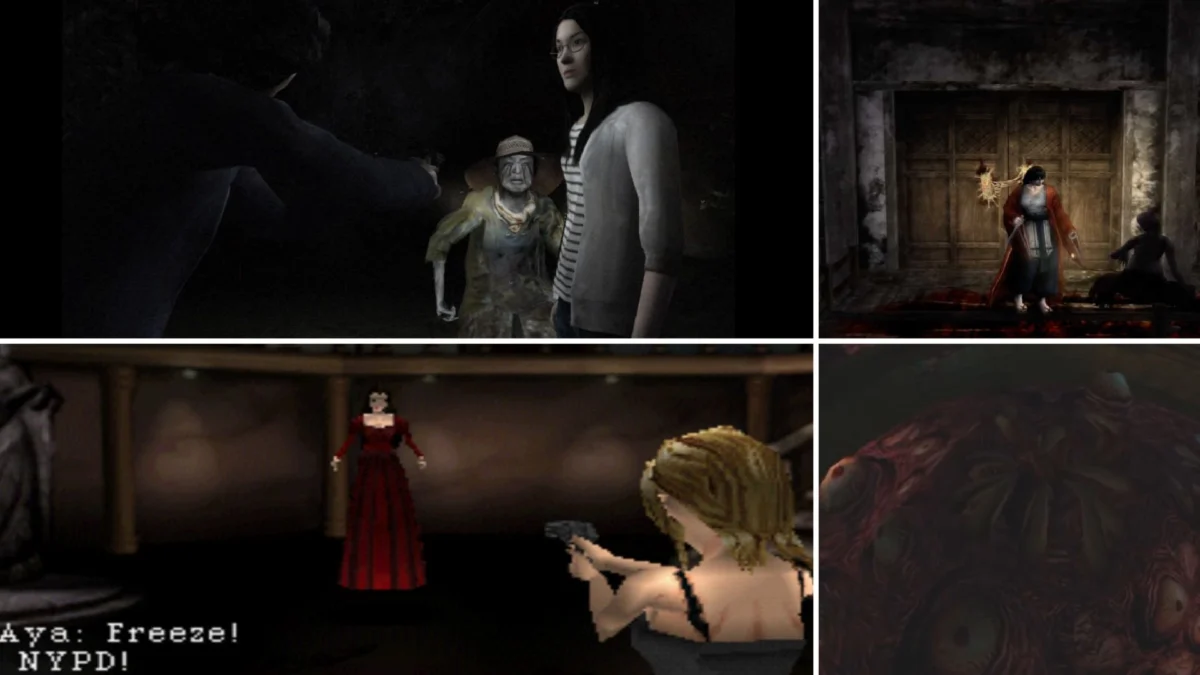
The landscape of modern gaming has been defined, in large part, by the "Remake Renaissance." With the massive critical and commercial success of titles like Resident Evil 2 Remake and the Silent Hill 2 Remake, developers have rediscovered the goldmine hidden within the archives of the late 90s and mid-2000s. However, while the giants of the industry receive the high-definition treatment, a collection of cult classics, experimental masterworks, and genre-bending oddities remains trapped in the purgatory of legacy hardware.
These titles are not merely relics of a bygone era; they are blueprints for mechanics, atmospheres, and narrative risks that modern developers are still trying to perfect. As we look at the current state of survival horror, it is clear that these ten games deserve a seat at the table, whether through a ground-up reimagining or a polished, accessible remaster.
The Case for Preservation: Why These Games Matter
The primary driver behind the call for remakes is accessibility. Many of the games listed below are locked to consoles like the PlayStation 2 or the Nintendo GameCube, often suffering from "collector’s pricing" that makes them prohibitively expensive for the average player. Furthermore, the "jank"—the clunky tank controls, obscure inventory management, and low-resolution textures—acts as a barrier to entry that prevents modern audiences from experiencing the brilliance of the underlying design.
Beyond simple preservation, these games represent a period of high-risk experimentation. Before the industry consolidated into hyper-polished, predictable blockbuster loops, developers were taking wild swings with sanity mechanics, unconventional combat, and meta-narrative storytelling.

1. Siren (2004) – The Masterclass in Atmosphere
Developed by Japan Studio and helmed by Keiichiro Toyama, the creative mind behind the original Silent Hill, Siren is perhaps the most unfairly overlooked title in horror history. Set in the eerie, fog-drenched village of Hanuda, the game utilizes a unique "sight-jacking" mechanic that allows players to see through the eyes of their pursuers.
The Need for a Remake: While Siren is a masterpiece of dread, its controls are notoriously rigid, and its trial-and-error gameplay can be punishingly opaque. A remake could refine the stealth-focused mechanics and smooth out the clunky interaction menus, finally allowing the game’s deeply unsettling "Kaidan" (Japanese ghost story) narrative to resonate with a wider audience without the frustration of 2004-era UI.
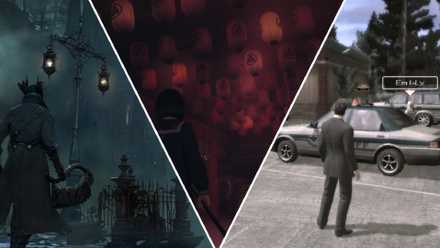
2. Resident Evil: Outbreak (2003) – The Multiplayer Frontier
Long before the current era of asymmetrical multiplayer horror, Resident Evil: Outbreak attempted to bring the survival horror formula into the online space. It featured a cast of ordinary civilians struggling to survive the Raccoon City catastrophe, each with unique skills and flaws.
The Need for a Remake: The servers for Outbreak were shut down long ago, rendering the game a shell of its intended self. With the recent success of Resident Evil: Requiem and modern improvements in networking technology, a remake that restores the cooperative tension of the original—while fixing the limitations of the classic AI—would be a monumental success for Capcom’s ongoing franchise revival.
3. Kuon (2004) – FromSoftware’s Hidden Horror
Before they redefined the action-RPG genre with Dark Souls, FromSoftware dipped their toes into the survival horror genre with Kuon. Set in the Heian period of Japan, the game is a masterclass in period-accurate horror, blending traditional folklore with oppressive, claustrophobic level design.
The Need for a Remake: Kuon is currently one of the most expensive and elusive games on the secondary market. A modern release would introduce a new generation to FromSoftware’s early penchant for grim, atmospheric world-building. A remake should preserve the fixed camera angles that defined its cinematic pacing, while updating the combat to feel less cumbersome.
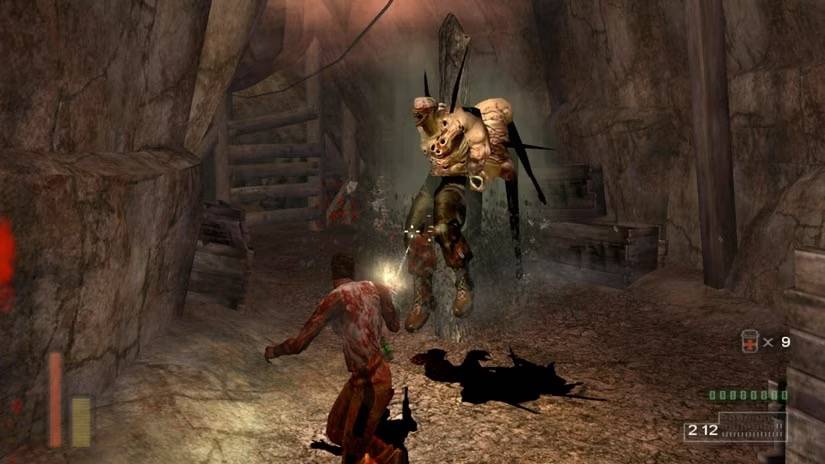
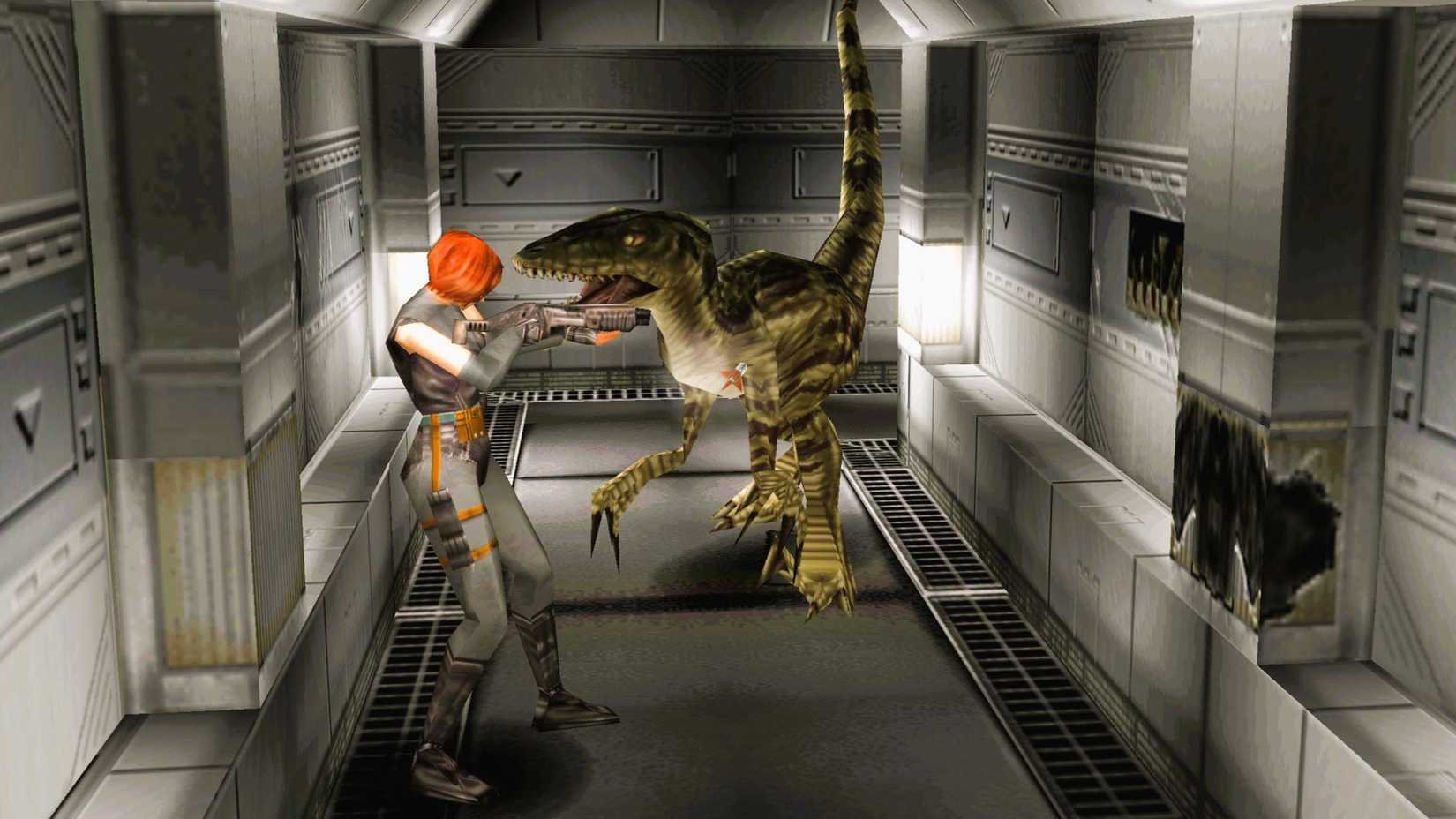
4. Dino Crisis (1999) – The Ultimate Survival Thriller
If Resident Evil is about the slow dread of the undead, Dino Crisis is about the primal, heart-pounding terror of being hunted by apex predators. Created by Shinji Mikami, it combined the tense resource management of classic Resident Evil with the high-octane threat of prehistoric monsters.
The Need for a Remake: The market is starving for a high-quality dinosaur horror game. With current-gen graphical fidelity, the threat of a Velociraptor stalking the player through a high-tech facility could be one of the most terrifying experiences in gaming. The community demand is palpable, and a remake would act as a perfect bridge between classic survival horror and modern action-thrillers.
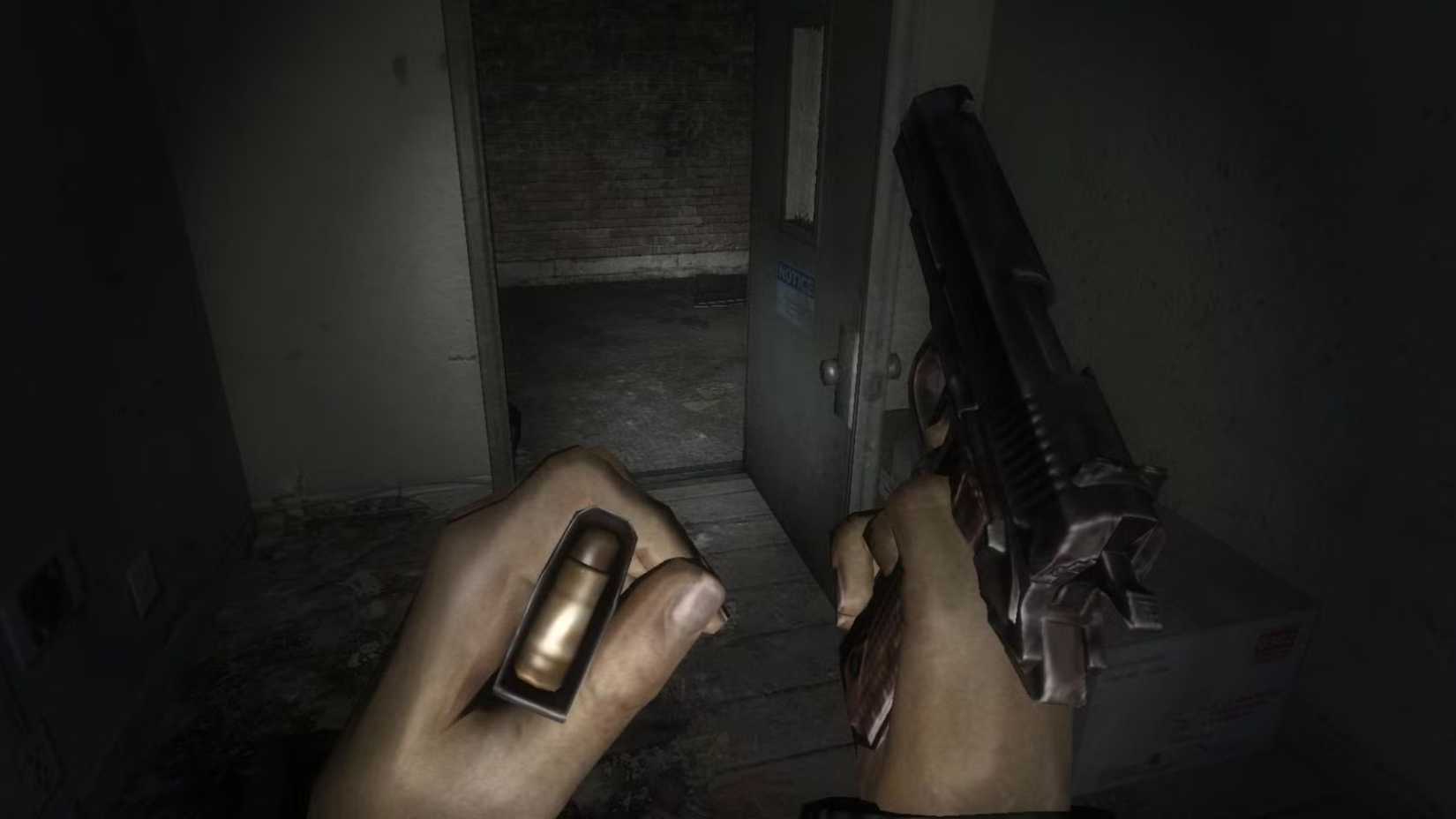
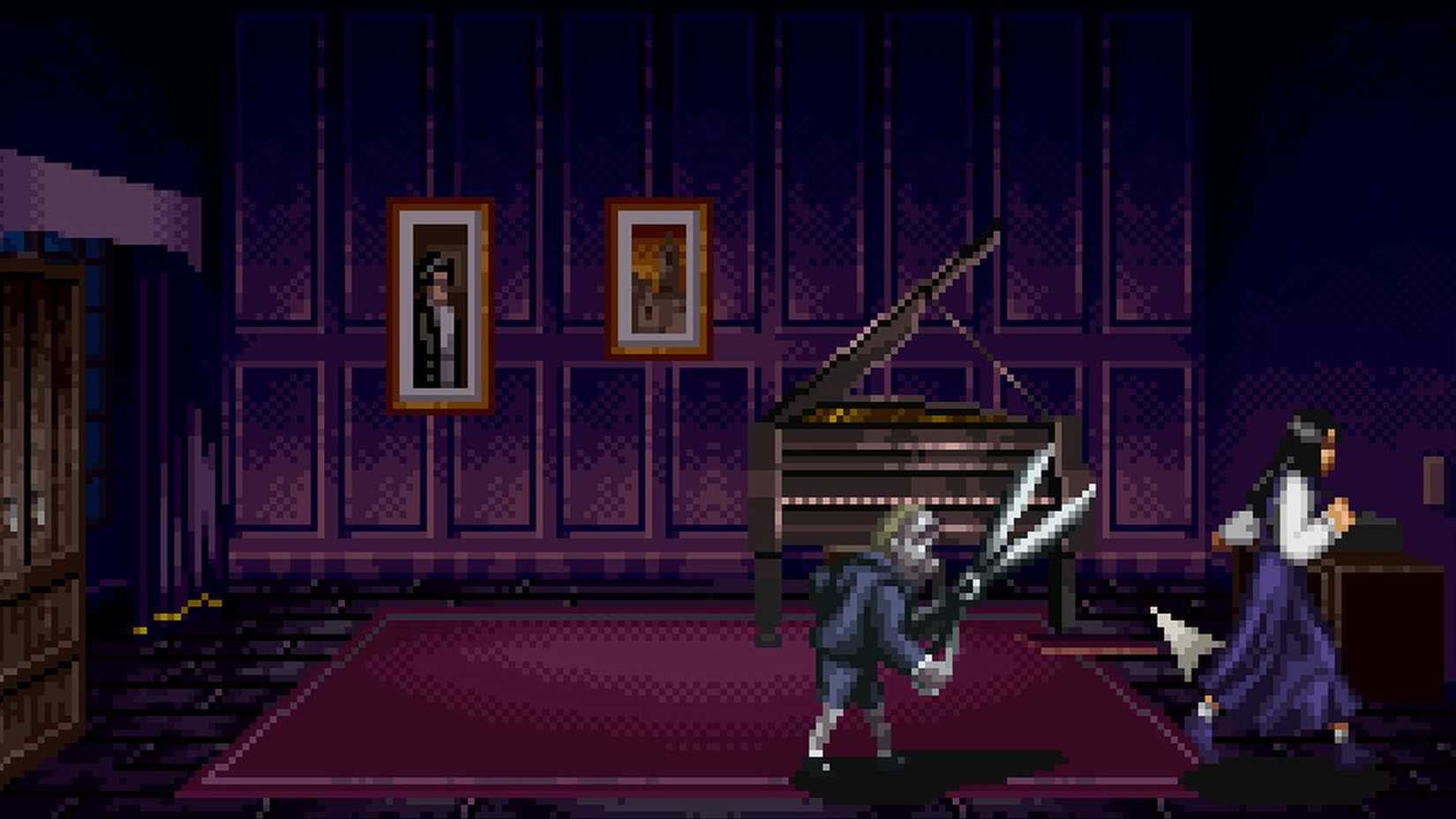
5. Clock Tower (1995) – The Pioneer of Stalking Horror
The Clock Tower series, specifically the original 16-bit title and its successors, laid the foundation for the "stalker" genre. The constant presence of the Scissorman is a trope that persists in games like Alien: Isolation and Remothered today.
The Need for a Remake: While Clock Tower: Rewind offered a touch-up of the original, a full 3D, from-the-ground-up remake would allow developers to lean into the psychological horror of the Scissorman. Seeing this iconic villain reimagined with modern lighting and physics would cement his place in the pantheon of horror icons.

6. Eternal Darkness: Sanity’s Requiem (2002) – Breaking the Fourth Wall
Few games have been as ambitious as Eternal Darkness. It famously featured a "Sanity Meter" that, when depleted, would trick the player into thinking the game was crashing, deleting their save, or lowering the volume of their television.
The Need for a Remake: The meta-narrative potential of Eternal Darkness is even higher today. Modern consoles and integrated OS features could allow for even more sophisticated "glitch" scares. It remains a GameCube exclusive, and its innovative structure deserves to be experienced by a generation raised on modern psychological horror.
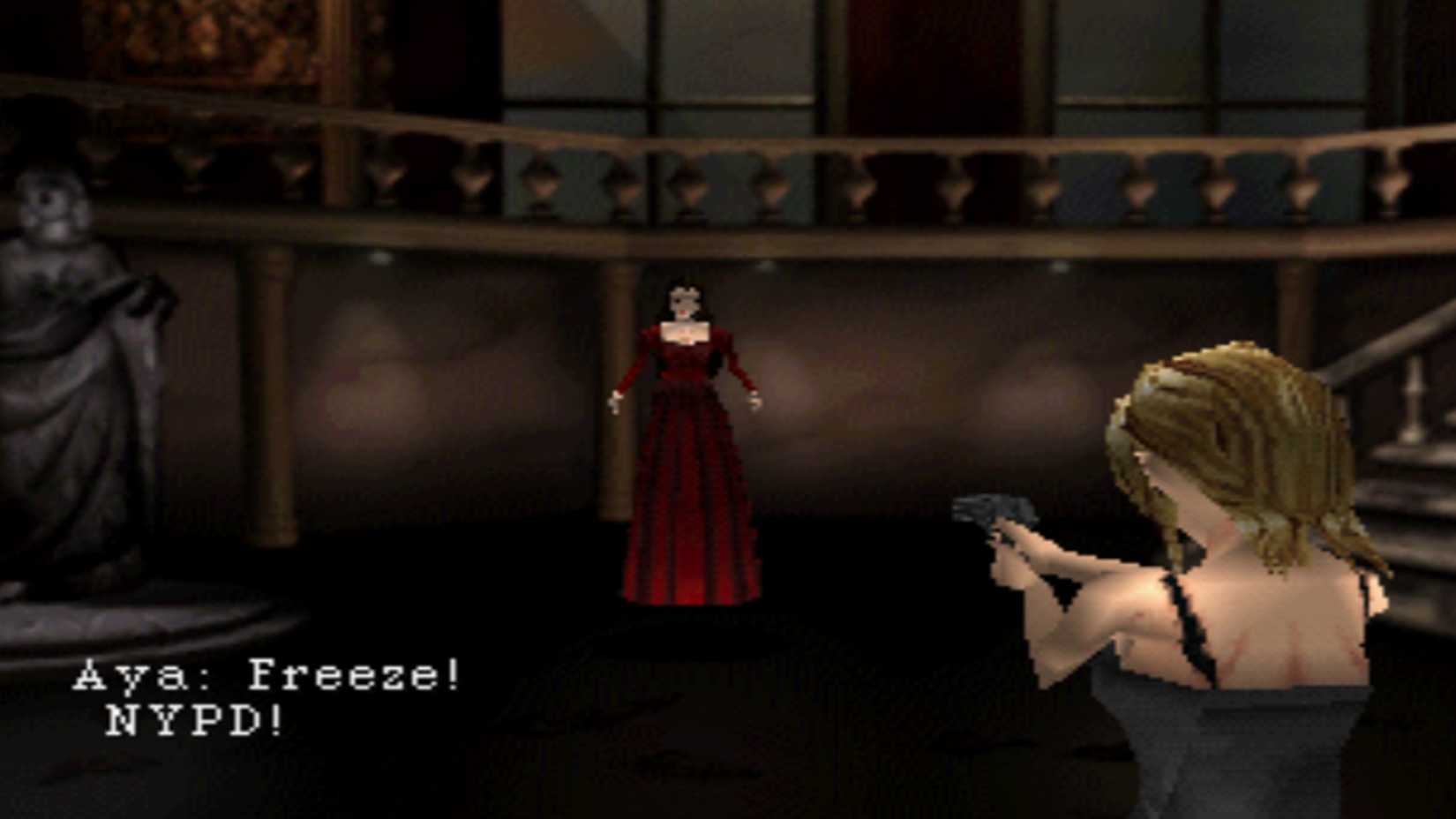
7. Parasite Eve (1998) – The Genre Hybrid
Parasite Eve remains a singular entity: a cinematic, horror-infused JRPG set in modern-day New York. It merged the tactical depth of role-playing games with the pacing and resource scarcity of survival horror.
The Need for a Remake: RPGs are currently the dominant force in the gaming industry. A remake of Parasite Eve would capitalize on this popularity, offering a fresh, mature narrative that stands apart from the high-fantasy tropes typical of the genre. Square Enix has a massive back-catalog, but few titles carry the unique, chilling appeal of Aya Brea’s battle against Eve.
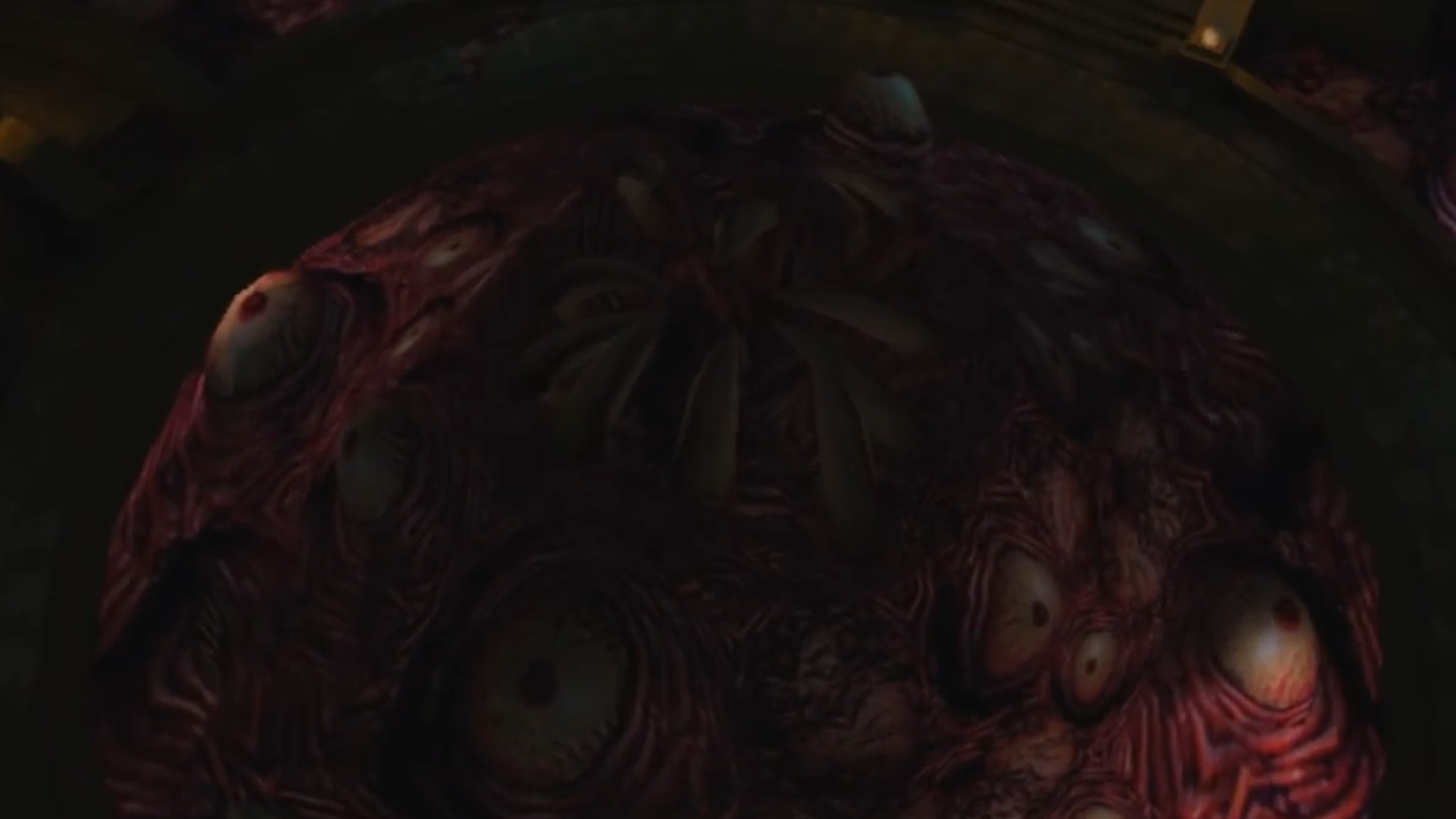
8. Condemned: Criminal Origins (2005) – Visceral Brutality
Monolith Productions’ Condemned was a revelation in first-person combat. It prioritized melee encounters and forensic investigation, creating a gritty, grounded atmosphere that felt far more dangerous than any gun-focused shooter.
The Need for a Remake: Since the title was delisted from digital storefronts, it has been essentially inaccessible. The industry is currently missing a high-quality, forensic-focused horror investigation game. A remake could revitalize the "dirty" aesthetic of the mid-2000s while refining the bone-crunching combat that made the original so memorable.
9. The Suffering (2004) – Psychological Commentary
Set in the brutal confines of a maximum-security prison, The Suffering used its monstrous enemy designs to comment on the ethics of the penal system and the nature of capital punishment.
The Need for a Remake: The societal conversations surrounding the prison system have evolved significantly since 2004. A remake could modernize this commentary while updating the "monster-morph" mechanic, which allowed the player to take on a demonic form, effectively making them the very thing they feared.
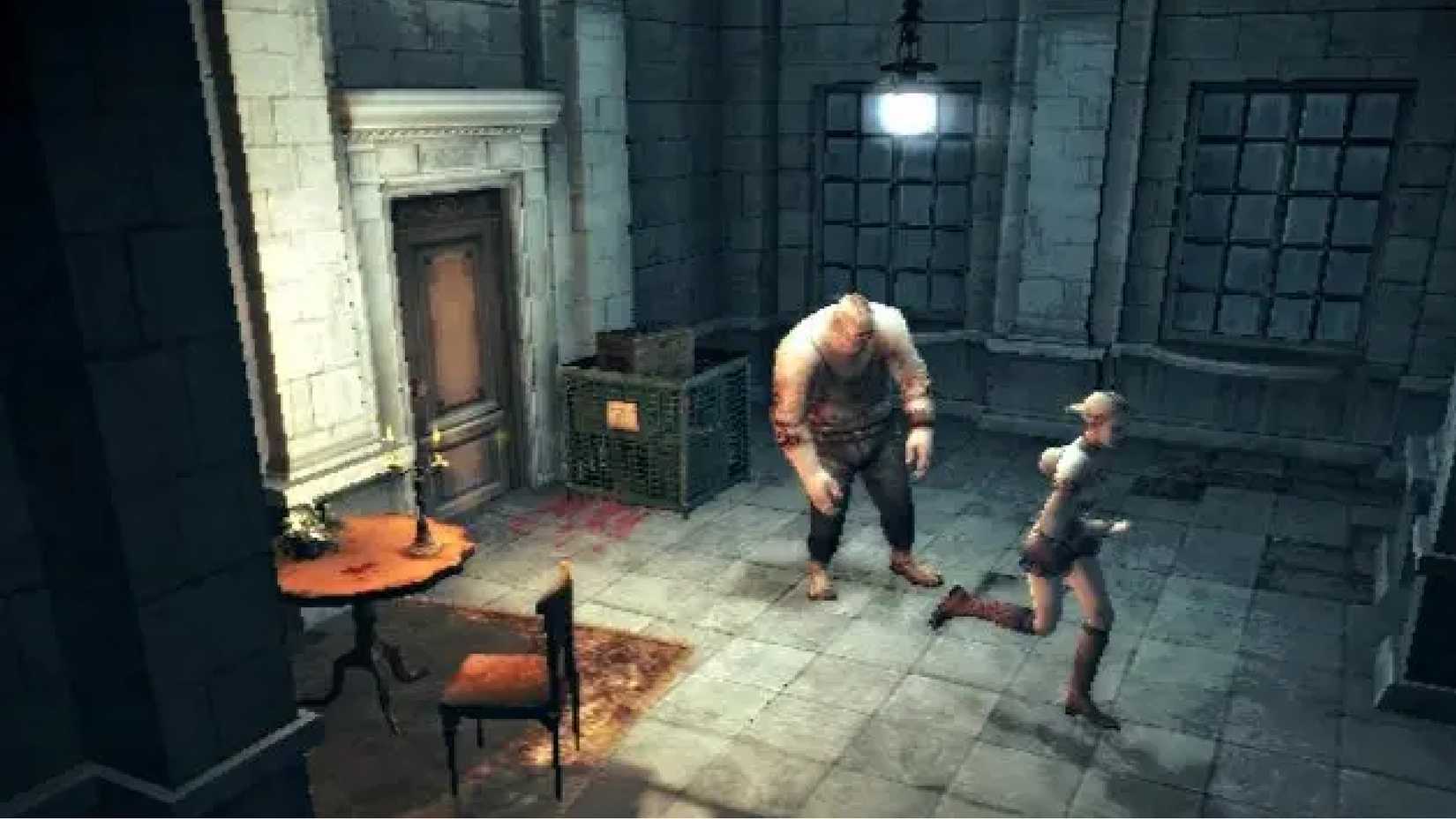
10. Haunting Ground (2005) – The Power of Partnership
Haunting Ground is a unique entry in the genre, focusing on a protagonist who cannot fight back. Instead, she must rely on her canine companion, Hewie, to help her solve puzzles and escape pursuers.
The Need for a Remake: The bond between player and companion is a core mechanic in many successful games today, yet Haunting Ground remains the gold standard for how to integrate a non-human partner into a horror experience. A remake would allow for more sophisticated AI for Hewie, creating a more realistic and emotionally resonant dynamic that modern players crave.
Conclusion: The Path Forward
The horror genre is currently in a state of high creative output, yet there is an undeniable gap where these classics reside. These ten titles are not just "old games"—they are formative experiences that shaped the fears and expectations of a generation. By revisiting these worlds, developers have the opportunity to prove that horror is a genre where the past does not simply stay buried; it returns, often more terrifying and relevant than ever before. Whether through a faithful remaster or a bold, new interpretation, the time has come for these obscure nightmares to wake up once more.









No comments yet. Be the first to join the conversation!