

By Hamlin Rozario | May 17, 2026
For years, the enthusiast community has held a singular, persistent request for AMD: stop the "CCD dance." Ever since the debut of the Ryzen 9 7950X3D, users have been forced to rely on complex Windows scheduler logic and chipset drivers to ensure that their games favored the CCD (Core Complex Die) equipped with the company’s proprietary 3D V-Cache. While this architecture successfully blended high-speed productivity cores with gaming-optimized hardware, it created a dependency on software that often felt fragile.
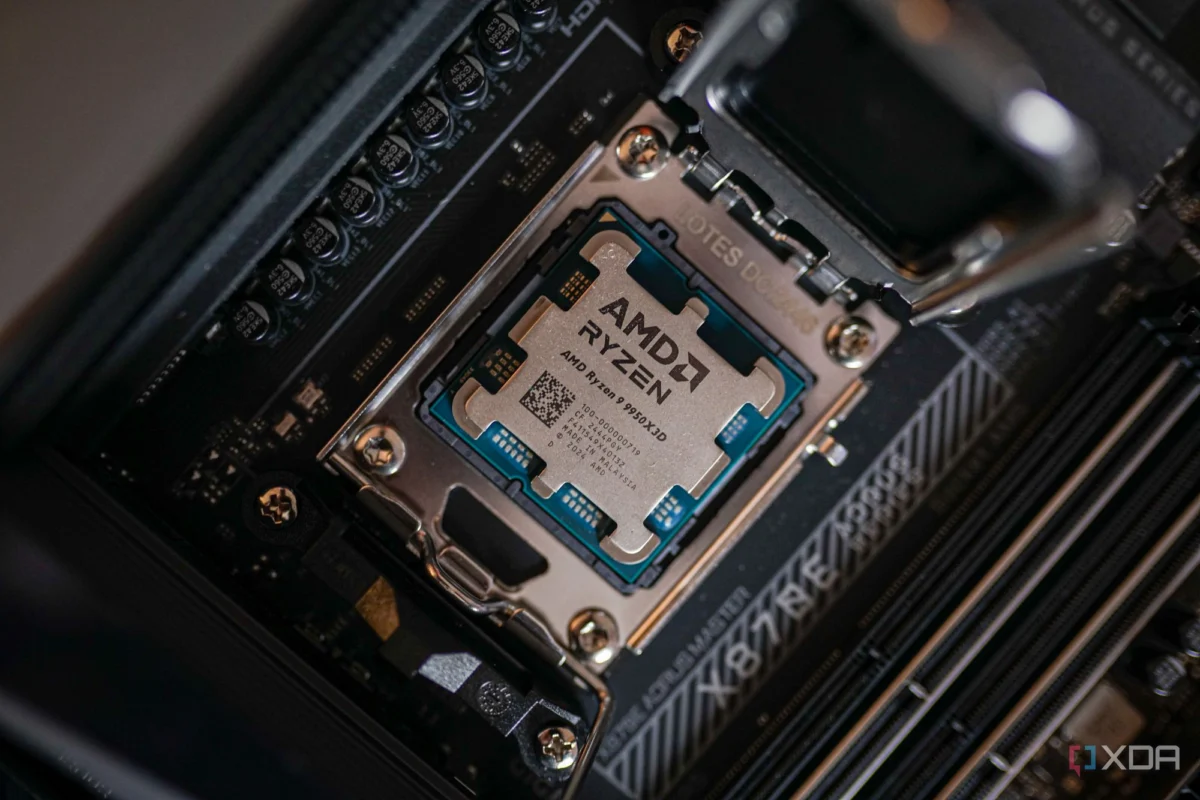
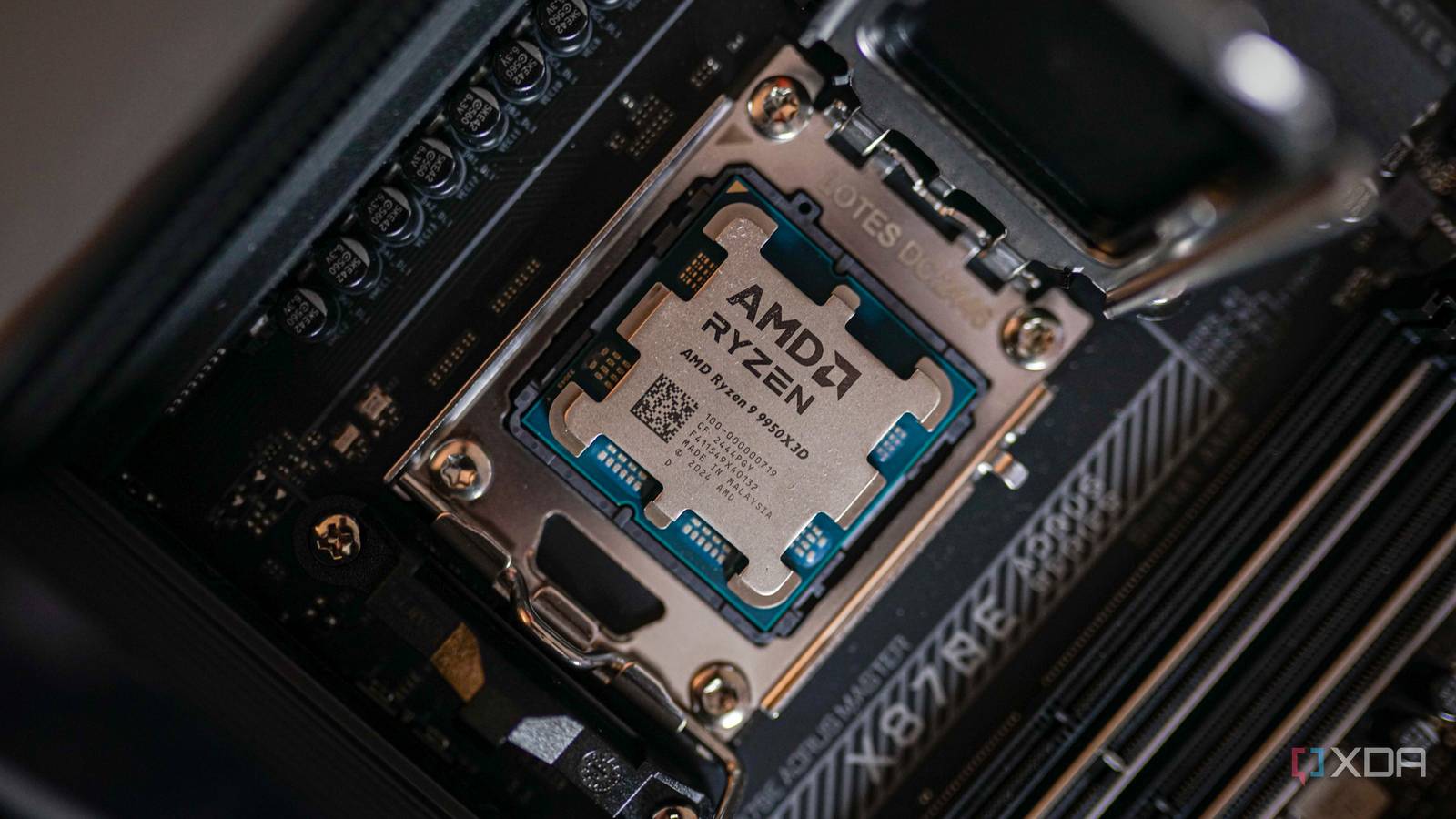
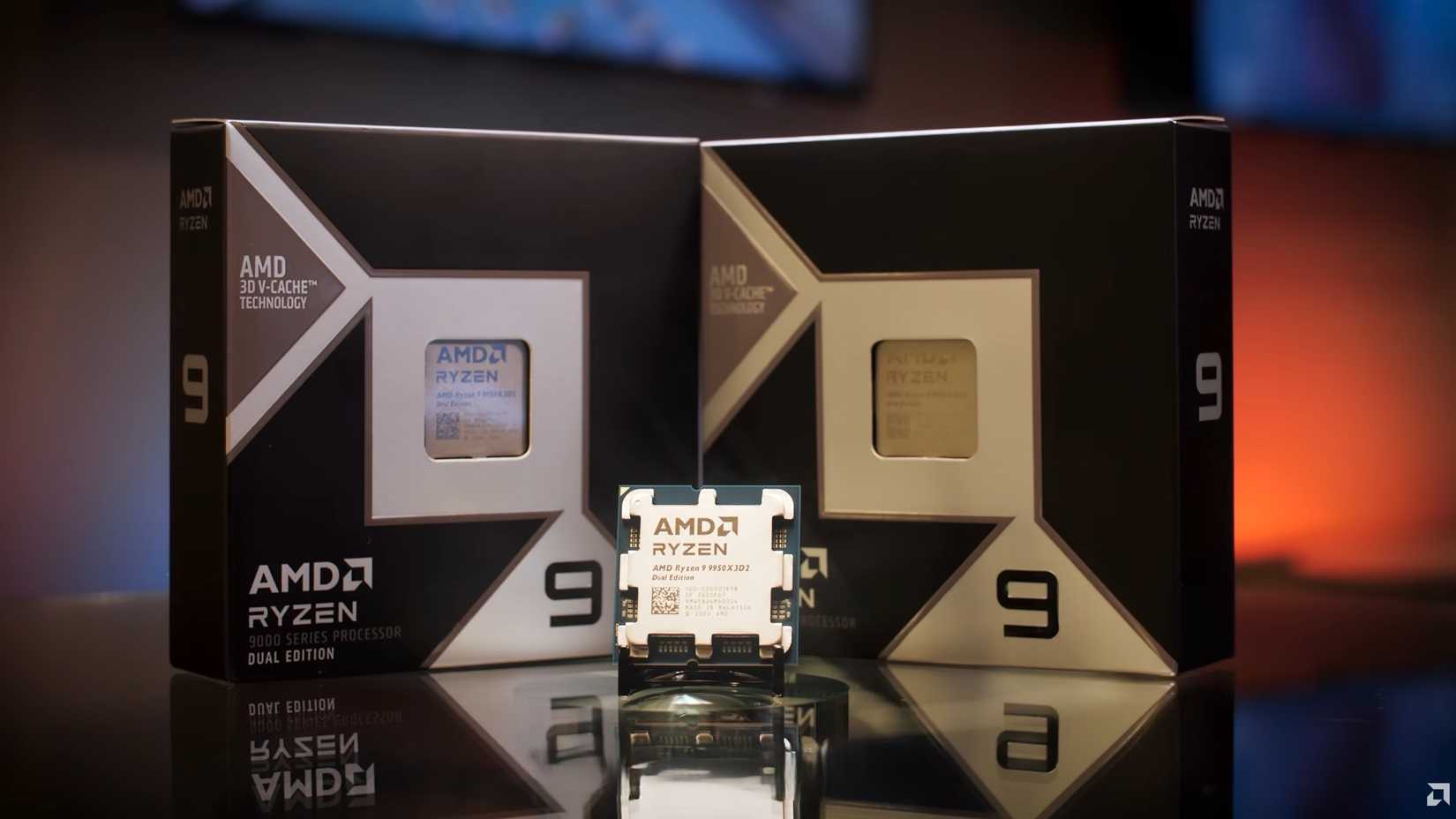
Fast forward to May 2026, and AMD has finally answered the call. The Ryzen 9 9950X3D2 has arrived, featuring 3D V-Cache on both CCDs, effectively providing 192MB of L3 cache across all 16 cores. It is, by all technical definitions, a "no-compromise" processor. Yet, as the benchmarks roll in and the $900 price tag settles, a sobering realization has taken hold: sometimes, the "perfect" hardware is simply unnecessary.
The Evolution of X3D: A Chronology of Cache
To understand why the 9950X3D2 feels like a bridge too far, one must look at the trajectory of AMD’s X3D roadmap.
- 2022: The Catalyst. The Ryzen 7 5800X3D arrived as a shock to the industry. By simply stacking L3 cache vertically, AMD transformed a mid-tier chip into a gaming powerhouse that outperformed its more expensive, higher-clocked counterparts.
- 2023: The Dual-CCD Experiment. The 7950X3D introduced the split-die design. One CCD was built for raw clock speed, while the other held the "magic" 3D V-Cache. This required users to lean heavily on the "Xbox Game Bar" and AMD’s chipset drivers to park cores correctly.
- 2025: Refinement. With the standard 9000-series launch, AMD improved IPC (Instructions Per Clock) and refined the scheduling behavior, making the distinction between CCDs less of a headache for the average user.
- 2026: The "Dual-Cache" Peak. The 9950X3D2 represents the culmination of this technology. By placing cache on both dies, the need for complex core parking is technically eliminated. All 16 cores have access to the same massive pool of cache, theoretically removing the bottleneck that previously existed when a game thread spilled over from the cache-laden die to the standard die.
The Engineering Reality: Why "No Compromise" Isn’t "More Performance"
The marketing pitch for the 9950X3D2 is compelling: consistent performance across all cores. However, the law of diminishing returns has hit the processor market with unprecedented force.
When we examine the gaming benchmarks, the 9950X3D2 finds itself in a precarious position. In the vast majority of titles—even at 1080p where CPU bottlenecks are most pronounced—the 9950X3D2 performs indistinguishably from the 9950X3D or even the dedicated single-CCD 9800X3D.

The issue is simple: modern games are reaching a saturation point where adding more cache provides negligible frame-time improvements. Once a game’s working set fits within the cache, adding more doesn’t make the game run faster; it simply sits there. We are essentially paying a $900 premium for headroom that no modern software is currently equipped to utilize.
The Power and Thermal Tax
There is also the matter of physics. Stacking cache on both CCDs generates more heat and increases power consumption. Enthusiasts are finding that the 9950X3D2 runs significantly warmer than its predecessors, necessitating higher-end cooling solutions. For a user to gain perhaps a 1-2% increase in average frame rates, they are subjected to higher temperatures, increased power bills, and a significantly higher barrier to entry in terms of system build costs.
Who is the 9950X3D2 Actually For?
If the 9950X3D2 isn’t for the gamer seeking the best value, and it isn’t for the content creator—who sees only a 5-8% uplift in heavy lifting tasks like DaVinci Resolve or Blender—then who is the target demographic?
AMD has positioned this as a "halo product." In the automotive world, a halo car is designed to showcase the manufacturer’s engineering prowess, often regardless of whether it makes fiscal sense for the average consumer. The 9950X3D2 serves this exact purpose. It is a flex. It is a signal to the market that AMD can manufacture dual-CCD, dual-cache processors with perfect yields.
However, branding this as a consumer product creates a misalignment of expectations. When a company charges nearly a thousand dollars for a processor, the consumer expects a transformative experience. Instead, the 9950X3D2 offers an incremental improvement that is invisible to the end-user in 99% of use cases.
The Implications for the Future of AM5
The release of this chip suggests that AMD is nearing the absolute ceiling of the AM5 platform’s current architecture. By throwing more cache at the problem, they are demonstrating that the platform is mature—perhaps too mature.
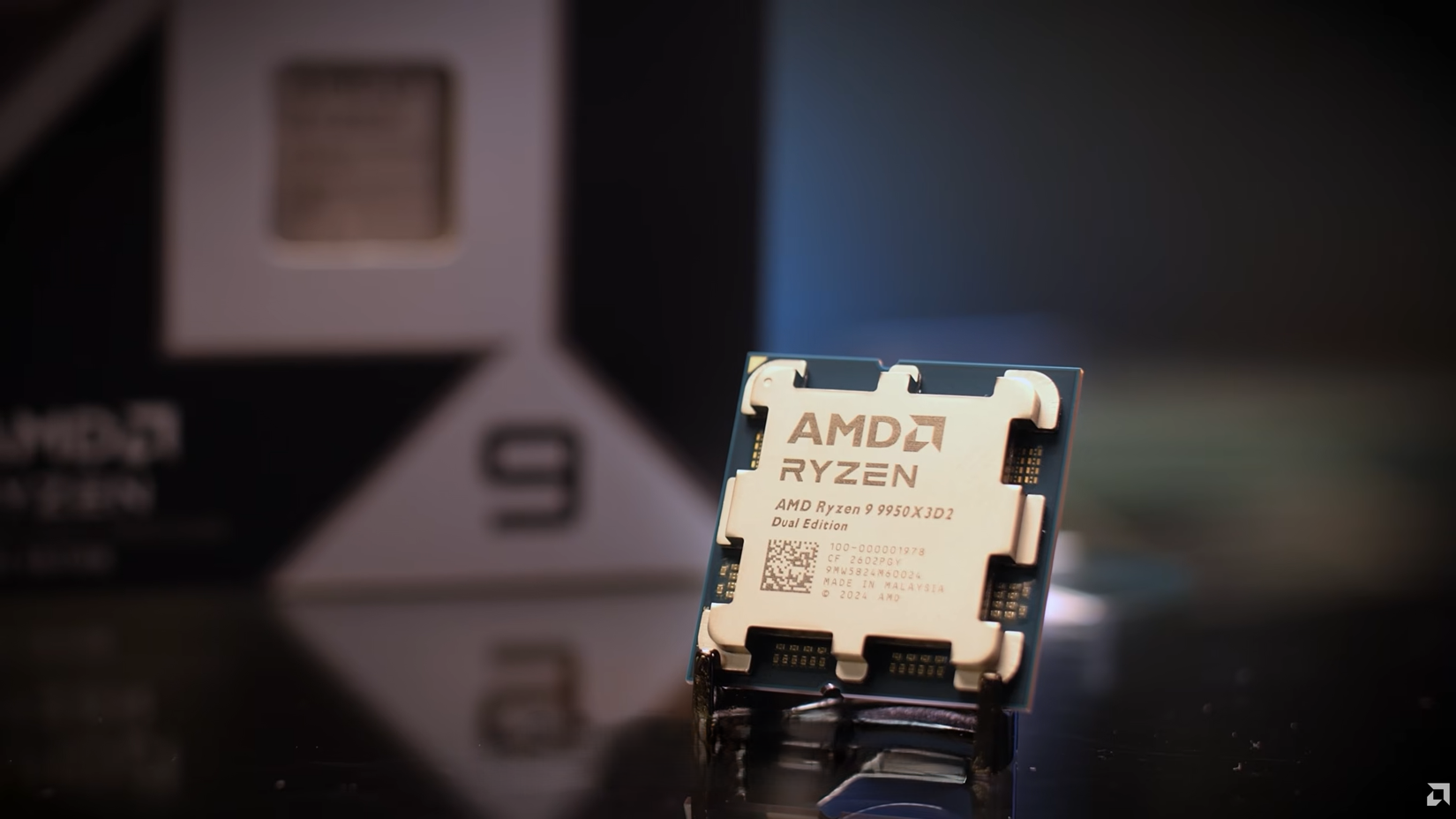
For those currently on the AM5 platform, the move to a 9950X3D2 is difficult to justify. If you already own a 7950X3D or 9950X3D, the upgrade path offers no meaningful utility. If you are a new builder, the 9800X3D or 9850X3D remain the gold standard. The 9850X3D, in particular, offers a much more sensible price-to-performance ratio for those who want the absolute peak of gaming performance without the overhead of a productivity-focused dual-CCD design.
A Wait-and-See Approach
As we move into the latter half of 2026, the industry is already turning its eyes toward the next generation. We are on the precipice of a new architecture (Zen 6), which promises not just "more cache," but fundamental IPC gains. IPC improvements have historically proven to be far more impactful for gaming than cache-stacking alone.
If you are an enthusiast with $900 burning a hole in your pocket, the recommendation here is not to buy the 9950X3D2, but to hold that capital. The 9950X3D2 is an "underwhelmingly impressive" piece of technology—a marvel of silicon engineering that proves we have reached the point where the hardware is significantly faster than the software demands.
Final Verdict: The Luxury of Redundancy
The 9950X3D2 will go down in history as a technical curiosity. It is the answer to a question that was asked three years ago, delivered at a time when the problem it solves has already been mitigated by software and driver optimization.
If you crave the bragging rights of having the most complex, cache-heavy, and expensive consumer CPU on the market, the 9950X3D2 is your champion. But for the pragmatic enthusiast, for the creator, and for the gamer, it serves as a reminder that more is not always better. Sometimes, the most important lesson in tech is knowing when to stop, when to save your money, and when to wait for the next true leap in architecture.
AMD has built a monster with the 9950X3D2, but in the current gaming landscape, it is a monster with nowhere to run.
Key Specifications: AMD Ryzen 9 9950X3D2
- Architecture: Zen 5 (Dual-CCD)
- Total Cache: 208MB (192MB L3 + 16MB L2)
- Cores/Threads: 16C/32T
- Platform: AM5
- Market Positioning: Enthusiast / Halo Product
- Verdict: A technical marvel that remains entirely unnecessary for 99% of users.












No comments yet. Be the first to join the conversation!