Ammar Sabilarrohman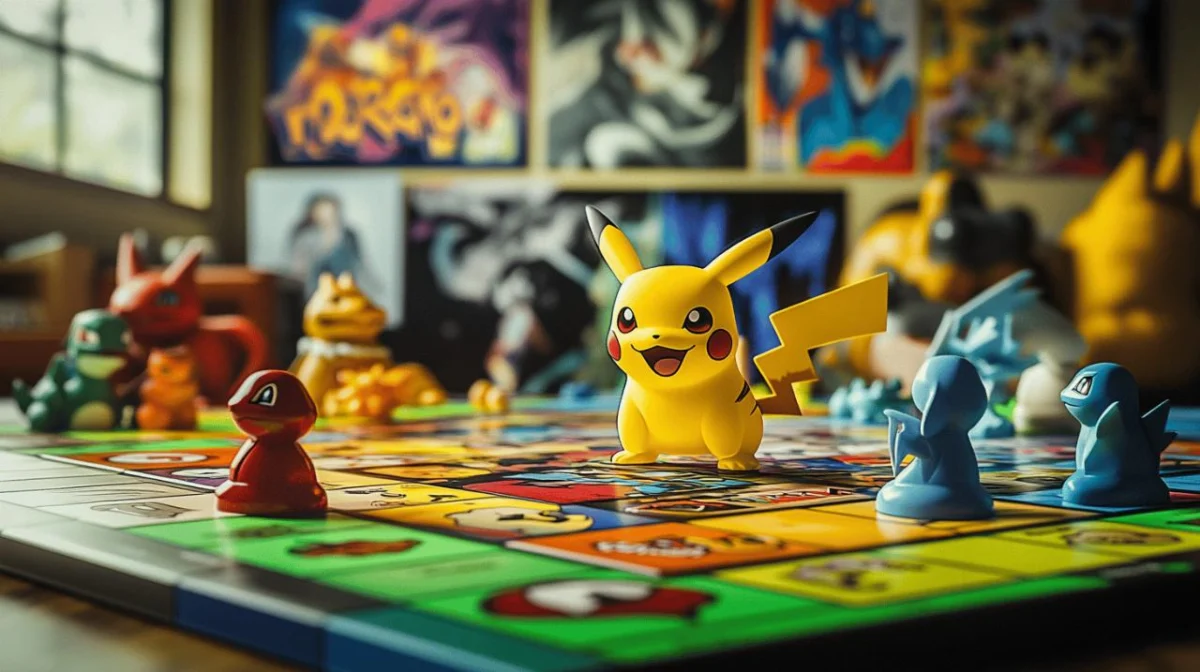
The landscape of family entertainment has been permanently altered by the fusion of two titans: the world’s most iconic board game and the global phenomenon that is Pokémon. This collaboration transforms the rigid, wealth-driven mechanics of traditional Monopoly into a dynamic, adventure-filled quest through the Kanto region. Designed for trainers of all ages, this edition replaces the familiar streets of Atlantic City with the legendary geography of the Pokémon universe, offering a nostalgic yet innovative experience for long-time fans and newcomers alike.
Main Facts: A New Breed of Board Game
At its core, this edition maintains the structural integrity of a classic board game while completely overhauling the theme and objectives. Released in early 2025 with a retail price of approximately €29.99, the game invites 2 to 4 players to immerse themselves in a 45-minute journey.
The most striking departure from tradition is the currency. The familiar paper money is replaced by Poké Balls, which serve as the primary resource for both exploration and the acquisition of creatures. Instead of buying property to build houses and hotels, players act as Pokémon trainers, aiming to catch 48 distinct Pokémon scattered across the board. The objective has shifted from capital accumulation to a pursuit of mastery: the winner is the last player standing with a reserve of Poké Balls or the one who successfully captures one of every Pokémon type.
The game includes four meticulously crafted tokens—Pikachu, Sprigatito (Poussacha), Fuecoco (Chochodile), and Quaxly (Coiffeton)—ensuring that players feel connected to the franchise from the moment they place their pieces on the starting square.
Chronology: From Concept to Living Room
The development of this project was a strategic move to bridge generational gaps between parents who grew up with the 1935 classic and children currently enamored with the modern Pokémon generation.
- Early 2024: Initial conceptualization and licensing negotiations between Hasbro and The Pokémon Company International.
- Late 2024: Design phase, focusing on mapping the Kanto region’s geography onto the Monopoly board layout.
- January 2025: The official launch of the French edition, hitting shelves across major retailers and specialized toy stores.
- Q1 2025: Rapid market adoption, with community feedback highlighting the game’s accessibility to children as young as eight years old.
Supporting Data: Why This Edition Resonates
Market reception has been overwhelmingly positive, with the game currently holding an average rating of 4.5 out of 5 stars across major retail platforms. The success of the edition can be attributed to three key factors:
- Strategic Depth: The introduction of a "Capture Die" adds a layer of chance and skill that traditional Monopoly lacks. Players cannot simply buy their way to success; they must calculate the risk of spending Poké Balls to attempt a capture.
- Immersive Geography: By replacing iconic streets with locations like Pallet Town and Saffron City, the game serves as a sensory experience for fans of the video games and anime.
- Accessibility: With a price point of €29.99 and simplified, dynamic rules, it has become a staple for family game nights, successfully balancing the complexity of Pokémon collecting with the straightforward ruleset of a family board game.
Official Perspectives and Game Mechanics
The integration of the Pokémon universe into the Monopoly framework is not merely aesthetic. It represents a fundamental shift in gameplay mechanics.
The Role of the Professor
Professor Oak (Professeur Chen) acts as the game’s guide, setting forth challenges that dictate player movement and resource acquisition. By completing specific missions, such as capturing a Pokémon of a certain type, players earn bonus Poké Balls, which are vital for late-game survival.
The Challenge of Legendaries
One of the most praised aspects of the new edition is the inclusion of "Legendary Encounter" spaces. These spots force a difficult decision: players must choose between depleting their reserves for a high-risk capture or passing on the opportunity to conserve resources. This creates a "push-your-luck" dynamic that keeps the tension high until the final moments of the game.
Implications for the Board Game Industry
The success of this collaboration signals a shift in how legacy board games remain relevant in the digital age. By leveraging high-value intellectual properties, companies like Hasbro are not just selling a board game; they are selling an entry point into a broader lore.
The Collector’s Perspective
For collectors, this version of Monopoly is already being categorized as a "must-have" item. Because the game is subject to manufacturing runs and specific editions, the potential for long-term value appreciation is high. Experts recommend that owners maintain the original packaging and ensure that all 48 Pokémon cards and tokens are accounted for to preserve the item’s secondary market value.
Distribution and Availability
The game is widely available, with major retailers like Amazon and Smyths Toys leading the distribution. The pricing strategy, which frequently offers options for free shipping on purchases over €49, encourages consumers to bundle their purchase with other gaming accessories or collectibles. For the budget-conscious, the use of point-relais (local drop-off points) has become the preferred method to minimize shipping costs, which typically start around €2.50.
Playing to Win: Strategic Insights
While the game is designed for family fun, it possesses enough depth to reward strategic thinkers. The most successful players tend to focus on:
- Resource Management: Much like in the video games, burning through your resources early leads to a quick defeat. Savvy trainers hoard their Poké Balls for specific, high-value captures.
- Area Control: While you aren’t building houses, controlling key regions of the Kanto map prevents opponents from making critical captures, effectively "blocking" their progress.
- Adaptive Tactics: Because the capture die introduces randomness, the best players are those who can pivot their strategy based on the outcome of a single roll. If a capture fails, the player must immediately decide whether to cut their losses or double down on their efforts.
Preserving the Experience
As with any high-quality game, the longevity of the product depends on proper care. The transition from cardboard money to physical tokens and custom dice requires a more disciplined approach to storage.
To keep the game in pristine condition, it is recommended to:
- Store in a Climate-Controlled Environment: Extreme humidity can warp the board over time.
- Organize Components: Using small, labeled plastic bags for the 48 Pokémon cards prevents wear and tear on the corners.
- Handle Tokens with Care: The figurines of Pikachu, Sprigatito, Fuecoco, and Quaxly are high-quality molded plastic; keeping them separate from the metal or heavy components will prevent scratching of the paintwork.
Conclusion: A New Standard for Licensed Games
The Pokémon Monopoly edition is more than a novelty; it is a masterclass in adapting a legacy brand for a modern audience. By respecting the core mechanics that made Monopoly famous while fully embracing the lore of the Kanto region, the developers have created a product that feels both familiar and entirely new.
Whether you are a seasoned trainer looking to conquer the board or a parent introducing your children to the joy of analog gaming, this version offers a unique blend of nostalgia and fresh discovery. As we move further into 2025, this game is set to remain a centerpiece of the board game market—a testament to the enduring power of the Pokémon franchise and the timeless appeal of the Monopoly experience. With its accessible price, strategic depth, and high-quality components, it is an essential addition to any family’s collection, promising countless hours of competitive, monster-catching fun.

 Siti Muinah
 Azzam Bilal Chamdy