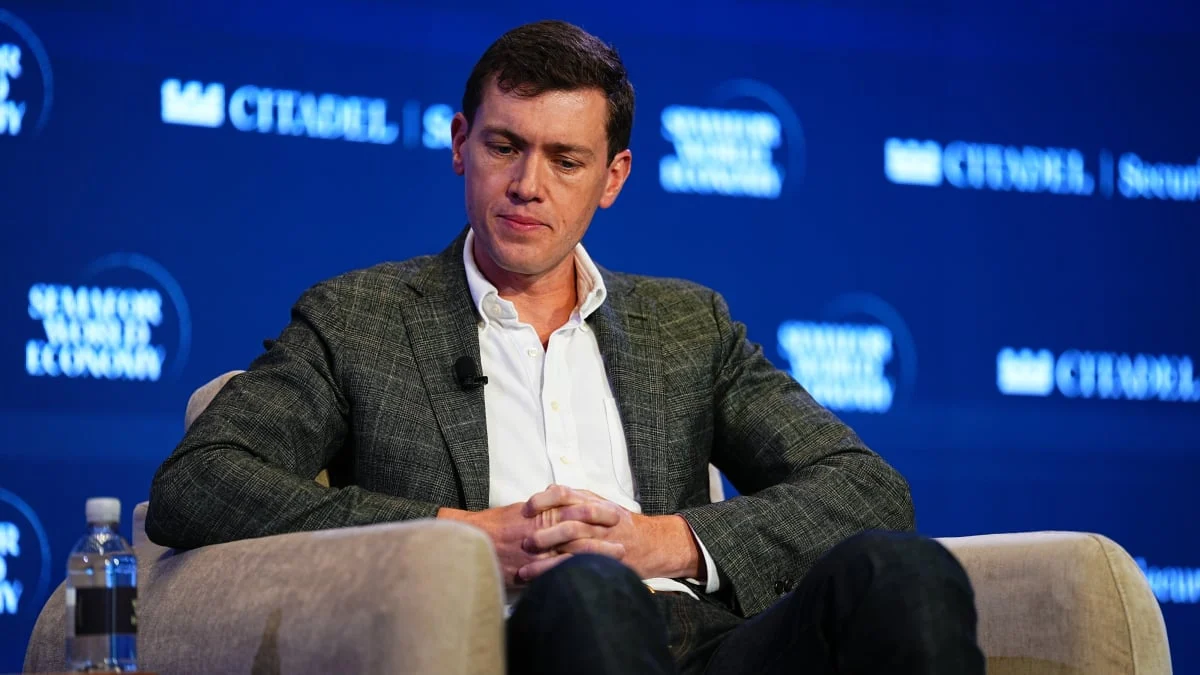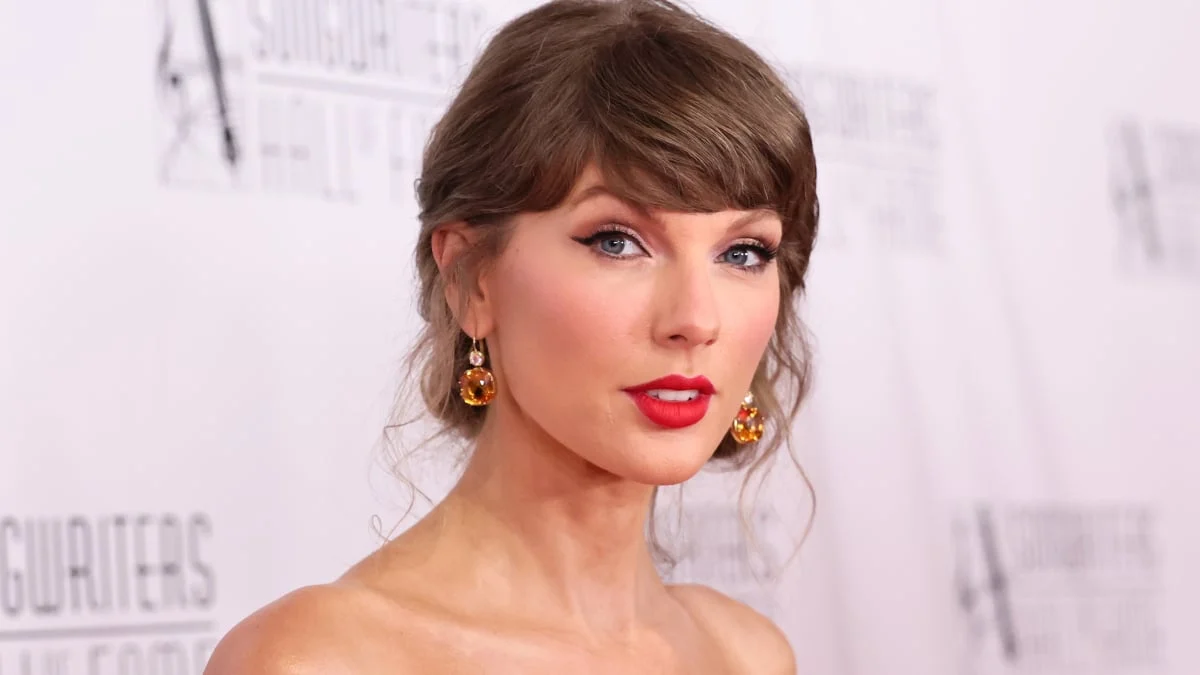
In a significant leadership shakeup that signals the next phase of its corporate strategy, Meta Platforms Inc. has announced a major restructuring of its executive team. Denise Moreno, a 17-year veteran of the company, has been appointed as the new Chief Marketing Officer (CMO). She succeeds Alex Schultz, who will step into the newly created role of Chief Data Officer (CDO).
The move, confirmed by both executives on LinkedIn and corroborated by reports from Axios, underscores Meta’s pivot toward a future defined by artificial intelligence, data-driven personalization, and a fundamental rethink of how global brands engage with digital audiences. Both Moreno and Schultz will report directly to Meta Chief Operating Officer (COO) Javier Olivan, reinforcing a streamlined management structure as the tech giant navigates a complex regulatory and competitive landscape.
Main Facts: The New Guard at the Top
The elevation of Denise Moreno to the CMO position is a testament to the internal mobility Meta has prioritized in recent years. Having served most recently as the Global Senior Vice President of Consumer Marketing and Growth, Moreno has been instrumental in the expansion of Meta’s ecosystem, particularly in the scaling of user acquisition strategies across Facebook, Instagram, and WhatsApp.
As CMO, Moreno now joins CEO Mark Zuckerberg’s core leadership team. Her mandate is clear: to steer Meta’s marketing narrative through the current technological inflection point.
Conversely, Alex Schultz’s transition to Chief Data Officer marks the first time Meta has institutionalized the role at the C-suite level. Schultz, a long-time architect of Meta’s growth strategies and analytics, will now focus on the governance, ethical application, and strategic utilization of the massive datasets that power Meta’s AI engines. This change reflects the company’s urgent need to balance data-driven innovation with increasing global scrutiny over privacy and algorithmic transparency.
Chronology: A Trajectory of Transformation
To understand the weight of these appointments, one must look at the timeline of Meta’s evolution over the past two decades.
- 2009–2012: The Foundation Phase: Denise Moreno joined Meta during its early growth years, a time when the company was transitioning from a collegiate networking site to a global social infrastructure. Her tenure saw the acquisition of Instagram and the birth of Meta’s sophisticated advertising platform.
- 2015–2020: The Growth Era: Under the leadership of executives like Schultz and Moreno, Meta shifted its focus toward mobile-first strategies. This period saw the explosive growth of Stories and the optimization of the News Feed algorithm.
- 2022–2024: The AI Pivot: Following the "Year of Efficiency" in 2023, Meta began aggressively restructuring its internal teams to prioritize Generative AI. The appointment of a dedicated CDO in 2026 is the culmination of this two-year strategic focus.
- July 2026: The Executive Handover: The formal announcement of Moreno’s promotion and Schultz’s transition marks the official commencement of the current leadership transition, intended to stabilize the company as it heads into the latter half of the decade.
Supporting Data: Why the Shift Matters
The significance of these roles cannot be overstated when viewed against Meta’s financial and operational performance.
- Marketing Complexity: According to recent industry reports, Meta’s advertising revenue continues to rely heavily on machine-learning-driven targeting (Advantage+). Moreno’s background in "Growth" suggests that the marketing function will become even more deeply integrated with product engineering than ever before.
- The Data Imperative: As of 2026, Meta manages petabytes of data daily. The creation of the Chief Data Officer role is an acknowledgment that data is no longer merely a byproduct of business, but the core product itself. Schultz’s appointment is aimed at optimizing data pipelines to fuel Meta’s Llama models, which are central to the company’s competitive edge against Google, OpenAI, and Apple.
- Leadership Stability: With both leaders reporting to COO Javier Olivan, the hierarchy is designed to ensure that the marketing (Moreno) and data (Schultz) departments are not working in silos. This is critical for Meta’s "Connected Experience" strategy, where the data informs the user journey, and the marketing ensures that the journey remains engaging and profitable.
Official Responses: Navigating the Future
Both executives have taken to professional social channels to outline their visions for their respective departments.
In a statement addressing the industry, Denise Moreno noted: "As for what’s ahead, the way Marketing is done is in the middle of its biggest shift in a generation." Her focus, as indicated by her previous work, is expected to center on "human-centric" marketing—leveraging AI to deliver personalized content that feels organic rather than intrusive.
Alex Schultz, in his transition to the CDO role, emphasized that his work will focus on the "architecture of intelligence." He noted that the ethical stewardship of user data is the single most important factor in maintaining consumer trust as Meta integrates AI deeper into its social fabric.
Industry observers view these statements as a unified strategy: Moreno is the "face" of the brand’s evolution, while Schultz is the "brain" ensuring the infrastructure behind that brand is robust, secure, and compliant.
Implications: What This Means for the Industry
The appointment of Moreno and the creation of the CDO role have far-reaching implications for the marketing and tech industries at large.
1. The Marketing-AI Convergence
The boundary between "Marketing" and "Data Engineering" is effectively dissolving. With Moreno at the helm, we can expect to see Meta launch even more aggressive AI-integrated ad tools. For brand partners, this means a shift from manual campaign management to "outcome-based" advertising, where the marketer simply sets the goal, and Meta’s AI—governed by the standards set by Schultz—executes the creative delivery.
2. A New Standard for Data Governance
By appointing a Chief Data Officer, Meta is signaling to regulators—particularly in the EU and North America—that it is taking data governance seriously. The role is likely to serve as a bridge between the engineering teams building AI models and the legal/compliance teams managing global privacy laws like GDPR. This could set a trend for other tech giants to follow, potentially leading to a more standardized approach to "AI Ethics" in the corporate world.
3. The Future of the "Metaverse" and AI
While the "metaverse" dominated headlines in 2021, the current narrative is firmly on AI. This leadership change suggests that Meta has moved past the "experimental" phase of its product development. The new team is tasked with the "operationalization" phase—ensuring that AI is not just a feature, but the foundational layer of every interaction a user has on a Meta platform.
4. Competitive Positioning
Meta is currently in a high-stakes race with OpenAI and Google. Moreno’s challenge is to ensure that Meta’s marketing remains resonant in a world where users are increasingly wary of AI-generated content. Her 17-year history at the company gives her the institutional knowledge to navigate these waters while maintaining the brand’s core mission of "connecting people."
Conclusion: The Road Ahead
The appointment of Denise Moreno as CMO and Alex Schultz as CDO represents a calculated move by Meta to consolidate its power. By placing veterans in these critical roles, Mark Zuckerberg is signaling a preference for stability and deep internal alignment during a period of radical technological change.
For the marketing industry, the message is clear: the future is not just about reach; it is about precision, ethical data usage, and the seamless integration of artificial intelligence into the human experience. As these two leaders begin their mandates, the eyes of the digital world will be on them, watching to see how they navigate the delicate balance between rapid growth and the responsibility that comes with managing the world’s largest social data footprint.
Join the industry’s top marketers at Brandweek for the ideas, insights, and connections shaping what’s next. Get your ticket here.