Evan Lee Salim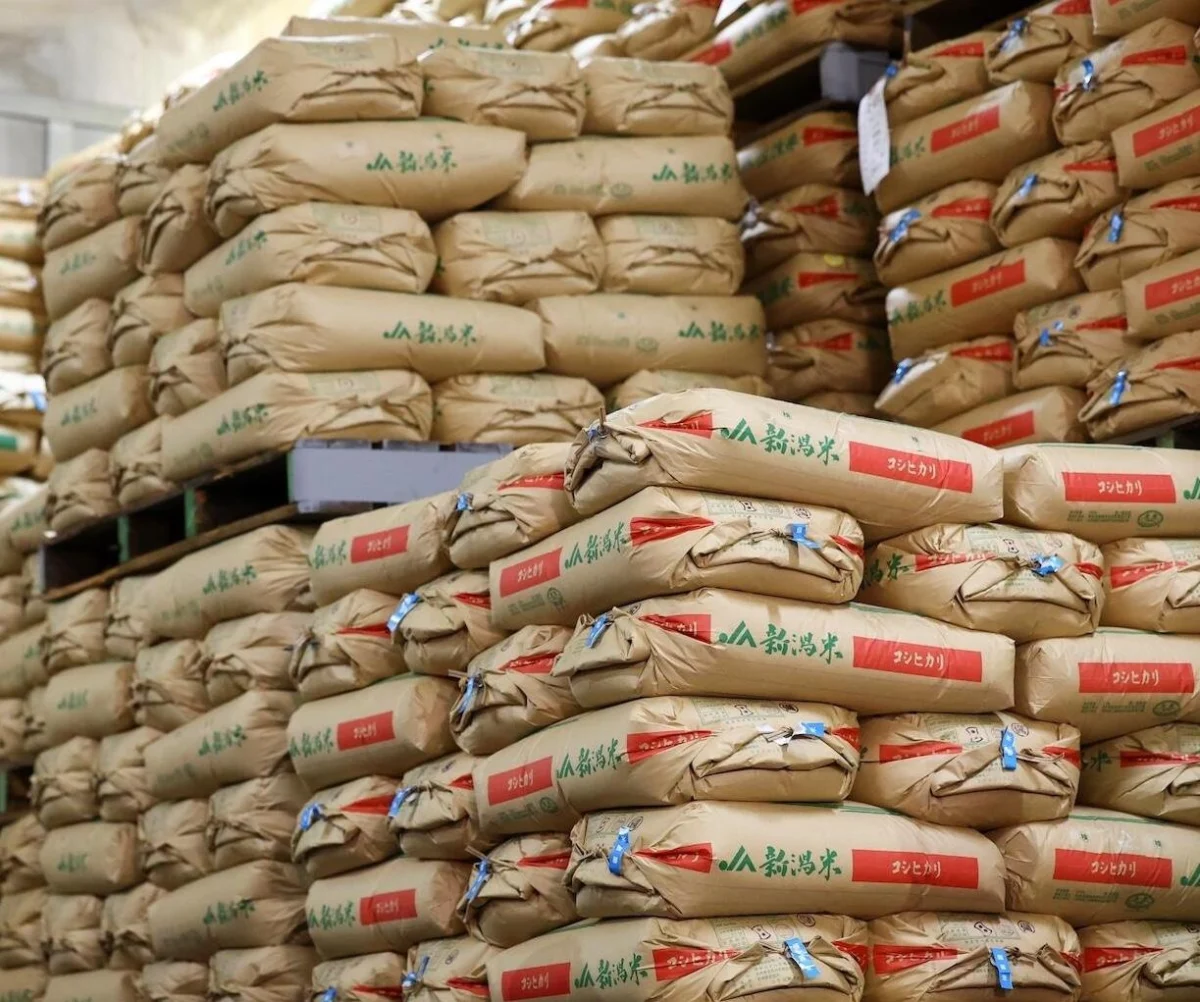
Introduction: The Shifting Palate of a Nation
For centuries, rice has been more than just a meal in Japan; it has been the rhythmic pulse of the nation’s culture, agriculture, and identity. However, recent data from the Rice Stable Supply Support Organization paints a sobering picture for the industry. In the fiscal year ending March 2026, Japan’s average monthly rice consumption per person plummeted by 6.1 percent, dropping to 4,435 grams—the lowest level recorded since 2018.
This decline is not merely a statistical anomaly but a structural shift. As the country grapples with the aftermath of supply chain shocks and extreme climatic events, the "Reiwa Rice Riots"—as some have dubbed the recent shortage—have permanently altered the shopping habits of millions. With consumers pivoting toward wheat-based alternatives like pasta, noodles, and bread, the Japanese food landscape is undergoing a transformation that threatens the long-term viability of traditional rice farming.
Chronology of a Crisis: From Harvest Heat to Market Chaos
To understand the current consumption dip, one must look back at the volatile events that began in the summer of 2024.
The Summer of 2024: The Catalyst
The crisis began not with a lack of demand, but with a collapse in supply. Japan experienced record-breaking extreme summer heat in 2023 and 2024, which decimated rice yields across key prefectures. The resulting harvest shortfall led to an immediate contraction in supply.
The Price Spike
By mid-2024, the retail price of rice in Japan underwent an unprecedented transformation. Before the shortages, a standard 5-kilogram bag of rice was comfortably priced at approximately 2,000 yen. As the scarcity took hold, supply chain panic and inventory hoarding pushed prices to over 4,000 yen—a 100 percent increase that caught the average household off guard.
The Pivot to Alternatives
As rice became a luxury item, the "sticky rice" habits of the Japanese population began to loosen. Supermarket shelves saw a notable shift in inventory movement. With rice prices inflated, consumers turned to more stable-priced carbohydrate sources. Pasta, udon, soba, and bread became the go-to substitutes. This period of forced substitution, lasting over a year, acted as a "breaking of the habit" for many younger, urbanized households.
The 2025 Recovery and 2026 Outlook
By the end of 2025, production levels began to stabilize, and retail prices started a slow, agonizing descent. While industry analysts expect prices to fall further as the 2026 harvest reaches market saturation, the damage to consumer loyalty has already been done.
Supporting Data: By the Numbers
The data provided by the Rice Stable Supply Support Organization offers a granular look at the erosion of the staple.
Key Consumption Metrics
- Monthly Average: 4,435 grams per person, down from 4,722 grams in fiscal 2024.
- Historical Context: This represents a return to 2018 levels (4,426 grams), effectively wiping out any gains in domestic consumption over the past seven years.
- The "Bowl" Deficit: The decline represents a loss of approximately 4.4 bowls of rice per person, per month, compared to the previous fiscal year.
- Household Impact: Households, which account for 66 percent of total rice consumption, saw a sharper decline of 8.2 percent, dropping to 2,929 grams.
A Decade of Decline
These figures confirm a long-term, secular downtrend. Even if the supply-side shocks of 2024 were to vanish tomorrow, the data suggests that the "downtrend in rice consumption seen in the past decade" is not showing any signs of abating. The combination of an aging population, Westernization of diets, and the recent price-induced habit shift has created a "new normal" that is significantly less reliant on rice.
Official Responses and Industry Sentiment
The mood among wholesalers and agricultural cooperatives is one of guarded pessimism. While the government has attempted to encourage consumption through various subsidies and promotional campaigns, the reality on the ground remains dictated by cold, hard economics.
"As prices of other food items are rising across the board, it is hard to imagine that consumer interest would rise in purchasing rice as a standalone staple," noted a prominent rice wholesaler official. The official pointed to the "inflationary basket" of the average Japanese consumer; with eggs, energy, and imported vegetables also seeing price increases, the household budget for food is stretched thin.
Agricultural experts have noted that while the 2026 harvest is projected to be robust, the "psychology of the consumer" has changed. Consumers who learned to cook pasta for their children during the 2024 shortage are now comfortable with that meal routine. The "convenience factor" of wheat-based products, coupled with their competitive pricing, has solidified their place in the modern Japanese pantry.
Implications: The Future of Japanese Agriculture
The implications of this decline extend far beyond the dinner table.
The Sustainability of Rural Japan
Rice farming is the bedrock of Japan’s rural economy. Many regional communities rely on the maintenance of rice paddies not just for income, but for ecological management and the prevention of landslides. If the domestic market continues to shrink at this pace, the number of farmers—already plagued by an aging workforce—may collapse entirely.
The Risk of Import Dependence
While Japan has historically maintained high food self-sufficiency for rice, the ongoing decline in domestic consumption makes the sector vulnerable. If the total volume of demand falls below a certain threshold, the cost of production per kilogram will rise, potentially making Japanese rice even more expensive compared to imported alternatives, creating a vicious cycle of further consumption decline.
Changing Dietary Lifestyles
The shift is also symbolic of a broader demographic transition. Japan’s population is shrinking and aging. Elderly citizens, who historically consume more rice, are being replaced by younger generations who have grown up with a much more diverse culinary repertoire. The "Japanese breakfast" of rice, miso soup, and fish is increasingly being replaced by toast and coffee, not just for convenience, but as a result of a globalized lifestyle.
Conclusion: Adapting to a New Reality
The statistics released for the year ending March 2026 serve as a wake-up call. The supply shortages of 2024 may have been a temporary climatic event, but they acted as a catalyst for a permanent change in consumer behavior.
For the Japanese rice industry, the path forward is fraught with challenges. Relying on tradition alone will not suffice. To reverse—or at least stabilize—the decline, the industry must look toward innovation. This could involve the development of new, climate-resistant rice varieties, the promotion of rice-based processed foods (such as rice flour breads), or aggressive marketing strategies that emphasize the nutritional benefits of rice compared to highly processed wheat products.
However, the reality remains: the "staple" is no longer the undisputed king of the Japanese kitchen. As the country moves further into the late 2020s, the decline in rice consumption serves as a mirror reflecting Japan’s broader socioeconomic evolution—one that is increasingly urban, globalized, and forced to adapt to a world where even the most fundamental traditions are subject to the pressures of a volatile global market.


 Neng Nana
 Asro
Asro