

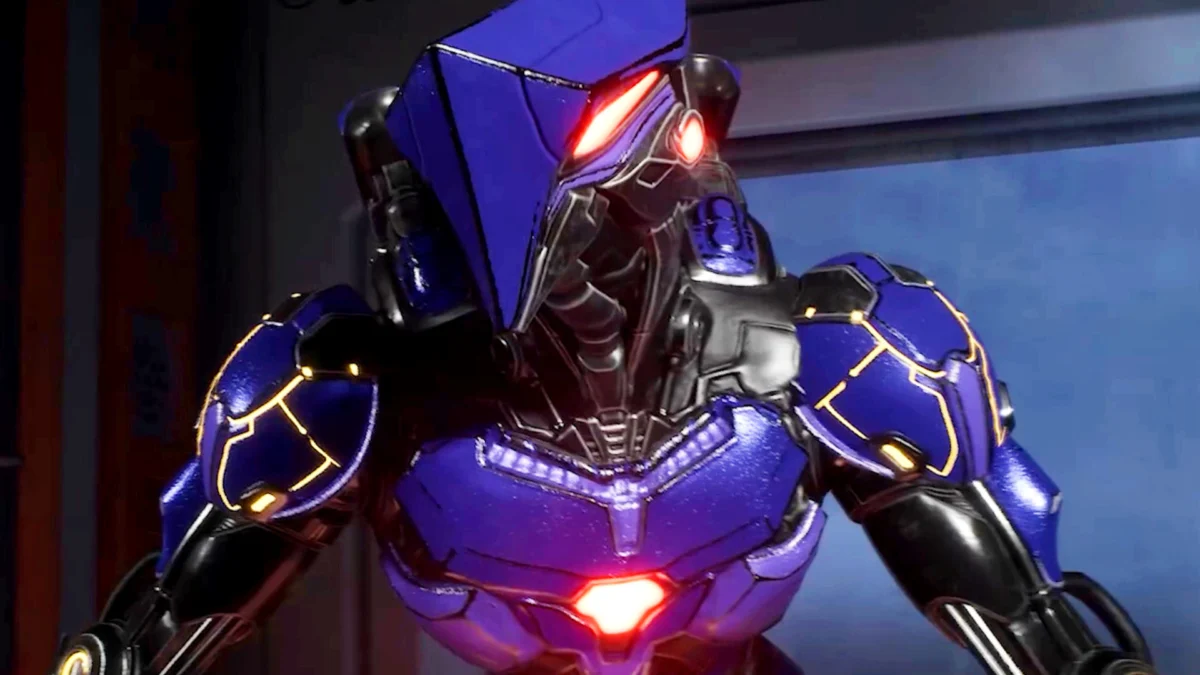
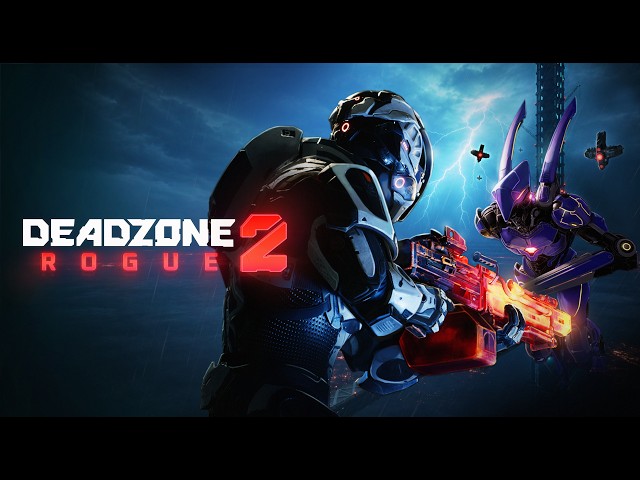
The announcement of Deadzone Rogue 2 has sent shockwaves through the community of the high-octane roguelike shooter Deadzone Rogue. With the original title only reaching its official 1.0 milestone in August 2025—a mere nine months ago—the abrupt reveal of a sequel has left many in the player base reeling. Concerns regarding the longevity of the first game, fears of "abandonware" status, and questions about the necessity of a sequel so soon have dominated the discourse on Steam forums and social media.
Prophecy Games, the studio behind the franchise, has moved quickly to address these concerns, emphasizing that the announcement is a strategic "sneak peek" rather than an immediate launch. By pulling back the curtain on its development philosophy, the studio is attempting to redefine how modern, iterative live-service roguelikes should be handled in an era where player expectations for content updates are at an all-time high.
A Chronology of Development: From Launch to Sequel
To understand why the announcement of Deadzone Rogue 2 feels so jarring, one must look at the rapid-fire history of the series.
- August 2025: Deadzone Rogue officially hits its 1.0 release, successfully exiting its early access phase. The game is met with critical acclaim for its tight combat loop and high-stakes extraction mechanics.
- Late 2025 – Early 2026: Prophecy Games maintains an aggressive update cadence, focusing on balancing, bug fixes, and performance optimization.
- Q1 2026: The studio releases a substantial free content expansion—the "Apophis" update—which introduces a fourth zone and significantly expands the game’s map pool.
- May 2026: Prophecy Games announces Deadzone Rogue 2, revealing plans for an upcoming "sneak-peek" demo.
This timeline reflects a studio that prioritizes velocity. For the developers, the nine-month gap between the 1.0 launch and the sequel announcement is not a sign of neglect, but a continuation of the same "fast-paced, iterative" development culture that allowed them to ship the first game in just under a year.
The Case Against DLC: Fragmentation and Limitations
The most common question posed by the community has been: "Why not simply release a paid DLC expansion for Deadzone Rogue?"
Prophecy Games has been remarkably transparent in their response, citing technical, creative, and community-centric reasons for favoring a sequel over a traditional expansion model.
The Creative Ceiling
The developers argue that a sequel provides a "clean slate" that paid DLC simply cannot offer. When a game has already attracted nearly a million players, the room for radical, system-level experimentation becomes narrow. Significant changes to core mechanics—such as the way movement is handled, how meta-progression is structured, or the integration of complex narrative elements—can risk alienating the established player base if forced into an existing build. By building Deadzone Rogue 2 from the ground up, the team can integrate feedback from the last nine months directly into the foundation of the game rather than patching it onto a structure that was never designed for such changes.
The Risk of Fragmentation
One of the most profound challenges in the modern multiplayer landscape is player base fragmentation. In co-op games, locking new content behind a paywall can create a "gated community" effect. If a portion of the player base owns an expansion while others do not, the matchmaking ecosystem suffers.

Prophecy Games pointed to their decision to release the "Apophis" expansion for the first game for free as proof of their commitment to a unified player experience. They argue that a sequel is the only way to introduce significant, transformative changes without creating a fractured environment where players are unable to enjoy content together.
Technical Ambitions: What Deadzone Rogue 2 Promises
Prophecy Games has outlined a roadmap of features that they believe are too expansive for a standard DLC release. These features are designed to address the specific pain points and requests voiced by the community since August 2025.
Expanded Character Roster and Combat Variety
One of the primary requests has been for more diverse playstyles. The sequel is slated to include a significantly larger cast of characters, each with unique abilities that fundamentally change how the game is played. This goes beyond simple stat tweaks, promising to introduce new tactical layers to the battle spaces.
Meta-Progression Overhaul
The studio recognizes that the build-crafting meta in the first game, while solid, has hit a plateau. Deadzone Rogue 2 aims to introduce an enhanced meta-progression system that encourages more experimentation. The goal is to ensure that every run feels meaningful, regardless of whether a player survives the extraction or falls in the heat of battle.
Narrative Integration
While Deadzone Rogue was primarily a gameplay-first experience, the sequel intends to weave story elements more tightly into the mission structure. By building a new engine architecture, the team plans to offer a more cohesive narrative experience that evolves as players progress through the zones.
The "Iterative" Philosophy: Why a Demo?
The announcement of a "sneak-peek" demo is central to Prophecy’s strategy. By offering a free, early-look demo on Steam, the studio is effectively inviting the community to participate in the "finding the fun" phase of development.
This approach is inherently roguelike in its own right:
- Release early: Get the core mechanics into the hands of players.
- Collect feedback: Analyze data, listen to the community, and identify pain points.
- Iterate: Refine, polish, and pivot based on real-world usage.
- Repeat: Continuously polish the experience until it meets the standard of a 1.0 release.
"We want to bring in players early on for feedback and to help us craft a better game," the studio stated in their official announcement. By releasing a demo rather than a polished, final product, they manage expectations. Players know they are testing a work-in-progress, which allows the developers to make "dramatic changes" without the pressure of a full-scale commercial release.
Implications for the Industry
The decision to transition to a sequel shortly after a 1.0 launch is a bold, perhaps even risky, move. However, it signals a shift in how mid-sized independent studios are approaching long-term project management.
The Death of the "Eternal Live Service"
There is a growing fatigue among gamers regarding "eternal live services" that receive small, incremental, and often expensive updates for years on end. By opting for a sequel, Prophecy Games is choosing to respect their own creative boundaries. They have recognized that their vision for the Deadzone franchise has evolved beyond the constraints of the original codebase.
Managing Community Sentiment
The biggest challenge for the studio remains the court of public opinion. While they have provided sound logic for their business model, the emotional investment of players who have spent hundreds of hours in the first game cannot be ignored. The success of Deadzone Rogue 2 will depend entirely on how well they maintain the first game while simultaneously building hype for the second.
Prophecy Games has promised to continue supporting the first Deadzone Rogue as they pivot to the sequel. If they can fulfill this promise—ensuring that the original title remains a viable, fun, and bug-free experience while the team focuses on the new project—they may succeed in winning over the skeptical segments of their community.
Looking Ahead: The Road to the Sequel
As of May 2026, the industry is watching closely. The Deadzone Rogue 2 demo is currently the most anticipated milestone for fans of the franchise. By making the demo free, the developers are removing the barrier to entry, allowing the community to decide for themselves if the shift to a sequel is warranted.
The studio has already confirmed that the long-term pricing strategy for the sequel will be in line with the first game. Any future content expansions for the sequel are expected to be cosmetic in nature, avoiding the pitfalls of pay-to-win mechanics or content gating that plagued the original industry standard.
For now, the message from Prophecy Games is clear: they are not abandoning the community; they are building a better home for them. Whether this "fast-paced" development cycle will pay off or lead to burnout remains to be seen, but one thing is certain—the Deadzone universe is about to get much, much bigger.
Players interested in the future of the series are encouraged to wishlist the game on Steam, where updates regarding the sneak-peek demo will be posted in the coming months. As the developer noted, "We’re ready to do all of that over again, since it was a lot of fun and worked." In the high-stakes world of roguelikes, sometimes the best move is to hit the restart button.









No comments yet. Be the first to join the conversation!