Asro
Asro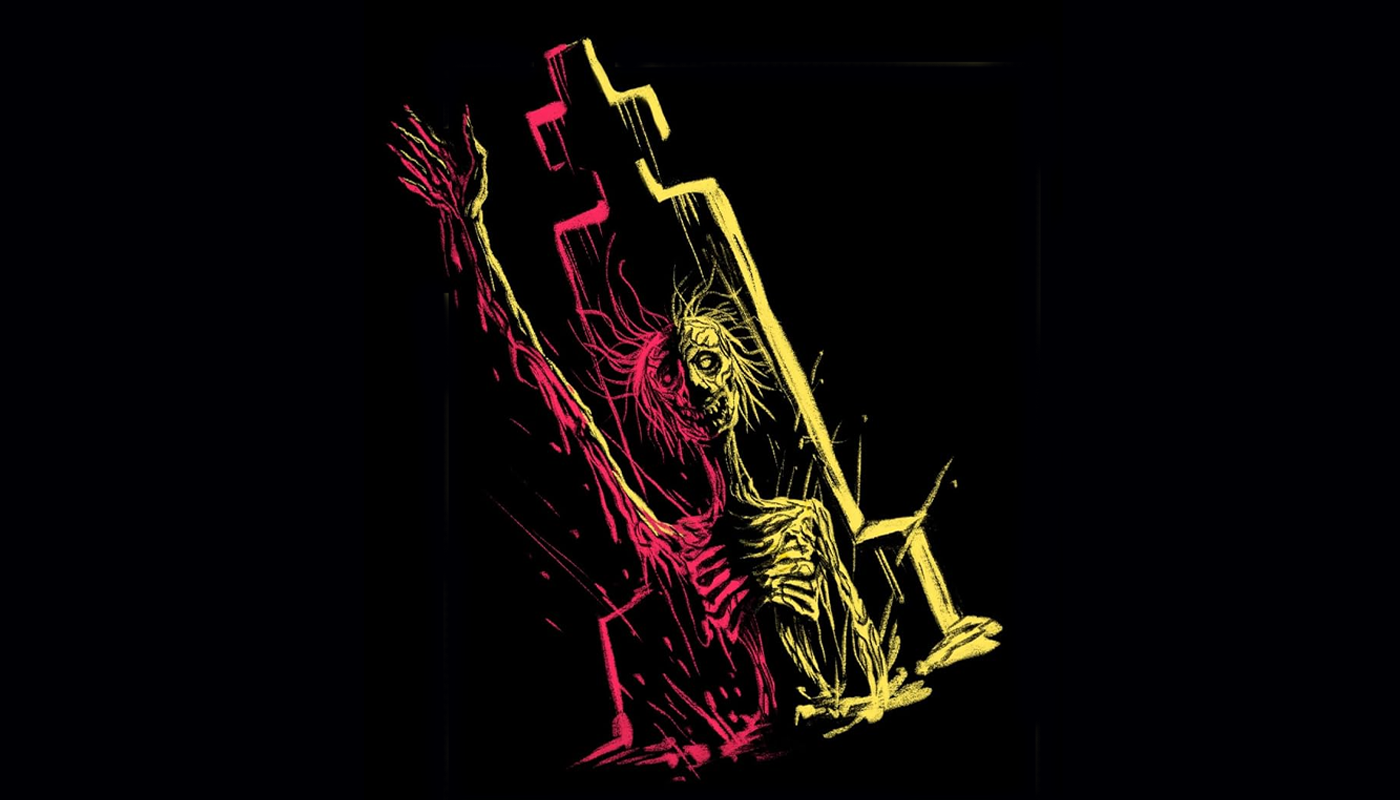
In the traditional architecture of horror fiction, the monster is a puzzle to be solved. Whether it is the classic decapitation required to neutralize a zombie, the silver slug reserved for the lycanthrope, or the intricate rituals used to banish a poltergeist, the genre has long relied on the promise of agency. If the protagonist is clever enough, brave enough, or well-equipped enough, the darkness can be pushed back.
However, a more visceral and unsettling strain of horror exists that strips the protagonist of that agency. These are stories governed by the "unstoppable force" trope—narratives where characters are pursued by entities, curses, or abstract horrors that refuse to be reasoned with, outrun, or defeated. From the relentless, decaying pursuit seen in 1985’s The Return of the Living Dead to the metaphysical dread of 2014’s It Follows, these stories mirror a fundamental human anxiety: the fear that no matter how fast we run, some fates are simply unavoidable.
This literary and cinematic fascination with the "inexorable threat" has seen a resurgence in recent years, manifesting in high-profile novels and short stories that challenge the traditional "hero wins" paradigm. Below, we examine the mechanics of this dread and explore five essential works that define the genre of the inescapable.
The Chronology of Inevitability
The evolution of the "unstoppable villain" has mirrored shifts in global psychological anxiety. In the mid-20th century, the horror was often localized—a creature in a swamp or a slasher in a small town. By the late 1990s and early 2000s, authors began shifting toward the "cursed object" or "inherited fate" model, popularized by works like Koji Suzuki’s Ring (1991), which turned a simple videotape into a death sentence.

In the 2020s, this trope has evolved further, reflecting anxieties about digital permanence, artistic legacy, and the erasure of identity. Modern authors are no longer just writing about monsters; they are writing about systems—corporate, technological, and supernatural—that view the individual as entirely expendable.
Five Essential Tales of Inescapable Doom
1. "The Road Virus Heads North" by Stephen King (1999)
Stephen King is the undisputed architect of the modern American nightmare, and in "The Road Virus Heads North," he distills the horror of the "haunted object" to its most potent essence. The protagonist, horror novelist Richard Kinnell, encounters a grotesque painting at a yard sale depicting a fanged man in a muscle car. As Kinnell travels home to Maine, the painting begins to change, reflecting his own journey.
The Horror of the Inevitable: Unlike a creature that can be shot, the painting acts as a tether. Every attempt Kinnell makes to discard the art only brings the entity closer. King masterfully plays on the idea that the threat is not just a monster, but a manifestation of one’s own bad choices. The painting is a reminder that in King’s world, you cannot outrun the things you have invited into your life.
2. Maggie’s Grave by David Sodergren (2020)
Set against the backdrop of a dying Scottish town, Maggie’s Grave serves as a masterclass in the "folk horror" subgenre. When a group of locals introduces an American tourist to the grave of a 17th-century witch, they expect little more than a cheap thrill. What they get is an undead nightmare.

The Mechanics of Gore: Maggie Wall is not a subtle villain. She is a desiccated, relentless force of nature that lacks human empathy or physical limitations. Because Maggie has already endured the "ultimate" defeat—death—she is immune to the threats the living might use against her. Sodergren balances campy, B-movie sensibilities with a genuine sense of hopelessness, proving that sometimes, the past refuses to stay buried.
3. Incidents Around the House by Josh Malerman (2024)
Malerman, perhaps best known for Bird Box, brings a unique, child-like vulnerability to the concept of the unstoppable entity in Incidents Around the House. The story follows Bela, an eight-year-old girl, and her terrifying relationship with "Other Mommy."
The Psychological Toll: The horror here is intensified by the perspective. Bela’s world is narrow and domestic, making the presence of Other Mommy—a creature demanding to be let into her heart—all the more suffocating. While some readers find the stylistic choices divisive, the consensus remains that the "Other Mommy" is one of the most creatively terrifying entities in contemporary fiction. She represents the loss of boundaries and the slow, inevitable encroachment of trauma into a safe space.
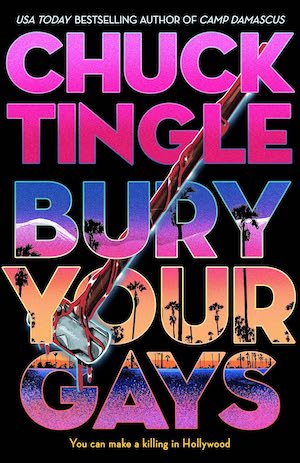
4. Bury Your Gays by Chuck Tingle (2025)
Chuck Tingle’s Bury Your Gays is a meta-fictional descent into Hollywood madness. Screenwriter Misha Byrne finds his life literally threatened by the very villains he created for his scripts. When the studio forces him to kill off his queer characters, the narrative spills out into reality.

Implications of Identity: Tingle’s work is unique because it uses the "unstoppable monster" trope to critique corporate greed and the systemic erasure of marginalized voices. The villain, "The Smoker," is a terrifyingly efficient countdown clock. Misha’s inability to write his way out of this trap highlights the helplessness of the creator when faced with the consequences of their own work—and the industry that exploits it.
5. "Come" by Nat Cassidy (2026)
In the short story "Come," Cassidy provides a modern update to the "cursed media" trope. A leaked sex tape from a high school classroom becomes a contagion. While the story begins with a tone of teenage irreverence, it quickly shifts into a grim exploration of mortality.
The Cursed Legacy: Unlike the elaborate rules of The Ring, the curse in "Come" is indiscriminate. The protagonist survives, but they are forced to witness the systematic elimination of their peers. It is a haunting exploration of how quickly a life can be reduced to a piece of digital detritus, and how the "monster" doesn’t need to be a physical beast—it can simply be a deadline.
Supporting Data: Why We Consume Fear
Psychological research into horror consumption suggests that engaging with "unstoppable force" narratives provides a safe space for audiences to process feelings of powerlessness. In a world defined by climate change, economic uncertainty, and rapid technological shifts, these stories act as a mirror to real-world anxieties. By watching a character face an entity that cannot be stopped, the audience experiences a controlled form of "survivor’s guilt" and emotional catharsis.

According to literary critics, the success of these books lies in their refusal to provide the "Deus ex machina" ending. When the monster wins, the story achieves a level of honesty that standard heroic narratives lack.
Official Responses and Literary Critique
The literary community has noted a marked shift in the "unstoppable monster" trope. Critics argue that we are moving away from the "Gothic" model of external hauntings toward a "Post-Human" model, where the threat is often a result of our own digital footprint or social structures.
"We no longer fear the woods," says literary critic Dr. Elena Vance. "We fear the algorithm. We fear the fact that our stories—like those in Bury Your Gays—can be weaponized against us. These books are not just about monsters; they are about the fragility of the self in an age where everything is recorded, and everything is, eventually, hunted."
Implications: The Future of Inescapable Horror
The trend toward narratives of inescapable doom carries significant implications for the future of horror. As audiences become more sophisticated, they are demanding stories that mirror the complexity of their real-world fears. We can expect to see more fiction that blurs the line between the supernatural and the sociological.
Furthermore, these stories serve as a warning. By focusing on protagonists who are trapped by their own pasts, their own inventions, or their own environments, authors are urging readers to confront their own "unstoppable forces." Whether that force is a career path that is destroying one’s mental health or a digital shadow that won’t fade, the core message remains: the only way to deal with the inevitable is to understand it, even if you cannot defeat it.
As we look toward the next generation of horror, one thing is certain: the monster that cannot be stopped is here to stay. It is the perfect avatar for the 21st century—relentless, uncaring, and always just one step behind us.

 Laily UPN
 Evan Lee Salim