Rifan Muazin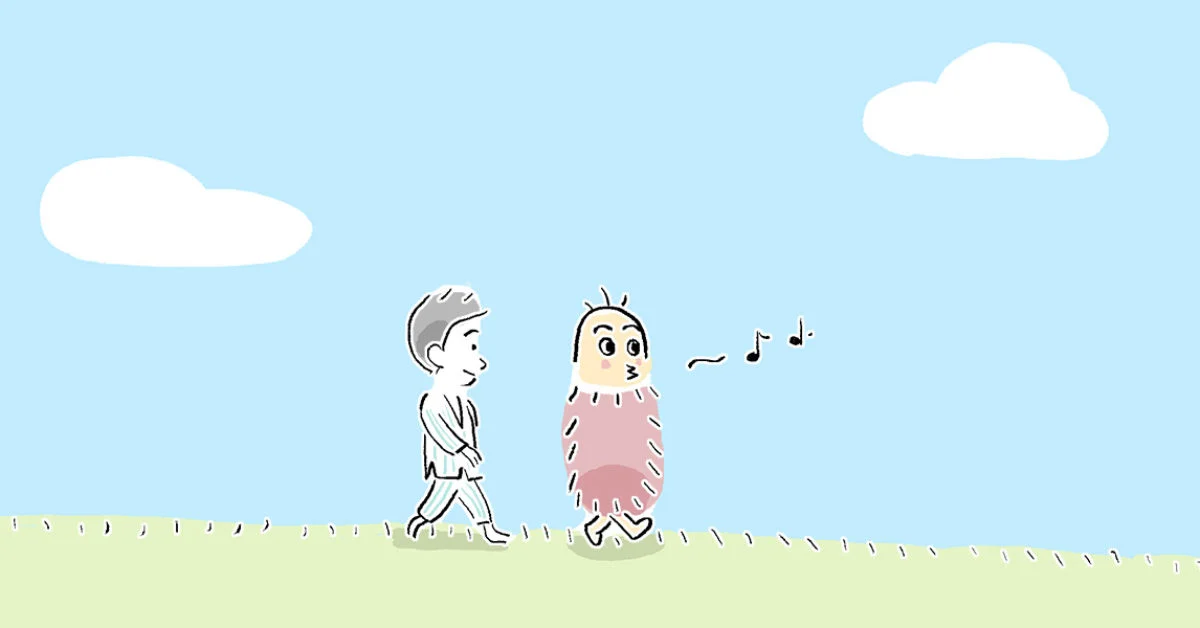
The landscape of modern digital entertainment is undergoing a seismic shift, driven by the rapid ascendancy of the South Korean webtoon format. Characterized by its vertical-scrolling, mobile-first design, this medium has evolved from a niche hobby into a global powerhouse, captivating tens of millions of readers. At the vanguard of this cultural phenomenon is Big See, one of Lezhin Comics’ most celebrated titles, which is now transitioning into a high-profile digital drama adaptation by Kakao M.
This ambitious project represents more than just another adaptation; it is a stylistic experiment that seeks to merge the raw, grounded nature of live-action performances with the limitless, dreamlike possibilities of animation. As the lines between traditional broadcast television and digital streaming continue to blur, Big See stands as a testament to the growing influence of Korean intellectual property on the global stage.
The Core Narrative: A Poignant Journey
Big See, the acclaimed webcomic written by Kim Botong, has garnered immense critical acclaim, most notably becoming the first title to receive the prestigious "Manhwa of the Day" award in South Korea. The narrative is as profound as it is heartbreaking, centering on a young man grappling with the late stages of terminal cancer.
Rather than relying on typical melodrama, Kim Botong’s writing is celebrated for its nuance, humanity, and emotional depth. The story explores the protagonist’s final experiences, balancing the stark reality of his illness with the ethereal, often surreal landscape of his internal thoughts and dreams. With over 20 million views worldwide, the webtoon has established itself as a touchstone for readers who value narratives that tackle existential themes with empathy and artistic rigor.
Chronology: From Digital Panels to Screen Realization
The journey of Big See from a scrollable digital comic to a multi-media television project is a reflection of Lezhin Entertainment’s strategic expansion into production.
- Initial Reception: Following its debut on Lezhin Comics, Big See quickly became a viral success, cementing Kim Botong’s status as a leading voice in contemporary Korean comics.
- The Strategic Acquisition: In 2018, Lezhin Entertainment acquired Lezhin Studio, a film and production house, with the specific intent of bringing its proprietary library of webtoons to broader audiences.
- The Development Phase: With the success of Kim Botong’s other works, such as D.P Dog’s Day (currently being adapted for Netflix), Big See was identified as a prime candidate for a digital-first adaptation.
- The Announcement (August 2020): Lezhin Entertainment, under CEO Lee Sung Eob, officially announced that the project would be developed by Kakao M, signaling a new era for webtoon-to-drama translations.
- Production and Release: The project entered production with a unique hybrid format, slated for a late-2020 launch on the KakaoTalk platform.
The Hybrid Format: A New Language for Digital Drama
One of the most compelling aspects of the Big See adaptation is its structure. The series is designed to be a 10-episode digital drama, with each installment running under 15 minutes. This duration is strategically optimized for the "snackable" content consumption habits of mobile users who access content via KakaoTalk.
The production team has taken a bold stylistic approach to visual storytelling:
- Live-Action Anchoring: Directed by Kim Dong-ha, the live-action sequences feature actors Ji Soo (My First First Love) and Lee Seol. Their performances are intended to ground the narrative in physical reality, capturing the grit and sorrow of the protagonist’s journey.
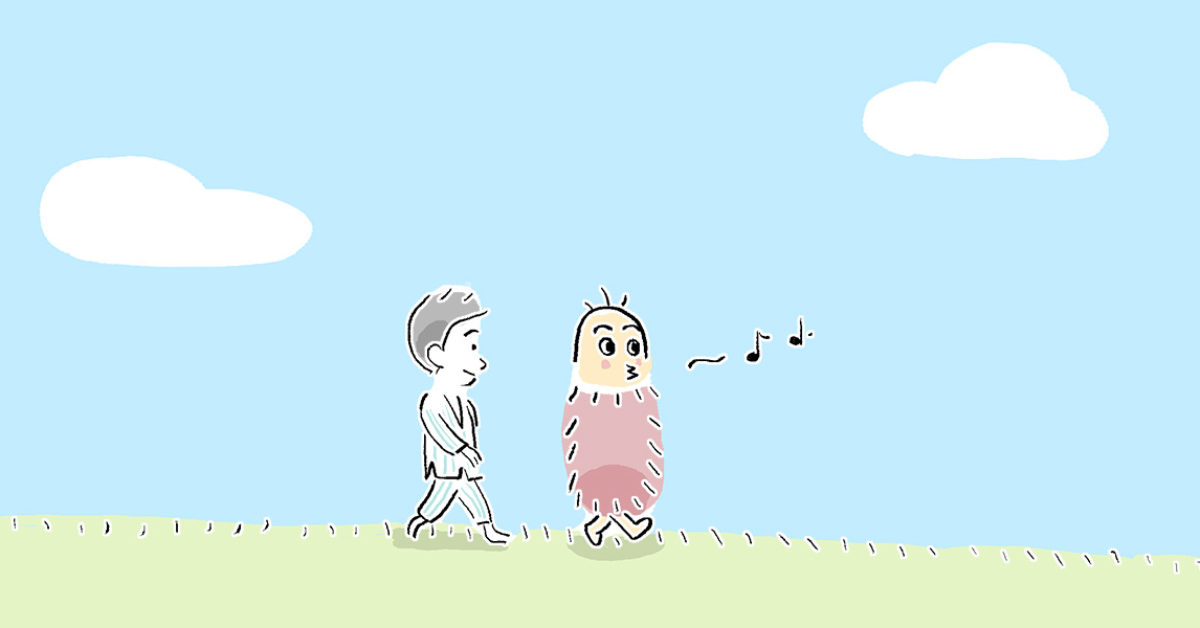
- Animated Integration: Complementing the live-action segments are animated sequences crafted by Han Ji-won, one of Korea’s most prominent animators. These segments serve as a stylistic bridge, visualizing the protagonist’s internal world, hallucinations, and memories.
This "mixed-reality" approach allows the show to transcend the budgetary and physical limitations of traditional television, enabling the directors to depict the blurred lines between the real world and the dreamscape that the protagonist experiences.
Official Responses and Creative Vision
The stakeholders involved in Big See have expressed significant enthusiasm for the project’s innovative structure. A representative from Lezhin Studio highlighted the collaborative synergy between the cast and the creative team:
"We’re excited to see the performances by Lee Seol and Ji Soo combined by the fantastic atmospheres and environments only possible through animation. This creates a new reality that dives deep into the horizon between the real world and dreams. It is an exploration of the human condition that we believe will resonate deeply with viewers who have followed the comic for years."
By casting high-profile actors like Ji Soo, the production aims to attract the established K-drama demographic while introducing them to the deeper, more contemplative narratives found in the webtoon medium.
Supporting Data: The Rise of Lezhin Studio
Lezhin Studio has quickly become a pivotal player in the Korean entertainment industry. By pivoting from a pure distribution platform to a production powerhouse, they have effectively bridged the gap between static panels and moving images.
Their portfolio serves as a barometer for the current state of Korean media:
- Method: A drama series that gained traction on TVN.
- Method: A Second Attempt: Currently in pre-production.
- Hell (Netflix Original): A highly anticipated project demonstrating the studio’s ability to handle large-scale, high-budget international productions.
The studio’s overarching goal is clear: to leverage their massive catalog of webtoon IP to populate the global streaming landscape. By controlling both the original content (the webtoon) and the adaptation (the drama), Lezhin ensures a level of creative fidelity that is often lost in traditional studio acquisitions.
Implications: The Future of Digital Content
The adaptation of Big See serves as a case study for the future of entertainment in several key ways:
1. The Death of the "Niche"
Webtoons are no longer considered a "niche" format. With millions of readers, they now function as the primary source material for major film and television studios, much like Marvel or DC comics in the West. This signifies that global audiences are increasingly comfortable with and attracted to Korean narrative structures and visual styles.
2. Mobile-First Optimization
The move to create 15-minute, platform-specific episodes for KakaoTalk illustrates the industry’s shift toward mobile-first content. Producers are no longer creating shows for the "living room television"; they are creating them for the commute, the breakroom, and the digital ecosystem of the smartphone.
3. Genre-Blending as a Necessity
By mixing animation with live-action, Big See is setting a new precedent for low-to-mid-budget productions. This hybrid format allows creators to achieve high-concept visual effects that would be prohibitively expensive if done entirely through CGI or traditional live-action sets. This technique is likely to be adopted by other creators looking to adapt fantastical or surrealist graphic novels.
4. The Global Impact of Korean IP
The success of D.P Dog’s Day on Netflix and the development of Big See underscore a broader trend: South Korean creators are successfully exporting their cultural narratives globally. These stories, often characterized by their focus on social commentary and emotional vulnerability, are finding an eager audience in Western markets that are growing weary of formulaic blockbusters.
Conclusion
As the digital age continues to reshape our consumption habits, Big See stands at the intersection of tradition and innovation. By blending the intimate, emotional weight of a webtoon with the high-production values of professional television, the creators are offering a glimpse into the future of digital media. Whether it succeeds in fully capturing the ethereal nature of the source material remains to be seen, but the ambition behind the project is undeniable.
For fans of the original webtoon, the adaptation represents an opportunity to see a beloved story reach a wider audience. For the industry at large, it is a blueprint for how to successfully navigate the transition from a scrolling panel to a streaming screen. As 2020 draws to a close, Big See promises to be a significant entry in the canon of modern digital dramas, proving once again that the most compelling stories are those that dare to cross boundaries—not just between dreams and reality, but between the page and the screen.


 Dwi Wanna
 Iffa Jayyana