Lina Irawan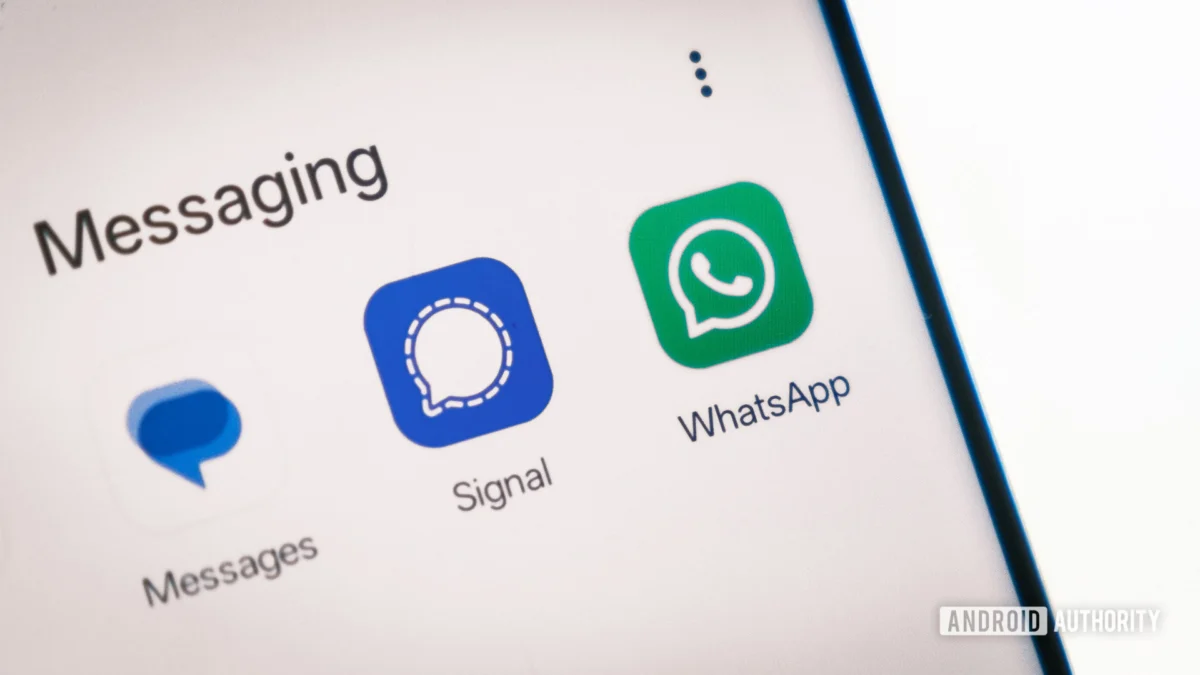
In the modern digital ecosystem, our phone numbers have effectively become our universal identifiers. They are the keys to our banking apps, our social media accounts, and our online shopping profiles. However, this ubiquity has birthed a significant security flaw that is increasingly plaguing the world’s most popular messaging platform: WhatsApp. As users find themselves besieged by unsolicited marketing messages and malicious crypto-scam groups, the debate over privacy architecture has intensified. The solution, according to many privacy advocates and frustrated users, is already sitting in plain sight on a rival platform: Signal.
Main Facts: The Vulnerability of the Phone Number
The core issue lies in the fundamental design of WhatsApp’s identity system. To use the service, a user must provide a mobile phone number. Unlike platforms such as Discord or Telegram, which have long allowed users to interact via unique, alias-based handles, WhatsApp links every account directly to a globally unique identifier that is easily shared, leaked, or scraped.
When you enter your phone number at an online checkout—often to track a package or receive a discount code—you are inadvertently handing a marketing key to that company. Because many retailers utilize automated WhatsApp Business APIs, they can initiate contact with you via the messaging app without you ever explicitly opting into a chat. This "abandoned cart" marketing strategy is merely the tip of the iceberg. More sinister actors, such as crypto-scammers, use automated scripts to add unsuspecting users to investment groups, relying on the fact that your phone number is likely present in one of the thousands of databases leaked annually from compromised third-party services.
Chronology: A History of Unmet Expectations
The desire for a username-based system on WhatsApp is not a new grievance; it is a long-standing demand from the privacy-conscious community.
- 2023 (Early): Initial reports surfaced that Meta, the parent company of WhatsApp, was exploring the possibility of username-based identifiers. The tech community welcomed the news, viewing it as a necessary step toward aligning the platform with modern privacy standards.
- 2023–2024: Despite recurring leaks and beta-channel sightings, the feature failed to reach a public rollout. During this period, the frequency of spam and scam-related incidents on the platform reached an all-time high, prompting a surge of user discourse on platforms like Reddit.
- 2025 (Present): Current reports from beta testers suggest that the feature is undergoing active, limited testing. While optimism remains, long-time users are increasingly skeptical, having seen "promised" features languish in development for years.
Supporting Data: The Privacy Divide
To understand the urgency of this feature, one must compare the architecture of WhatsApp with its primary competitor, Signal.
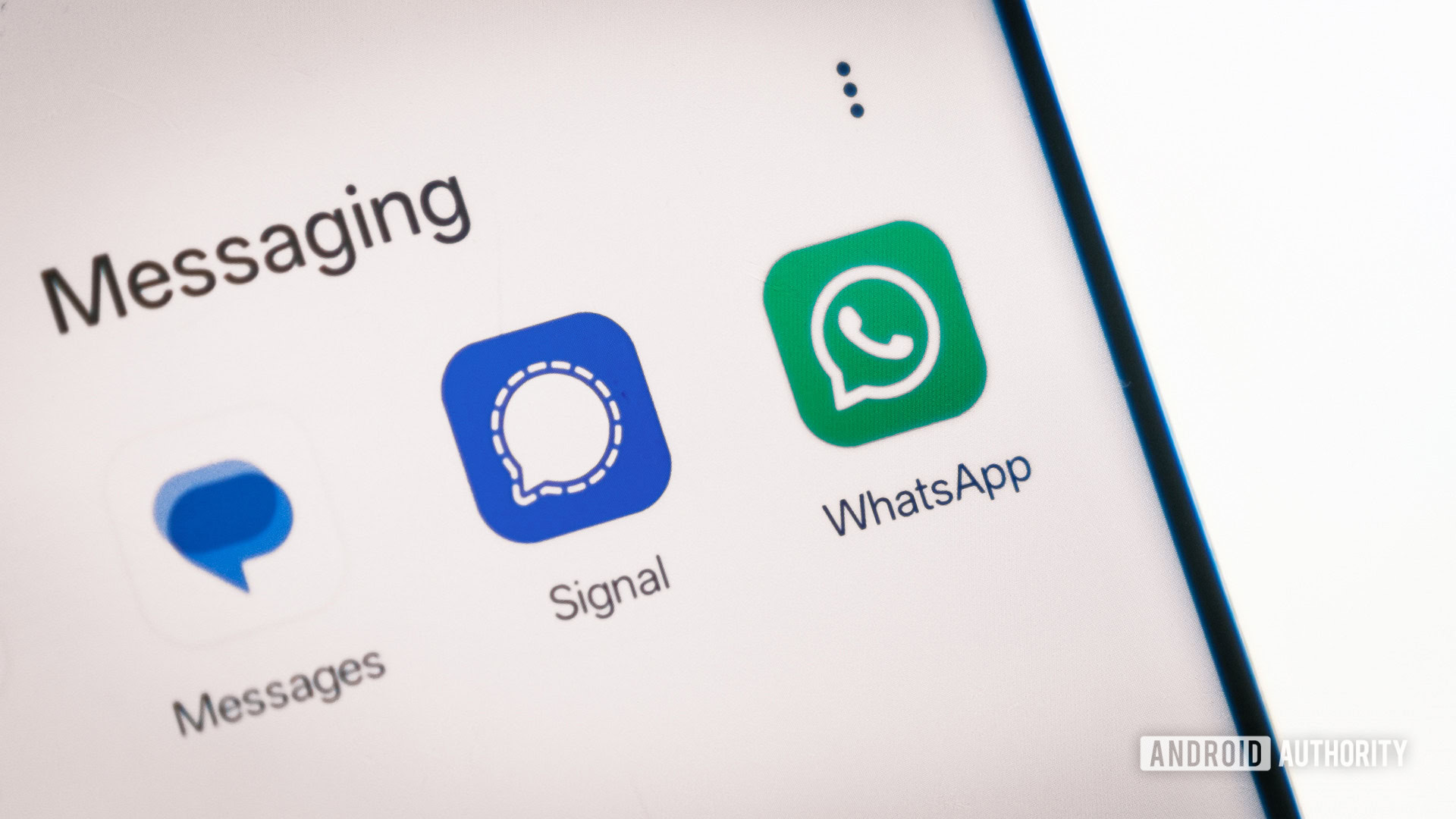
Signal operates on a "privacy-by-design" philosophy. While it requires a phone number for initial registration, it allows users to switch to a unique username within the app settings. Once a user hides their phone number, the number becomes effectively invisible to the people they chat with. If a spammer possesses your phone number, they are unable to locate you on Signal. They would need your specific, non-public username to initiate contact.
Contrast this with the current WhatsApp experience. If you block a spammer on WhatsApp, they still possess your phone number. That number remains a gateway to your SMS inbox, your traditional phone calls, and potentially other social media platforms that use "Find your friends" features tied to phone numbers. By failing to decouple the account from the phone number, WhatsApp keeps its users in a permanent state of vulnerability.
The Implications of a Username-Driven Model
Implementing usernames would be a transformative shift for Meta. The implications are three-fold:
1. The Death of Automated Spam
If users could hide their phone numbers, the "cold calling" model of digital spam would collapse. Scammers would no longer be able to scrape databases of phone numbers to build their target lists. They would be forced to obtain specific usernames, a hurdle that would significantly raise the cost and difficulty of conducting large-scale scams.
2. A Paradigm Shift in Professional Communication
Currently, using WhatsApp for business carries a heavy privacy tax. A freelancer or consultant must give out their personal phone number to every new client. A username system would allow for a professional separation, where individuals could communicate with clients without exposing their private contact information.
3. Reduced Surface Area for Social Engineering
Many cyberattacks, including "SIM swapping" and advanced phishing, rely on the attacker knowing a target’s phone number. By masking the number, WhatsApp would inherently increase the difficulty of these attacks, providing a layer of "security through obscurity" that is currently missing.
Official Responses and Corporate Strategy
Meta has remained characteristically opaque regarding the specific timeline for a widespread username rollout. While company representatives have emphasized their commitment to privacy—citing end-to-end encryption and disappearing messages as evidence—they have been slower to address the "discoverability" issue.
Industry analysts suggest that the delay is likely rooted in the business model. WhatsApp is increasingly positioned as a commercial hub where businesses pay to reach consumers. If Meta makes it too difficult for businesses to reach potential customers, they risk alienating their revenue drivers. However, the current backlash from the user base suggests that the cost of inaction—user attrition to more secure platforms—may soon outweigh the benefits of the current discovery-heavy model.
The "Network Effect" Dilemma
Why, if the platform is so plagued by spam, do users not simply defect to Signal? The answer lies in the "Network Effect." Messaging apps are utility tools; their value is derived entirely from the number of people currently using them.

For many, moving to a more secure app like Signal is a logistical nightmare. It requires convincing family, friends, and coworkers to download, install, and migrate their conversation histories. While some users have successfully migrated their inner circles, the broader, more casual network—the groups for school, sports, or local community events—remains firmly anchored to the WhatsApp ecosystem.
This creates a "lock-in" effect that protects WhatsApp from its own design flaws. Users are forced to endure the spam because they are socially tethered to the platform. The introduction of usernames would break this deadlock, allowing users to keep their social connections while simultaneously shielding themselves from the malicious elements that have come to define the modern WhatsApp experience.
Conclusion: The Path Forward
The demand for a username feature is not merely a request for convenience; it is a request for safety. In an era where data breaches are an inevitability, tying a user’s global identity to a public-facing phone number is a security liability that no longer aligns with the needs of a digital society.
As WhatsApp continues to test this feature in its beta channels, the tech community is watching closely. If the company chooses to implement this change effectively, it could reclaim its reputation as a privacy-conscious tool. If it continues to delay, it risks further erosion of user trust. For now, the millions of users currently dealing with unwanted crypto-investment pitches and automated marketing messages remain waiting, hoping that the next update will finally allow them to reclaim their digital privacy.
The technology to solve this problem exists. The user demand is clear. All that remains is for the platform to prioritize the individual user over the ease of unsolicited corporate and malicious access.


 Nana
Nana
 Basiran